FIRPTA Explained: Tax Rules for Foreign Property Sellers in Miami
By Rangely Adames • April 2026 • 9 min read
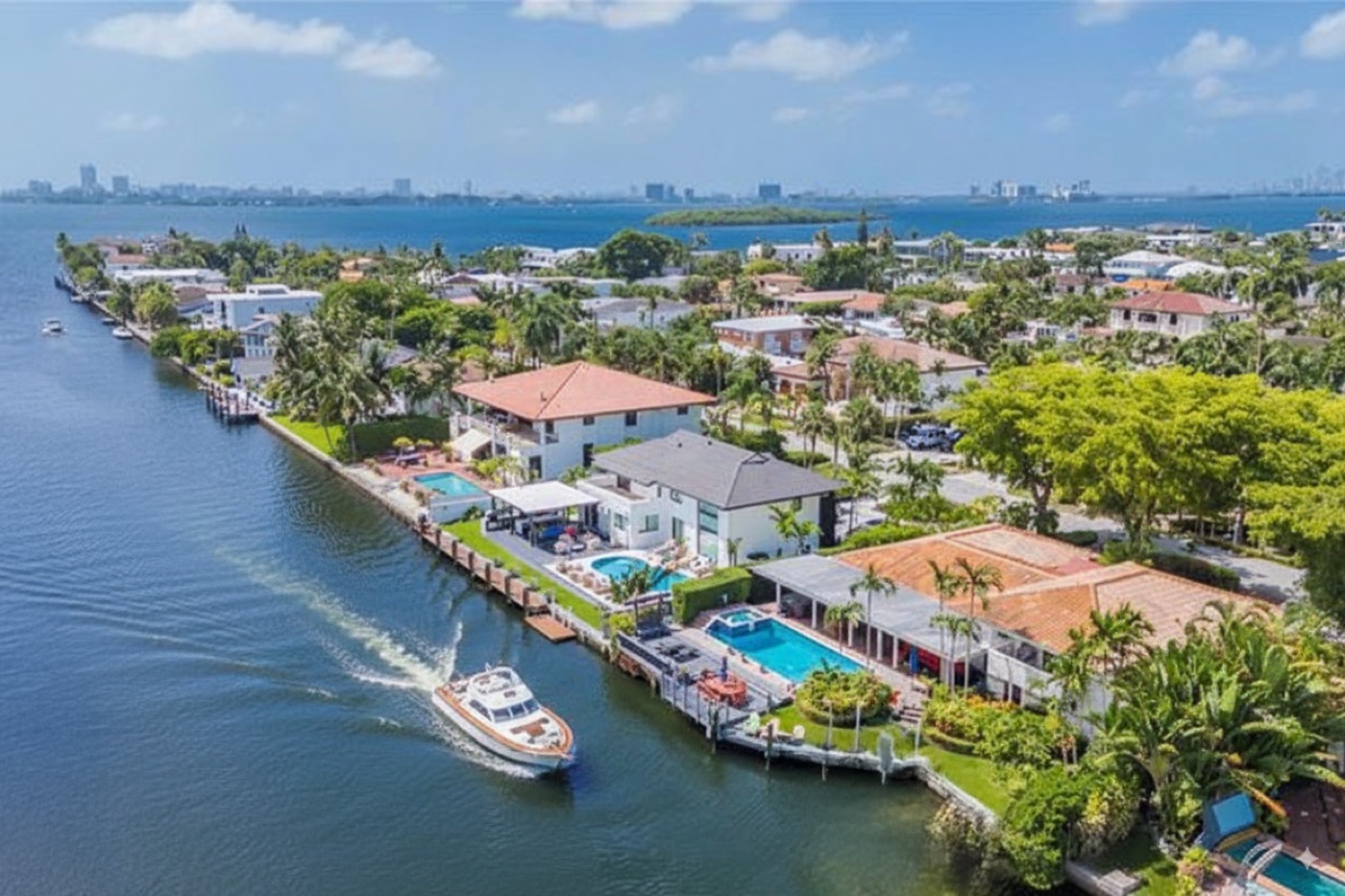
If you are a foreign national selling real estate in Miami, FIRPTA is the most important tax acronym you need to understand. The Foreign Investment in Real Property Tax Act requires that the buyer withhold a percentage of the sale price and send it directly to the IRS at closing. Without proper planning, this withholding can take a massive chunk out of your proceeds. Si eres propietario extranjero y piensas vender, esta guia es esencial para ti.
What Is FIRPTA and Why Does It Exist?
FIRPTA was enacted in 1980 to ensure that foreign persons pay U.S. income tax on gains from selling U.S. real property. Before FIRPTA, foreign sellers could sell property and leave the country without ever paying tax on their profits. The law places the withholding burden on the buyer, who must collect the tax at closing and remit it to the IRS using Form 8288. If the buyer fails to withhold, they become personally liable for the tax.
In Miami, where international ownership is exceptionally high, FIRPTA affects a significant portion of real estate transactions. Buyers from Latin America, Europe, and Canada who purchased condos in Brickell, Sunny Isles, and Miami Beach during the last boom cycle are now selling, and many are encountering FIRPTA withholding for the first time.
Explore on rangelyadames.com
FIRPTA Withholding Rates in 2026
The standard FIRPTA withholding rate is 15% of the gross sale price. However, there are two important exceptions. If the sale price is $300,000 or less and the buyer intends to use the property as a primary residence, the withholding is 0%. If the sale price is between $300,001 and $1,000,000 and the buyer will use it as a primary residence, the withholding drops to 10%. For all other transactions above $300,000, the full 15% applies.
To put this in real terms: if you sell a Miami condo for $800,000, the buyer must withhold $120,000 (15%) and send it to the IRS. That money is not a tax payment but rather an estimated prepayment. When you file your U.S. tax return, your actual tax liability will be calculated based on your gain, and any excess withholding is refunded.
Consejo: How to Reduce FIRPTA Withholding
The most effective way to reduce your FIRPTA withholding is to apply for a withholding certificate from the IRS using Form 8288-B. This application calculates your actual expected tax liability (based on your gain, not the gross price) and requests that the IRS allow a reduced withholding amount. For example, if you bought a condo for $600,000 and are selling for $800,000, your gain is $200,000. At capital gains tax rates, your actual tax might be $30,000 to $45,000, far less than the $120,000 standard withholding.
The catch is timing. The IRS can take 60 to 90 days to process a withholding certificate application, so you must file it well before closing. Your closing attorney or title company will hold the withheld funds in escrow until the IRS issues its determination. Work with a tax professional who has experience with FIRPTA filings. No espere hasta el ultimo momento para presentar la solicitud de certificado de retencion.
En Espanol: Pasos para Reducir la Retencion
Primero, obtenga un ITIN (Numero de Identificacion Personal del Contribuyente) si aun no tiene uno. Segundo, contrate un contador especializado en impuestos internacionales. Tercero, presente el Formulario 8288-B al menos 90 dias antes del cierre previsto. Cuarto, asegurese de que su agente de bienes raices y la compania de titulo entiendan el proceso de FIRPTA para evitar retrasos en el cierre.

Tax Treaties and Their Impact
The United States has income tax treaties with many countries that can affect how your real estate gains are taxed. However, most tax treaties do not override FIRPTA withholding at closing. The treaty benefits typically come into play when you file your annual U.S. tax return and claim credits or reduced rates. Countries with U.S. tax treaties that are relevant for Miami sellers include Canada, the United Kingdom, Germany, France, and Spain. Notably, most Latin American countries, including Brazil, Colombia, Venezuela, and Argentina, do not have comprehensive income tax treaties with the United States.
Selling Through an LLC or Corporation
Many foreign owners hold Miami property in an LLC. If the LLC is a disregarded entity for tax purposes (which single-member LLCs typically are), FIRPTA applies the same as if you owned the property directly. If the property is held in a foreign corporation, different rules may apply, including potential branch profits tax. Corporate structures can sometimes create additional tax complications rather than simplifying them, so consult your tax advisor before assuming an entity structure will reduce your FIRPTA exposure.
What Happens After Closing
After the sale closes and the withholding is remitted to the IRS, you must file a U.S. tax return (Form 1040-NR for individuals) reporting the sale and claiming any applicable deductions, including selling expenses, depreciation recapture adjustments, and the cost basis of the property. If your actual tax is less than the amount withheld, you will receive a refund. The refund process typically takes three to six months after filing.
Planning to sell your Miami property? Our seller's guide covers the full process from listing to closing. To understand your property's current market value, try our home value estimator. And for buyers looking at international-seller properties, review our foreign buyers guide to understand the other side of the transaction. Have questions? Visit our FAQ page for quick answers.
Related Articles
September 28, 2026 · 10 min read
Argentine Buyers Guide to Miami Real Estate: Process, Financing Themes, and Neighborhood Fit (2026)
Buying Miami real estate from Argentina is workable when you separate what your agent coordinates from what your attorney, CPA, and lender decide. This support guide walks through the process, financing themes, remote closing, and neighborhood fit, then points you to the Argentina foreign-buyer hub for next steps.
Read article →February 2026 · 9 min read
Aventura Real Estate Guide: Condos, Schools & Lifestyle (2026)
Luxury high-rises, top-rated schools, and the Aventura Mall — why families and investors love this North Miami suburb.
Read article →February 2026 · 9 min read
Airbnb Investment Properties in Miami: Rules, ROI & Best Areas
Short-term rental regulations, income projections, and the best Miami neighborhoods for Airbnb investing.
Read article →Selling Miami Property as a Foreign Owner?
I work with international sellers every day and can connect you with the right tax and legal professionals to minimize your FIRPTA withholding.