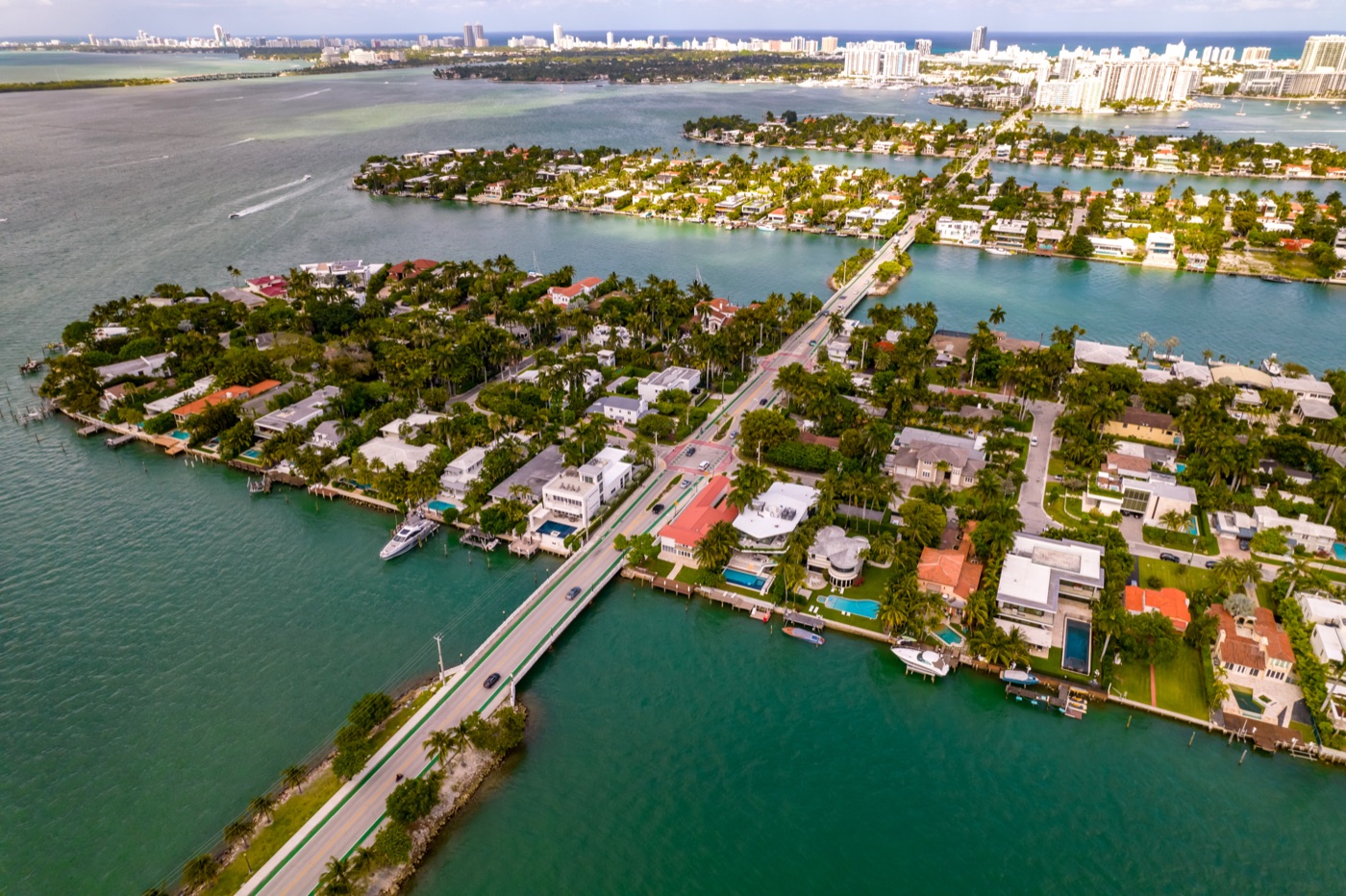
Miami is the top destination for international real estate buyers in the United States, and it is easy to see why. The city offers a tropical climate, world-class culture, no state income tax, direct flights to Latin America, Europe, and beyond, and a deep pool of luxury and investment-grade properties. If you are an international buyer considering Miami, this guide covers everything you need to know, from legal basics to financing options to the neighborhoods that attract the most foreign capital.
Can Foreigners Buy Property in Florida?
Yes, and there are essentially no restrictions. The United States places no limitations on foreign nationals purchasing real estate. You do not need a visa, green card, or Social Security number to buy property in Florida. Buyers from any country can purchase residential, commercial, or agricultural property in their own name, through a U.S.-based LLC, or through a foreign entity.
This openness is one of the primary reasons Miami attracts so much international capital. Buyers from Colombia, Venezuela, Brazil, Argentina, Mexico, Canada, France, and dozens of other countries have established Miami as their base for U.S. real estate investment.
Explore on rangelyadames.com
Financing Options for Foreign Buyers
Cash Purchases
The simplest path is an all-cash purchase. Approximately 40% of all Miami real estate transactions are cash deals, and among foreign buyers, the percentage is even higher. A cash purchase avoids the complexities of U.S. mortgage qualification entirely. You wire the funds to a U.S. title company, and the transaction proceeds much like a domestic sale. Most cash purchases close in 15-30 days.
Foreign National Loans
Several banks and private lenders in South Florida offer mortgage programs specifically designed for foreign nationals. These loans typically require 30-40% down, proof of income from your home country, and a U.S. bank account (which you can open before or during the purchase process). Interest rates on foreign national loans are usually 1-2% higher than conventional U.S. mortgages, currently landing in the 7.5-8.5% range. Loan terms of 15 or 30 years are available.
ITIN Loans
If you have an Individual Taxpayer Identification Number (ITIN), which the IRS issues to foreign nationals who need to file U.S. tax returns, you may qualify for an ITIN loan. These programs are offered by portfolio lenders and typically require 20-25% down, with rates slightly above conventional levels. An ITIN loan is a good option for foreign nationals who already have some financial footprint in the U.S., such as rental income from an existing property.
DSCR Loans (Debt Service Coverage Ratio)
For investment properties, DSCR loans qualify based on the property's rental income rather than the borrower's personal income. If the property's projected rent covers the mortgage payment by at least 1.0-1.25x, you can qualify regardless of your employment situation or country of origin. These are increasingly popular among foreign investors buying rental properties in Brickell, Doral, or Miami Beach.
Tax Implications: What Foreign Buyers Must Know
FIRPTA (Foreign Investment in Real Property Tax Act)
For buyer awareness and seller exit planning, start with FIRPTA for Miami foreign buyers and sellers. That page does not state a withholding rate. Exact treatment depends on your facts. Rangely introduces a CPA or cross-border tax attorney and does not give tax advice.
FIRPTA is the most important tax law for foreign property owners in the U.S. When a foreign national sells U.S. real estate, the buyer is required to withhold 15% of the gross sale price and remit it to the IRS. This withholding serves as a prepayment of the seller's U.S. capital gains tax. If the actual tax owed is less than the withheld amount, the seller can file a U.S. tax return to claim a refund.
There are exceptions. If the property is sold for under $300,000 and the buyer intends to use it as a personal residence, the withholding rate drops to 0%. For sales between $300,000 and $1,000,000 where the buyer will use the property as a residence, the rate is 10%. Proper planning with a U.S. tax advisor can minimize the impact of FIRPTA.
Rental Income Taxes
If you rent out your Miami property, the rental income is subject to U.S. income tax. Foreign owners can choose to be taxed on gross rental income at a flat 30% rate, or they can elect to file a U.S. tax return and be taxed on net rental income (after deducting expenses like mortgage interest, property taxes, insurance, maintenance, and depreciation). Almost every foreign owner benefits from the net income election, which often reduces the effective tax rate to 10-15% or even zero in the early years of ownership when depreciation offsets income.
Estate Tax Considerations
Non-resident aliens are subject to U.S. estate tax on U.S.-situated assets, including real estate. The exemption for non-residents is only $60,000 (compared to over $13 million for U.S. citizens), and the top rate is 40%. This is a major planning issue for foreign owners of high-value Miami properties. Common strategies include holding property through a foreign corporation or establishing a trust. Always consult with an international tax attorney before structuring your ownership.
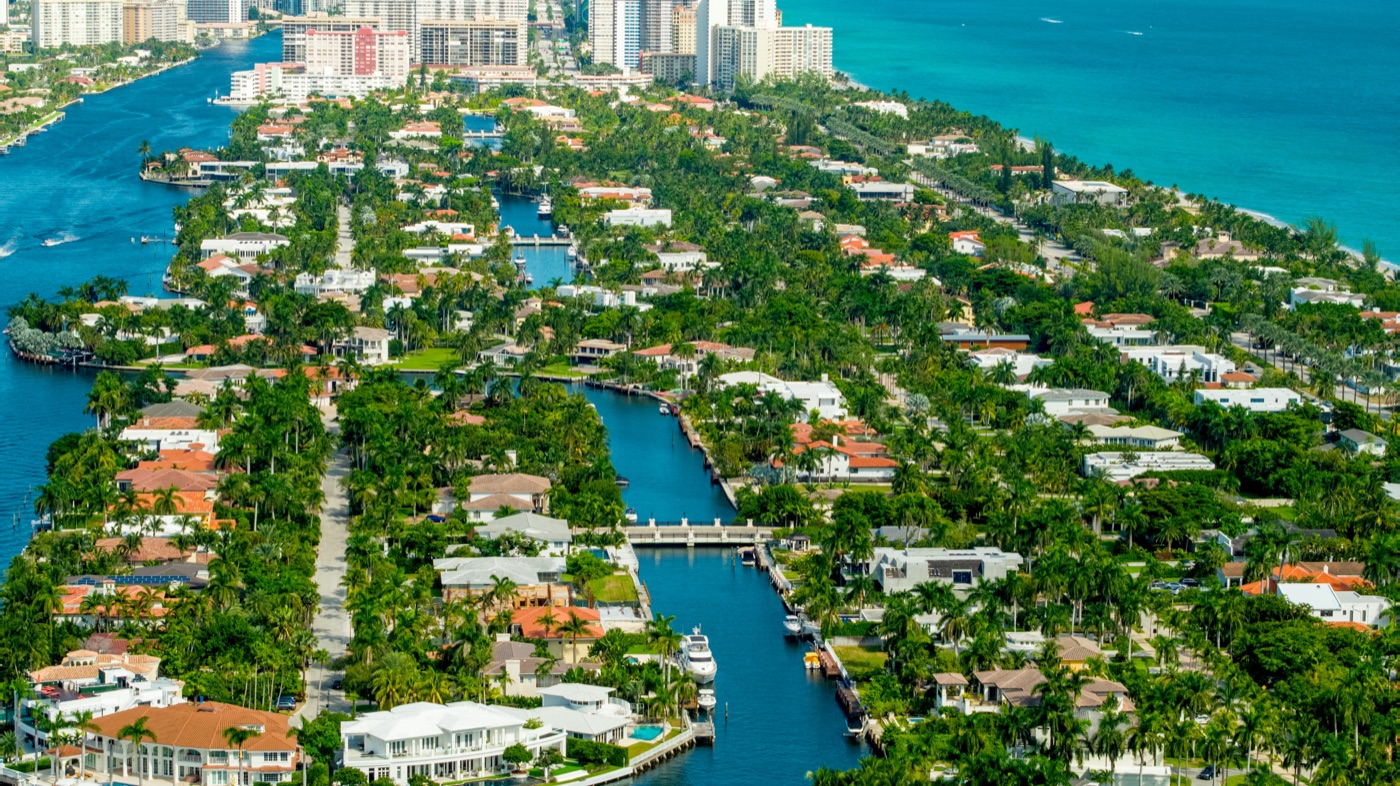
Best Neighborhoods for International Buyers
Brickell: The financial district attracts professionals and investors from Latin America. Spanish is widely spoken, and the neighborhood's international restaurants, banks, and consulates create a familiar environment for foreign buyers. See Brickell listings.
Miami Beach: European and South American buyers gravitate to Miami Beach for the lifestyle, beach access, and global cachet. Sunny Isles Beach, just north, has such a large international community that it is sometimes called "Little Moscow" for its concentration of Russian and Eastern European residents. View Miami Beach condos.
Coral Gables: Favored by Latin American families seeking top schools and a prestigious address. The neighborhood's proximity to the University of Miami and its established international community make it a natural choice. Browse Coral Gables homes.
Doral: Home to a large Venezuelan and Colombian community. Newer construction, good schools, and relatively accessible prices make Doral popular with international families relocating to Miami. See Doral listings.
Key Biscayne: An island enclave that attracts high-net-worth Latin American and European buyers seeking privacy, security, and a resort-like lifestyle.
The Buying Process for Foreign Nationals
1. Open a U.S. bank account. This simplifies the wire transfer process and is required by most lenders if you are financing. Several Miami banks specialize in serving international clients and can open accounts remotely or with minimal documentation.
2. Assemble your team. You will need a real estate agent experienced with international transactions (that is where I come in), an international tax attorney, and a title company comfortable with foreign documentation.
3. Search and make an offer. The process is identical to domestic buyers. Your agent will help you identify properties, schedule showings (in-person or via video tour), and negotiate the offer.
4. Due diligence and closing. Inspections, appraisals, and title work proceed normally. Foreign buyers often close remotely using a power of attorney, which allows you to purchase without traveling to Miami for the closing itself.
5. Post-purchase setup. Once you close, set up property management (if the property will be rented), file for any applicable exemptions, and establish a system for paying property taxes and insurance from abroad.
Why Work With a Bilingual Agent?
Real estate transactions involve complex legal and financial terminology. Miscommunication at any stage, from offer negotiation to inspection findings to closing documents, can be costly. As a bilingual agent fluent in both English and Spanish, I ensure that nothing is lost in translation. Whether you are a first-time foreign buyer or an experienced international investor expanding your portfolio, I provide clear, straightforward guidance in the language you are most comfortable with.
Related Articles
September 28, 2026 · 10 min read
Argentine Buyers Guide to Miami Real Estate: Process, Financing Themes, and Neighborhood Fit (2026)
Buying Miami real estate from Argentina is workable when you separate what your agent coordinates from what your attorney, CPA, and lender decide. This support guide walks through the process, financing themes, remote closing, and neighborhood fit, then points you to the Argentina foreign-buyer hub for next steps.
Read article →February 2026 · 9 min read
Aventura Real Estate Guide: Condos, Schools & Lifestyle (2026)
Luxury high-rises, top-rated schools, and the Aventura Mall — why families and investors love this North Miami suburb.
Read article →February 2026 · 9 min read
Airbnb Investment Properties in Miami: Rules, ROI & Best Areas
Short-term rental regulations, income projections, and the best Miami neighborhoods for Airbnb investing.
Read article →International Buyer? Let Rangely Guide You.
Bilingual service in English and Spanish. Expert guidance through every step of the process.