Airbnb Investment Properties in Miami: Rules, ROI & Best Areas
By Rangely Adames • April 2026 • 10 min read
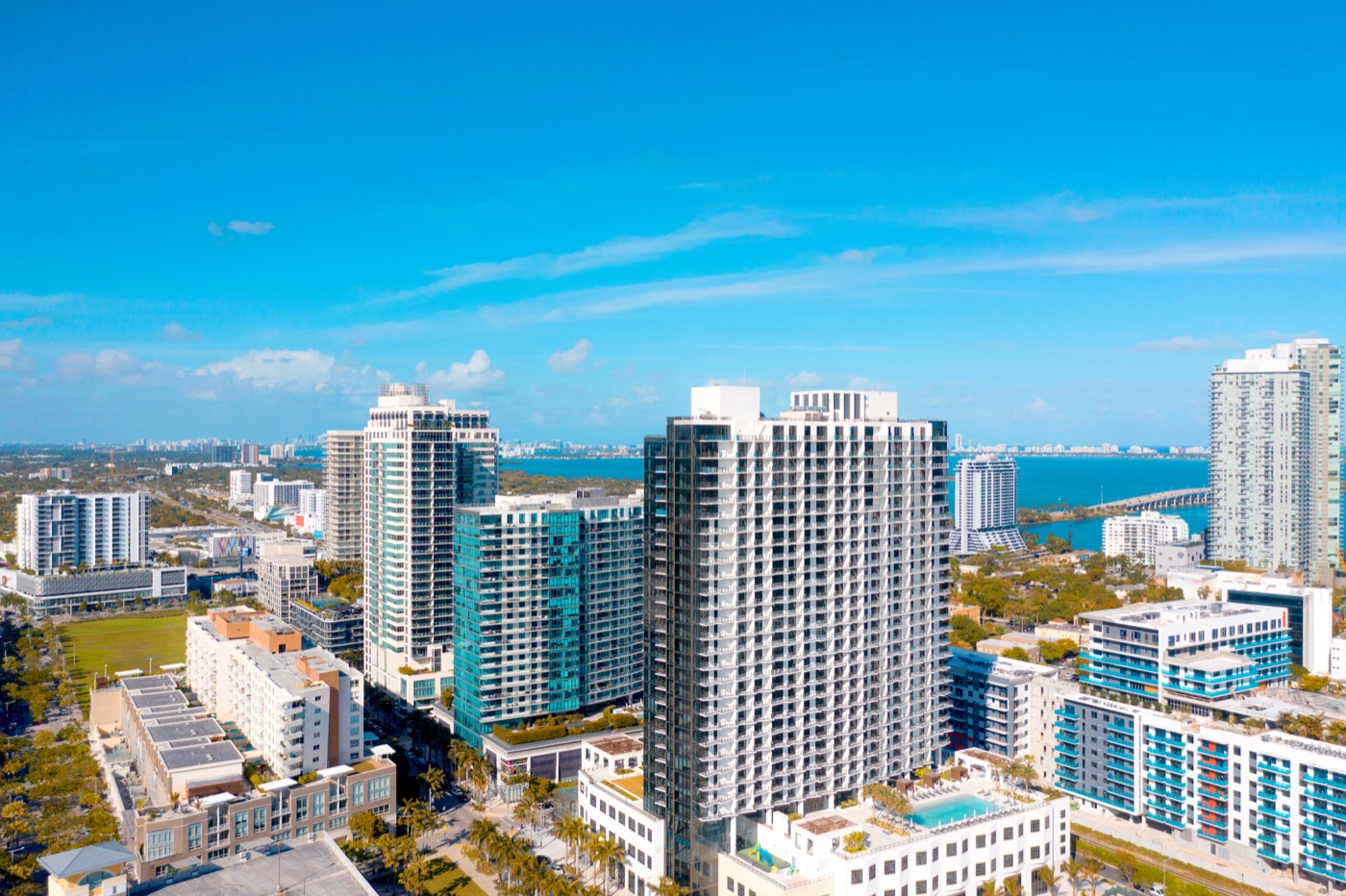
Miami is one of the most lucrative short-term rental markets in the United States. With over 25 million visitors per year, year-round warm weather, world-class beaches, and a thriving cultural scene, the demand for vacation rentals is consistently strong. But investing in an Airbnb property in Miami is not as simple as buying a condo and listing it. Regulations vary dramatically by location, condo association rules can prohibit short-term rentals entirely, and the numbers only work if you understand the full picture. Miami es un mercado increible para rentas vacacionales, pero las reglas son complicadas y hay que conocerlas antes de invertir.
Short-Term Rental Regulations in Miami-Dade
Short-term rental regulations in the Miami area are a patchwork of state, county, and municipal rules. Florida state law requires all short-term rental operators to obtain a license from the Florida Department of Business and Professional Regulation (DBPR) and collect and remit state sales tax (6%) plus local tourist development tax (varies by municipality, typically 5-6% in Miami-Dade).
City of Miami: The City of Miami allows short-term rentals in most residential zones, but operators must register with the city, obtain a Certificate of Use, and comply with specific operational requirements including noise limits, parking, and maximum occupancy. The registration process is straightforward and takes a few weeks.
Miami Beach: Miami Beach has some of the strictest short-term rental regulations in Florida. In most single-family and multi-family zones, rentals of less than six months are prohibited. Only properties in certain resort-zoned areas and specific condo buildings with grandfathered rights can legally operate as short-term rentals. Violations carry fines of $20,000 or more for repeat offenders.
Unincorporated Miami-Dade: The county allows short-term rentals with registration and licensing. The rules are less restrictive than Miami Beach but still require compliance with safety, tax, and operational standards.
Explore on rangelyadames.com
Condo Association Rules: The Biggest Hurdle
Even if local regulations allow short-term rentals, the condo association may not. The majority of condo buildings in Miami restrict or prohibit rentals shorter than six months or one year. Before purchasing any condo as an Airbnb investment, you must review the association's declaration of condominium and bylaws for rental restrictions. Look for minimum lease terms, rental caps, tenant approval requirements, and owner occupancy periods.
Buildings that do allow short-term rentals tend to be in the condo-hotel or resort category. These buildings are designed for transient occupancy and typically include hotel-style services, front desk staff, and management companies that handle bookings and turnover. Examples in Miami include buildings like the Icon Brickell, W South Beach residences, and several Brickell and downtown towers with nightly rental provisions. Read our condo association rules guide for a full breakdown.
Consejo:Never take a seller's or listing agent's word that short-term rentals are allowed. Always get the association's governing documents and have them reviewed. Rules change, and what was allowed five years ago may have been amended.
Best Neighborhoods for Airbnb Investment
Brickell: High demand from business travelers and tourists. Average nightly rates for well-furnished one-bedroom units range from $150 to $250. Occupancy rates average 70-80% year-round. The key is finding a building that allows short-term rentals, as many Brickell buildings have minimum lease requirements.
Wynwood / Design District: The art district draws a younger, experience-focused crowd willing to pay premium nightly rates for unique spaces. Single-family homes and townhouses in this area can generate $200 to $400 per night. The advantage of single-family properties is no HOA restrictions on rental duration.
Downtown / Edgewater: More affordable purchase prices than Brickell with solid rental demand. Several buildings in this area allow short-term rentals. Nightly rates for one-bedroom units average $120 to $200.
Coconut Grove / Coral Gables: Lower tourist volume but strong demand from families, snowbirds, and longer-stay guests. These areas perform better with 30-day or seasonal rentals than nightly bookings.
ROI: Running the Numbers
A realistic Airbnb ROI calculation must include all expenses, not just the mortgage payment. Here is a framework for a $400,000 one-bedroom condo in Brickell with an average nightly rate of $180 and 75% occupancy:
Gross Annual Revenue: $180 x 365 x 0.75 = approximately $49,275. This is your top-line income before any expenses.
Expenses to Subtract: HOA fees ($600/month = $7,200/year), property taxes (approximately $7,500/year without homestead), insurance ($2,400/year), property management or cleaning ($7,000-$10,000/year), platform fees (3% = $1,478), utilities ($2,400/year), furnishing depreciation ($2,000/year), maintenance and repairs ($2,000/year), and mortgage payments if financed.
After all operating expenses excluding mortgage, you might net $15,000 to $20,000 per year, representing a 3.75% to 5% cash-on-cash return on a $400,000 investment if purchased with cash. With financing, the returns on your down payment can be higher due to leverage, but the actual cash flow may be thin or negative in the early years. Compare these numbers with traditional rental returns in our investment property ROI guide.
En Espanol: Invirtiendo en Alquiler Vacacional en Miami
Para inversionistas latinoamericanos, Miami es uno de los mercados mas atractivos del mundo para rentas vacacionales. La demanda turistica es constante durante todo el ano, y la ciudad atrae visitantes de toda America Latina, Europa, y Norteamerica. Sin embargo, es fundamental entender las regulaciones locales antes de comprar. Una propiedad que no esta legalmente autorizada para rentas a corto plazo puede resultar en multas significativas. Trabaja con un agente que conozca las reglas de cada municipio y cada edificio para proteger tu inversion.
Single-Family vs. Condo for Airbnb
Single-family homes offer the most flexibility for short-term rental investors because there is no HOA to restrict your rental activity. You control the property entirely. The trade-off is higher purchase prices, more maintenance responsibility, and the need to handle all operations yourself or through a property manager. Single-family Airbnb properties in areas like Wynwood, Little Havana, and MiMo District can generate strong returns due to their unique character and tourist appeal.
Condos in STR-friendly buildings offer lower purchase prices and built-in amenities that appeal to guests (pools, gyms, lobbies), but you are subject to the association's rules and fees. The best approach depends on your budget, risk tolerance, and how hands-on you want to be. Explore both options on our listings page or search by criteria on our MLS search.
Operational Considerations
Running a successful Airbnb in Miami requires attention to guest experience, professional photography, competitive pricing strategy, prompt communication, and reliable cleaning services. Most successful operators either self-manage using smart locks and automation tools or hire a property management company that specializes in short-term rentals (expect to pay 15-25% of gross revenue). If you are buying from out of state or out of the country, professional management is essentially required. For more on the rental market, visit our rentals page.
Related Articles
September 28, 2026 · 10 min read
Argentine Buyers Guide to Miami Real Estate: Process, Financing Themes, and Neighborhood Fit (2026)
Buying Miami real estate from Argentina is workable when you separate what your agent coordinates from what your attorney, CPA, and lender decide. This support guide walks through the process, financing themes, remote closing, and neighborhood fit, then points you to the Argentina foreign-buyer hub for next steps.
Read article →February 2026 · 9 min read
Aventura Real Estate Guide: Condos, Schools & Lifestyle (2026)
Luxury high-rises, top-rated schools, and the Aventura Mall — why families and investors love this North Miami suburb.
Read article →October 3, 2026 · 10 min read
Brickell Airbnb and STR Diligence: Verify HOA and City Rules Before You Underwrite
Brickell can look ideal for short-term rentals on a map. The decision that protects your capital is older and quieter: confirm what this building and the city currently allow, in writing, before you treat STR income as part of the purchase story.
Read article →Ready to Invest in Miami Short-Term Rentals?
I'll help you find properties in STR-friendly buildings and neighborhoods with strong rental demand. Let's crunch the numbers together.