Miami Investment Property ROI: Neighborhood-by-Neighborhood Comparison
By Rangely Adames • April 2026 • 10 min read
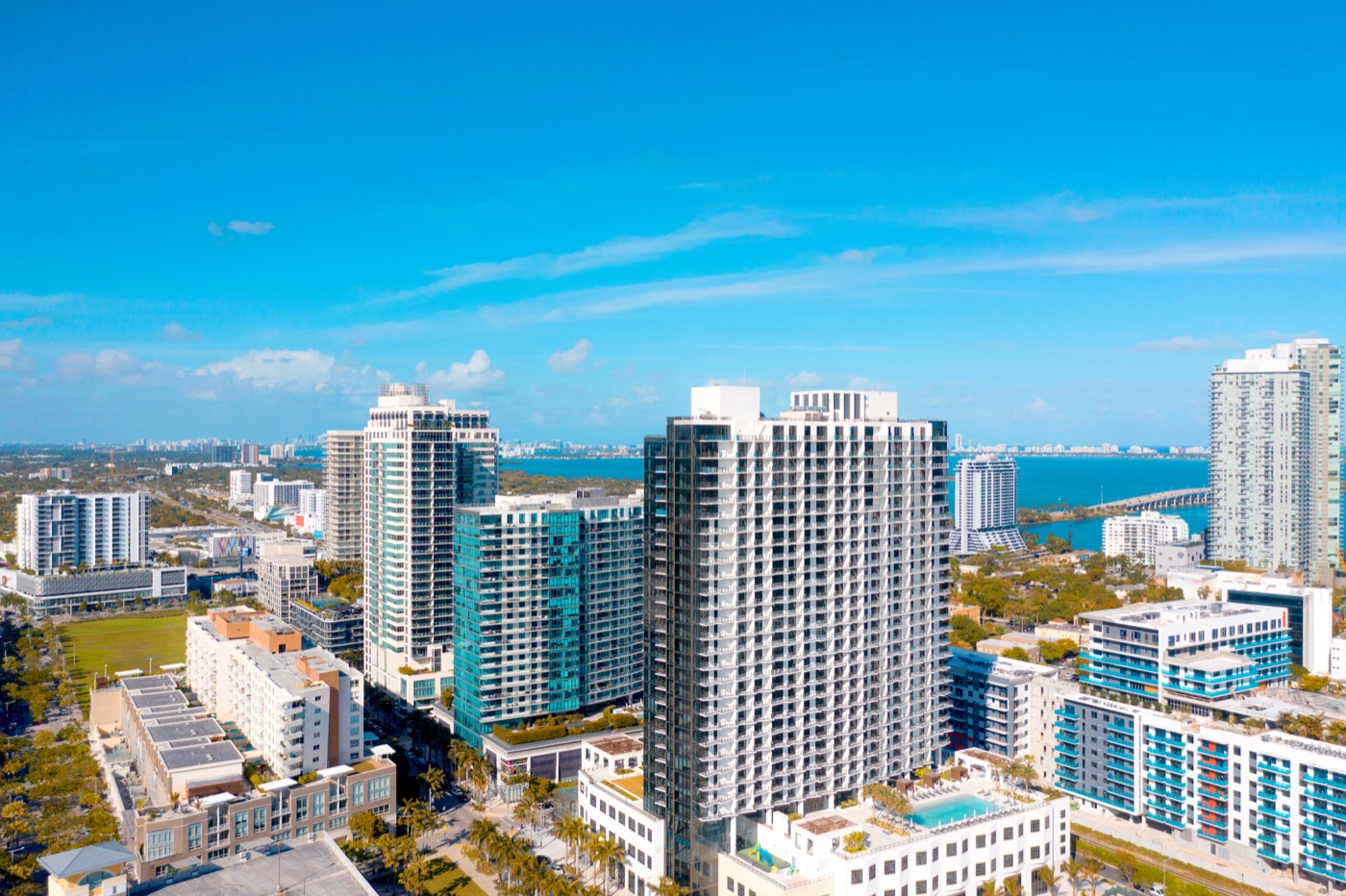
Miami has long been one of the top real estate investment markets in the country, drawing capital from across the U.S. and around the world. But not all Miami neighborhoods deliver the same returns. Depending on whether you prioritize cash flow, appreciation, or a blend of both, the right neighborhood for your investment can vary significantly. This article breaks down the numbers across Miami's most popular investment areas so you can make a data-informed decision.
Understanding ROI: Cash Flow vs. Appreciation
Before diving into the numbers, it is important to understand the two main ways real estate generates returns. Cash flow is the net income you receive after subtracting mortgage payments, property taxes, insurance, HOA fees, maintenance, and management costs from your rental income. Appreciation is the increase in property value over time. Most successful Miami investors pursue a combination of both, but the balance shifts depending on the neighborhood.
A high-cash-flow property in Homestead might yield 7-8% gross rent but appreciate only 3-4% annually. A Wynwood condo might barely break even on monthly cash flow but appreciate 8-10% per year. Neither strategy is inherently better; it depends on your timeline, tax situation, and risk tolerance.
Explore on rangelyadames.com
ROI by Neighborhood
Brickell
Median purchase price: $550,000 (1-bed) to $900,000 (2-bed condo). Average monthly rent: $2,800-$4,500. Gross rental yield: 5.5-6.0%. Annual appreciation: 4-5%.
Brickell offers solid rental demand thanks to its concentration of financial firms, tech companies, and young professionals. Vacancy rates are low, and turnover is manageable. The main drag on ROI is high HOA fees, which can run $600-$1,200/month in luxury towers. Investors who focus on older, well-maintained buildings with lower HOAs tend to achieve better cash flow. Browse our Brickell condo listings.
Wynwood
Median purchase price: $450,000-$800,000 (condo/loft). Average monthly rent: $2,500-$3,800. Gross rental yield: 5.0-5.5%. Annual appreciation: 7-10%.
Wynwood is the appreciation champion of Miami. The neighborhood is still transforming, and each new development pushes values higher. Cash flow is modest due to newer construction pricing, but five-year total returns (rental income plus appreciation) are among the best in the city. This is the pick for investors with a longer time horizon and a tolerance for lower immediate cash flow. See Wynwood properties.
Doral
Median purchase price: $400,000 (townhouse) to $700,000 (single-family). Average monthly rent: $2,600-$3,800. Gross rental yield: 6.0-6.5%. Annual appreciation: 4-6%.
Doral is a well-balanced investment market. Single-family homes attract long-term tenants (often families), which means lower turnover and more predictable income. The tenant pool is strong due to proximity to the airport, corporate offices, and good schools. Townhouses and smaller single-family homes in the $400,000-$500,000 range offer the strongest cash-on-cash returns. Check out Doral homes.
Homestead / South Dade
Median purchase price: $320,000-$480,000 (single-family). Average monthly rent: $2,200-$2,800. Gross rental yield: 7.0-8.0%. Annual appreciation: 3-5%.
Homestead delivers the highest gross rental yields in Miami-Dade County. The lower purchase prices relative to rents create strong cash flow, and new construction means lower maintenance costs in the first decade of ownership. The trade-off is slower appreciation compared to urban core neighborhoods. For investors who prioritize monthly income over price growth, Homestead is hard to beat.
Miami Beach
Median purchase price: $400,000-$1,200,000 (condo). Average monthly rent: $2,200-$5,500. Gross rental yield: 4.5-5.5%. Annual appreciation: 3-5%.
Miami Beach is a lifestyle-driven market rather than a pure ROI play. Gross yields are lower due to higher purchase prices, and short-term rental regulations have tightened in recent years. However, annual rentals to professionals and seasonal tenants provide steady income, and the brand value of "Miami Beach" keeps demand strong. Insurance costs are a key factor, as flood and windstorm coverage can add $5,000-$15,000 annually. See Miami Beach condos.
Edgewater
Median purchase price: $380,000-$750,000 (condo). Average monthly rent: $2,400-$3,600. Gross rental yield: 5.5-6.5%. Annual appreciation: 6-8%.
Edgewater may be the best risk-adjusted investment in Miami right now. It offers bay views and new construction at prices well below Brickell, with comparable or better appreciation rates. The neighborhood is still building out its retail and dining infrastructure, which means values have room to grow as amenities improve. Investors who bought in Edgewater three years ago have seen 20-25% total appreciation.
Coral Gables
Median purchase price: $900,000-$2,000,000 (single-family). Average monthly rent: $4,500-$8,000. Gross rental yield: 4.5-5.0%. Annual appreciation: 4-6%.
Coral Gables is more of a wealth preservation play than a cash flow machine. The high purchase prices compress rental yields, but the neighborhood's prestige, school quality, and limited land supply create a strong floor under property values. Investors here tend to be patient, long-term holders who benefit from steady appreciation and the ability to attract premium tenants. View Coral Gables homes.
Choosing Your Strategy
Maximum cash flow: Look at Homestead and Doral. Lower entry prices and strong rental demand create the best monthly income relative to investment.
Maximum appreciation: Wynwood and Edgewater are the strongest bets for price growth over the next 3-5 years. Accept lower cash flow in exchange for higher total returns.
Balanced approach: Brickell and Doral offer a solid blend of both. You get meaningful rental income and respectable appreciation without going to the extremes of either strategy.
Wealth preservation: Coral Gables and Key Biscayne are ideal for investors who want stability, prestige, and protection against downside risk.
Whatever strategy you choose, proper analysis of the specific property matters more than the general neighborhood trend. I run detailed cash-flow projections for my investor clients on every property we consider, covering expenses, vacancy estimates, and realistic rent comps. See all available opportunities on our investment property page.
Related Articles
September 28, 2026 · 10 min read
Argentine Buyers Guide to Miami Real Estate: Process, Financing Themes, and Neighborhood Fit (2026)
Buying Miami real estate from Argentina is workable when you separate what your agent coordinates from what your attorney, CPA, and lender decide. This support guide walks through the process, financing themes, remote closing, and neighborhood fit, then points you to the Argentina foreign-buyer hub for next steps.
Read article →February 2026 · 9 min read
Aventura Real Estate Guide: Condos, Schools & Lifestyle (2026)
Luxury high-rises, top-rated schools, and the Aventura Mall — why families and investors love this North Miami suburb.
Read article →February 2026 · 9 min read
Airbnb Investment Properties in Miami: Rules, ROI & Best Areas
Short-term rental regulations, income projections, and the best Miami neighborhoods for Airbnb investing.
Read article →Ready to Invest in Miami Real Estate?
Contact Rangely for a personalized investment analysis and access to off-market deals.