Miami Condo Association Rules Every Buyer Should Know
By Rangely Adames • April 2026 • 9 min read
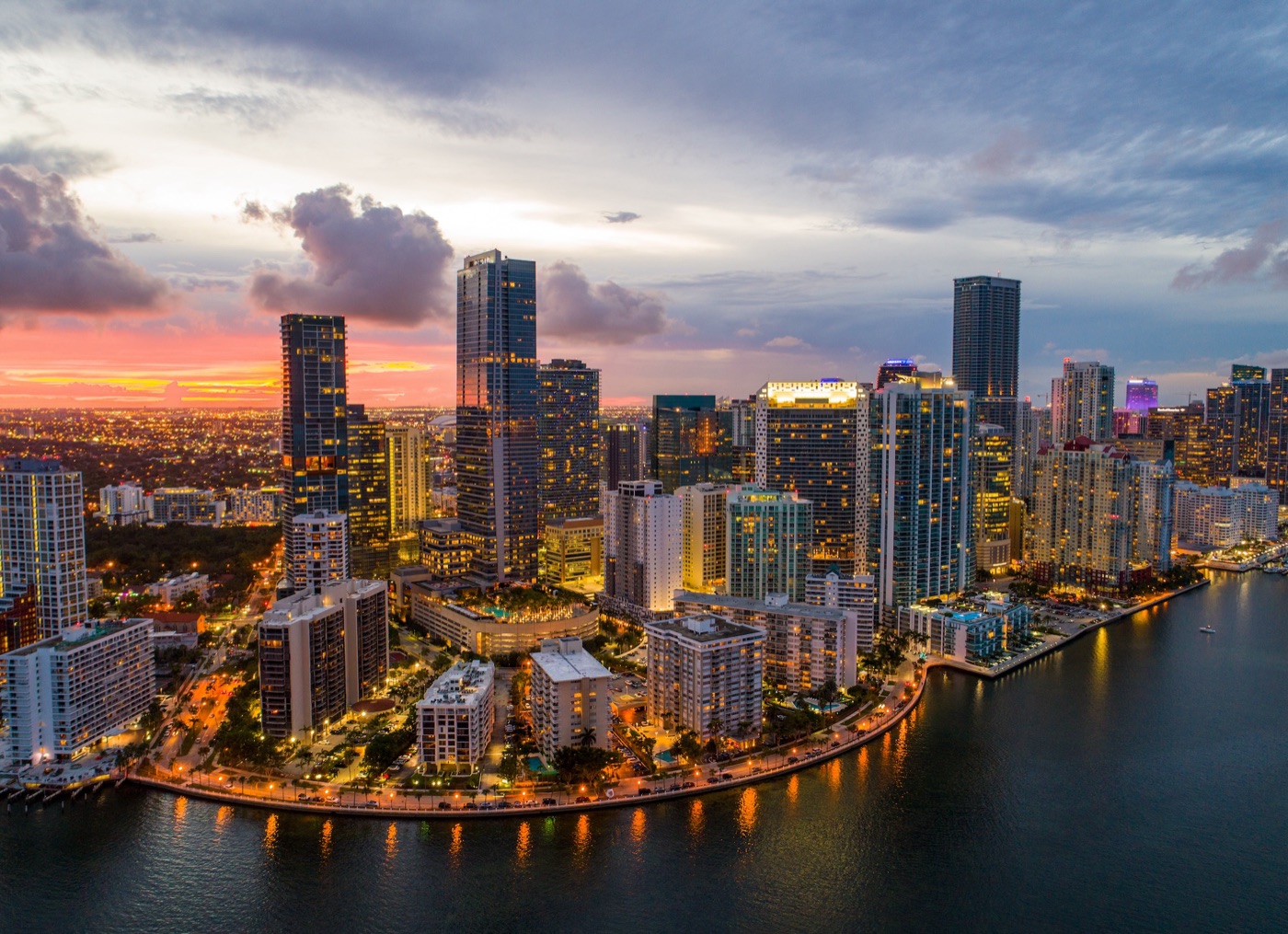
Buying a condo in Miami is not the same as buying a house. When you purchase a condo, you are not just buying a unit, you are buying into a community governed by an association with its own rules, fees, and financial obligations. Understanding these rules before you buy can save you from expensive surprises and legal headaches. Florida's condo laws have changed significantly in recent years, and every buyer needs to know what they are getting into. Comprar un condo sin entender las reglas de la asociacion es uno de los errores mas comunes que veo en Miami.
HOA Fees: What They Cover and What to Watch For
Monthly HOA (Homeowners Association) fees in Miami condos range from $300 per month for a basic mid-rise to over $2,000 per month for a luxury high-rise with full amenities. These fees typically cover building insurance, common area maintenance, water, sewer, trash, pest control, elevator maintenance, security, and amenities like pools, gyms, and lobbies.
The amount of the fee alone does not tell the whole story. What matters more is what the fee covers and whether the association is financially healthy. A building with $400 monthly fees but a well-funded reserve is in better shape than a building with $300 fees and a nearly empty reserve account. Always review the association's financial statements, budget, and reserve study before making an offer.
Consejo: Ask your agent to request the most recent financial statements, budget, and reserve study during due diligence. If the association is reluctant to share these documents, consider it a red flag.
Explore on rangelyadames.com
Special Assessments: The Hidden Cost
A special assessment is a one-time charge levied by the condo association to cover major repairs or improvements that the regular budget and reserves cannot cover. In Miami, special assessments have become increasingly common as older buildings face mandatory structural inspections and repair requirements under Florida's post-Surfside condo safety legislation.
Special assessments can range from a few thousand dollars to $50,000 or more per unit for major structural, roof, or electrical work. Before buying, ask whether any special assessments have been levied, are pending, or are anticipated. Review the board meeting minutes from the past two years for discussions about upcoming capital projects. A building that has recently completed a major assessment and has a fully funded reserve is generally a safer purchase than one that has been deferring maintenance.
Florida's New Condo Safety Laws (SB 4D)
Following the Champlain Towers collapse in Surfside in 2021, Florida passed sweeping condo safety legislation. The key provisions that affect buyers include mandatory milestone structural inspections for buildings three stories or higher when they reach 30 years of age (25 years if within three miles of the coast), and subsequent inspections every 10 years after that.
Condo associations are now required to conduct structural integrity reserve studies and fully fund reserves for critical building components including roofing, structural elements, waterproofing, plumbing, electrical systems, and fire protection. Associations can no longer vote to waive or reduce reserve funding for these components. This means many older buildings in Miami are now facing significant reserve increases and special assessments to come into compliance.
For buyers, this creates both risk and opportunity. Buildings that have already completed their inspections and funded their reserves are stable investments. Buildings that have not yet addressed these requirements may face significant future costs that could be passed to unit owners. For a deeper comparison of condos versus houses, read our condo vs. house guide.
Rental Restrictions
If you plan to rent your condo, either as a long-term rental or as a short-term vacation rental, the association's rental policy is critical. Many Miami condo buildings have one or more of the following restrictions:
Minimum Lease Term: Many buildings require a minimum lease of six months or one year, effectively prohibiting short-term and vacation rentals. Some buildings in Brickell and downtown have 30-day minimums, while others allow nightly rentals.
Rental Cap: Some associations limit the percentage of units that can be rented at any given time, often to 20-30% of total units. If the cap is reached, you may have to join a waiting list before you can rent your unit.
Tenant Approval: Most associations require tenants to submit an application and be approved by the board, which can take 15 to 45 days. Some charge an application fee.
Owner Occupancy Period: Some buildings require the owner to live in the unit for one to two years before being allowed to rent it. This is designed to discourage investor purchases.
If you are buying as an investment, check our Airbnb investment guide for buildings that allow short-term rentals.
En Espanol: Lo Que Debes Revisar Antes de Comprar
Antes de comprar un condo en Miami, pide siempre estos documentos: los estados financieros de la asociacion, el estudio de reservas, las actas de las ultimas reuniones de la junta directiva, y las reglas y regulaciones del edificio. En Florida, el vendedor esta obligado a proporcionarte estos documentos y tienes derecho a cancelar el contrato dentro de los primeros tres dias despues de recibirlos si no estas de acuerdo con lo que encuentras. No te saltes este paso, es tu proteccion legal mas importante.
Rules That Affect Daily Life
Beyond finances and rentals, condo associations govern many aspects of daily life. Common rules include pet restrictions (breed, size, and number limits), renovation approval requirements (you may need board approval to change flooring, modify plumbing, or alter your balcony), noise policies, move-in and move-out procedures (including fees and scheduling), guest and visitor policies, and parking assignments. Read the association's declaration of condominium, bylaws, and rules and regulations carefully before buying. What seems like a minor inconvenience on paper can become a major frustration if it conflicts with your lifestyle.
FHA and Financing Approval
Not all condo buildings are approved for FHA or conventional financing. Lenders have specific requirements about the association's financial health, owner-occupancy ratio, insurance coverage, and litigation status. If a building is not approved for FHA loans, buyers who need FHA financing are excluded, which can reduce the pool of potential future buyers and affect resale value. Check the FHA condo approval list or ask your lender to verify financing eligibility before making an offer. Learn more about financing options in our mortgage pre-approval guide.
Browse available condos on our MLS search page, or explore new condo developments on our preconstruction page. For more answers to common questions, visit our FAQ page.
Related Articles
September 28, 2026 · 10 min read
Argentine Buyers Guide to Miami Real Estate: Process, Financing Themes, and Neighborhood Fit (2026)
Buying Miami real estate from Argentina is workable when you separate what your agent coordinates from what your attorney, CPA, and lender decide. This support guide walks through the process, financing themes, remote closing, and neighborhood fit, then points you to the Argentina foreign-buyer hub for next steps.
Read article →February 2026 · 9 min read
Aventura Real Estate Guide: Condos, Schools & Lifestyle (2026)
Luxury high-rises, top-rated schools, and the Aventura Mall — why families and investors love this North Miami suburb.
Read article →February 2026 · 9 min read
Airbnb Investment Properties in Miami: Rules, ROI & Best Areas
Short-term rental regulations, income projections, and the best Miami neighborhoods for Airbnb investing.
Read article →Need Help Evaluating a Miami Condo?
I'll review the association's financials, rules, and history with you so you know exactly what you are buying into. Let's talk before you make an offer.