How to Rent Out Your Miami Condo: A Landlord's Guide (2026)
By Rangely Adames • April 2026 • 9 min read
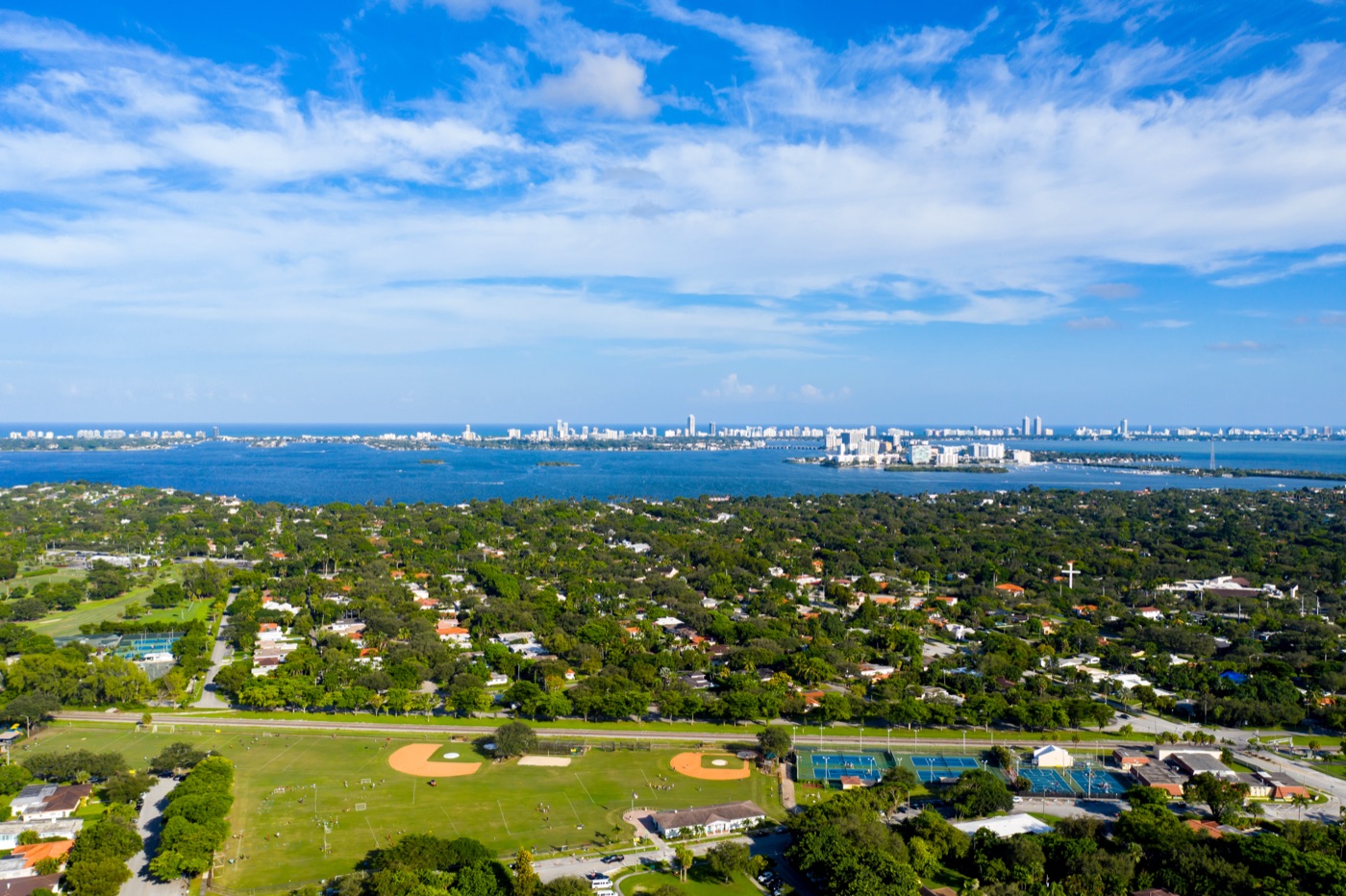
Owning a Miami condo that you are not living in full-time is like having a money machine that is turned off. Rental demand in Miami remains extremely strong in 2026, with average rents continuing to climb across neighborhoods like Brickell, Edgewater, and Doral. But before you list your unit, there are legal requirements, HOA rules, and practical steps you need to handle correctly. Alquilar tu condo puede ser muy rentable, pero hay que hacerlo bien desde el principio.
Step 1: Check Your HOA Rental Rules
This is the most important first step and the one most owners skip. Every Miami condo building has its own set of rental restrictions in the declaration of condominium and HOA bylaws. Some buildings allow rentals immediately after purchase. Others impose a waiting period of one to two years before new owners can rent. Many buildings limit the number of units that can be rented at any given time, creating a rental waitlist that can take months or even years.
Minimum lease terms vary widely. Some buildings require 12-month minimum leases, while others allow six-month or even 30-day rentals. A few buildings in tourist areas permit short-term rentals, but these are increasingly rare as HOA boards have cracked down on Airbnb-style activity. For the latest on short-term rental regulations, see our short-term rental rules guide.
Explore on rangelyadames.com
Step 2: Understand Your Legal Obligations
Florida landlord-tenant law governs your relationship with renters, and Miami-Dade County has additional local requirements. You must provide a written lease that complies with Florida Statute Chapter 83. Security deposits must be held in a separate Florida bank account, and you must notify the tenant in writing within 30 days of receiving the deposit, specifying the bank name, address, and whether the deposit is held in an interest-bearing or non-interest-bearing account. Failure to comply with deposit rules can result in you forfeiting your right to claim against the deposit.
You also need a Miami-Dade County local business tax receipt (formerly called an occupational license) if you are renting out property. If the unit will be rented for less than six months at a time, you must collect and remit Florida's transient rental tax and the local tourist development tax.
Consejo: Pricing Your Rental Correctly
Setting the right rental price is critical. Price too high and your unit sits vacant, costing you mortgage payments, HOA fees, and utilities with no income. Price too low and you leave money on the table every month. Research comparable rentals in your building and neighborhood. A one-bedroom condo in Brickell might command $2,800 to $3,500 per month in 2026, while a similar unit in Doral might rent for $2,200 to $2,800. Waterfront views, updated kitchens, and in-unit laundry can add $200 to $500 per month in premium.
Seasonality also matters. Miami's rental market peaks from November through April, when seasonal residents and tourists drive up demand. If your lease start date falls during this window, you can often command higher rent. El mercado de alquiler en Miami es estacional. Planifica el inicio de tu contrato durante la temporada alta para maximizar tus ingresos.

Step 3: Screen Tenants Thoroughly
Tenant screening is your best defense against late payments, property damage, and eviction headaches. Run a credit check, criminal background check, and eviction history search on every applicant. Verify employment and income (most landlords require monthly income of at least three times the rent). Call previous landlords to ask about payment history, property condition at move-out, and whether they would rent to this person again.
Remember that many Miami condo HOAs also have their own application and approval process for tenants. Some require interviews, background checks conducted by the association, and application fees. Build this timeline into your rental process, as HOA approval can take two to four weeks.
Step 4: Prepare the Unit
Before showing the unit, invest in making it move-in ready. Fresh paint in neutral colors, professional cleaning, and minor repairs go a long way. Document the condition of everything with dated photos and include a detailed move-in condition report that both you and the tenant sign. This protects you when it comes time to assess security deposit deductions. If your condo has smart home features, reset all accounts and make sure the tenant knows how to use them.
En Espanol: Preparacion para Alquilar
Antes de alquilar su condo, asegurese de tener todo en orden: revise las reglas de alquiler del HOA, obtenga su licencia de negocios local, prepare un contrato de arrendamiento que cumpla con la ley de Florida, y documente el estado de la unidad con fotos. Un poco de preparacion le ahorrara muchos dolores de cabeza en el futuro.
Self-Manage or Hire a Property Manager?
Property management companies in Miami typically charge 8% to 12% of monthly rent plus a leasing fee (often one month's rent) for finding a tenant. For a condo renting at $3,000 per month, that is $240 to $360 per month in management fees. The advantage is that they handle tenant communication, maintenance coordination, rent collection, and legal compliance. If you live out of state or out of the country, a property manager is almost always worth the cost.
If you self-manage, be prepared to be available for emergencies, handle repair requests promptly, and understand Florida eviction procedures if things go wrong. For tax implications of your rental income, review our property taxes guide. View available Miami rentals to see how other units in the market are priced, or browse the MLS search for comparable properties.
Related Articles
September 28, 2026 · 10 min read
Argentine Buyers Guide to Miami Real Estate: Process, Financing Themes, and Neighborhood Fit (2026)
Buying Miami real estate from Argentina is workable when you separate what your agent coordinates from what your attorney, CPA, and lender decide. This support guide walks through the process, financing themes, remote closing, and neighborhood fit, then points you to the Argentina foreign-buyer hub for next steps.
Read article →February 2026 · 9 min read
Aventura Real Estate Guide: Condos, Schools & Lifestyle (2026)
Luxury high-rises, top-rated schools, and the Aventura Mall — why families and investors love this North Miami suburb.
Read article →February 2026 · 9 min read
Airbnb Investment Properties in Miami: Rules, ROI & Best Areas
Short-term rental regulations, income projections, and the best Miami neighborhoods for Airbnb investing.
Read article →Ready to Rent Out Your Miami Condo?
I can help you price your unit, navigate HOA requirements, and connect you with trusted property managers. Let's get your condo earning.