How to Sell Your Condo in Miami: Pricing, Staging & Marketing Tips
By Rangely Adames • April 2026 • 10 min read
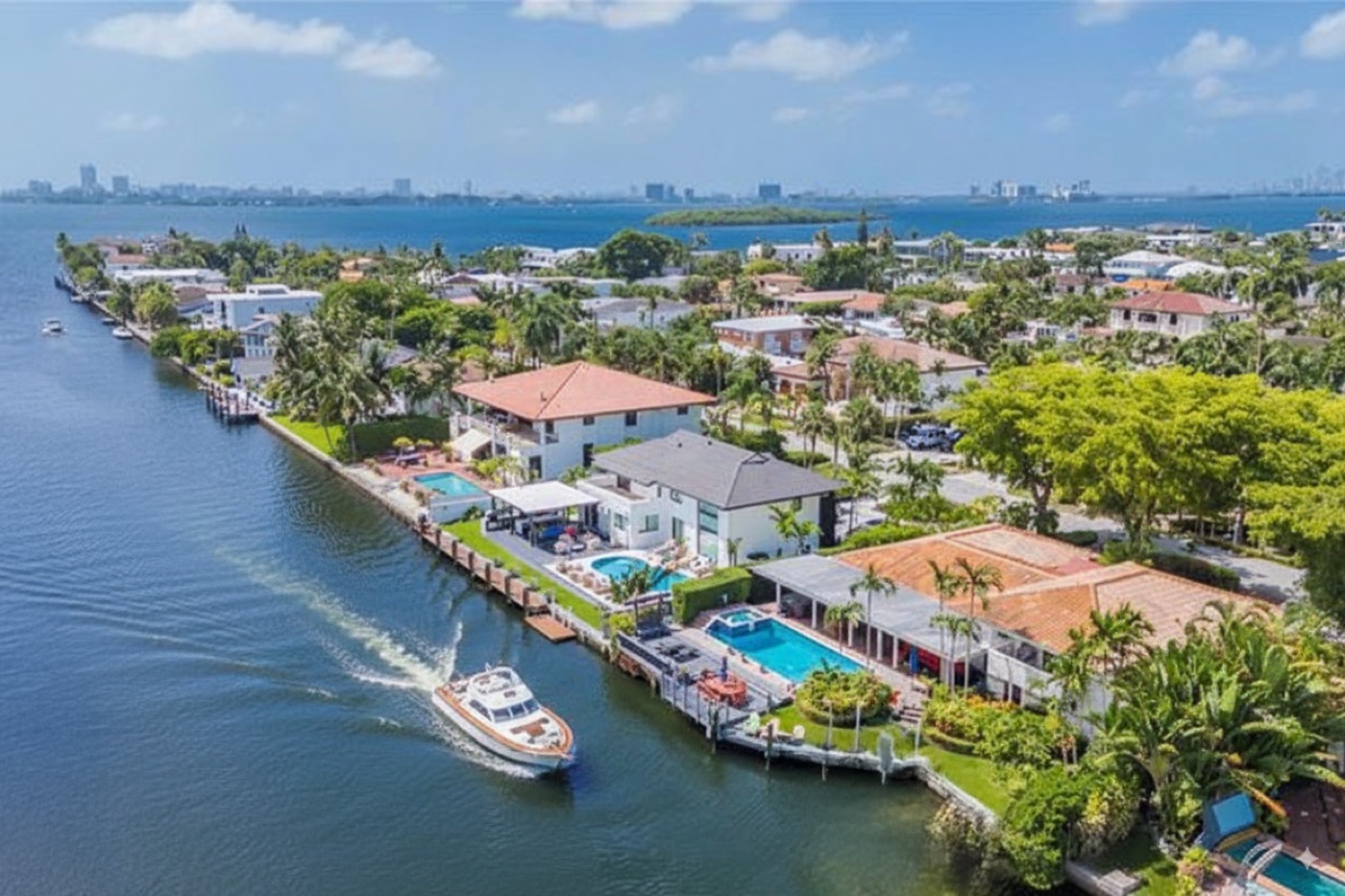
Selling a condo in Miami is a different game than selling a single-family home. Between HOA regulations, estoppel letters, buyer financing hurdles, and the sheer volume of competing units in many buildings, condo sellers need a targeted strategy to stand out and get top dollar. This guide walks you through every step of the process so you can sell with confidence.
If you want a personalized estimate of your condo's current value, start with our free home value tool. For a deeper dive into the selling process, read our complete seller's guide.
Understanding Condo-Specific Challenges
Condos come with complications that do not exist with single-family homes. The biggest challenge is that your condo does not exist in isolation. Your unit's value is directly influenced by the health of the building, the HOA's financial reserves, any pending special assessments, and the building's insurance and inspection status.
Since Florida's condo safety reforms following the Surfside tragedy, buildings three stories and taller must undergo milestone structural inspections and maintain adequate reserve funds. Buyers and their lenders now scrutinize these documents closely. If your building has deferred maintenance or underfunded reserves, it will affect your sale price and timeline.
Consejo: Antes de poner tu condominio en venta, revisa el estado financiero de la asociacion, los reportes de inspeccion estructural, y cualquier asesamiento especial pendiente. Estos documentos afectan directamente el interes de los compradores y su capacidad de obtener financiamiento.
Explore on rangelyadames.com
Estoppel Letters: What They Are and Why They Matter
An estoppel letter is a document from your HOA or condo association that confirms your account status: whether your assessments are current, any outstanding balances, pending special assessments, and any violations on your unit. The buyer's title company will require this document before closing.
Florida law caps estoppel fees at $250 for standard processing (10 business days) and allows expedited processing for an additional fee. Order your estoppel letter early in the listing process so you know exactly what it will say. If there are any outstanding balances or violations, resolve them before listing. Surprises during closing kill deals.
The estoppel letter also discloses the association's right of first refusal, which brings us to the next important topic.
HOA Approval and Right of First Refusal
Many Miami condo associations have a right of first refusal, meaning the association can choose to purchase the unit on the same terms as the buyer's offer, or they can approve or deny the buyer. While outright denials are rare, the approval process can take 30-60 days in some buildings, which extends your closing timeline.
Some associations also require buyer interviews or application packages with financial documentation. Luxury buildings in Brickell and Miami Beachare more likely to have stringent approval processes. Know your building's requirements before you list so you can set accurate expectations with buyers.
Pricing Strategy: Getting It Right
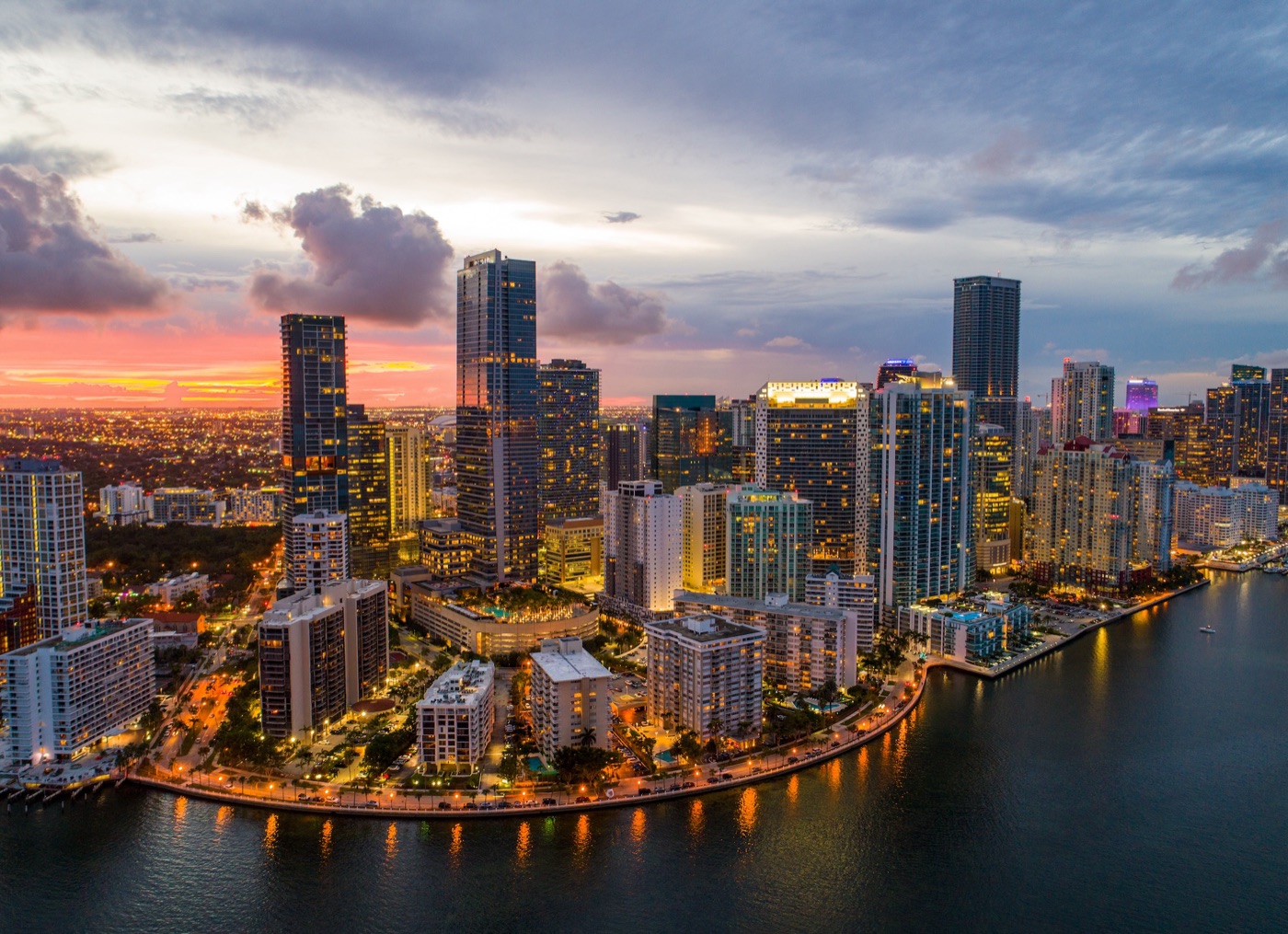
Pricing a condo correctly is critical because buyers have abundant comparable data. In a building with 200 units, there may be 5-10 active listings and dozens of recent sales to compare against. Overpricing by even 5% can result in your listing sitting while competing units sell around you.
Start with the comps: Look at closed sales in your building over the past 6-12 months. Focus on units with similar floor plans, floor levels, and views. A corner unit with a bay view commands a premium over an interior-facing unit on a lower floor, even in the same building.
Factor in your upgrades:Renovated kitchens and bathrooms can add 5-10% to your unit's value relative to non-renovated comps, but only if the finishes are current and tasteful. Outdated renovations from 10+ years ago may not command any premium.
Check the competition: Review every active listing in your building and nearby buildings. If three similar units are listed at $450,000 and you price at $475,000, you are making those other units look like better deals. Price competitively from day one. The first two weeks of a listing generate the most showing activity and the strongest offers.
En Espanol: El precio correcto es el factor mas importante en la venta de un condominio. Un precio demasiado alto ahuyenta compradores y hace que las unidades competidoras se vean mas atractivas. Mejor salir al mercado competitivo y generar multiples ofertas.
Staging Your Condo for Maximum Impact
Staging is especially important for condos because the spaces tend to be smaller and buyers need to see how the layout works. A well-staged condo feels larger, brighter, and more inviting than a vacant or cluttered one.
Declutter aggressively: Remove at least 50% of your personal items, knick-knacks, and excess furniture. In a condo, every square foot matters. Open space makes rooms feel bigger.
Maximize natural light: Open all blinds and curtains. Replace any dim light bulbs with bright, warm-white LED bulbs. Miami buyers expect light and bright spaces. Dark condos sell slower and for less money.
Neutralize the palette: If your walls are bold colors, repaint in a soft white or light gray. This costs $500-$1,500 for a typical condo and consistently delivers a strong return on investment.
Stage the balcony: In Miami, outdoor space is a selling point. A clean balcony with a small bistro table and plants shows buyers the lifestyle they are buying. A cluttered or neglected balcony is a missed opportunity.
Address the kitchen and bathrooms: These two areas drive buying decisions. Deep clean everything. Replace outdated hardware, faucets, and light fixtures if needed. Consider refinishing or painting dated cabinets. These small investments can yield thousands in return.
Marketing Your Condo in 2026
Professional photography is non-negotiable. In Miami's competitive condo market, listings with professional photos get 3-5 times more online views than those with phone photos. Include drone shots of the building exterior and amenities, as well as twilight photos if your unit has a notable view.
Virtual tours and video walkthroughs are increasingly important for out-of-state and international buyers, who represent a significant portion of Miami's condo market. A well-produced 3D tour lets buyers explore the unit remotely and generates serious inquiries rather than casual lookers.
Targeted digital advertising reaches buyers where they are searching. I run campaigns across MLS syndication, social media platforms, and international real estate portals to ensure maximum exposure. For condos, I also target specific buyer demographics based on the building's profile, such as investors for rental-friendly buildings or retirees for amenity-rich communities.
Highlight what makes your building special: pool, gym, concierge, pet policy, proximity to restaurants and nightlife, walkability, and transit access. Buyers are not just buying a unit. They are buying a building and a lifestyle.
Buyer Financing: A Condo-Specific Hurdle
Not all condo buildings are approved for conventional or FHA financing. If your building lacks Fannie Mae or FHA approval, buyers may need to pay cash or obtain non-warrantable condo financing, which typically requires larger down payments (25-30%) and higher interest rates. This significantly narrows your buyer pool.
Check your building's financing status before listing. If the building is not Fannie Mae approved, price accordingly and target your marketing toward cash buyers and investors. Buildings with strong reserves, current inspections, and adequate insurance are more likely to maintain their financing approvals.
Related Articles
September 28, 2026 · 10 min read
Argentine Buyers Guide to Miami Real Estate: Process, Financing Themes, and Neighborhood Fit (2026)
Buying Miami real estate from Argentina is workable when you separate what your agent coordinates from what your attorney, CPA, and lender decide. This support guide walks through the process, financing themes, remote closing, and neighborhood fit, then points you to the Argentina foreign-buyer hub for next steps.
Read article →February 2026 · 9 min read
Aventura Real Estate Guide: Condos, Schools & Lifestyle (2026)
Luxury high-rises, top-rated schools, and the Aventura Mall — why families and investors love this North Miami suburb.
Read article →February 2026 · 9 min read
Airbnb Investment Properties in Miami: Rules, ROI & Best Areas
Short-term rental regulations, income projections, and the best Miami neighborhoods for Airbnb investing.
Read article →Ready to Sell Your Miami Condo?
Get a free market analysis and customized selling strategy for your unit. I'll show you what your condo is worth and how to maximize your sale price.