Miami Real Estate Market Cycles: Lessons from 2008 to 2026
By Rangely Adames • April 2026 • 9 min read
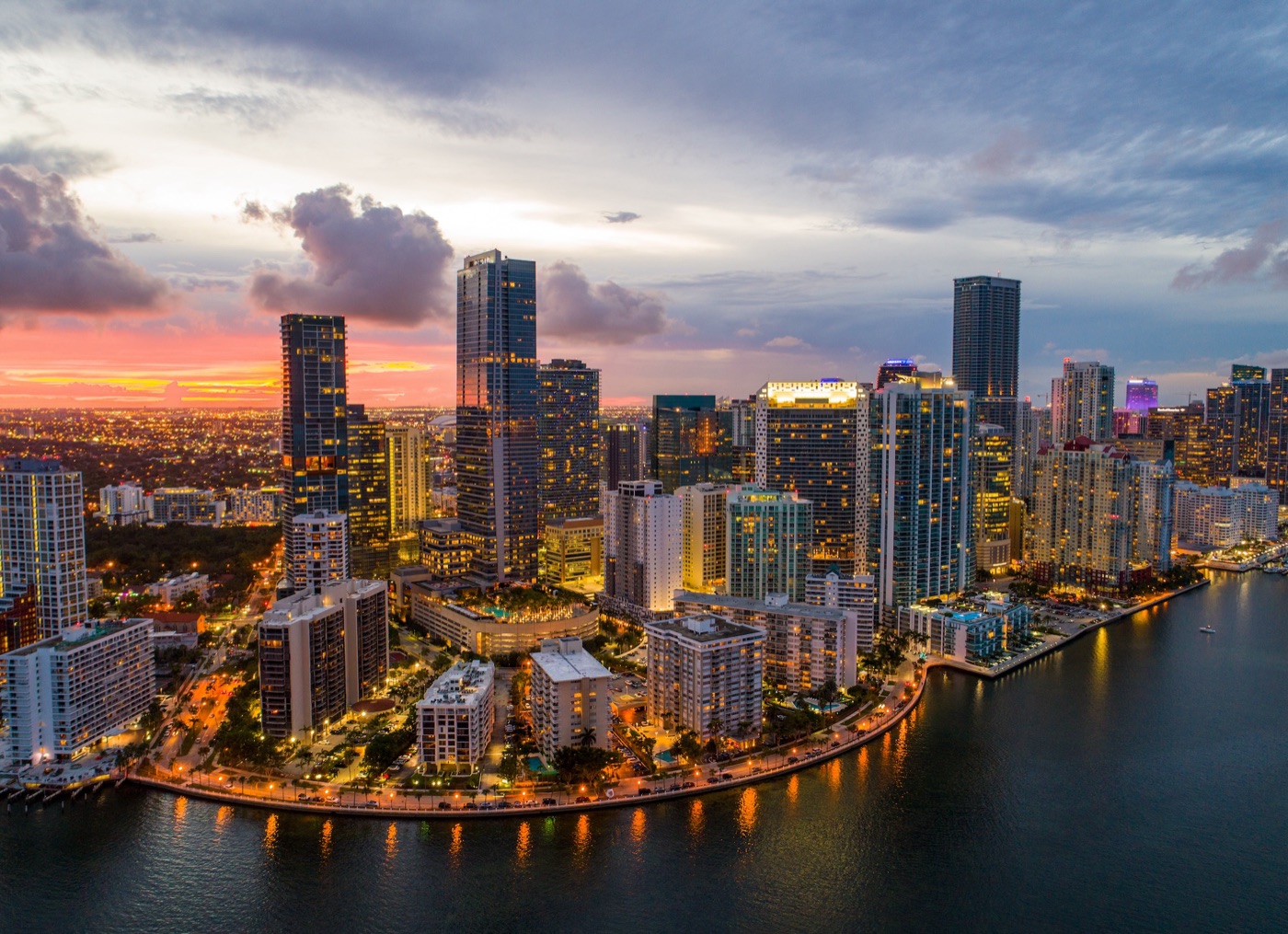
Real estate is cyclical, and no market in America demonstrates this more dramatically than Miami. The city has experienced spectacular booms and devastating busts, and understanding these cycles is essential for anyone buying, selling, or investing in South Florida real estate today. By studying what happened in the past, we can make more informed decisions about the future. Here is a look at Miami's real estate cycles from 2008 through 2026 and the lessons they teach us.
Consejo: El mercado inmobiliario de Miami es ciclico, pero cada ciclo es diferente. No tomes decisiones basadas solo en lo que paso la ultima vez. Analiza los datos actuales y las condiciones economicas de hoy.
The 2003-2006 Boom: Irrational Exuberance
To understand the 2008 crash, you have to understand the boom that preceded it. Between 2003 and 2006, Miami experienced one of the most aggressive real estate bubbles in American history. Condo prices doubled or tripled in some neighborhoods. Speculators were flipping preconstruction contracts for 50% profits in months. Mortgage lenders offered no-documentation loans to buyers who had no ability to repay them. At the peak, there were over 65,000 condo units in the development pipeline across Miami-Dade County.
The warning signs were everywhere: prices disconnected from rents and incomes, inventory growing faster than demand, and lending standards at historic lows. But the market was fueled by easy credit and speculative frenzy, and it felt like prices could only go up.
Explore on rangelyadames.com
The 2007-2011 Crash: Miami's Real Estate Reckoning
When the bubble burst, Miami was ground zero. Home prices fell 50-60% from their 2006 peaks. Condo values in some buildings dropped 70%. Foreclosures flooded the market, with Miami-Dade recording over 50,000 foreclosure filings in 2009 alone. Entire condo towers sat half-empty, and developers walked away from unfinished projects. The median home price in Miami-Dade fell from $370,000 in 2006 to $150,000 in 2011.
The crash was devastating for homeowners who had bought at the peak, but it created extraordinary opportunities for investors who had the capital and conviction to buy distressed assets. Cash buyers from Latin America, in particular, scooped up foreclosed condos and homes at deep discounts.
The 2012-2019 Recovery: Stronger Foundations
Miami's recovery began in 2012 and accelerated through 2019. International cash buyers led the way, purchasing distressed properties and stabilizing prices. Developers returned with a new approach, requiring significant deposits (50% or more) from preconstruction buyers, ensuring that only committed purchasers entered the market. Lending standards tightened dramatically, and the percentage of cash transactions in Miami remained well above the national average.
By 2019, Miami's median home price had recovered to $340,000, still below the 2006 peak when adjusted for inflation. The recovery was real but measured, built on stronger fundamentals than the previous boom. For a deeper look at current pricing trends, read our Miami market report.
The 2020-2023 Surge: Pandemic-Driven Demand
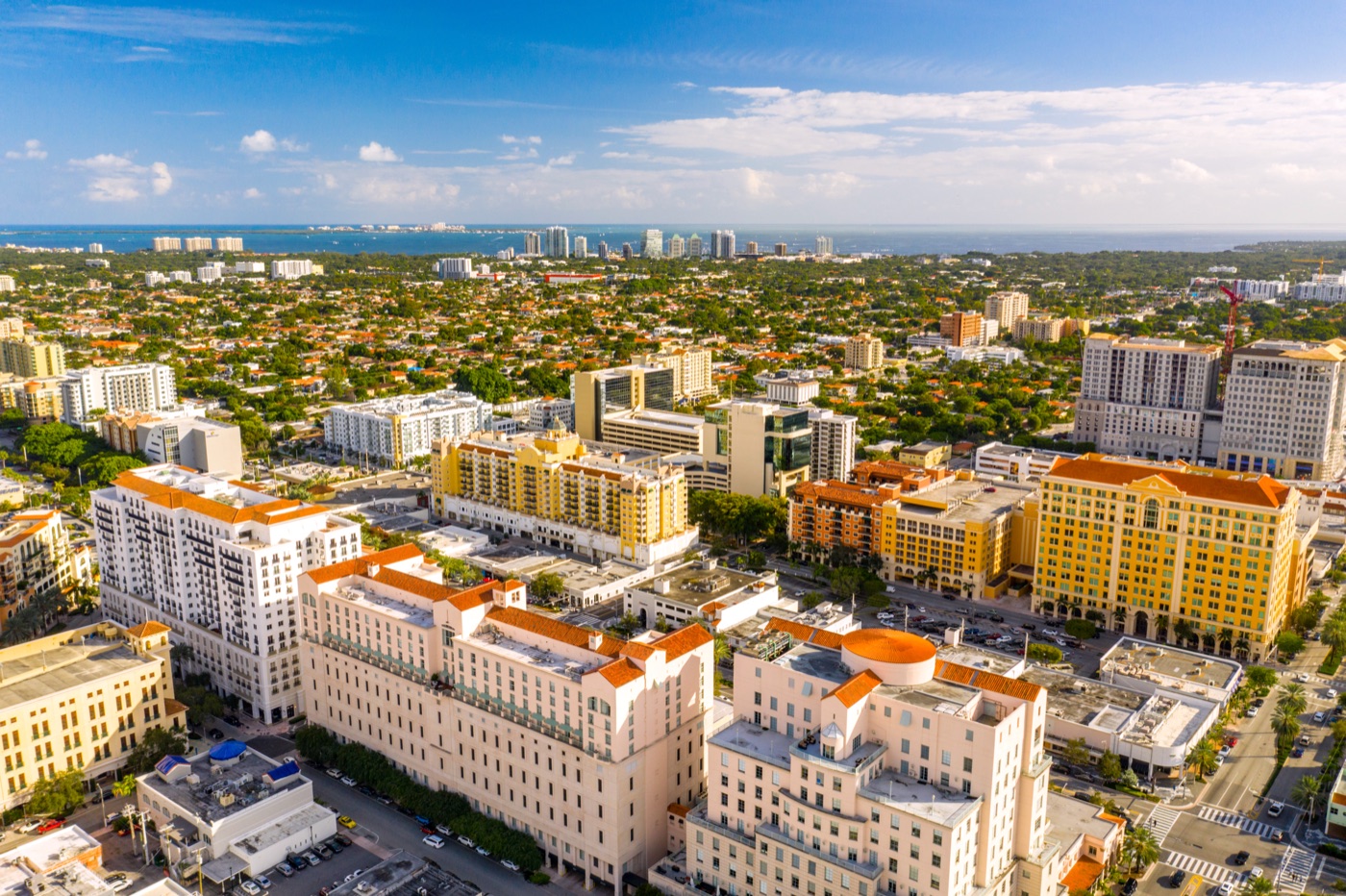
En Espanol: La pandemia cambio todo para Miami. El trabajo remoto, los impuestos bajos de Florida y el deseo de mas espacio trajeron una ola de compradores de Nueva York, California y el noreste. Los precios subieron un 30-50% en solo dos anos en muchas zonas. Barrios como Coconut Grove, Coral Gables y Brickell vieron competencia feroz por cada propiedad disponible.
The pandemic migration supercharged Miami's market. Remote workers, hedge fund managers, and tech entrepreneurs poured in, bringing high incomes and equity from more expensive markets. Single-family homes saw the most dramatic appreciation, with some neighborhoods recording 40-50% gains between 2020 and 2023. The Brickell condo market, initially slower to recover, roared back as office workers returned to the financial district.
2024-2026: Where Are We Now?
As of early 2026, Miami's market has entered a period of normalization. The frenzied bidding wars of 2021-2022 have subsided, inventory has increased from historic lows, and price growth has moderated to 3-6% annually depending on the neighborhood and property type. This is not a downturn. It is a healthy correction toward sustainable growth after an extraordinary period of appreciation.
Key indicators suggest the current market is fundamentally different from 2006. Lending standards remain tight, cash purchases still represent over 40% of transactions, and Miami's economic base has diversified with the arrival of major tech companies, financial firms, and corporate relocations. Unlike 2006, demand is driven by end-users and long-term investors rather than speculators flipping contracts.
Lessons for Today's Buyers and Investors
Lesson 1: Buy for the long term. Every Miami market cycle has rewarded patient, long-term holders. Even buyers who purchased at the 2006 peak have recovered their investment and gained equity if they held through the downturn. Real estate wealth in Miami is built over decades, not months.
Lesson 2: Cash is king in downturns. During every correction, cash buyers have the greatest advantage. They can close quickly, negotiate the deepest discounts, and avoid the risk of tightening lending standards. If you are considering investment purchases, having cash reserves or pre-approved financing is essential.
Lesson 3: Location outlasts cycles. Waterfront properties, homes near top schools, and properties in established neighborhoods like Coral Gables and Coconut Grove recover faster and appreciate more over full market cycles. The best locations are resilient because demand for them never fully goes away.
Consejo: No intentes predecir el fondo del mercado. En lugar de eso, compra propiedades bien ubicadas a precios razonables y planea mantenerlas por al menos 7-10 anos. El tiempo en el mercado siempre gana al intento de cronometrar el mercado.
Ready to explore today's market? Browse our MLS search for current listings, check our buyer's guide for step-by-step purchasing advice, or use our mortgage calculator to understand your buying power.
Related Articles
September 28, 2026 · 10 min read
Argentine Buyers Guide to Miami Real Estate: Process, Financing Themes, and Neighborhood Fit (2026)
Buying Miami real estate from Argentina is workable when you separate what your agent coordinates from what your attorney, CPA, and lender decide. This support guide walks through the process, financing themes, remote closing, and neighborhood fit, then points you to the Argentina foreign-buyer hub for next steps.
Read article →February 2026 · 9 min read
Aventura Real Estate Guide: Condos, Schools & Lifestyle (2026)
Luxury high-rises, top-rated schools, and the Aventura Mall — why families and investors love this North Miami suburb.
Read article →February 2026 · 9 min read
Airbnb Investment Properties in Miami: Rules, ROI & Best Areas
Short-term rental regulations, income projections, and the best Miami neighborhoods for Airbnb investing.
Read article →Navigate Miami's Market With Confidence
Understanding market cycles is the foundation of smart real estate decisions. Let me help you buy or invest at the right time and in the right location.