Miami vs. Fort Lauderdale: Where to Invest in Real Estate (2026)
By Rangely Adames • April 2026 • 9 min read
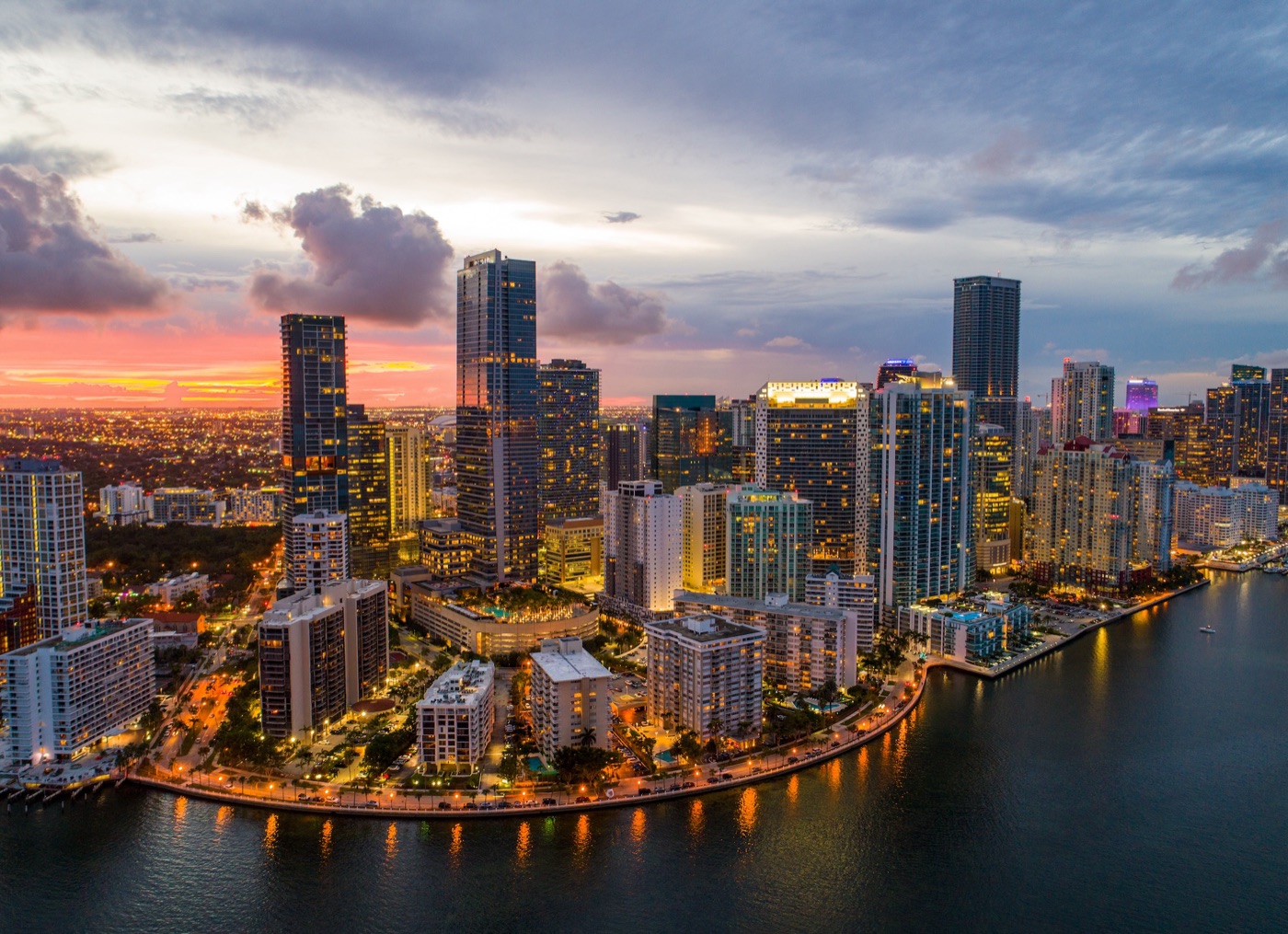
South Florida real estate investors inevitably face this question: Miami or Fort Lauderdale? Both cities sit along the Atlantic coast, enjoy the same tropical climate, and benefit from Florida's tax-friendly environment. But beneath the surface, the two markets differ in pricing, rental dynamics, tenant demographics, and growth trajectories. This article provides a side-by-side comparison to help you decide where your investment dollars will work hardest.
Price Comparison
Miami commands a premium. The median single-family home price in Miami-Dade County is approximately $590,000, compared to $480,000 in Broward County (which includes Fort Lauderdale). For condos, the gap is even wider. Miami's median condo price is around $400,000 versus $280,000 in Broward.
Within each market, prices vary dramatically by neighborhood. A Brickell condo costs roughly 2x what a comparable unit in Fort Lauderdale's Flagler Village costs. Conversely, waterfront single-family homes along Fort Lauderdale's Intracoastal canals and Las Olas can rival Miami prices, often exceeding $2 million.
For investors, the lower entry price in Fort Lauderdale means you can acquire more units (or larger properties) for the same capital. A $1 million budget might get you two rental condos in Fort Lauderdale versus one in Brickell.
Explore on rangelyadames.com
Rental Yield Comparison
Lower purchase prices generally translate to higher rental yields, and Fort Lauderdale follows this pattern. Gross rental yields in Fort Lauderdale average 6.0-7.0% for well-located properties, compared to 5.0-6.0% in Miami. The difference comes down to the price-to-rent ratio: Fort Lauderdale rents have kept pace with Miami rents in many categories while purchase prices remain lower.
A 1-bedroom condo in Fort Lauderdale's downtown area might cost $280,000 and rent for $2,000/month (8.6% gross yield). A comparable unit in Brickell costs $550,000 and rents for $2,800/month (6.1% gross yield). The Fort Lauderdale unit generates meaningfully better cash flow.
However, Miami's short-term rental market adds a wildcard. Properties that can legally operate as short-term rentals (particularly in Miami Beach and parts of Downtown) can command nightly rates of $150-$400+, pushing effective yields above what annual rentals produce. Fort Lauderdale also allows short-term rentals in most areas, but nightly rates are typically 15-25% lower than comparable Miami locations.
Appreciation and Growth Trajectory
Miami has historically outpaced Fort Lauderdale in price appreciation, driven by stronger international demand, more new luxury development, and the city's global brand recognition. Over the past five years, Miami-Dade home values have appreciated approximately 55%, compared to about 45% in Broward County.
Looking forward, the gap may narrow. Fort Lauderdale is experiencing a development boom of its own, with new towers rising along the beach, the Las Olas corridor, and the Flagler Village arts district. The Brightline high-speed rail station in downtown Fort Lauderdale has become a catalyst for surrounding development, making the area more attractive to Miami-based workers who want more space and lower costs while maintaining an easy commute.
Miami's appreciation upside remains strongest in emerging neighborhoods like Wynwood, Edgewater, and the Design District, where significant development is still underway. Fort Lauderdale's growth story is concentrated in its downtown core, Flagler Village, and the beach area where older buildings are being replaced by luxury towers.
Lifestyle Differences
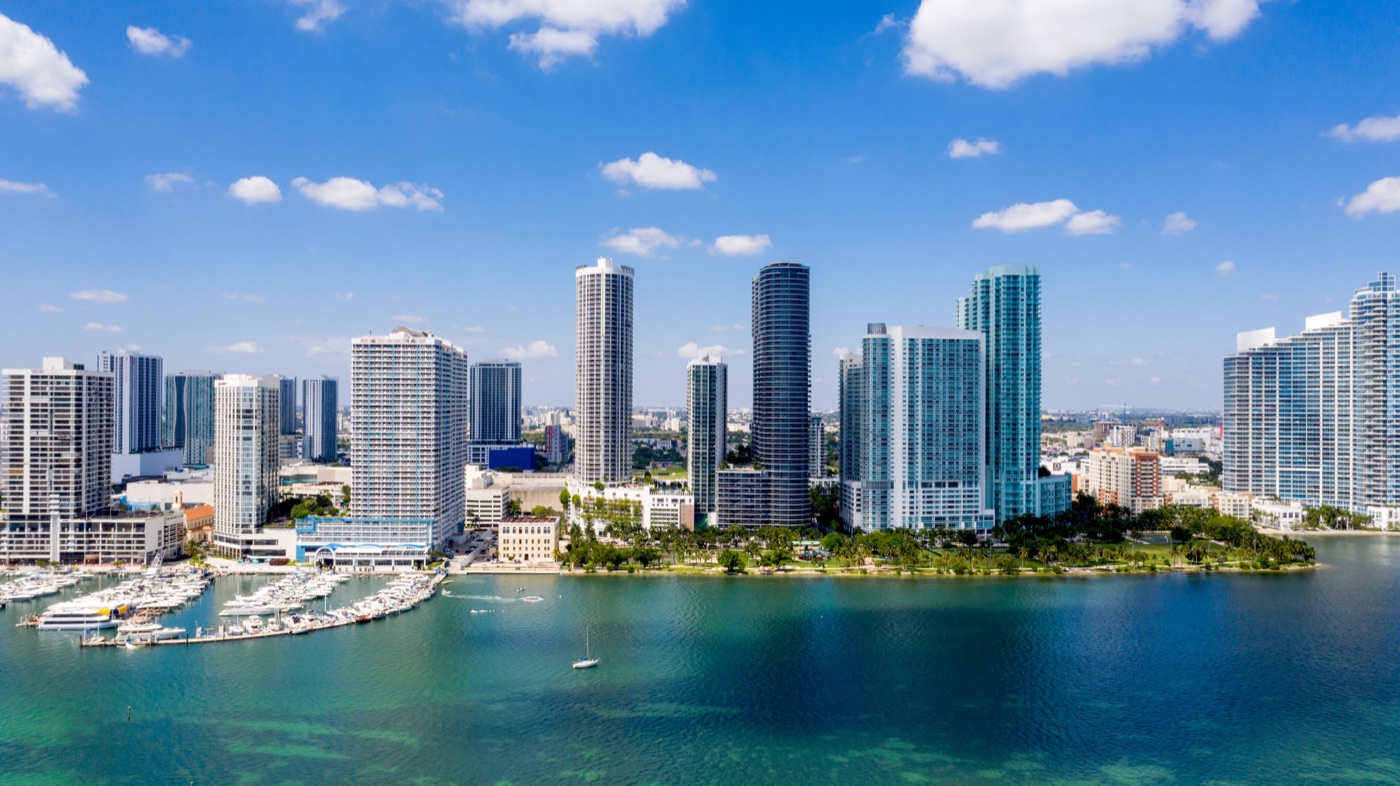
The lifestyle difference between Miami and Fort Lauderdale matters because it determines your tenant pool. Miami attracts a more international, fast-paced, nightlife-oriented crowd. Tenants in Brickell and Miami Beach tend to be younger professionals, corporate relocators, and international renters. Turnover can be higher, but demand is deep.
Fort Lauderdale draws a slightly older, more settled demographic. The city's boating culture, quieter beaches, and more relaxed vibe appeal to professionals, small business owners, and retirees. The LGBTQ+ community has a strong presence, particularly in Wilton Manors and the Victoria Park area. Tenants in Fort Lauderdale tend to stay longer, which reduces vacancy and turnover costs.
Fort Lauderdale also has advantages in daily quality of life for residents: less traffic congestion than Miami, easier beach access, and more affordable dining and entertainment. These factors make it attractive for investors who plan to live in or near their investment properties.
Insurance and Operating Costs
Insurance costs are comparable between the two markets, as both face similar hurricane and flood risks. Property taxes in Broward County are slightly higher than Miami-Dade, approximately 2.1% of assessed value versus 1.9%. This difference is relatively minor but compounds over time.
HOA fees in Miami's newer luxury towers tend to be higher than Fort Lauderdale equivalents, sometimes by $200-$400/month for comparable amenities. This is partly driven by Miami's more expensive insurance environment for high-rise buildings and the premium amenity packages (pools, gyms, concierge) that Miami developers offer.
Which Is Better for Which Type of Investor?
Cash flow investors: Fort Lauderdale wins. Lower entry prices, solid rents, and longer tenant stays create better monthly income. Focus on downtown condos, Victoria Park single-family homes, or Flagler Village apartments.
Appreciation investors: Miami wins. Stronger international demand, brand recognition, and ongoing development in neighborhoods like Wynwood and Edgewater drive faster price growth. The premium you pay at entry is offset by stronger long-term gains.
Short-term rental investors:Miami has the edge due to higher nightly rates and year-round tourist demand, but Fort Lauderdale's more lenient STR regulations and lower purchase prices make it competitive on a yield basis.
International investors:Miami is the clear choice. The city's international infrastructure, including bilingual services, international banks, consulates, and direct flights, makes it far easier for foreign buyers to purchase and manage property.
First-time investors: Fort Lauderdale offers a more forgiving entry point. You can learn the landlord business with a lower capital outlay and simpler management dynamics. Once you build experience and equity, scaling into Miami makes strategic sense.
The Bottom Line
There is no wrong answer between Miami and Fort Lauderdale. Both are strong South Florida markets with distinct advantages. The best choice depends on your investment strategy, budget, and risk tolerance. Many of my clients own properties in both markets, using Fort Lauderdale for cash flow and Miami for appreciation, creating a diversified South Florida portfolio. Explore our Miami investment property listings to start your search.
Related Articles
September 28, 2026 · 10 min read
Argentine Buyers Guide to Miami Real Estate: Process, Financing Themes, and Neighborhood Fit (2026)
Buying Miami real estate from Argentina is workable when you separate what your agent coordinates from what your attorney, CPA, and lender decide. This support guide walks through the process, financing themes, remote closing, and neighborhood fit, then points you to the Argentina foreign-buyer hub for next steps.
Read article →February 2026 · 9 min read
Aventura Real Estate Guide: Condos, Schools & Lifestyle (2026)
Luxury high-rises, top-rated schools, and the Aventura Mall — why families and investors love this North Miami suburb.
Read article →February 2026 · 9 min read
Airbnb Investment Properties in Miami: Rules, ROI & Best Areas
Short-term rental regulations, income projections, and the best Miami neighborhoods for Airbnb investing.
Read article →Need Help Choosing Between Miami and Fort Lauderdale?
Contact Rangely for a personalized investment strategy session covering both markets.