Snowbird Guide to Miami Real Estate: Buy, Rent or Both?
By Rangely Adames • April 2026 • 9 min read
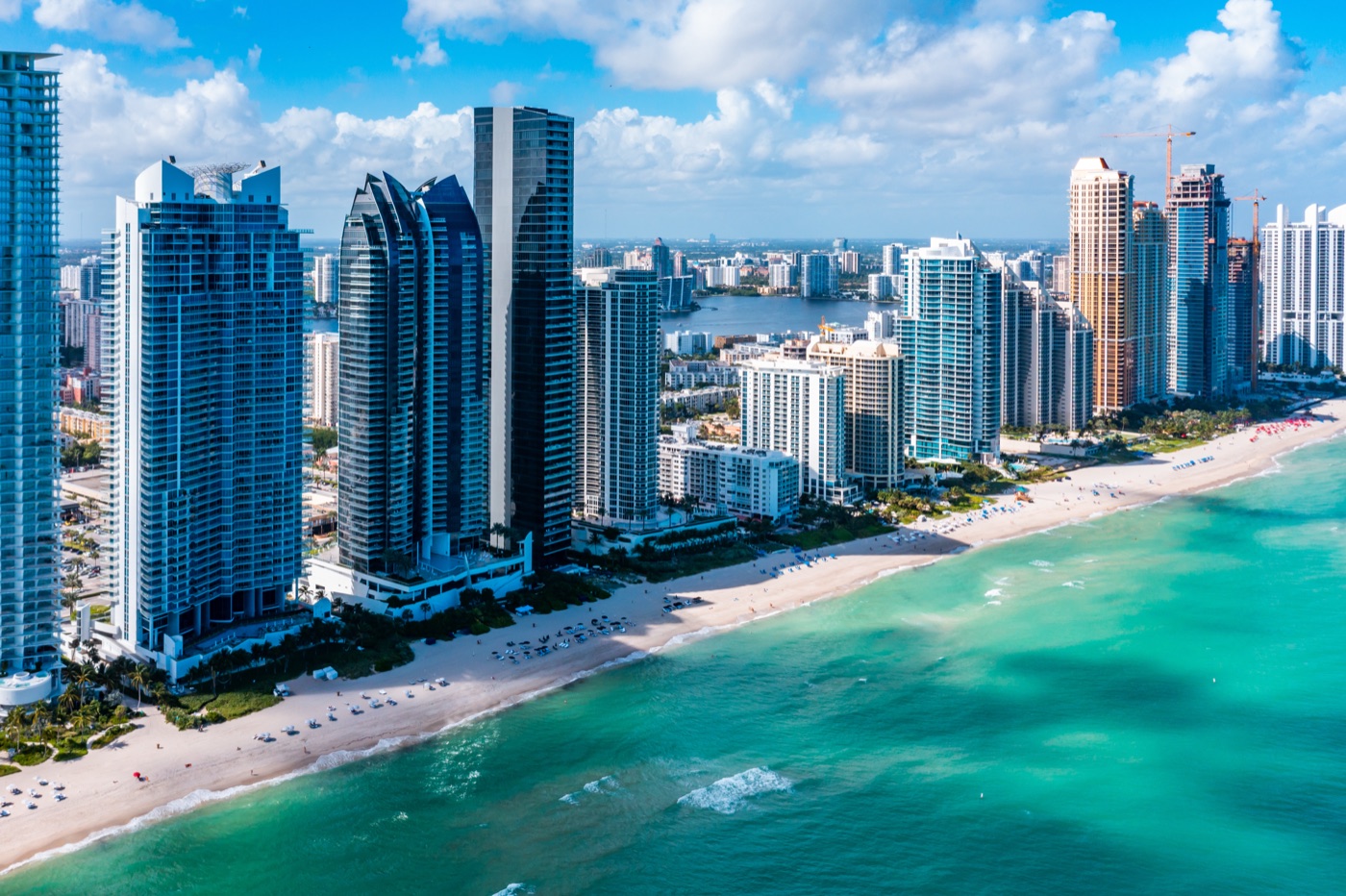
Every year, hundreds of thousands of Americans head south when the temperatures drop, and Miami remains one of the most popular destinations. If you are tired of paying $3,000 to $5,000 per month for a seasonal rental and wondering whether buying makes more sense, you are not alone. This guide walks through the real math, the best neighborhoods for snowbirds, and the strategies that let you enjoy Miami winters while making smart financial decisions.
The Buy vs. Rent Math for Snowbirds
A typical seasonal rental in Miami runs $3,000 to $6,000 per month for a furnished one or two-bedroom condo in a desirable area. If you rent for five months (November through March), you are spending $15,000 to $30,000 annually. Over five years, that is $75,000 to $150,000 with nothing to show for it except memories.
Buying a $500,000 condo with 20% down means a mortgage payment of roughly $2,500 to $2,800 per month including HOA, taxes, and insurance. That is $30,000 to $34,000 per year in carrying costs. If you rent the unit for even three to four months during the summer at $2,500 to $3,500 per month, you offset $7,500 to $14,000 of those costs. Use our mortgage calculator to run your own numbers.
Consejo: Al comparar comprar versus alquilar, no olvides incluir la apreciacion del inmueble. Miami ha promediado 5-7% de apreciacion anual en la ultima decada, lo que puede convertir tu casa de invierno en una inversion rentable.
Explore on rangelyadames.com
Best Neighborhoods for Snowbirds
Miami Beach and South Beach: The classic snowbird destination. Walk to restaurants, shops, and the beach. Older Art Deco buildings offer lower price points, though many require more maintenance. Browse Miami Beach condos.
Sunny Isles Beach: A more residential feel than South Beach with stunning oceanfront towers. Strong Russian and Latin American communities create a cosmopolitan atmosphere. Seasonal rental demand is excellent because of the beach proximity and proximity to Aventura Mall.
Coconut Grove: A quieter, tree-lined alternative for snowbirds who want walkability and charm without the beach scene. Close to Coral Gables dining and the University of Miami. The Grove has a loyal seasonal community that returns year after year.
Key Biscayne: The island experience without leaving Miami-Dade. Quiet, safe, beautiful beaches, and a small-town feel. Prices are higher, but the lifestyle is unmatched for snowbirds who want relaxation. See our current listings across all these neighborhoods.
The Hybrid Strategy: Buy and Rent
The smartest snowbird strategy is often buying a property you love for the winter months and renting it out the rest of the year. This works best in buildings that allow monthly rentals (not just annual leases). Many Miami condo buildings have rental restrictions, commonly limiting to two or four rentals per year with a minimum 30-day or 6-month lease term. Before you buy, I always verify the condo docs for rental rules.
When executed well, summer rental income can cover 40-60% of your annual carrying costs, effectively giving you five months of free winter living. If the property also appreciates, you are building equity while enjoying your retirement. For more on rental income expectations, read our Miami condo rental income guide.

En Espanol: Guia Para Compradores de Temporada
Muchos compradores de temporada vienen de paises latinoamericanos o son hispanos que viven en el norte de Estados Unidos. Si ese es tu caso, hay algunas consideraciones adicionales. Primero, asegurate de que el edificio tenga personal que hable espanol, ya que sera mas facil comunicarse sobre mantenimiento y paquetes cuando no estes presente. Segundo, considera la cercania a aeropuertos, ya que viajar frecuentemente entre dos ciudades requiere acceso conveniente al MIA o FLL.
Furnishing and Preparing Your Snowbird Home
If you plan to rent the property during off-months, invest in durable, attractive furnishings that appeal to renters. Budget $8,000 to $15,000 for a complete furniture package for a one or two-bedroom condo. Store personal items in a locked closet when renters are present. Install a smart thermostat to monitor AC remotely, because in Miami, a broken AC unit in an unoccupied condo can lead to mold within days.
Tax Implications for Snowbirds
Florida has no state income tax, which is a major draw. However, snowbirds who maintain a primary residence in another state still pay taxes there. To establish Florida residency and escape state income taxes, you generally need to spend more than 183 days in Florida and declare it as your domicile. This is worth exploring with your tax advisor. Review our property taxes guide for more on how Florida taxes affect homeowners.
Ready to find your winter home? Explore our MLS search for snowbird-friendly condos or check preconstruction options that will be ready for next winter season.
Related Articles
September 28, 2026 · 10 min read
Argentine Buyers Guide to Miami Real Estate: Process, Financing Themes, and Neighborhood Fit (2026)
Buying Miami real estate from Argentina is workable when you separate what your agent coordinates from what your attorney, CPA, and lender decide. This support guide walks through the process, financing themes, remote closing, and neighborhood fit, then points you to the Argentina foreign-buyer hub for next steps.
Read article →February 2026 · 9 min read
Aventura Real Estate Guide: Condos, Schools & Lifestyle (2026)
Luxury high-rises, top-rated schools, and the Aventura Mall — why families and investors love this North Miami suburb.
Read article →February 2026 · 9 min read
Airbnb Investment Properties in Miami: Rules, ROI & Best Areas
Short-term rental regulations, income projections, and the best Miami neighborhoods for Airbnb investing.
Read article →Ready to Find Your Winter Home in Miami?
Rangely specializes in helping snowbirds find the perfect seasonal or year-round property in Miami.