Hurricane Preparedness for Miami Homeowners: Protect Your Property
By Rangely Adames • April 2026 • 9 min read
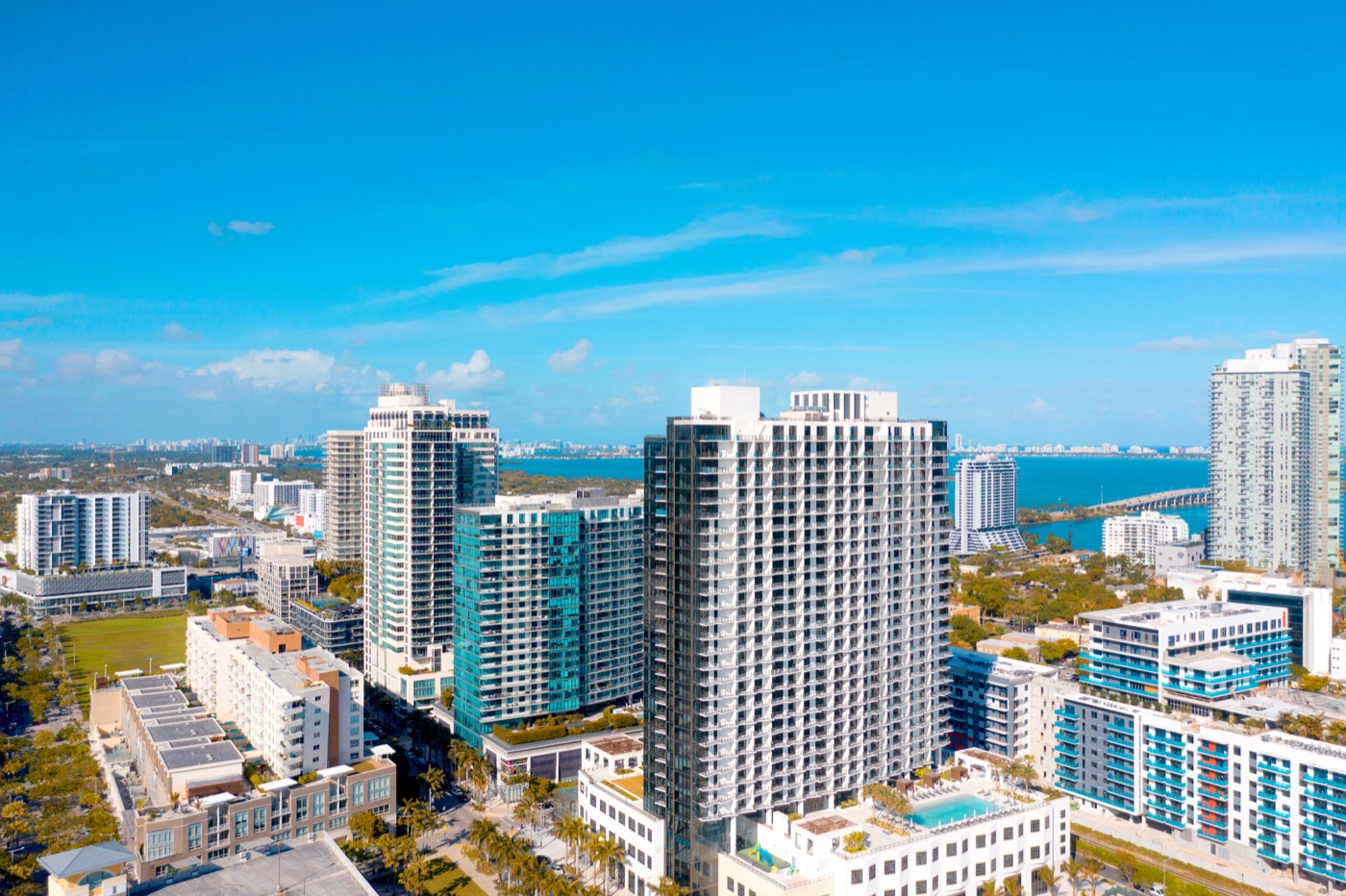
Living in Miami means living with hurricane season. From June 1 through November 30, the Atlantic basin can produce storms that threaten South Florida. While Miami has not taken a direct hit from a major hurricane since Irma in 2017, the risk is always present. Whether you are a new homeowner or a longtime resident, preparing your property and your family before a storm approaches is essential. This guide covers everything from physical home protection to insurance requirements to emergency planning.
Consejo: No esperes a que se anuncie una tormenta para prepararte. Los suministros se agotan rapidamente, los instaladores de tormenteras estan ocupados, y las polizas de seguro no se pueden comprar una vez que se emite un aviso de huracan. Preparate en mayo, antes de que comience la temporada.
Protecting Your Windows and Doors
The most important step in hurricane-proofing your home is protecting every window and door opening. Flying debris during a hurricane can shatter unprotected glass, allowing wind and rain to enter your home and cause catastrophic structural damage. Your options include:
Impact-resistant windows and doors: These are the gold standard. Impact glass can withstand the force of a large missile impact (a 2x4 lumber traveling at 34 mph in the large missile test) and remain intact. They provide 24/7 protection without any action required when a storm approaches. Cost: $500-$1,500 per window installed. A full home retrofit runs $15,000-$40,000+ but adds significant value and reduces insurance premiums.
Accordion shutters: Permanently mounted beside each opening and fold closed when needed. They are durable, relatively affordable ($15-$25 per square foot installed), and can be deployed in 15-30 minutes. One of the most popular options for Miami homeowners.
Roll-down shutters: Motor-operated shutters that roll down from a housing above the window. They are the most convenient option after impact windows, and many can be operated with a switch or remote. Cost: $25-$45 per square foot installed.
Panel shutters: Removable aluminum or steel panels that bolt over windows. They are the most affordable option ($7-$15 per square foot) but require storage space and 1-3 hours to install. They are effective when properly installed.
Explore on rangelyadames.com
Roof Preparation
Your roof is your home's first line of defense against a hurricane. Before hurricane season, inspect for loose or missing tiles and shingles, clear gutters and downspouts, trim tree branches that overhang the roof, and ensure the roof-to-wall connections are up to code. If your roof is older than 15 years, consider a professional roof inspection ($200-$400). Homes built after 2002 in Miami-Dade are required to have enhanced roof-to-wall connections (hurricane straps or clips), but older homes may only have toe-nail connections, which are far weaker. Retrofitting with hurricane straps costs $1,500-$3,000 and can significantly reduce your insurance premium. Check our home inspection checklist for what to look for.
Hurricane Insurance: What You Need
Standard homeowner's insurance in Florida covers wind damage from hurricanes. However, most policies have a separate hurricane deductible, typically 2%-5% of the home's insured value. On a home insured for $500,000, a 2% hurricane deductible means you pay the first $10,000 of any hurricane claim out of pocket. Make sure you understand your deductible before storm season.
Flood insurance is separate. Homeowner's insurance does not cover flooding, which is the most common type of hurricane damage. If your home is in a FEMA flood zone, your lender requires flood insurance. Even if it is not required, consider purchasing it. Storm surge and heavy rainfall during hurricanes can flood homes far from the coast. Read our flood zones and insurance guide for more details.
Wind mitigation inspection:This $75-$150 inspection documents your home's hurricane protection features (roof shape, roof-to-wall connections, opening protection) and can reduce your windstorm premium by 20-45%. Every homeowner should have one on file with their insurance company.
Generator Options
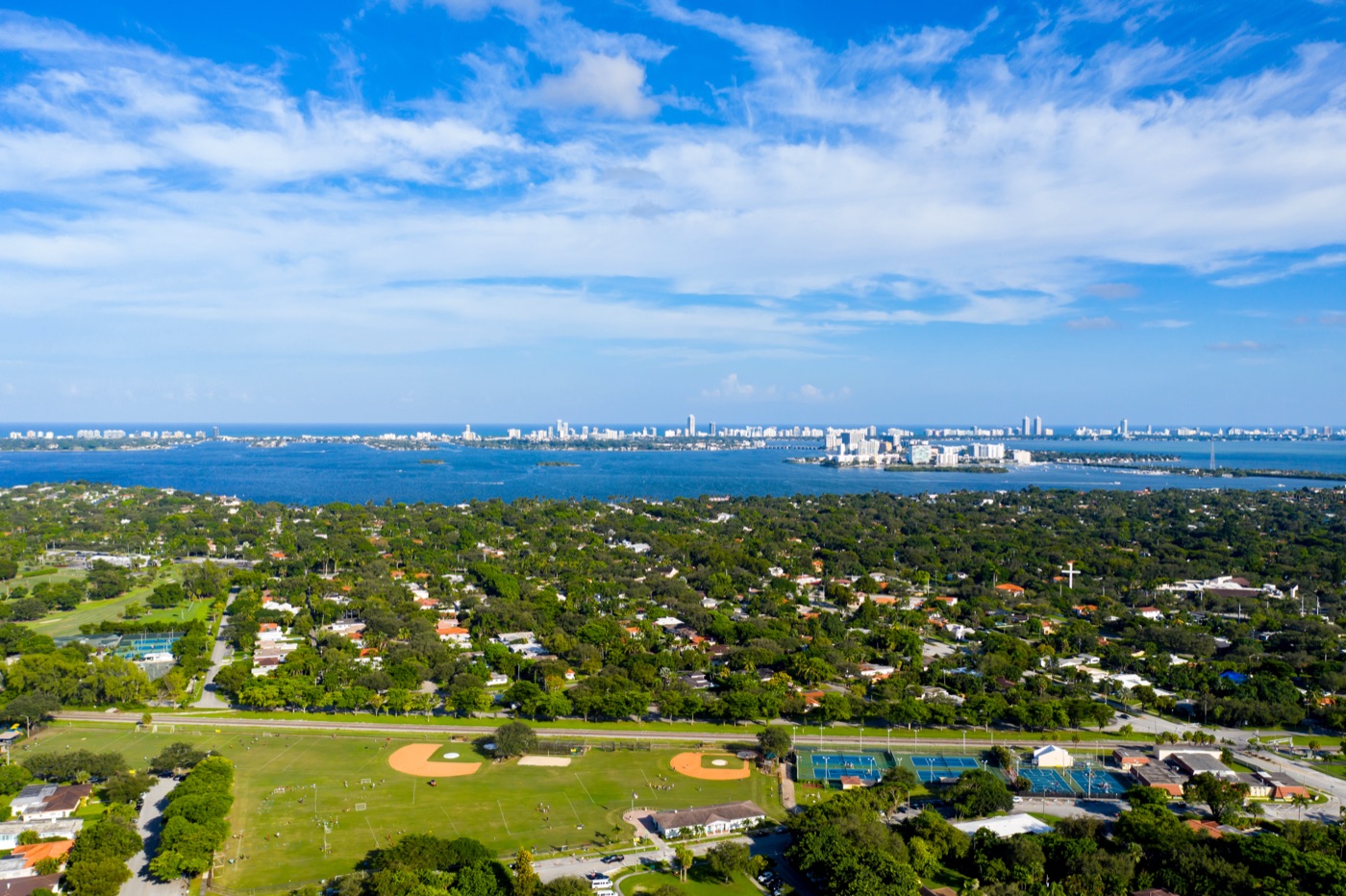
Power outages during and after hurricanes can last days or weeks. A generator keeps your refrigerator running, your phone charged, and your home livable. Portable generators ($500-$1,500) run on gasoline and can power essential appliances. Keep them outside and never run them in a garage or enclosed space due to carbon monoxide risk. Whole-home standby generators ($8,000-$20,000 installed) run on natural gas or propane and turn on automatically when power is lost. They are a significant investment but add real value to your home.
En Espanol: Un generador portatil es una necesidad minima para los duenos de casa en Miami. Durante el huracan Irma, muchas areas estuvieron sin electricidad por mas de una semana. Asegurate de tener suficiente gasolina almacenada (al menos 20 galones) antes de que llegue la tormenta.
Emergency Kit and Evacuation Plan
Every Miami household should have a hurricane kit ready by June 1. Essential items include at least three days of water (one gallon per person per day), non-perishable food and a manual can opener, flashlights and extra batteries, a battery-powered or hand-crank radio, first aid supplies, medications for at least one week, important documents in a waterproof container, cash in small bills (ATMs may not work), and pet supplies if applicable.
Know your evacuation zone. Miami-Dade uses zones A through E, with Zone A being the most vulnerable coastal areas. If you live in a mobile home, you should evacuate regardless of zone. Miami-Dade County's emergency management website publishes evacuation zone maps and shelter locations. Have a plan for where you will go, what route you will take, and how you will communicate with family members.
After the Storm: Recovery Steps
After a hurricane passes, document all damage with photos and videos before making any repairs. Contact your insurance company immediately to file a claim. Make temporary repairs to prevent further damage (cover broken windows with tarps, remove fallen trees from the roof), but save receipts for all materials and labor. Your insurer will reimburse reasonable temporary repair costs. Be cautious of contractors who appear unsolicited after storms. Verify licenses, get multiple estimates, and never pay the full amount upfront.
If you are considering buying a home in Miami and want to ensure it is properly prepared for hurricane season, start your search through our MLS search. I evaluate hurricane readiness on every property I show, including window protection, roof condition, and generator hookup availability. For new construction built to the latest code, explore our pre-construction listings. Have questions about a specific neighborhood? Visit our FAQ page or review our buyer's guide.
Related Articles
September 28, 2026 · 10 min read
Argentine Buyers Guide to Miami Real Estate: Process, Financing Themes, and Neighborhood Fit (2026)
Buying Miami real estate from Argentina is workable when you separate what your agent coordinates from what your attorney, CPA, and lender decide. This support guide walks through the process, financing themes, remote closing, and neighborhood fit, then points you to the Argentina foreign-buyer hub for next steps.
Read article →February 2026 · 9 min read
Aventura Real Estate Guide: Condos, Schools & Lifestyle (2026)
Luxury high-rises, top-rated schools, and the Aventura Mall — why families and investors love this North Miami suburb.
Read article →February 2026 · 9 min read
Airbnb Investment Properties in Miami: Rules, ROI & Best Areas
Short-term rental regulations, income projections, and the best Miami neighborhoods for Airbnb investing.
Read article →Buying a Hurricane-Ready Home in Miami?
I evaluate every property's storm readiness and help you understand what upgrades may be needed. Let's find you a home that keeps your family safe and your insurance costs manageable.