Miami Flood Zones & Insurance: The Complete Homeowner's Guide
By Rangely Adames • April 2026 • 11 min read
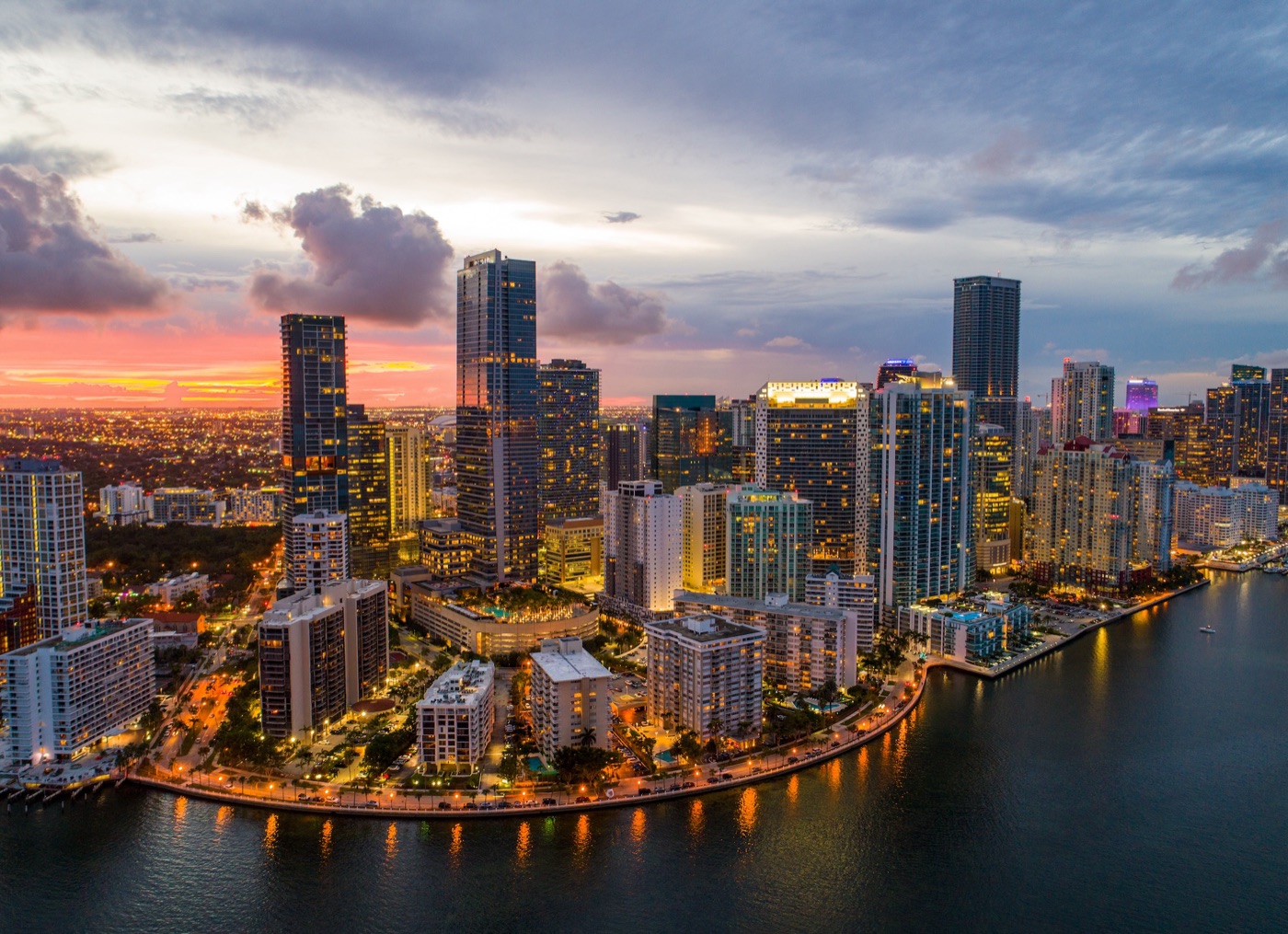
If you are buying or owning a home in Miami, understanding flood zones and flood insurance is not optional. It is essential. Miami-Dade County sits at an average elevation of just six feet above sea level, and a significant portion of the county falls within FEMA-designated high-risk flood zones. Whether you are purchasing your first condo or investing in waterfront property, this guide covers everything you need to know about flood risk, insurance costs, and how to protect your investment.
Importante: El seguro contra inundaciones es separado del seguro de hogar regular. Muchos compradores nuevos no lo saben hasta que ya estan en proceso de cierre. Entiende tus riesgos antes de hacer una oferta.
Understanding FEMA Flood Maps
The Federal Emergency Management Agency (FEMA) publishes Flood Insurance Rate Maps (FIRMs) that classify every property into a flood zone. These maps determine whether flood insurance is required and heavily influence the cost of coverage. FEMA updated the Miami-Dade County flood maps in 2024, and some properties saw their zone designation change, meaning their insurance requirements and costs shifted as well.
You can check any property's flood zone for free on FEMA's Flood Map Service Center or by asking your real estate agent. I include flood zone information in every property analysis I prepare for clients. If you are exploring listings, start with our MLS search and ask me about the flood zone for any property that interests you.
Explore on rangelyadames.com
Zone AE vs. Zone X: What Do They Mean?
Zone AE (High-Risk):This is the most common high-risk flood zone in Miami. Properties in Zone AE have a 1% annual chance of flooding, often referred to as the "100-year flood zone." If you have a federally-backed mortgage (conventional, FHA, VA) on a property in Zone AE, your lender will require flood insurance. Base Flood Elevations (BFE) are established for Zone AE, meaning FEMA has determined the expected water level during a major flood event. Your home's lowest floor elevation relative to the BFE is the single biggest factor in determining your flood insurance premium.
Zone VE (Coastal High-Risk): Found along the coast and barrier islands, Zone VE carries the same 1% annual flood chance as Zone AE but adds the risk of storm-driven wave action. Insurance premiums in Zone VE are the highest in Miami-Dade. Properties in Miami Beach and Key Biscayne frequently fall in this zone.
Zone X (Moderate to Low Risk):Zone X is divided into two categories. "Shaded Zone X" represents a moderate risk with a 0.2% annual chance of flooding (the 500-year flood zone). "Unshaded Zone X" is minimal risk. Flood insurance is not required by lenders in Zone X, but it is still available and often advisable. Approximately 25% of all flood claims nationally come from properties outside high-risk zones.
Zone AH: Some areas in western Miami-Dade, particularly near the Everglades, are classified as Zone AH, which indicates shallow flooding of one to three feet. This zone requires flood insurance and is common in areas like parts of Doral and Sweetwater.
How Much Does Flood Insurance Cost in Miami?
Flood insurance costs vary dramatically depending on the flood zone, the property's elevation, the building type, and the coverage amount. Under FEMA's Risk Rating 2.0 system (which replaced the old rate tables), premiums are calculated based on a property's individual flood risk rather than just its zone designation. Here are typical annual premiums for Miami-Dade properties in 2026:
Zone X (low risk): $400-$700 per year for a preferred-risk policy. This is the most affordable tier and provides solid protection for a relatively low cost.
Zone AE (high risk, elevated home): $1,200-$3,000 per year. Homes built above the Base Flood Elevation receive significantly lower rates. An elevation certificate documenting that your lowest floor is at or above the BFE can save you thousands annually.
Zone AE (high risk, below BFE): $3,000-$8,000+ per year. Older homes with a lowest floor below the Base Flood Elevation face the steepest premiums. In severe cases, annual premiums can exceed $10,000.
Zone VE (coastal): $4,000-$12,000+ per year. Coastal properties with wave action risk carry the highest premiums in the county.
Elevation Certificates: Your Most Important Document
An Elevation Certificate (EC) is a document prepared by a licensed surveyor that records your property's elevation relative to the Base Flood Elevation. This certificate is the single most important factor in determining your flood insurance premium. If the seller does not have one, consider ordering one before or during your inspection period. The cost is typically $300-$500.
Consejo: Siempre pide el certificado de elevacion antes de hacer una oferta en una propiedad en zona de inundacion. Este documento puede revelar si el seguro sera de $1,500 o $8,000 al ano, una diferencia enorme en tu presupuesto mensual.
If your home's lowest floor is at or above the BFE, your premiums will be significantly lower. If it is below the BFE, you may want to factor the cost of flood-proofing improvements or consider whether the property makes financial sense at the asking price.
NFIP vs. Private Flood Insurance
The National Flood Insurance Program (NFIP), administered through FEMA, has been the primary source of flood insurance for decades. However, coverage is capped at $250,000 for the structure and $100,000 for contents, which may not be enough for higher-value Miami properties.
Private flood insurance has grown rapidly in Florida and now offers competitive alternatives. Private carriers often provide higher coverage limits, replacement cost coverage (instead of actual cash value), and in many cases, lower premiums than NFIP. Always get quotes from both NFIP and at least two private carriers before choosing a policy.
Climate Considerations for Miami Homeowners
Miami is at the forefront of climate change impacts, and responsible homebuyers should consider long-term trends. Sea levels in South Florida have risen approximately one inch per decade over the past century, and the rate is accelerating. Current projections suggest 10-17 inches of additional sea level rise by 2060.
Miami-Dade County has invested billions in resilience infrastructure, including stormwater pumps, raised roads, and updated building codes. Newer construction in areas like Brickell and Coconut Groveis built to higher elevation and resilience standards. When evaluating properties, consider the building's age, elevation, and the neighborhood's drainage infrastructure.
Properties on higher ground, such as the Miami Rock Ridge that runs through Coral Gables, Coconut Grove, and Pinecrest, are naturally less vulnerable to flooding. These areas often fall in Zone X and enjoy lower insurance costs, which is one reason they command premium prices.
En Espanol: El cambio climatico es una realidad que afecta directamente el valor de las propiedades en Miami. Propiedades en terrenos mas altos, con mejor infraestructura de drenaje y construccion moderna, tienden a mantener su valor mejor a largo plazo.
Tips for Reducing Your Flood Insurance Costs
Get an Elevation Certificate: If your property is elevated above the BFE, documenting this can cut your premium in half or more. This is the single highest-impact action you can take.
Consider flood vents: Engineered flood vents (also called openings) allow water to flow through an enclosed area beneath your home rather than building up pressure against the walls. Installing FEMA-compliant flood vents can lower your insurance rate.
Shop private carriers: As mentioned, private flood insurance can be 20-40% cheaper than NFIP for many Miami properties. Work with an independent insurance agent who represents multiple carriers.
Choose higher deductibles: Increasing your deductible from $1,000 to $5,000 or $10,000 can lower your annual premium by 15-30%. Just make sure you have the cash reserves to cover the deductible if you need to file a claim.
Buy in a CRS community:Miami-Dade County participates in FEMA's Community Rating System (CRS), which rewards communities that exceed minimum floodplain management standards. Residents in CRS communities receive a discount on NFIP premiums, typically 15-25% in Miami-Dade.
What to Ask Before You Buy
Before making an offer on any Miami property, ask these flood-related questions: What FEMA flood zone is the property in? Is there an existing Elevation Certificate? Has the property ever flooded or had a flood insurance claim? What is the current flood insurance premium, and is the policy transferable? When was the flood zone last remapped, and are any map changes pending?
An experienced Miami agent will research these answers for every property you consider. Browse current listings in our featured properties or search the full MLS with our search tool. I provide flood zone analysis on every property I show.
Related Articles
September 28, 2026 · 10 min read
Argentine Buyers Guide to Miami Real Estate: Process, Financing Themes, and Neighborhood Fit (2026)
Buying Miami real estate from Argentina is workable when you separate what your agent coordinates from what your attorney, CPA, and lender decide. This support guide walks through the process, financing themes, remote closing, and neighborhood fit, then points you to the Argentina foreign-buyer hub for next steps.
Read article →February 2026 · 9 min read
Aventura Real Estate Guide: Condos, Schools & Lifestyle (2026)
Luxury high-rises, top-rated schools, and the Aventura Mall — why families and investors love this North Miami suburb.
Read article →February 2026 · 9 min read
Airbnb Investment Properties in Miami: Rules, ROI & Best Areas
Short-term rental regulations, income projections, and the best Miami neighborhoods for Airbnb investing.
Read article →Need Help Navigating Miami's Flood Zones?
I include flood zone analysis and insurance cost estimates with every property consultation. Let's find you a home that fits your budget and your risk tolerance.