Miami Condo Due Diligence: What to Check Before You Buy (2026)
By Rangely Adames • April 2026 • 11 min read
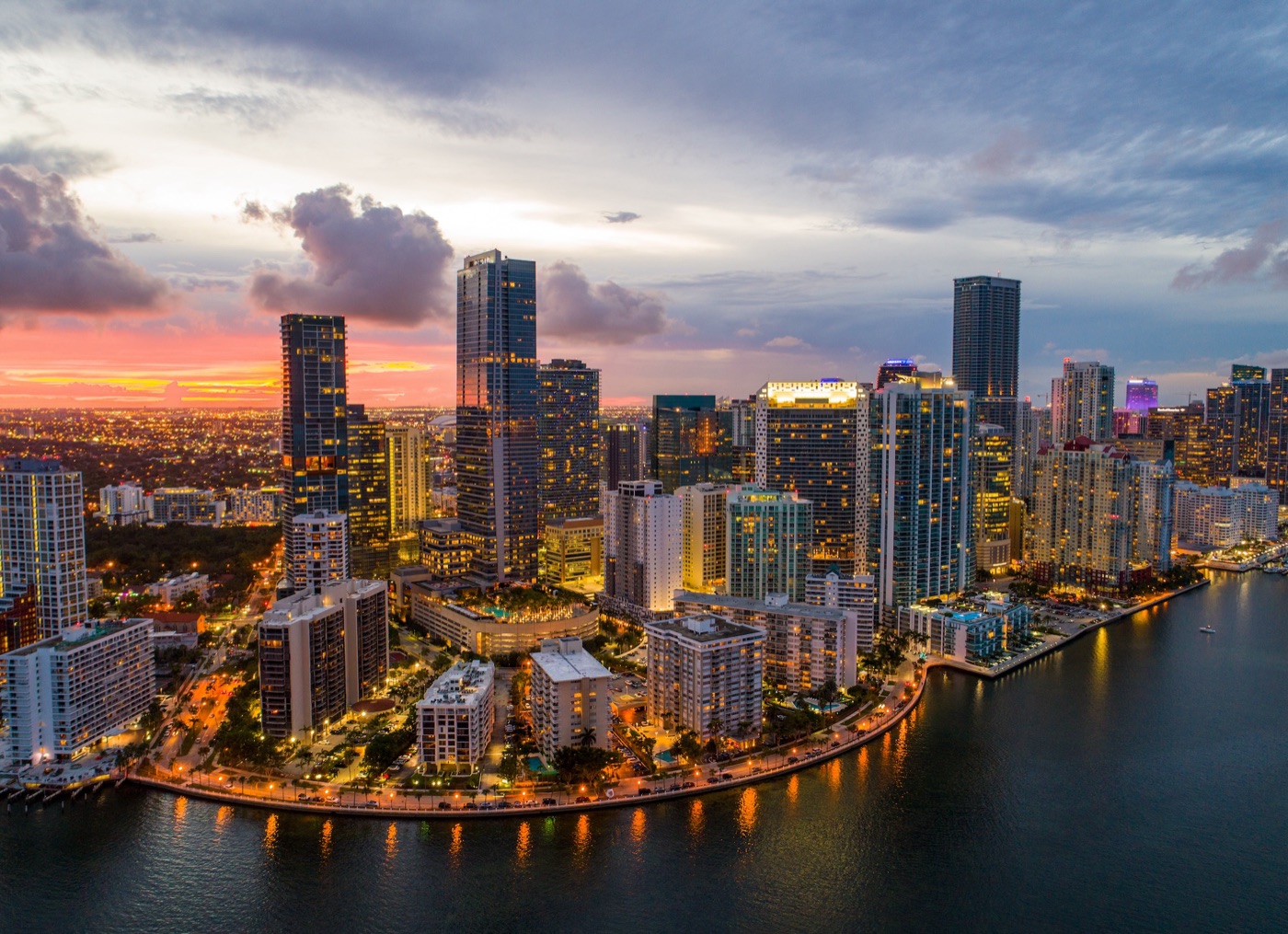
Buying a condo in Miami is not just about the finishes, the floor plan, or the view of Biscayne Bay. The building itself has a financial life, a legal structure, and a history that will directly affect your investment from the day you close. I have guided buyers through purchases in Brickell, Edgewater, Sunny Isles Beach, Bal Harbour, Miami Beach, and Coconut Grove, and the single biggest mistake I see is buyers who fall in love with the unit and forget to scrutinize the building.
Florida law gives condo buyers a review period, sometimes called the rescission period, of at least three business days after receiving the condo documents. For new construction, that window is 15 days. These windows exist for a reason. The documents can run hundreds of pages, but the specific sections I focus on can reveal everything from a looming $40,000 special assessment to a roof that was last replaced in 1998. Knowing what to look for turns a stack of paperwork into a genuine decision-making tool.
This guide walks through exactly what I review on behalf of every buyer client before they commit to a Miami condo purchase. Whether you are buying a pied-a-terre in South Beach, a primary residence in Coral Gables, or an investment unit in Aventura, the due diligence process is the same. And if you ever have questions along the way, I am always reachable at (954) 833-0020. Hablamos Espanol.
Ready to Start Your Condo Search in Miami?
I review condo documents with every buyer client to help you avoid costly surprises. Call me at (954) 833-0020 today. Hablamos Espanol.
Call (954) 833-0020Start With the Condo Documents Package
In Florida, sellers of resale condos are required to provide buyers with a set of governing documents. These typically include the Declaration of Condominium, the Articles of Incorporation, the Association Bylaws, the Rules and Regulations, the most recent year-end financial statements, the current operating budget, and the meeting minutes from the last 12 months. For new construction, the developer provides a prospectus.
I always tell my clients to read the meeting minutes first. The financial statements show you where the money stands today, but the minutes tell you the story of how the association got there. If the board discussed a failing elevator, persistent roof leaks, water intrusion on upper floors, or a pending lawsuit, it will be in the minutes. In one Brickell high-rise transaction, the minutes revealed that the board had been debating a mechanical parking system replacement for over two years with no resolution. That was a red flag worth knowing before closing.
The Rules and Regulations section matters most for investors and part-time residents. This is where you will find rental restrictions, pet policies, move-in and move-out fees, and renovation rules. Some buildings in Miami Beach and Sunny Isles prohibit rentals for the first year or two of ownership. Others cap the number of units that can be rented at any given time, which affects both your rental income potential and your ability to get conventional financing.
Explore on rangelyadames.com
Understand the Reserve Fund and Why It Changes Everything
The reserve fund is the single most important financial figure in any condo building. It is the money the association sets aside for major capital repairs, things like roof replacement, elevator modernization, pool resurfacing, and facade restoration. A building with a healthy reserve fund can handle these expenses without hitting owners with emergency charges. A building with an underfunded reserve is a liability waiting to materialize.
Since the 2021 Surfside collapse and the subsequent changes to Florida law under Senate Bill 4-D, condo associations in buildings three stories and taller are now required to conduct structural integrity reserve studies and begin fully funding reserves for specific components by 2025. This has created significant financial pressure on older buildings throughout Miami-Dade County. I have seen buildings in Mid-Beach and North Beach pass special assessments ranging from $15,000 to over $80,000 per unit as they work to comply.
When I review reserve fund documents, I look at the percent funded figure. A building that is 70 percent funded or higher is in solid shape. Anything below 40 percent funded should prompt a serious conversation about what repairs are coming, when they are scheduled, and how the association plans to pay for them. A low reserve percentage does not automatically mean you should walk away, but it does mean you need to price that risk into your offer and your budget.
Special Assessments: Past, Present, and Future
A special assessment is a charge levied on all unit owners when the association needs money beyond what is in the operating budget or reserve fund. They can be announced for almost any reason, from hurricane damage remediation to elevator replacements to plumbing re-piping. In older buildings along Collins Avenue in Miami Beach or in the historic towers of Bal Harbour, special assessments are a routine part of condo ownership.
Before closing, I request a certificate of assessments or an estoppel letter from the association. This document confirms the current monthly dues, any outstanding balances on the unit being purchased, and any known upcoming assessments. Key word: known. An association is only required to disclose assessments that have already been voted on. A building that is quietly planning a major structural project may not show up in the estoppel if the board has not yet formally approved it.
This is exactly why the meeting minutes matter so much. If the minutes from the past year show the board discussing a building recertification requirement, a failing fire suppression system, or a required facade inspection under Miami-Dade County's 40-year recertification rules, those are signals that an assessment may be coming, even if it has not been formally approved yet. I always cross-reference the estoppel against the minutes to give my clients the fullest possible picture.
The Building's Structural and Physical Condition
Florida's 40-year building recertification program, administered by Miami-Dade County, requires buildings that are 40 years or older to undergo a structural and electrical inspection. Buildings in coastal municipalities like Miami Beach and Surfside face a 30-year threshold. Once a building reaches that milestone, the county requires a licensed engineer to certify that the structure is safe. Recertification can trigger mandatory repairs that are funded, you guessed it, through special assessments.
Even for buildings that have not yet reached the recertification threshold, I strongly encourage buyers to hire an independent inspector to walk the unit and, if possible, review any available engineering or inspection reports on file with the association. A qualified inspector in Miami typically charges between $350 and $600 for a standard condo inspection. That fee can save you from buying into a building with active concrete spalling, water infiltration, or compromised balcony railings.
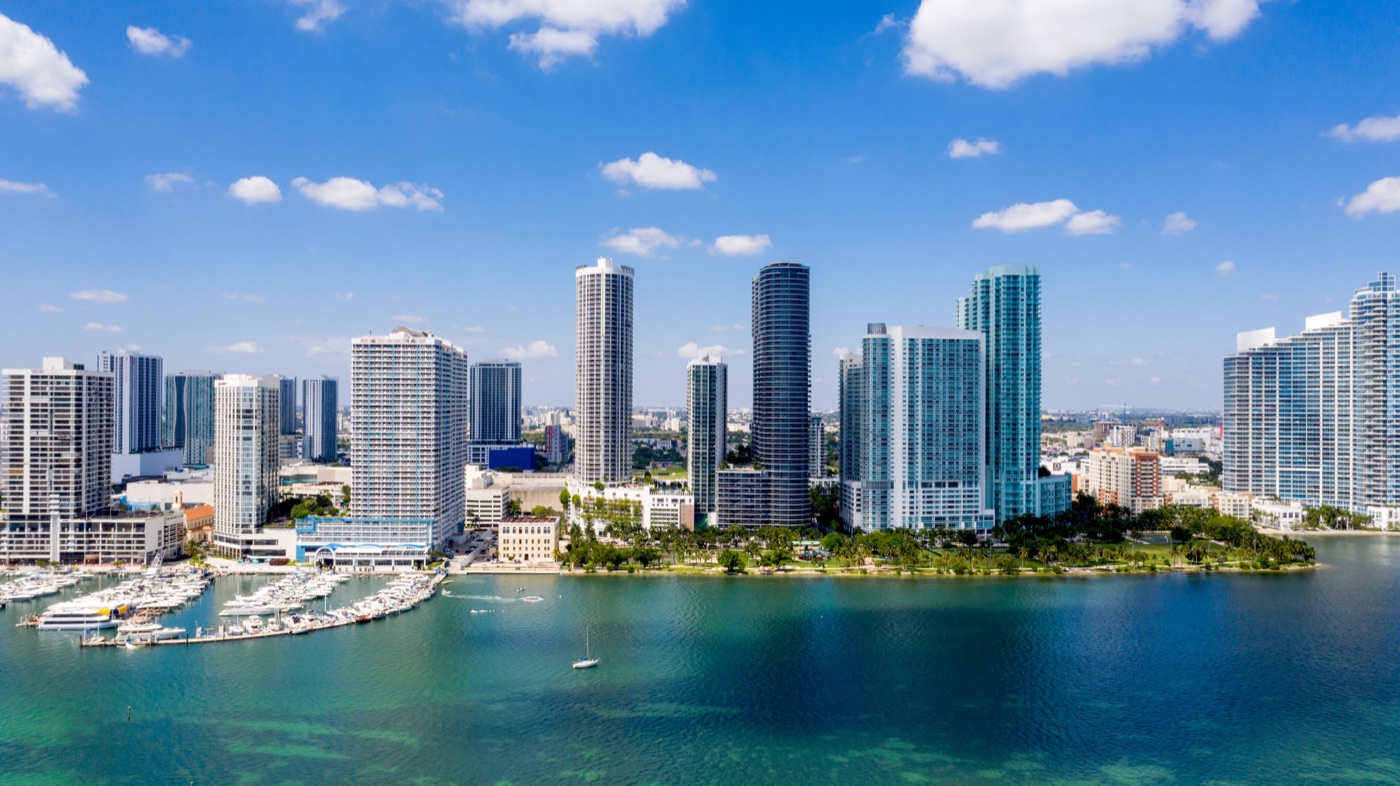
In my experience, buyers of units in newer towers, say buildings completed after 2010 in Edgewater, Brickell City Centre, or the Coconut Grove waterfront, face far fewer structural concerns. But even newer buildings can have construction defect claims or ongoing litigation that affects the property's insurability and resale value. Always ask whether the association is involved in any active lawsuits.
Key Items I Review in Every Condo Due Diligence Package
After hundreds of transactions, I have developed a consistent checklist that I work through with every buyer client. These are the items that most often reveal problems or opportunities before closing.
The core items I review in every Miami condo due diligence package include:
- Reserve fund balance and percent funded, compared against the most recent reserve study
- Any special assessments approved in the past three years and the stated reason for each
- Meeting minutes from the past 12 months, reviewed for recurring complaints or planned capital projects
- The estoppel certificate confirming current dues, any balances owed, and pending assessments
- Rental restriction policies, including minimum lease terms and caps on total rentals in the building
- Pet restrictions, including weight limits and number of pets allowed
- The building's insurance coverage, specifically whether the master policy covers the unit interiors or only the structure
- Any pending or active litigation involving the association
- The building's 40-year or 30-year recertification status and any outstanding violations
- The current monthly HOA fee breakdown, including what is covered (water, cable, valet, amenities) versus what the owner pays separately
Insurance and Financing Considerations
Two issues that have become increasingly complicated in the Miami condo market are insurance and conventional financing. On the insurance side, Florida's property insurance crisis has hit condo associations hard. Many older buildings have seen their master policy premiums double or triple since 2020. When association insurance costs rise, monthly HOA fees rise with them. I have seen HOA fees in some Miami Beach buildings increase by 30 to 50 percent in a three-year period, primarily driven by insurance.
On the financing side, lenders and Fannie Mae have tightened their requirements for condo buildings following Surfside. If a building is on Fannie Mae's approved condo list, conventional financing is generally available. But buildings with significant deferred maintenance, underfunded reserves, pending litigation, or certain insurance gaps may be flagged as non-warrantable. A non-warrantable condo is not necessarily a bad investment, but it does limit your financing options and your future buyer pool, which affects resale value.
Cash buyers have more flexibility here, and that is one reason why cash transactions represent a substantial share of luxury condo sales in Miami, particularly in Fisher Island, Star Island, Bal Harbour, and the upper floors of Brickell's super-prime towers. But even cash buyers should care about a building's warrantability, because it will affect who can buy from you when it comes time to sell.
If you are working with a mortgage lender, I recommend looping them into the due diligence process early. Share the condo documents package with your loan officer as soon as you receive it. A good lender who works regularly in the Miami market will flag potential warrantability issues before you get too deep into the transaction.
Red Flags That Should Make You Pause
Not every red flag means you should walk away from a deal, but each one deserves a clear-eyed conversation about risk and price. In my experience, the situations that most often lead to buyer regret are the ones where warning signs were visible but overlooked in the excitement of the purchase.
A reserve fund below 25 percent funded in a building that is more than 20 years old is a serious concern, especially now that Florida law requires full funding for specific components. A pattern in the meeting minutes of contentious board meetings, owner lawsuits against the association, or management company turnover suggests governance problems that tend to get worse over time. An HOA fee that has increased by more than 20 percent in the past two years without a clear explanation in the budget warrants a direct question to the association manager.
Buildings that have recently completed their 40-year recertification and passed with minimal required repairs are, counterintuitively, often great buys. The uncertainty is behind them. Buildings that are approaching recertification without a clear plan or adequate reserves carry forward-looking risk. Location matters too: oceanfront buildings in Miami Beach and Sunny Isles face more aggressive weathering and corrosion than inland buildings in Coral Gables or Pinecrest, which means higher long-term maintenance costs.
If anything in the document review raises questions you cannot answer yourself, call me directly at (954) 833-0020. I have seen enough buildings and enough transactions across Miami-Dade and Broward to help you calibrate what is normal versus what is genuinely worrying.
Working With the Right Agent Makes the Difference
Due diligence is one of the areas where having an experienced local agent earns its value most clearly. A buyer's agent who knows the Miami condo market will recognize building names that carry red flags, know which towers have historically passed assessments frequently, and have relationships with association managers and property attorneys who can get questions answered quickly.
I work with buyers at every price point, from first-time condo buyers in Midtown Miami or Wynwood looking in the $450,000 to $700,000 range, to international clients purchasing in the $3 million to $10 million range in Bal Harbour and Fisher Island. The due diligence process is equally important at every level. A $500,000 condo with a pending $50,000 assessment is effectively a $550,000 purchase. A $5 million penthouse in a building with underfunded reserves and a recertification coming is a far riskier buy than it appears on the surface.
My team is bilingual and we serve a significant number of Latin American buyers from Venezuela, Colombia, Argentina, Brazil, and Mexico who are purchasing Miami real estate as a primary residence, a vacation home, or an investment. We understand the unique documentation and financing considerations that come with international purchases, including FIRPTA implications for sellers and the process of establishing U.S. credit for buyers. Hablamos Espanol, and we are here to guide you through every step of the process.
If you are considering a Miami condo purchase in 2026, the market rewards prepared buyers. Inventory has expanded in several key neighborhoods, giving buyers more negotiating room than they had two or three years ago. But that opportunity comes with the responsibility of doing your homework on the building, not just the unit. Let me help you do it right.
Let's Find You the Right Miami Condo
Whether you are buying your first condo or your fifth investment unit, I bring the market knowledge and document expertise to protect your purchase. Call Rangely Adames at (954) 833-0020 and let's get started.
Related Articles
February 2026 · 9 min read
Aventura Real Estate Guide: Condos, Schools & Lifestyle (2026)
Luxury high-rises, top-rated schools, and the Aventura Mall — why families and investors love this North Miami suburb.
Read article →February 2026 · 9 min read
Airbnb Investment Properties in Miami: Rules, ROI & Best Areas
Short-term rental regulations, income projections, and the best Miami neighborhoods for Airbnb investing.
Read article →July 2026 · 10 min read
Bay Harbor Islands Real Estate Guide: Homes, Condos & Market (2026)
Waterfront homes with private docks, boutique condos, and a top-rated K-8 school make Bay Harbor Islands one of Miami's best-kept secrets. A bilingual 2026 buyer guide with prices and consejos para compradores. Hablamos Espanol.
Read article →