Understanding Miami Condo Reserve Funds: Post-Surfside Rules (2026)
By Rangely Adames • April 2026 • 9 min read
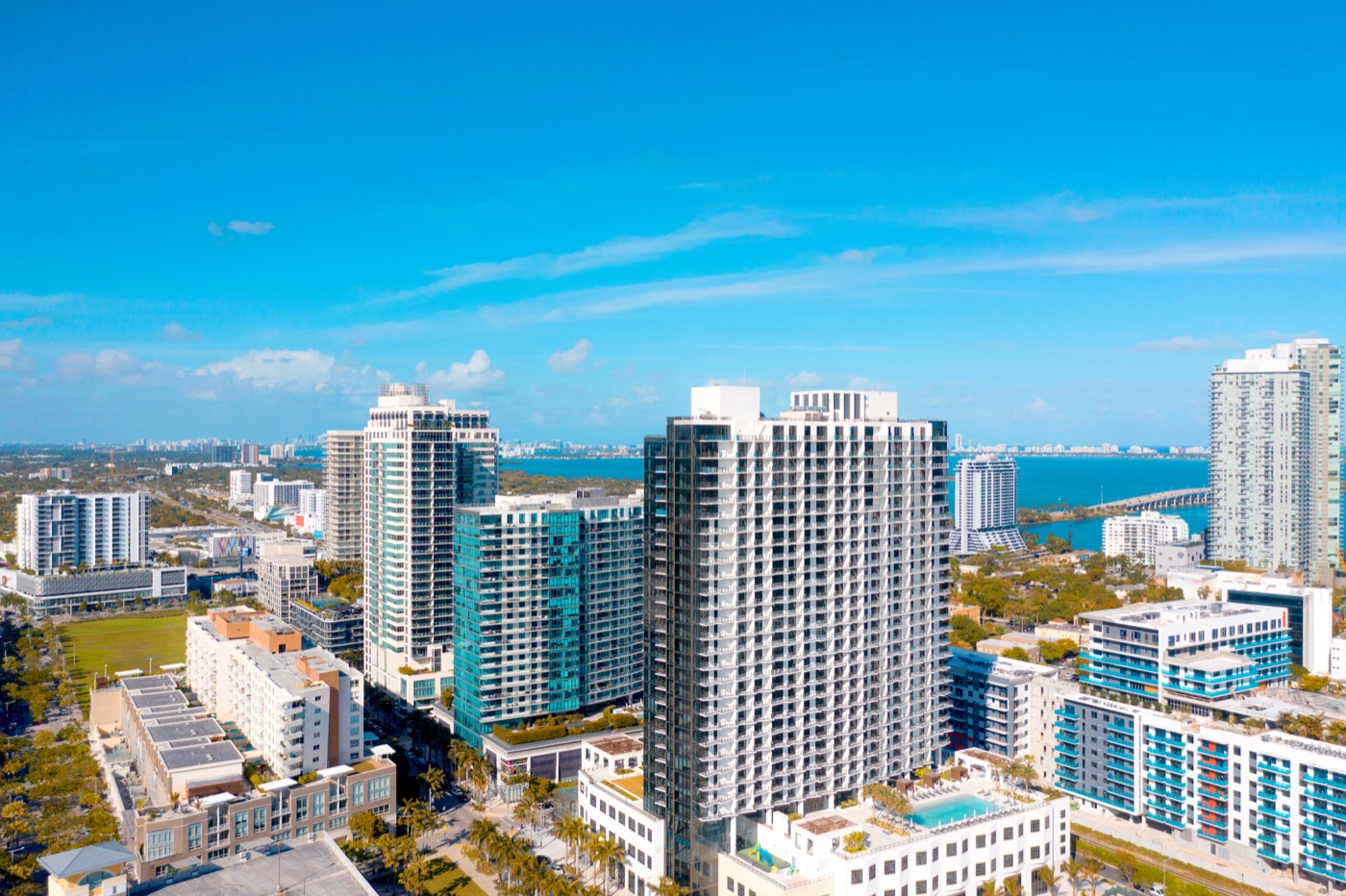
The 2021 collapse of Champlain Towers South in Surfside was a tragedy that killed 98 people and fundamentally changed how Florida regulates condominium buildings. In the years since, the state legislature has enacted sweeping reforms that affect every condo owner and buyer in Miami-Dade County. If you are purchasing a condo in Miami in 2026, understanding these new reserve fund requirements is critical to protecting your investment from surprise special assessments and financial instability.
What Changed After Surfside
Before Surfside, Florida condo associations could vote to waive or reduce reserve fund contributions — and many did, keeping monthly HOA fees artificially low while buildings deteriorated. The new legislation, primarily Senate Bills 4-D (2022) and subsequent amendments, eliminated this practice for critical structural components and imposed mandatory inspection requirements.
The key changes include: mandatory Structural Integrity Reserve Studies (SIRS), milestone structural inspections for buildings three stories or taller, a prohibition on waiving reserves for critical building components, and enhanced transparency requirements for association financial reporting. These reforms took effect in stages, with full compliance required by December 31, 2025 — meaning all Miami condos should now be in compliance as of 2026.
Explore on rangelyadames.com
Structural Integrity Reserve Studies (SIRS)
Every condo association in Florida with buildings three stories or taller must now complete a SIRS, which is a detailed engineering analysis of the building's major structural and life-safety components. The study must cover the roof, load-bearing walls, floors, foundations, fireproofing, plumbing, electrical systems, waterproofing, windows, and any other item costing more than 10% of the building's total reserve needs.
The SIRS determines how much money the association needs to set aside each year to fund future repairs and replacements. Unlike the old system, associations can no longer vote to waive or reduce funding for these critical components. The reserves must be fully funded according to the SIRS schedule. Consejo: pide una copia del estudio SIRS antes de hacer una oferta en cualquier condominio. Es tu derecho como comprador.
Milestone Inspections
Buildings three stories or taller must undergo a milestone structural inspection by a licensed engineer or architect. The first inspection is required when the building reaches 30 years of age, or 25 years if it is located within three miles of the coastline (which includes most of Miami-Dade County). After the initial inspection, follow-up inspections are required every 10 years.
The inspection has two phases. Phase One is a visual examination of the building's structural components. If the engineer identifies signs of substantial structural deterioration, a Phase Two inspection is required, which involves more invasive testing such as concrete core samples and rebar examination. The results must be shared with all unit owners within 45 days.
How This Affects Condo Prices and HOA Fees
The most immediate impact for buyers is higher HOA fees. Buildings that previously waived reserves are now required to collect full funding, which has caused monthly fees to increase by $100 to $500 or more in many older buildings. Some associations have imposed special assessments of $20,000 to $200,000 per unit to address deferred maintenance identified in their SIRS or milestone inspections.
For buyers, this creates both risk and opportunity. Buildings that were proactive about maintenance and had healthy reserves before the law changed are now in a stronger competitive position. Their HOA fees may have increased modestly, but they are not facing catastrophic special assessments. Meanwhile, buildings that neglected maintenance for decades are seeing unit values decline as buyers and lenders shy away from the financial uncertainty.
En Español:
Después de la tragedia de Surfside, Florida cambió las reglas para los condominios. Ahora, los edificios de tres pisos o más deben realizar inspecciones estructurales obligatorias y mantener fondos de reserva completos. Esto significa cuotas de HOA más altas, pero también edificios más seguros. Como comprador, revisa el estudio SIRS y el informe de inspección antes de comprar.
What to Ask Before Buying a Miami Condo
Request the SIRS report: This tells you how much the building needs in reserves and whether the association is on track. If the SIRS has not been completed, that is a red flag.
Review the milestone inspection:If the building has undergone its milestone inspection, request a copy of the engineer's report. Pay close attention to whether a Phase Two inspection was required and what it found.
Check the reserve fund balance:Ask for the association's most recent financial statements and compare the actual reserve balance to the SIRS-recommended funded amount. A fully funded reserve is ideal; anything below 70% funded warrants caution.
Ask about pending special assessments: If the building needs major repairs, find out whether a special assessment has been levied or is anticipated. This can add tens of thousands to your purchase cost. Review our condo vs. house comparison to weigh your options.
Verify insurance coverage: Some older buildings have lost their property insurance or face dramatically higher premiums due to structural concerns. Confirm the building has adequate coverage and check how the increased premiums affect your HOA fees. See our flood and insurance guide for more details.
For first-time condo buyers, our buyer's guide walks through the entire process, and our FAQ page answers common condo-buying questions. You can also search available condos on our MLS search.
Related Articles
September 28, 2026 · 10 min read
Argentine Buyers Guide to Miami Real Estate: Process, Financing Themes, and Neighborhood Fit (2026)
Buying Miami real estate from Argentina is workable when you separate what your agent coordinates from what your attorney, CPA, and lender decide. This support guide walks through the process, financing themes, remote closing, and neighborhood fit, then points you to the Argentina foreign-buyer hub for next steps.
Read article →February 2026 · 9 min read
Aventura Real Estate Guide: Condos, Schools & Lifestyle (2026)
Luxury high-rises, top-rated schools, and the Aventura Mall — why families and investors love this North Miami suburb.
Read article →February 2026 · 9 min read
Airbnb Investment Properties in Miami: Rules, ROI & Best Areas
Short-term rental regulations, income projections, and the best Miami neighborhoods for Airbnb investing.
Read article →Need Help Evaluating a Miami Condo?
Rangely reviews condo financials, reserve studies, and inspection reports as part of every transaction. Get expert guidance before you buy.