Miami Green Building & Sustainable Homes: Eco-Friendly Living
By Rangely Adames • April 2026 • 9 min read
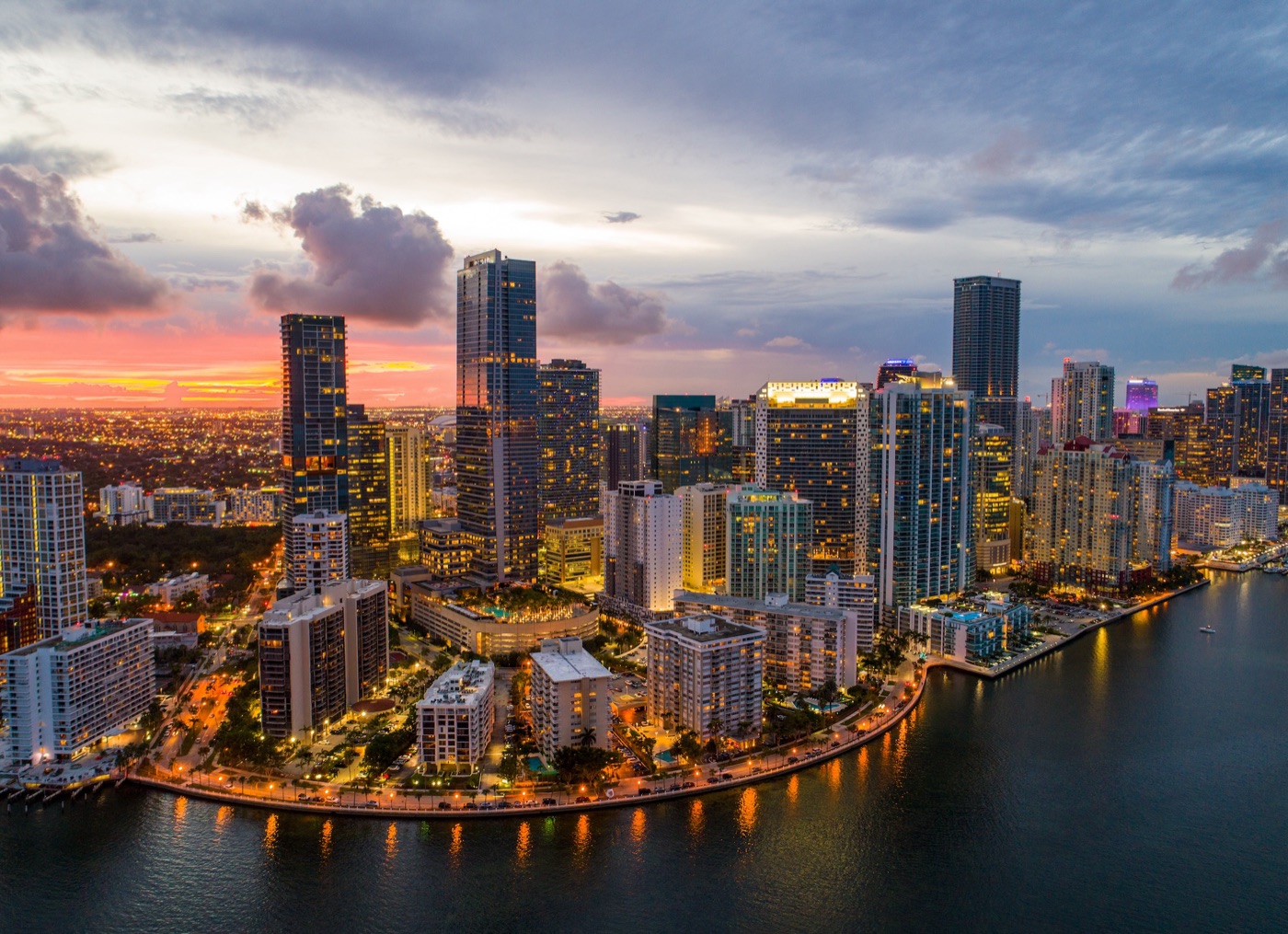
Miami sits at the frontline of climate change. Rising sea levels, intensifying hurricanes, and scorching summers make sustainable building not just an environmental choice but a financial one. Green homes in South Florida are commanding premium prices, lower insurance rates, and significantly reduced utility bills. Whether you are buying, building, or renovating, understanding what makes a Miami home truly sustainable will help you make smarter real estate decisions.
Why Green Building Matters More in Miami
Florida ranks third in the nation for energy consumption per household, driven largely by air conditioning. In Miami-Dade County, the average homeowner spends $2,800 to $4,200 per year on electricity alone. Green building practices can cut that figure by 30-50%, translating to savings of $1,000 to $2,000 annually. Over a 30-year mortgage, those savings add up to $30,000 to $60,000 — real money that affects your total cost of ownership.
Beyond energy costs, Miami's vulnerability to flooding and storms means that resilient construction methods — elevated foundations, impact-resistant materials, and stormwater management systems — directly protect your investment. Insurance companies are increasingly rewarding green and resilient features with lower premiums, creating a financial incentive that compounds year after year.
Explore on rangelyadames.com
Green Certifications to Look For
LEED (Leadership in Energy and Environmental Design): The most recognized green certification globally. LEED-certified homes in Miami have been shown to sell for 5-10% more than comparable non-certified properties. The certification evaluates energy efficiency, water conservation, indoor air quality, materials selection, and site sustainability. Several new condo developments in Brickell and Coconut Grove are pursuing LEED certification. Check our pre-construction page for green-certified projects.
ENERGY STAR:Homes that earn the ENERGY STAR label are independently verified to be at least 10% more efficient than standard construction. In Miami's climate, this translates to major AC savings. Many production builders now offer ENERGY STAR certification as standard on new homes.
Florida Green Building Coalition (FGBC): This Florida-specific certification program addresses the unique challenges of building in a subtropical, hurricane-prone environment. It evaluates energy, water, lot selection, health, materials, disaster mitigation, and general sustainability.
Key Green Features for Miami Homes
Solar Energy
Miami averages 248 sunny days per year, making it one of the best markets in the country for solar energy. A typical 8 kW residential system costs $16,000 to $22,000 before the 30% federal tax credit, bringing the net cost to $11,000 to $15,000. With FPL's net metering program, homeowners can offset 70-100% of their electricity bill. Solar panels paired with battery storage also provide backup power during hurricane-related outages. Read more about smart energy systems in our smart home features guide.
High-Performance Windows & Insulation
Impact-resistant, low-E (low emissivity) windows serve double duty in Miami: they protect against hurricanes and block heat-generating infrared rays. These windows can reduce cooling costs by 25-30% compared to standard glass. Spray foam insulation in walls and attics further reduces thermal transfer, keeping your home cooler with less energy.
Water Conservation
Miami-Dade County draws its drinking water from the Biscayne Aquifer, a resource increasingly threatened by saltwater intrusion. Green homes incorporate low-flow fixtures, rainwater harvesting systems, and native landscaping (xeriscaping) that requires minimal irrigation. Some newer developments feature greywater recycling systems that reuse water from sinks and showers for landscape irrigation.
En Español:
Las casas sostenibles en Miami no solo ayudan al medio ambiente — también ahorran dinero. Paneles solares, ventanas de impacto con baja emisividad, y paisajismo nativo pueden reducir tus costos mensuales entre un 30% y 50%. Además, las propiedades con certificación LEED se venden por un 5-10% más que propiedades comparables. Es una inversión inteligente.
Neighborhoods Leading the Green Movement
Coconut Grove: One of Miami's oldest and most tree-canopied neighborhoods, the Grove has embraced green building with several LEED-certified condo projects and a strong community commitment to environmental preservation. Explore the area in our neighborhood guide.
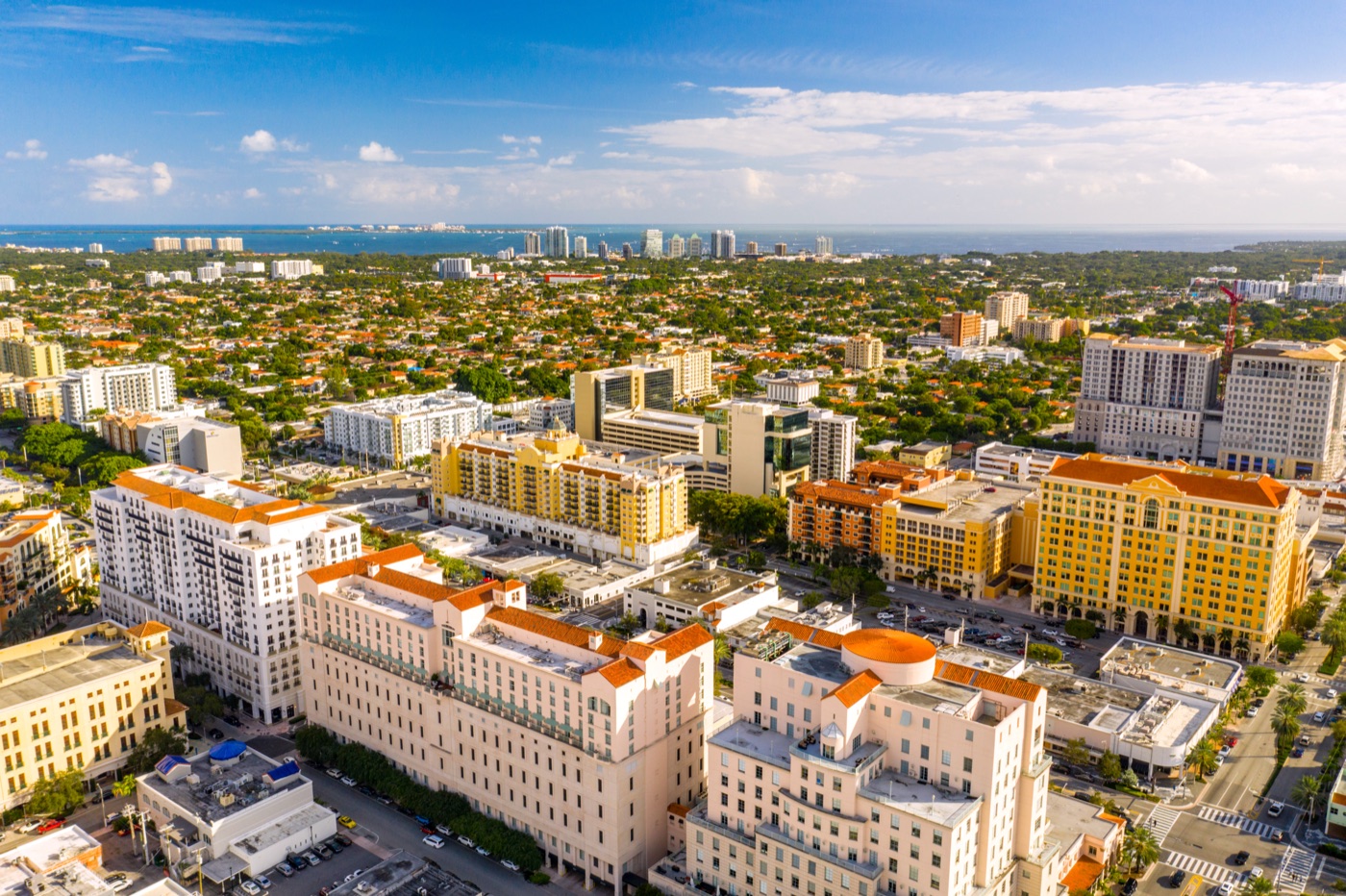
Coral Gables: The city has adopted its own green building ordinance requiring new construction to meet enhanced energy efficiency standards. Many custom homes in Coral Gables incorporate solar panels, green roofs, and advanced stormwater management. Browse available Coral Gables listings.
Miami Beach: The city's ambitious resilience strategy includes elevated roads, improved drainage, and incentives for green construction. New developments are required to incorporate sea-level rise projections into their design. Learn about flood zone considerations when buying in coastal areas.
Financial Incentives for Green Homes
Multiple programs help offset the cost of green upgrades. The federal Investment Tax Credit covers 30% of solar installation costs. FPL offers rebates for energy-efficient HVAC systems, insulation, and window upgrades. Miami-Dade County's Property Assessed Clean Energy (PACE) program allows homeowners to finance green improvements through their property tax bill with no upfront cost. Consejo: combina múltiples incentivos para maximizar tu ahorro. Un asesor de bienes raíces con experiencia en propiedades sostenibles puede guiarte.
For buyers using a mortgage, many lenders now offer "green mortgages" or energy-efficient mortgage (EEM) programs that allow you to borrow additional funds for green upgrades at the same favorable interest rate as your primary loan. Use our mortgage calculator to see how these upgrades fit your budget.
Related Articles
September 28, 2026 · 10 min read
Argentine Buyers Guide to Miami Real Estate: Process, Financing Themes, and Neighborhood Fit (2026)
Buying Miami real estate from Argentina is workable when you separate what your agent coordinates from what your attorney, CPA, and lender decide. This support guide walks through the process, financing themes, remote closing, and neighborhood fit, then points you to the Argentina foreign-buyer hub for next steps.
Read article →February 2026 · 9 min read
Aventura Real Estate Guide: Condos, Schools & Lifestyle (2026)
Luxury high-rises, top-rated schools, and the Aventura Mall — why families and investors love this North Miami suburb.
Read article →February 2026 · 9 min read
Airbnb Investment Properties in Miami: Rules, ROI & Best Areas
Short-term rental regulations, income projections, and the best Miami neighborhoods for Airbnb investing.
Read article →Find Your Eco-Friendly Miami Home
Rangely can help you find green-certified properties or advise on sustainable upgrades that increase value and reduce costs.