How Immigration Drives Miami's Real Estate Market
By Rangely Adames • April 2026 • 9 min read
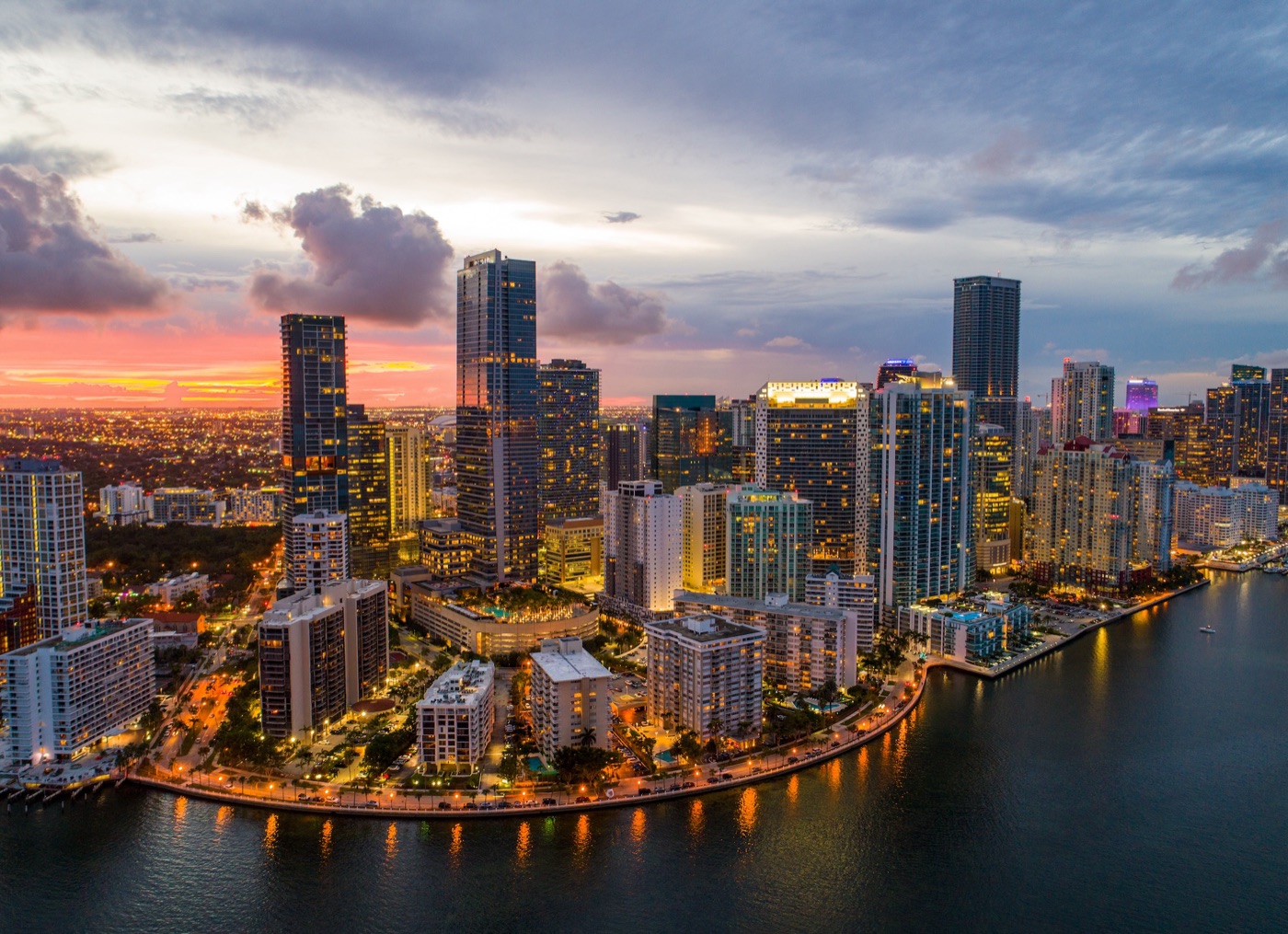
Miami is not just a city in the United States. It is the capital of the Americas. Over 60% of Miami-Dade County's population was born outside the United States, and immigration has been the single most powerful force shaping the city's real estate market for over six decades. From the Cuban exile community that built Coral Gables and Hialeah to the Venezuelan entrepreneurs revitalizing Doral and Weston, immigration does not just influence Miami real estate. It defines it.
Consejo: Entender las olas migratorias de Miami es clave para entender su mercado inmobiliario. Cada comunidad que llega crea demanda en barrios especificos, impulsa negocios locales y transforma el paisaje urbano.
The Cuban Foundation: 1960s to Present
The Cuban exile community is the foundation of modern Miami. Beginning in the early 1960s, waves of Cuban immigrants established businesses, cultural institutions, and residential neighborhoods that defined the city's identity. Little Havana, Coral Gables, and Hialeah were shaped by Cuban families who built generational wealth through real estate ownership. Today, Cuban-Americans represent the largest demographic group in Miami-Dade County and continue to be a dominant force in the real estate market as buyers, sellers, developers, and agents.
Explore on rangelyadames.com
The Venezuelan Wave: Doral and Beyond
The Venezuelan diaspora has reshaped western Miami-Dade County over the past two decades. Political and economic instability in Venezuela pushed hundreds of thousands of professionals, entrepreneurs, and families to South Florida. Doral, which locals now affectionately call "Doralzuela," became the epicenter of this community. Venezuelan buyers fueled a construction boom of single-family homes, townhomes, and condos that transformed Doral from agricultural land to one of Miami's most desirable suburbs.
The Venezuelan community brought capital, business expertise, and consumer demand that supported new restaurants, private schools, and retail centers. Home prices in Doral have appreciated steadily as the community invested in properties and built long-term roots. Explore current availability in our MLS search.
Colombian, Argentine & Brazilian Buyers
Colombian buyers have long favored Brickell and Aventura, drawn by direct flights from Bogota and Medellin, a familiar language, and Miami's reputation as a safe harbor for capital. Argentine buyers, facing persistent currency instability, have historically purchased cash properties in Miami as a hedge against peso devaluation. Brazilian buyers surged into the market during Brazil's economic booms, favoring Sunny Isles Beach and Miami Beach.
En Espanol: Para compradores latinoamericanos, Miami ofrece algo que pocas ciudades pueden igualar: estabilidad legal, proteccion de activos, proximidad a sus paises de origen y una comunidad que habla su idioma. Es por eso que Miami sigue siendo el destino numero uno para inversion inmobiliaria latinoamericana en Estados Unidos. Visita nuestra guia para compradores internacionales para mas informacion.
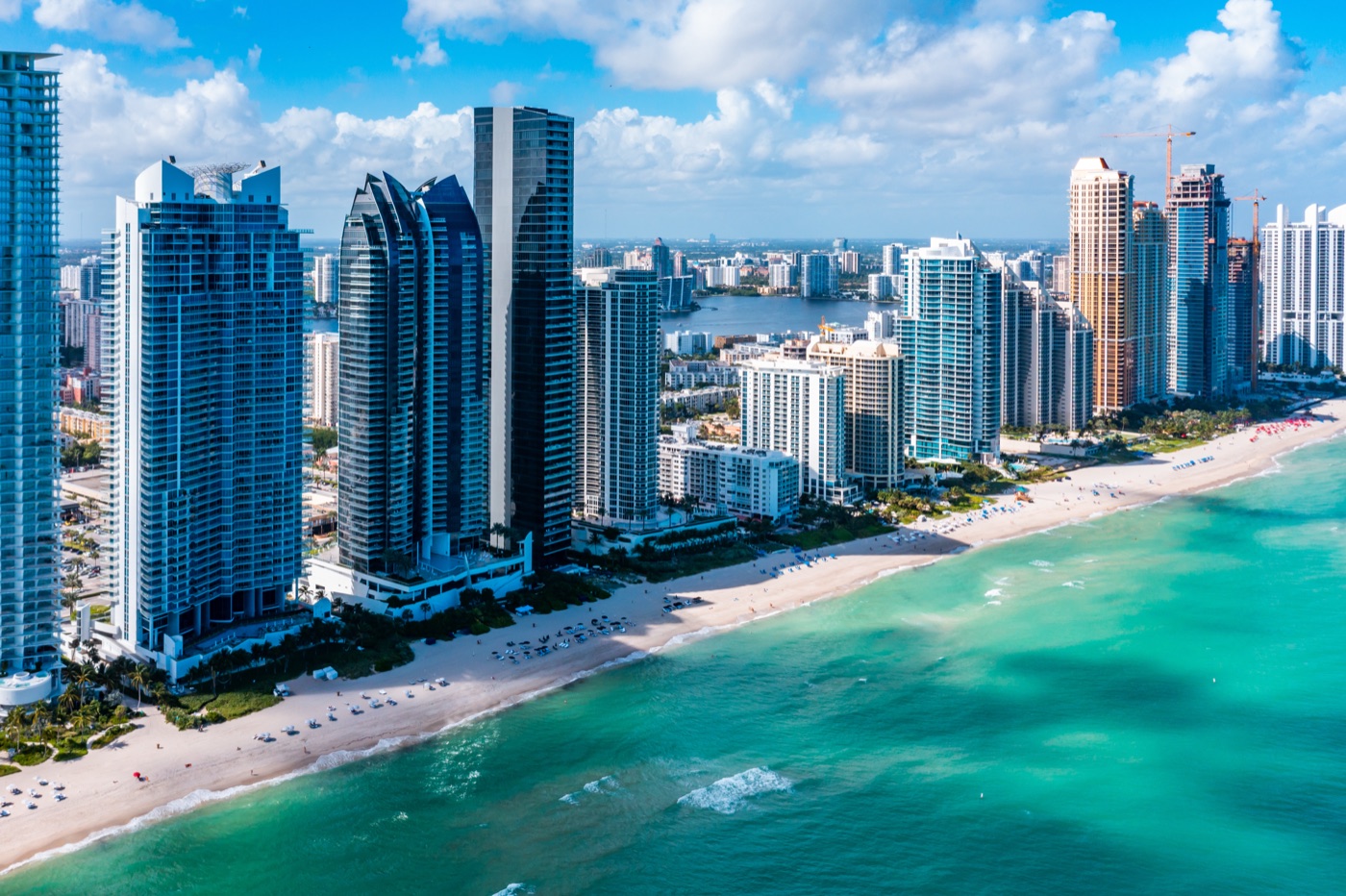
The Tech & Finance Migration: 2020-2026
The most recent immigration wave to impact Miami real estate is domestic. Since 2020, tens of thousands of professionals from New York, San Francisco, and Chicago have relocated to Miami, drawn by Florida's lack of state income tax, remote work flexibility, and Miami's improving tech and finance ecosystem. This migration has pushed up prices in neighborhoods like Coconut Grove, Brickell, and family neighborhoods across the county.
These domestic migrants tend to have higher incomes than the Miami average, and they arrive with equity from selling homes in more expensive markets. A family selling a $1.5 million home in Brooklyn or Palo Alto can purchase a significantly larger or better-located property in Miami, which has created upward price pressure across the market.
How Immigration Shapes Neighborhood Identity
Each immigrant community creates demand for specific amenities, schools, restaurants, and cultural institutions that define a neighborhood's character. Little Havana, Hialeah, Doral, Aventura, Sunny Isles, and Little Haiti each have a distinct cultural identity shaped by the communities that call them home. This cultural richness is one of Miami's greatest assets and a key reason why international buyers are drawn to the city.
For real estate investors, understanding these cultural corridors helps identify neighborhoods with strong community bonds, growing populations, and sustained demand. A neighborhood with an established immigrant community, good schools, and cultural anchors tends to be more resilient during market downturns and appreciates faster during upswings.
The Investment Opportunity
Miami's immigration-driven growth shows no signs of slowing down. The city's position as the gateway between the Americas, combined with Florida's business-friendly tax environment, continues to attract new residents from across the globe. This sustained population growth creates consistent demand for housing, supporting both property values and rental income.
Consejo: Si estas buscando invertir en Miami, considera barrios con comunidades inmigrantes establecidas y crecientes. Estos barrios tienen demanda sostenida, negocios locales prosperos y una base de inquilinos estable. Consulta nuestro analisis de retorno de inversion para ver los numeros.
Whether you are an international buyer looking for your first Miami property or a local investor seeking to understand market trends, I provide personalized guidance that accounts for the cultural and economic forces driving Miami's neighborhoods. Browse our featured properties or visit our FAQ page for answers to common questions about buying in Miami.
Related Articles
September 28, 2026 · 10 min read
Argentine Buyers Guide to Miami Real Estate: Process, Financing Themes, and Neighborhood Fit (2026)
Buying Miami real estate from Argentina is workable when you separate what your agent coordinates from what your attorney, CPA, and lender decide. This support guide walks through the process, financing themes, remote closing, and neighborhood fit, then points you to the Argentina foreign-buyer hub for next steps.
Read article →February 2026 · 9 min read
Aventura Real Estate Guide: Condos, Schools & Lifestyle (2026)
Luxury high-rises, top-rated schools, and the Aventura Mall — why families and investors love this North Miami suburb.
Read article →February 2026 · 9 min read
Airbnb Investment Properties in Miami: Rules, ROI & Best Areas
Short-term rental regulations, income projections, and the best Miami neighborhoods for Airbnb investing.
Read article →Your Miami Real Estate Expert
I work with buyers from across the Americas and around the world. Bilingual service, local expertise, and a deep understanding of what makes Miami's market unique.