High Floor vs. Low Floor Miami Condos: What Every Buyer Should Know (2026)
By Rangely Adames • April 2026 • 11 min read
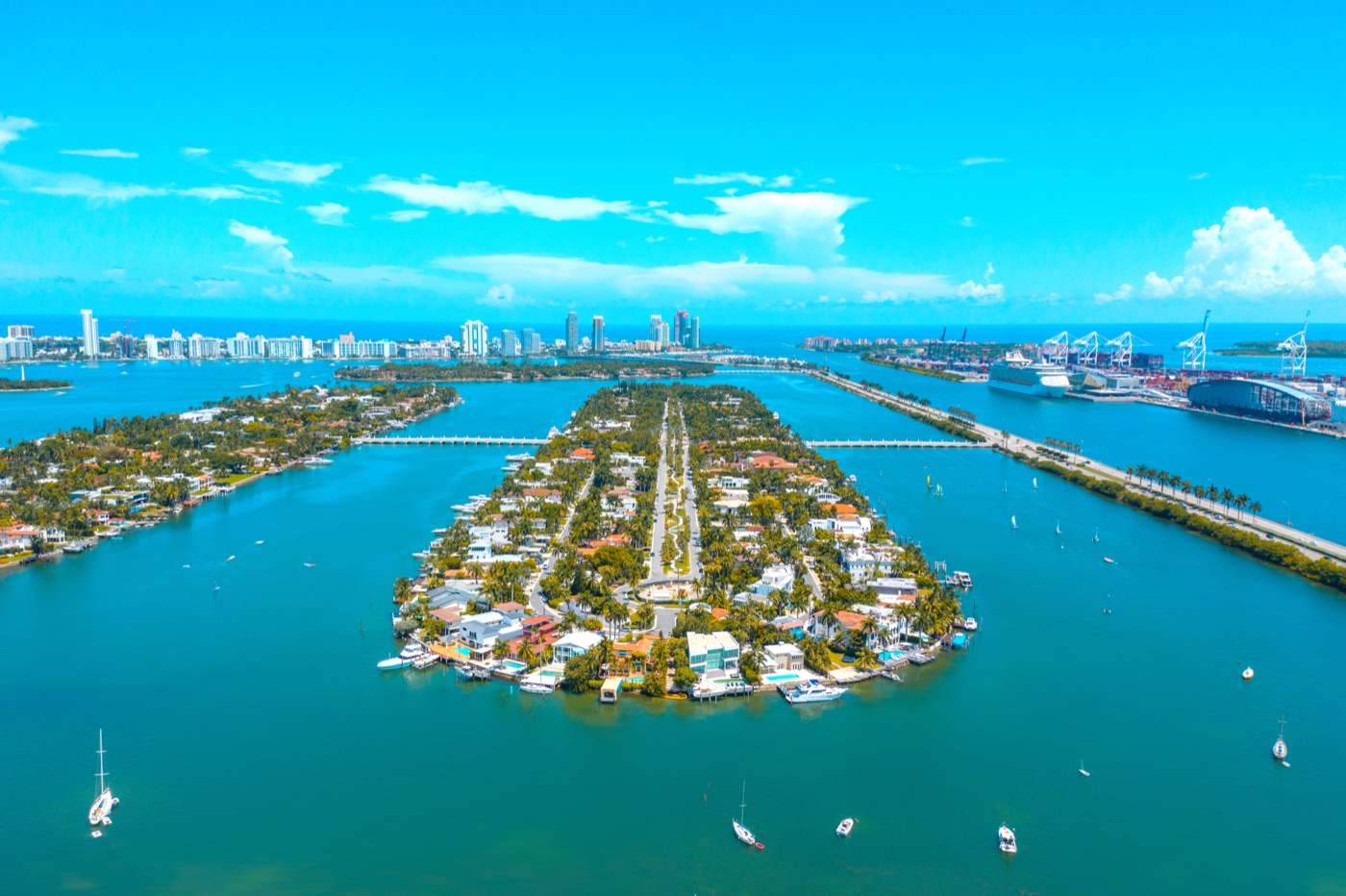
One of the first questions I get from buyers shopping for a condo in Miami is whether the floor number actually matters. The short answer is yes, it matters quite a bit. In a city where towers along Brickell Avenue, Collins Avenue in Sunny Isles, and Biscayne Bay in Edgewater routinely climb 50 to 80 stories, a buyer on the 5th floor and a buyer on the 52nd floor are getting very different products even when they are inside the same building.
Over the years I have helped clients buy and sell condos everywhere from the lower floors of a mid-rise in Coconut Grove to the upper penthouses of Porsche Design Tower in Sunny Isles and Brickell Flatiron in downtown Miami. Every single time, the floor number shapes the negotiation, the insurance quote, the daily living experience, and eventually the resale. What seems like a simple choice, high or low, is actually a layered decision that touches your budget, your lifestyle, and your long-term return.
In this guide I want to walk you through the real differences I have seen in the Miami market. I will cover pricing gaps, noise and privacy, insurance costs, hurricane considerations, rental appeal, and how buyers in different segments, from first-time condo owners to Latin American investors, tend to approach this choice. My goal is to give you the specific numbers and honest trade-offs so you can make the right call for your situation.
Ready to Find the Right Floor in Miami?
I work with buyers across Brickell, Sunny Isles, Edgewater, and all of Miami's condo corridors. Hablamos Espanol. Call me at (954) 833-0020 and let's find the unit and floor that fits your budget and goals.
Call (954) 833-0020Sunland Real Estate LLCHow Much More Does a High Floor Actually Cost in Miami?
The price premium for a higher floor is real and it compounds as you move up the tower. In my experience working with buyers in Brickell, the average price-per-square-foot difference between a low floor unit (floors 2 through 10) and a mid floor unit (floors 20 through 35) in the same building typically runs between 8 and 15 percent. Once you get above floor 40 in a luxury tower, the gap between that unit and a comparable low floor can reach 20 to 30 percent or more.
To put actual numbers on it, consider a building like One Thousand Museum or Aston Martin Residences in downtown Miami, where lower-floor units with partial bay views start around 1,500 to 1,800 dollars per square foot, while full upper-floor residences with unobstructed Biscayne Bay views trade at 2,500 to 3,500 dollars per square foot or higher. A 2,000-square-foot unit in the same building can range from roughly 3 million dollars on a lower floor to 6 or 7 million dollars near the top.
In Sunny Isles, where buildings like Regalia, Residences by Armani Casa, and Porsche Design Tower sit right on the beach, the floor premium is driven almost entirely by the ocean view angle. A lower floor with an obstructed view might list at 1,200 dollars per square foot, while an upper floor with a full Atlantic panorama commands 2,000 to 2,800 dollars per square foot. Buyers need to understand they are not just paying for extra altitude. They are paying for the view corridor, the light quality, and the bragging rights that drive resale demand.
Explore on rangelyadames.com
Views, Light, and the Living Experience
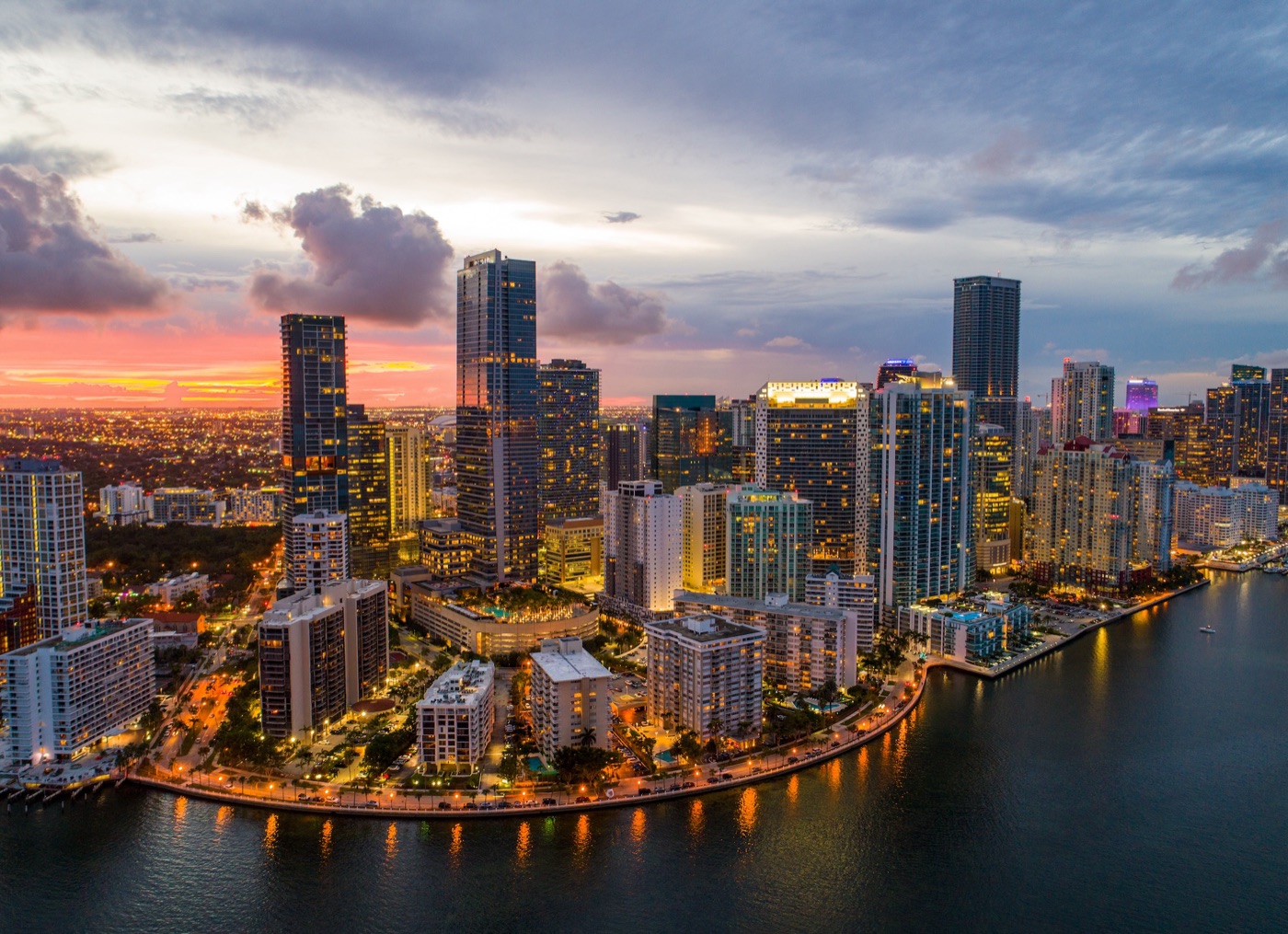
The most obvious reason buyers reach for higher floors is the view, and in Miami that view can be genuinely life-changing. From floors 30 and above in Brickell or Edgewater, you get an unobstructed sightline across Biscayne Bay toward Key Biscayne, the Port of Miami, and on a clear day the upper Florida Keys. In Sunny Isles, looking east from a high floor means uninterrupted Atlantic Ocean as far as the horizon. These are not just aesthetic benefits. They are lifestyle benefits that affect how you feel every single morning.
Natural light is another factor buyers underestimate. Miami gets about 248 sunny days per year, and a high floor unit makes full use of that. Low floor units in dense corridors like Brickell Avenue or the Edgewater stretch along Biscayne Boulevard can face neighboring towers, parking structures, or mature tree canopies that block light for most of the day. I have shown units on the 4th floor of a new Brickell tower that felt dark at 11 in the morning because another building sat 60 feet away.
That said, lower floors have real advantages for buyers who prioritize ease of access over views. If you are using the building as a pied-a-terre and traveling frequently, waiting for an elevator from the 55th floor gets old. Many of my clients who own multiple properties and spend only 30 to 60 days per year in Miami actually prefer a well-located lower floor unit for the convenience. The same logic applies to buyers with young children or elderly family members who visit regularly.
Noise and Privacy: The Case for Going Higher
Miami is a loud city and that is part of its appeal. But when you are paying top dollar for a luxury condo, you generally do not want to hear Brickell Avenue traffic, the bass from a rooftop bar next door, or construction noise from the next tower going up down the block. Lower floors absorb more of that ambient noise, and in active urban corridors like Brickell, downtown, and Midtown Miami, that is a genuine quality-of-life issue.
I once had a client who purchased a beautiful unit on the 7th floor of a building near Wynwood. The unit was stunning inside. Six months later she called me because the weekend noise from street events and the entertainment district below was affecting her sleep. She ended up selling and moving to a higher floor in Edgewater. It was a costly lesson and one I now make sure to address early in every condo search.
In neighborhoods like Coconut Grove or Coral Gables, where buildings are lower and set back from commercial corridors, the noise issue is less severe. But in high-density areas, I consistently advise clients to consider noise as a non-negotiable filter and to visit the unit on a Friday or Saturday night before signing a contract.
Hurricane Preparedness and Insurance Costs by Floor
Florida hurricane insurance is a topic I cover in depth elsewhere on this blog, but floor selection has a specific impact on your premiums and your storm experience. Many buyers assume higher floors are more dangerous in a hurricane. In a properly engineered modern tower, that is not accurate. Buildings constructed after Florida's updated building codes following Hurricane Andrew in 1992 and the 2004 to 2005 storm seasons are engineered to handle Category 4 and even Category 5 wind loads.
What does differ by floor is wind exposure. Upper floor units in towers on the beach, like those in Bal Harbour or Sunny Isles, will experience more wind pressure against windows and balconies during a major storm. However, these same buildings are required to have impact-resistant glass rated for the highest wind loads, so structural risk is managed. The bigger practical issue for high floor owners is the balcony experience during storm season, where wind at altitude makes outdoor furniture management more important.
On the insurance cost side, your individual unit's floor does not typically drive a large difference in condo unit owner insurance, also called HO-6 insurance. What matters more is the building's overall master policy, its reserve fund, and its recertification status. That said, buildings in coastal flood zones, particularly those with parking garages and amenity levels at grade, face different flood risk for lower floors. If a building sits in FEMA Flood Zone AE, units on floors 1 and 2 may carry additional flood insurance requirements that units on floors 5 and above do not.
What Floor Works Best for Rental Income and Investment?
If you are buying a Miami condo as an investment and plan to rent it out, floor selection should be driven by your target renter profile and your price point. I have helped many Latin American and international investors acquire condos specifically for rental income, and the floor conversation always comes up.
For short-term rentals in buildings that permit them, such as certain condotel buildings in Sunny Isles and Miami Beach, upper floor units with ocean views command meaningfully higher nightly rates. On platforms like Airbnb and VRBO, a high floor ocean view unit in Sunny Isles can rent for 400 to 700 dollars per night during peak season, while a similar lower-floor unit without a clear view might top out at 250 to 350 dollars per night. The revenue gap can be 15,000 to 25,000 dollars per year, which matters when you are evaluating cap rates.
For long-term rentals targeting young professionals in Brickell or Edgewater, mid-floor units in the 15th to 30th floor range often hit the sweet spot. They offer partial bay or city views without the full premium price, which keeps acquisition costs lower and yields more competitive. I have seen investors pick up 2-bedroom units in Brickell at 750,000 to 900,000 dollars on floors 18 to 25 that rent for 4,200 to 5,000 dollars per month, producing gross yields in the 6 to 7 percent range before HOA and maintenance.
Lower floors are generally harder to rent at premium rates unless the unit has a direct pool deck or garden access, which some podium-level units in buildings like SLS Brickell or Hyde Midtown do offer. Those ground-adjacent amenity units have their own niche appeal, but they are the exception rather than the rule.
Key Factors to Evaluate Before Choosing Your Floor
I run through a mental checklist with every client before we narrow down a floor range. It covers the angles that get overlooked in the excitement of touring a beautiful unit.
Here are the most important factors I review with every buyer:
Here are the most important factors I review with every buyer:
- View obstruction: Research what is currently built or permitted on adjacent parcels. A bay view on the 12th floor today may be blocked by a new tower in two years.
- Elevator wait times: In towers over 50 stories, peak-hour elevator queues can add 5 to 10 minutes to every trip. Ask the building about elevator-to-unit ratios.
- Flood zone designation: Check the building's FEMA flood zone status. Lower floors in Zone AE may require separate flood insurance costing 800 to 2,500 dollars per year.
- Mechanical floors: Many buildings place mechanical equipment rooms or transfer floors at certain levels, which can create noise or vibration for adjacent units. Ask specifically about floor 13, 26, or wherever the mechanical level falls.
- Balcony usability: Floors above 35 to 40 in open coastal areas can experience wind speeds that make balconies uncomfortable or unusable on many days.
- Building orientation: A south-facing unit on a lower floor may get more direct sunlight than a north-facing unit on a higher floor. Always check compass orientation, not just floor number.
- HOA fees by floor: Some buildings charge higher monthly HOA fees for upper floor units or penthouse levels. Confirm the fee schedule before assuming all floors pay the same amount.
- Resale liquidity: Upper floor units in sought-after buildings sell faster and hold value better during slow markets, but they also attract a smaller buyer pool due to higher price points.
How Latin American and International Buyers Approach Floor Selection
A large portion of my clients come from Venezuela, Colombia, Argentina, Brazil, and Mexico, and I have noticed distinct patterns in how buyers from different countries prioritize floor selection. Many of my Venezuelan and Colombian clients, for example, place very high value on upper floors for security and privacy reasons, drawing on norms from cities like Caracas and Bogota where height correlates strongly with security. For them, a lower floor feels exposed regardless of the building's actual security features.
Brazilian buyers in my experience tend to be highly focused on ocean views and are often willing to pay the full premium for a high floor Sunny Isles or Miami Beach unit with direct Atlantic exposure. I have had Brazilian clients pass on genuinely spectacular Brickell units simply because the view was city-facing rather than water-facing.
Buyers from Mexico City and Buenos Aires, cities with strong urban living cultures, are often more open to mid-floor city view units in Brickell and Edgewater because they are comfortable with the urban tower lifestyle and prioritize walkability and building amenities as much as the view itself.
Understanding these preferences helps me guide clients to the right buildings and floor ranges more efficiently. If you are coming from outside the United States and want to talk through how Miami condo selection aligns with your lifestyle and investment goals, I encourage you to call me directly. Hablamos Espanol and I work with buyers from across Latin America and Europe every week. You can reach me at (954) 833-0020.
Resale Value and Long-Term Appreciation by Floor
The question I get asked most by investor clients is simple: which floor holds its value better over time? Based on what I have seen across multiple market cycles in Miami, the answer is consistently the upper third of any building in a trophy location.
During the 2020 to 2022 luxury surge, upper floor units in buildings like Brickell City Centre, Echo Brickell, and Turnberry Ocean Club in Aventura appreciated 35 to 55 percent while lower floor units in the same buildings appreciated 20 to 35 percent. The gap is not always that wide, but upper floors consistently outperform in strong markets and hold value better in cooling markets because they represent a scarcer and more differentiated product.
There is also a psychological floor, no pun intended, for luxury buyers. A buyer spending 3 million dollars or more on a Miami condo almost always wants a view. That 3 million dollar budget is not going to a lower-floor unit with a parking garage view when a better floor is available. This concentration of demand at the top of the building creates price resilience that lower floors simply do not have.
The one exception is the penthouse and sub-penthouse tier, which can be slower to trade in weak markets because the buyer pool is genuinely thin. Units priced above 10 million dollars in any Miami building may sit for 12 to 24 months between buyer opportunities, whereas a well-priced upper-mid floor unit at 2 to 4 million dollars in Brickell or Edgewater typically finds a buyer in 60 to 120 days in a normal market.
If you are buying for pure appreciation and plan to hold for 5 to 10 years, I generally recommend targeting floors in the 60th to 80th percentile of a building's height, which captures most of the view premium without the full penthouse illiquidity. In a 50-story building that means floors 30 to 40. In a 70-story building it means floors 42 to 56. That is the sweet spot where strong demand, manageable price points, and view quality all converge.
I am happy to walk you through specific buildings, floor plans, and pricing across any Miami neighborhood. Call me at (954) 833-0020 and let's talk about what your goals are and which buildings and floors match them best.
Let's Talk Miami Condos
Whether you are buying your first Miami condo or adding to an investment portfolio, I can help you navigate floor selection, pricing, and negotiation. Call Rangely Adames at (954) 833-0020 today.
Related Articles
September 28, 2026 · 10 min read
Argentine Buyers Guide to Miami Real Estate: Process, Financing Themes, and Neighborhood Fit (2026)
Buying Miami real estate from Argentina is workable when you separate what your agent coordinates from what your attorney, CPA, and lender decide. This support guide walks through the process, financing themes, remote closing, and neighborhood fit, then points you to the Argentina foreign-buyer hub for next steps.
Read article →February 2026 · 9 min read
Aventura Real Estate Guide: Condos, Schools & Lifestyle (2026)
Luxury high-rises, top-rated schools, and the Aventura Mall — why families and investors love this North Miami suburb.
Read article →February 2026 · 9 min read
Airbnb Investment Properties in Miami: Rules, ROI & Best Areas
Short-term rental regulations, income projections, and the best Miami neighborhoods for Airbnb investing.
Read article →