Pre-Construction vs. Resale Condos in Miami: Which Is the Better Buy? (2026)
By Rangely Adames • May 2026 • 11 min read
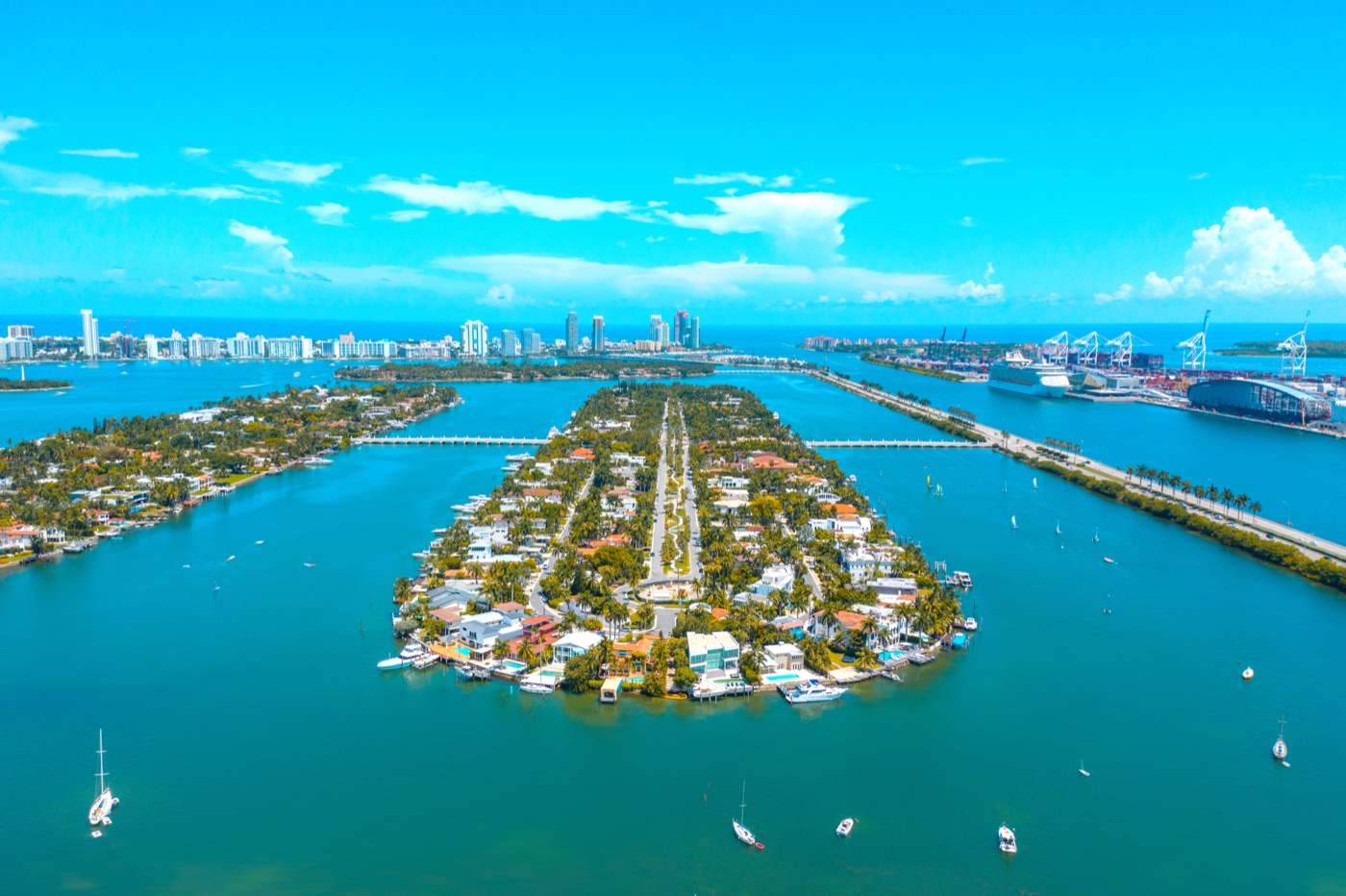
One of the most common decisions my clients face when buying in Miami is whether to go pre-construction or resale. It sounds like a simple choice, but the two paths are genuinely different experiences with different financial profiles, different timelines, and different risk levels. I have guided buyers through both, and I can tell you that the right answer depends almost entirely on your specific goals, your liquidity, and how long you plan to hold the property.
Miami has one of the most active pre-construction markets in the country. Developers like Related Group, Ugo Colombo's CMC Group, and JDS Development are constantly launching new towers in Brickell, Edgewater, Sunny Isles Beach, and along the waterfront in Coconut Grove. At the same time, the resale inventory in buildings like One Thousand Museum, Porsche Design Tower, and the Continuum on South Beach gives buyers access to finished, proven product in some of the most desirable addresses in the city. Both worlds offer real opportunity. Both carry real risk.
In this post I am going to walk you through the key differences I see on the ground every week, from deposit structures and pricing dynamics to HOA fees, appreciation timelines, and negotiation leverage. Whether you are a first-time buyer, a Latin American investor looking to park capital in South Florida, or a domestic buyer relocating from New York or California, this breakdown will help you make a more informed decision. And as always, Hablamos Espanol, so if you prefer to go through this in Spanish, just call me at (954) 833-0020.
Not Sure Which Path Is Right for You?
I work with buyers at every price point across Miami, and I can help you compare specific pre-construction and resale options side by side. Hablamos Espanol. Call me at (954) 833-0020 and let's find the right fit for your goals.
Call (954) 833-0020How the Miami Pre-Construction Market Actually Works
When a developer launches a new tower in Miami, they typically sell units before a single floor has been poured. Buyers reserve a unit with an initial deposit, often 10 to 20 percent of the purchase price, and then fund additional deposit tranches over the construction period, which can run 18 months to 4 years depending on the project.
In my experience, the most competitive pre-construction pricing exists at the very beginning of a launch, during what developers call the VIP or Founders phase. A unit on the 30th floor of a new Edgewater tower might be priced at 1,100 dollars per square foot at launch and 1,350 dollars per square foot six months later once the project is fully permitted and construction financing is secured. That spread is real, and it is one of the main arguments developers use to attract early buyers.
What buyers sometimes miss is that pre-construction pricing is not always a discount. In a supply-constrained market with rising construction costs, developers price in their expected appreciation and their profit margin from day one. You are not necessarily buying below market. You are buying into a future market, and that is a different thing entirely.
Explore on rangelyadames.com
Deposit Structures and Cash Flow Requirements
This is where pre-construction separates itself most sharply from resale, and where many of my foreign buyer clients are caught off guard. A typical Miami pre-construction deposit structure might look like this: 20 percent at contract signing, 10 percent when the building tops off, 10 percent at a set construction milestone, and the remaining 60 percent at closing.
On a 1.5 million dollar unit, that means you need 300,000 dollars ready immediately, with another 150,000 due 12 to 18 months later, and another 150,000 after that. Your 900,000 dollar balance is due at closing, which might be 3 or 4 years away. Most lenders will not lock in a mortgage rate for a closing that far in the future, which means your financing costs at closing are unknown at contract signing.
Resale condos in Miami, by contrast, follow the standard real estate contract timeline. You typically put down 10 percent at contract, and the balance is due at closing 30 to 60 days later. If you are financing, you can lock in your rate once you have a clear closing date. The capital commitment is more straightforward, and the timeline is compressed.
Pricing Realities: What Are You Actually Paying Per Square Foot?
Let me give you some real context on where prices sit right now. In Brickell, pre-construction luxury towers are launching at 1,200 to 1,800 dollars per square foot depending on the developer, floor, and view. In Sunny Isles Beach, new oceanfront product from developers like Dezer Development is reaching 2,000 to 3,500 dollars per square foot for premium floors. In Edgewater, pre-construction ranges from 900 to 1,400 dollars per square foot.
Resale pricing in the same neighborhoods tells a more nuanced story. A finished unit in a well-maintained Brickell building from 2018 or 2019 might trade at 900 to 1,100 dollars per square foot. A resale unit in Porsche Design Tower in Sunny Isles, one of the most distinctive buildings in South Florida, has traded as high as 3,000 dollars per square foot. The range is wide because condition, floor, renovation quality, and the specific building's reputation all matter enormously.
The honest takeaway is that pre-construction is not automatically more expensive, and resale is not automatically a bargain. You need to compare specific units in specific buildings, accounting for what you are getting for the price. I run those numbers with my clients every time before we make any offer or reservation.
Key Differences at a Glance
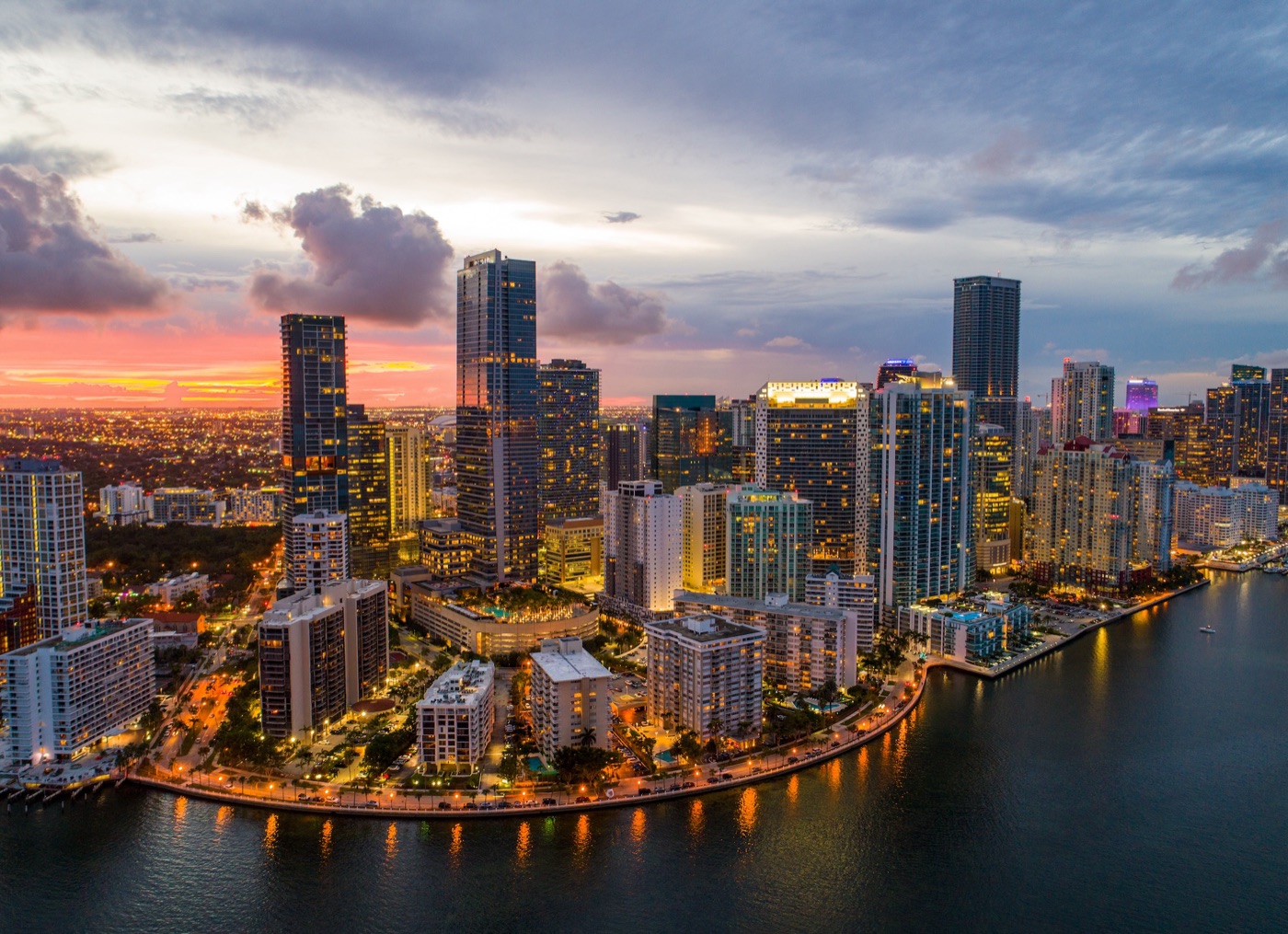
Before going deeper into the financial analysis, it helps to see the major distinctions side by side. Here are the most important factors to weigh when choosing between pre-construction and resale in Miami:
Pre-construction advantages and trade-offs compared to resale:
- Timeline: Pre-construction takes 2 to 5 years before you can occupy or rent. Resale is move-in or rent-ready in 30 to 60 days.
- Customization: Pre-construction often allows finish selections like flooring, cabinetry, and appliances. Resale is what you see.
- Deposit structure: Pre-construction requires large staged deposits with no financing available during construction. Resale uses standard 10 percent deposit with mortgage at closing.
- Developer risk: If a developer delays, cancels, or goes bankrupt, your deposit may be tied up for years. Resale carries no developer risk.
- HOA fees: New construction buildings often have lower HOA fees at first because reserve funds are not fully established. Those fees tend to rise significantly within the first 3 to 5 years.
- Warranty: Pre-construction units come with a Florida statutory 3-year and 10-year builder warranty. Resale units have no such protections.
- Negotiation: Resale sellers can negotiate on price, closing costs, and inclusions. Developers rarely discount from the published price sheet, especially in early phases.
- Rental income: Resale units can generate income immediately after closing. Pre-construction buyers wait years for the building to be completed.
- Market risk: Buying pre-construction means your closing price is locked in today, but your appraisal and market value at delivery are unknown.
The Appreciation Argument: Pre-Construction as an Investment
The most compelling argument for pre-construction is the potential for appreciation between your reservation date and your closing date. In a rising market, a unit you reserved at 900,000 dollars might be appraised at 1.1 million or 1.2 million dollars by the time the building delivers. That gain is real, and it happens before you even take title.
I have seen this play out repeatedly for investor clients who bought in the Paraiso District in Edgewater when those towers launched in 2016 and 2017. By the time buildings like Paraiso Bay and Gran Paraiso delivered, buyers had locked in prices that were well below where the market had moved. Some of those buyers sold their contracts before closing for substantial profits.
But the opposite is also true. Buyers who purchased pre-construction in some Brickell projects that delivered in 2017 and 2018 found themselves closing into a softer market with significant new inventory competing for the same renter and resale buyer pool. If you are buying pre-construction purely as a short-term flip, you need to understand that you are making a bet on market conditions 3 to 4 years out. In my experience, the buyers who do best with pre-construction are those who plan to hold for at least 5 to 7 years regardless of where the market is at delivery.
Resale Condos: The Case for Buying What You Can See
There is a lot to be said for buying a condo you can walk through, evaluate, and close on quickly. When I show a resale unit in a building like the Four Seasons Residences in Brickell or the Bristol Tower in Coconut Grove, my clients can see the actual view from their specific unit, test the quality of the finishes, evaluate the common areas, review the financials, and talk to other residents or the building manager.
That level of due diligence is simply not available with pre-construction. Renderings are marketing tools, not guarantees. The 38th floor view in the rendering may look different once adjacent towers are built. The lobby finishes may be value-engineered after contracts are signed. These are not hypothetical concerns. I have seen them happen.
Resale also gives you immediate access to the building's actual financial health. Under Florida law, condo sellers must provide the association's most recent financial statements, budget, reserve fund balance, and any pending special assessments. After the Surfside tragedy and the new Florida condo safety laws, this due diligence is more important than ever. A building with a well-funded reserve account is a fundamentally different asset than one that is underfunded and heading toward a large special assessment. I cover that entire checklist with every buyer I represent.
For buyers who want rental income from day one, resale is the clear choice. A well-priced unit in Aventura or Key Biscayne can be generating 4,000 to 8,000 dollars a month in rent within weeks of closing, depending on the unit size and whether short-term or long-term rental is allowed by the association.
HOA Fees, Special Assessments, and the True Cost of Ownership
One area where buyers consistently underestimate their total cost is HOA fees. In new Miami luxury buildings, HOA fees often start relatively low, sometimes 0.75 to 0.90 dollars per square foot per month, because the building is new and reserves are just being established. A 1,500 square foot unit might carry a 1,125 to 1,350 dollar monthly fee at first.
But as buildings age and reserve studies are completed, those fees tend to rise. Buildings from the early 2000s in South Beach and Brickell are now charging 1.50 to 2.50 dollars per square foot per month, and some older buildings with deferred maintenance are even higher. That same 1,500 square foot unit could cost 2,250 to 3,750 dollars per month in HOA alone.
With resale, what you see in the current HOA budget is a real data point. You can review the reserve study, understand the funding level, and make an informed judgment. I always recommend that buyers in any Miami condo, new or resale, budget for HOA fee increases of 3 to 5 percent per year over the first decade of ownership. That assumption will rarely steer you wrong.
Special assessments are a separate concern entirely. Post-Surfside, many older Miami buildings are facing mandatory recertification requirements and structural repairs that are generating six-figure special assessments for individual unit owners. If you are buying resale in a building constructed before 2000, this is a line item that demands careful attention before you sign anything.
My Recommendation: How to Choose the Right Path
After working with hundreds of buyers in Miami, my honest recommendation is this: the choice between pre-construction and resale should be driven by your timeline, your liquidity, and your intended use, not by which one sounds more exciting or more profitable in theory.
If you need to be in the unit within 6 months, if you are relocating, if you want rental income from day one, or if you want to perform thorough due diligence before committing your capital, resale is almost certainly the better path. Buildings like Echo Brickell, Jade Signature in Sunny Isles, or the Ritz-Carlton Residences in Coconut Grove offer world-class product in the resale market with full transparency and no developer risk.
If you have 3 to 5 years of patience, strong liquidity to fund staged deposits, and a long-term hold strategy, pre-construction in the right building at the right price can be an excellent investment. The key phrase there is the right building. Not every developer, not every location, and not every price point makes sense. I spend a significant part of my practice vetting developers and projects before I recommend them to clients. That due diligence has protected my clients from several projects that looked attractive on a website but had serious underlying issues.
If you are a Latin American buyer looking to invest in Miami real estate, I want to make sure you understand both paths in full detail. We can walk through the numbers, the tax implications, the FIRPTA considerations for non-resident sellers, and the best neighborhoods for your specific goals. Hablamos Espanol, and I am always reachable at (954) 833-0020.
Ready to Buy a Miami Condo? Let's Talk.
Whether you are drawn to a new tower in Brickell or a finished unit in Sunny Isles Beach, I can guide you through every step of the process. Call Rangely Adames at (954) 833-0020 today.
Related Articles
February 2026 · 9 min read
Aventura Real Estate Guide: Condos, Schools & Lifestyle (2026)
Luxury high-rises, top-rated schools, and the Aventura Mall — why families and investors love this North Miami suburb.
Read article →February 2026 · 9 min read
Airbnb Investment Properties in Miami: Rules, ROI & Best Areas
Short-term rental regulations, income projections, and the best Miami neighborhoods for Airbnb investing.
Read article →July 2026 · 10 min read
Bay Harbor Islands Real Estate Guide: Homes, Condos & Market (2026)
Waterfront homes with private docks, boutique condos, and a top-rated K-8 school make Bay Harbor Islands one of Miami's best-kept secrets. A bilingual 2026 buyer guide with prices and consejos para compradores. Hablamos Espanol.
Read article →