Resale vs. New Construction Condos in Miami (2026): Which Is the Better Buy?
By Rangely Adames • April 2026 • 11 min read
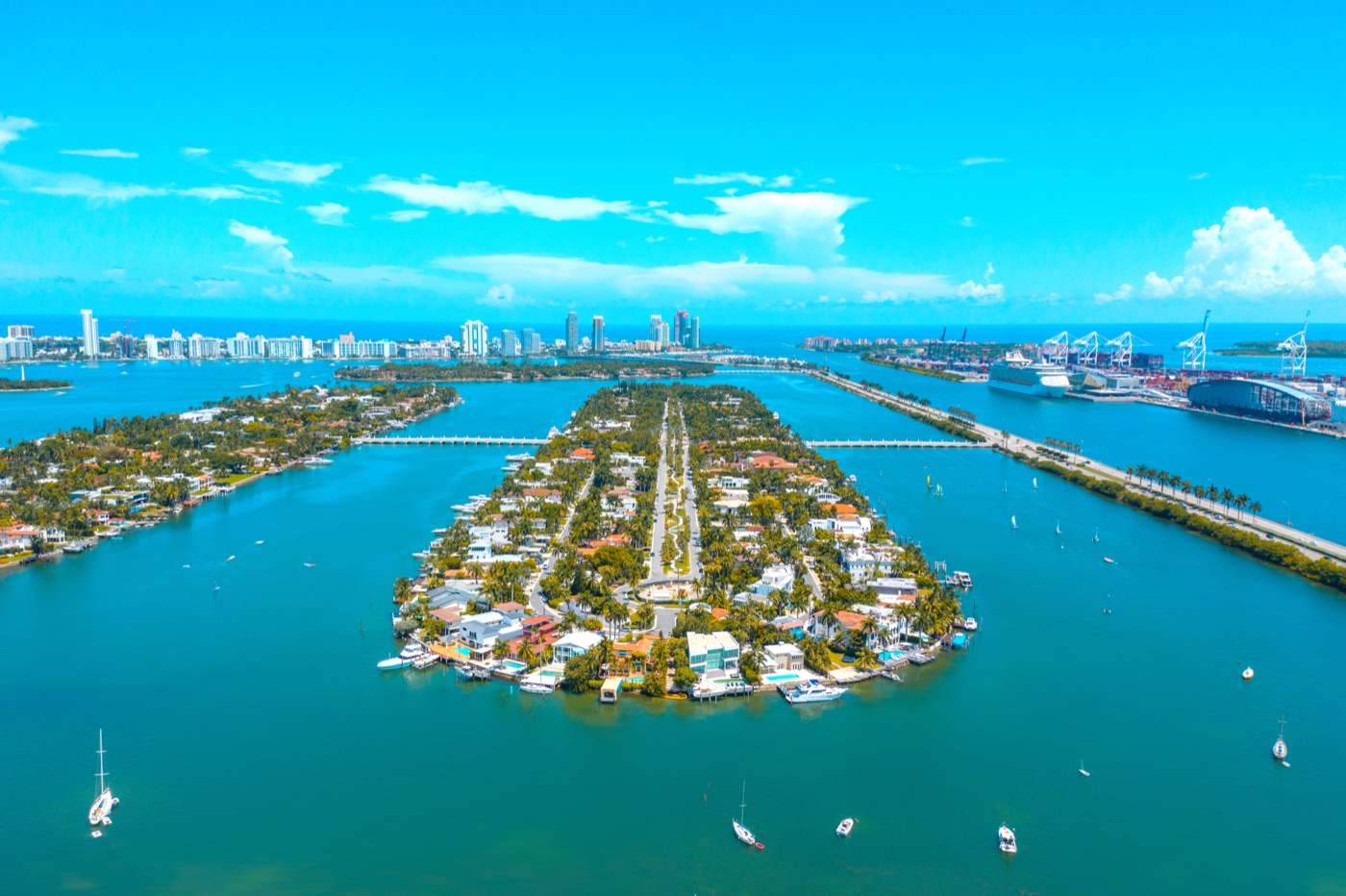
One of the most common questions I get from buyers, whether they are coming from New York, Bogota, or right here in South Florida, is whether they should buy a finished resale condo or lock into a new construction project. Both paths can lead to a great investment. Both paths can also lead to regret if you go in without the right information. After working with buyers across Brickell, Edgewater, Sunny Isles Beach, Miami Beach, and Coconut Grove, I have seen every possible outcome on both sides of this debate.
The honest answer is that neither option is universally better. It depends on your timeline, your financing situation, how much risk you can tolerate, and what you actually need from the property, whether that is a primary residence, a rental income asset, or a long-term appreciation play. In this post I am going to walk you through the real differences so you can make a clear-eyed decision.
I will cover pricing, deposits, HOA fees, building quality, rental restrictions, and the negotiation dynamics that most buyers never think about until it is too late. If at any point you want to talk through your specific situation, call me directly at (954) 833-0020. My team and I work with buyers in English and Spanish. Hablamos Espanol.
Not Sure Which Path Is Right for You?
I work with buyers at every price point across Miami and can pull current data on any building or project you are considering. Call (954) 833-0020 for a no-pressure conversation. Hablamos Espanol.
Call (954) 833-0020Sunland Real Estate LLCHow Pricing Actually Works: Resale vs. New Construction
Let me start with the number that matters most: what you are actually paying per square foot. In 2025 and into 2026, new construction luxury condos in Brickell are launching at anywhere from $1,100 to over $2,500 per square foot depending on the developer, the floor, and the finishes package. Resale units in the same corridor, in buildings that are five to fifteen years old, are trading between $700 and $1,400 per square foot for comparable layouts.
That gap exists for a reason. New construction carries a developer premium. You are paying for the brand-new finishes, the current building code compliance, the marketing cost the developer baked into the price, and in some cases, a genuine scarcity premium when a building sells out quickly. In Sunny Isles Beach, towers like Bentley Residences and the Porsche Design Tower have set records at prices that would have been unthinkable ten years ago, and buyers paid them because there was truly nothing else like those buildings on the market.
Resale pricing, on the other hand, is driven by comparable sales and by what a motivated seller needs to get out. That creates negotiating room that simply does not exist with most developers. I regularly see buyers in the resale market closing at five to ten percent below asking price, especially in buildings with higher inventory. In new construction, the developer's price list moves one direction: up, as floors sell out.
One important caveat: resale pricing in older buildings, meaning those built before 2010, has been compressed in some cases by Florida's new structural reserve funding requirements. Following the Surfside tragedy, condo associations are now required to maintain fully funded reserves, and in buildings where reserves were historically underfunded, buyers are seeing special assessments or dramatically higher HOA fees. That is a real cost that must be factored into any resale analysis.
Explore on rangelyadames.com
The Deposit Structure and Cash Flow Impact
This is where new construction and resale diverge most sharply, and it is something many buyers underestimate until they are already under contract.
With a resale condo in Miami, your deposit is typically ten percent at contract, and you close within 30 to 60 days. Your money is not tied up for long, your financing lines up with a known timeline, and you can move in or start generating rental income almost immediately.
New construction is a completely different animal. Most Miami developers use a tiered deposit structure that looks something like this: ten percent at contract, ten percent at groundbreaking, ten percent at top-off (when the building reaches its highest floor), and ten percent at closing. That means you have committed forty percent of the purchase price in cash before the building is finished, sometimes two to four years before you ever walk through the door.
On a $1.5 million unit, that is $600,000 of your capital sitting in an escrow account earning nothing, or at best a modest interest return, while you wait for construction to complete. For investors, that idle capital has a real opportunity cost. For buyers using a mortgage, remember that you will not actually close your loan until the certificate of occupancy is issued, so your financing environment could look very different at closing than it did when you signed the contract.
That said, buyers who purchased pre-construction in Edgewater or the Wynwood Arts District five years ago and are closing now have seen their units appreciate twenty to forty percent from their contract price to current market value, in some cases. The deposit structure feels painful, but the upside can be real when you pick the right project in the right neighborhood.
Delivery Timeline and the Hidden Costs of Waiting
When a developer tells you a building will deliver in 2027, budget mentally for 2028. Construction delays in South Florida are common. Supply chain issues, permitting delays, labor shortages, and weather events all push timelines back. I have seen projects deliver 12 to 18 months behind their original schedule, and buyers who had already given notice on their rentals or sold their previous homes found themselves scrambling.
If you are buying new construction as a primary residence or a full-time rental, you need to plan for where you are going to live or what you are going to do with that capital during the gap. If you are renting while you wait, you are paying Miami rents, which for a two-bedroom in Brickell currently run $4,500 to $7,000 per month depending on the building and the floor.
Resale buyers do not have this problem. You close, you get keys, you either move in or you put a tenant in place and start collecting rent. In a market where a well-priced two-bedroom in a building like Four Seasons Residences or Brickell Heights can rent for $5,500 to $8,000 per month, that immediate income is a significant financial advantage over waiting three years for a new tower to deliver.
The timeline question also affects buyers who need a specific school zone. Many of my clients with families are targeting Coral Gables or Pinecrest for the school districts, and in those markets resale is almost always the practical choice because the new construction inventory is limited and timelines are unpredictable.
Build Quality, Finishes, and What You Can Actually Customize
New construction sounds like it should mean better quality, and in many cases it does. Buildings completed in 2024 and 2025 are built to the latest South Florida Building Code, which was strengthened substantially after Hurricane Andrew in 1992 and revised again after Surfside. Impact windows are standard. Electrical and plumbing systems are new. Elevators, generators, and common areas are all under warranty.
Developer finish packages at the luxury tier are also genuinely impressive. Floor-to-ceiling glass, Italian cabinetry, Bosch or Wolf appliances, smart home pre-wiring, and resort-style amenity floors have become baseline expectations in new Brickell and Edgewater towers. Some buildings, like the Residences at 1428 Brickell or Ora by Casa Tua, are offering things that simply did not exist in this market five years ago.
Where buyers sometimes feel the new construction disappointment is in customization. At most price points below $3 million, developers offer limited finish selections and few structural modifications. You pick from three or four finish packages, and that is it. Buyers who want a specific layout, a wine room, or a custom kitchen configuration often find that a resale unit in a slightly older building that has already been gut-renovated gives them exactly what they want at a lower cost per square foot than new construction.
In my experience, the best gut-renovated resale condos in buildings like Jade Brickell, Icon Brickell, or Continuum on South Beach can rival new construction finishes while coming in ten to twenty percent below the cost of comparable new product. The key is finding those units, which is where having a knowledgeable agent makes a real difference.
HOA Fees, Special Assessments, and the True Monthly Cost
This is the line item that surprises buyers most often, and it deserves its own section.
New construction HOA fees in Miami luxury buildings typically start in the range of $1.50 to $2.50 per square foot per month. On a 1,500 square foot three-bedroom unit, that is $2,250 to $3,750 per month before you pay a single utility bill. Some ultra-luxury buildings with extensive hotel-style amenities run even higher. These fees cover building insurance, reserves, staff, amenities, and common area maintenance.
Resale buildings, particularly those built between 2000 and 2015, often have lower HOA fees at first glance, somewhere in the $0.90 to $1.40 per square foot range. However, the post-Surfside reserve funding requirements have forced many of these associations to either levy special assessments or dramatically increase monthly dues to reach full reserve compliance. Before buying any resale condo, I always recommend reviewing the most recent reserve study, the last two years of meeting minutes, and the current budget. I have seen buyers walk into a seemingly affordable resale unit only to discover a pending $50,000 special assessment that was approved two weeks before closing.
New construction buildings start fresh from a reserve-funding standpoint, which is a genuine advantage. The first five to ten years of ownership in a new building are typically the lowest-cost years from an HOA perspective, before deferred maintenance starts accumulating and before reserves need to be tapped for major repairs.
Rental Income Potential and Short-Term Rental Rules
For investors, the rental picture is critically important, and new construction does not automatically win this category.
Many new luxury buildings in Brickell, Edgewater, and Miami Beach come with strict rental restrictions built into their declarations. Some prohibit rentals in the first year of ownership. Others require a minimum lease term of six or twelve months. A handful of condo-hotel buildings like the Edition Residences or the Waldorf Astoria Residences allow nightly rentals through a managed program, but they also charge management fees that can consume thirty to forty percent of gross rental income.
In my experience, some of the best rental income properties in Miami are resale condos in buildings with flexible rental policies and proven rental histories. Buildings in Aventura, Sunny Isles Beach, and mid-Miami Beach allow three-month minimum leases and have strong seasonal rental markets. A well-located two-bedroom in Aventura or Sunny Isles Beach can generate $40,000 to $65,000 per year in gross rental income with a three-month minimum, and the entry price on a resale unit is often $200,000 to $400,000 less than comparable new construction.
Here is a quick comparison of what investors should evaluate before committing to either path:
Before you sign anything, call me at (954) 833-0020. I can pull the rental history and HOA rules for any specific building you are considering.
Key factors to compare before choosing new construction or resale as an investment:
- Minimum lease term allowed by the condo declaration
- Current HOA fee and any pending or recently approved special assessments
- Reserve fund status and whether the building has completed its Milestone Inspection under Florida law
- Actual comparable rental comps in the building for the past 12 months
- Developer deposit structure and total cash required before closing
- Building age and insurance rating, especially for wind and flood coverage
- Days on market for resale units in the building, which signals liquidity if you ever need to sell
- Proximity to employers, hospitals, universities, or transportation hubs that drive consistent rental demand
Negotiation Leverage: Where Buyers Have the Most Power
Negotiating a new construction purchase feels very different from negotiating a resale transaction, and understanding that dynamic can save you a meaningful amount of money.
With resale, you are negotiating with a human being who has an emotional and financial attachment to the property. Sellers respond to market conditions, to time pressure, and to the terms of your offer. In a building with 15 active listings, a motivated seller who has been on the market for 90 days is going to negotiate. I work with my buyers to use that data strategically, looking at price reductions, days on market, and seller carrying costs to structure offers that protect them and still get accepted.
With new construction, you are negotiating with a developer's sales team. Their job is to hold the price list as firm as possible to protect the comps for their remaining inventory. That said, developers do negotiate, just differently. In early launch phases, some developers will offer free upgrades, reduced parking fees, or credits toward closing costs in exchange for early reservations. In later sales phases when a building is 80 to 90 percent sold and the developer needs to close out, I have seen meaningful price concessions to move the last few units.
Timing your new construction purchase to align with one of those windows, either early launch or final closeout, tends to produce better outcomes than buying in the middle of a project's sales cycle when the developer has maximum leverage.
The key in both scenarios is working with an agent who knows the buildings, knows the developers, and knows what is actually negotiable versus what is not. That experience is worth significantly more than any buyer-broker commission you might think you are saving by going direct to the developer's on-site sales team. Developer sales agents represent the developer, not you.
Which Path Is Right for You in 2026?
After everything I have laid out here, the decision usually comes down to a few personal factors that I always discuss with buyers in our first consultation.
If you need a property within 60 to 90 days, whether because of a relocation, a school enrollment deadline, or a 1031 exchange timeline, resale is almost always the better path. The Miami resale market has meaningful inventory right now, particularly in Brickell, Edgewater, Aventura, and Miami Beach, and motivated sellers are creating genuine value opportunities.
If you have a longer horizon, three to five years before you need to occupy or monetize the property, and you are comfortable with the deposit structure and the construction risk, new construction in the right project and the right location can deliver strong appreciation. The projects I am most excited about heading into 2026 are those in transitional neighborhoods with genuine infrastructure improvements underway, areas where the gap between current pricing and future value is still meaningful.
If you are an international buyer or a Latin American investor navigating foreign buyer regulations, FIRPTA considerations, or financing challenges, the resale market often gives you more flexibility because sellers can accommodate longer inspection periods, delayed closings, and all-cash structures more easily than most developers.
Whatever your situation, I want to be the person who helps you get it right. My team works with buyers from across South America, Europe, and the Northeast who are making some of the most significant financial decisions of their lives in a city I know deeply. We do this in English and in Spanish. Hablamos Espanol. Reach us at (954) 833-0020 and let us put together a custom analysis for exactly the type of property you are looking for.
Let's Find the Right Condo for Your Goals
Whether you are drawn to a brand-new tower in Brickell or a turnkey resale in Sunny Isles Beach, I can help you compare your options with real numbers and no guesswork. Call (954) 833-0020 today.
Related Articles
September 28, 2026 · 10 min read
Argentine Buyers Guide to Miami Real Estate: Process, Financing Themes, and Neighborhood Fit (2026)
Buying Miami real estate from Argentina is workable when you separate what your agent coordinates from what your attorney, CPA, and lender decide. This support guide walks through the process, financing themes, remote closing, and neighborhood fit, then points you to the Argentina foreign-buyer hub for next steps.
Read article →February 2026 · 9 min read
Aventura Real Estate Guide: Condos, Schools & Lifestyle (2026)
Luxury high-rises, top-rated schools, and the Aventura Mall — why families and investors love this North Miami suburb.
Read article →February 2026 · 9 min read
Airbnb Investment Properties in Miami: Rules, ROI & Best Areas
Short-term rental regulations, income projections, and the best Miami neighborhoods for Airbnb investing.
Read article →