Miami Seasonal vs. Year-Round Living: What Buyers Should Know
By Rangely Adames • April 2026 • 8 min read
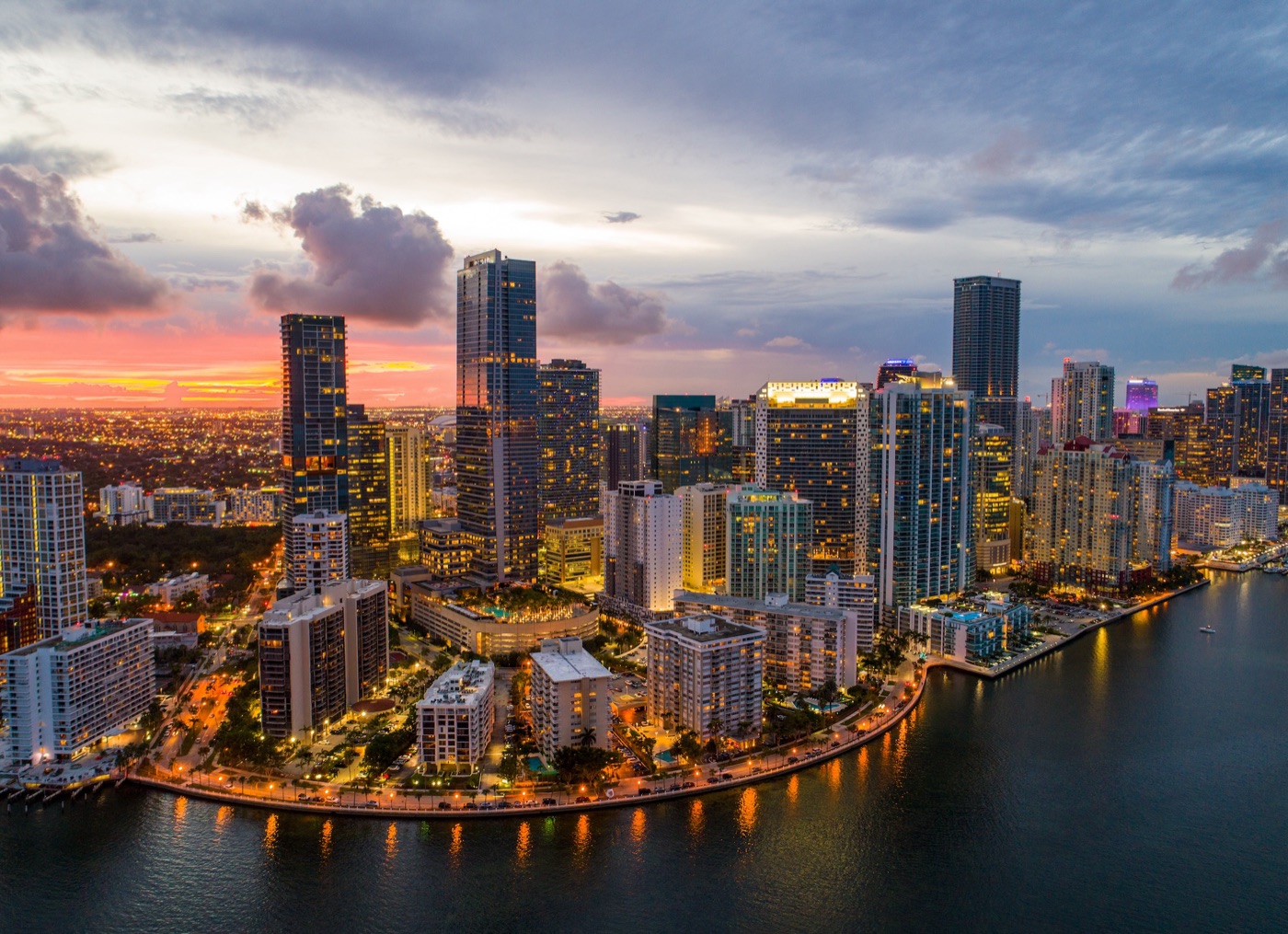
One of the most common questions I hear from buyers relocating to Miami is whether they should commit to living here full-time or start with a seasonal arrangement. Both approaches have real advantages, and the right choice depends on your career, family situation, budget, and tolerance for heat and humidity. This guide breaks down the honest pros and cons of each lifestyle so you can make a confident decision before purchasing.
The Seasonal Lifestyle: November Through April
Seasonal residents, often called snowbirds, typically arrive in November and leave by April or May. You get Miami at its absolute best: mild temperatures in the 70s and 80s, low humidity, no hurricane risk, and the peak social and cultural calendar. Art Basel, the Miami Open, boat shows, and outdoor festivals all happen during the dry season. For retirees and remote workers with flexibility, this window delivers an exceptional quality of life.
The financial trade-off is that you are paying for a property 12 months but only using it for five or six. To offset this, many seasonal owners rent their home during the summer months. Miami's summer rental market is active, driven by Latin American families visiting for school vacations and domestic tourists. However, condo associations in buildings like those in Brickell and Miami Beach often restrict short-term rentals, so verify the rules before buying.
Explore on rangelyadames.com
Year-Round Living: The Full Miami Experience
Living in Miami full-time means embracing the summer, and that means heat, humidity, afternoon thunderstorms, and hurricane season from June through November. The reality is that most full-time residents adapt quickly. Air conditioning is everywhere, and the summer months bring lower restaurant prices, empty beaches, and a more relaxed pace. Many locals consider summer the "real" Miami because the tourist crowds thin out.
Consejo: Si planeas vivir en Miami todo el ano, invierte en un buen seguro contra huracanes y un generador. La temporada de huracanes no es razon para no vivir aqui, pero si requiere preparacion.
The biggest financial advantage of year-round residency is Florida's homestead exemption, which reduces your property tax assessment by up to $50,000 and caps annual assessment increases at 3%. To qualify, you must declare the property as your primary residence by January 1. This exemption can save $1,000 to $3,000 or more per year depending on your property value. Learn more about how taxes work in our Miami property taxes guide.
Cost Comparison
Property taxes: Year-round residents with homestead exemption pay significantly less. Seasonal owners pay the full assessed rate, which can be 25-40% higher.
Insurance: Both pay the same premiums, but year-round residents may get modest discounts for having hurricane shutters and being present to maintain the property. Check our flood zone and insurance guide for details.
Utilities: A seasonal owner might spend $800-$1,200 per month on utilities during peak winter use but still pays base electric, water, and internet charges year-round. Full-time residents typically see higher summer electricity bills due to AC usage, averaging $200-$400 per month.
Maintenance:Empty properties in Miami's humid climate develop mold, pest issues, and plumbing problems faster than occupied ones. Seasonal owners often hire a property caretaker at $100-$300 per month to check on the home, run water, and ensure the AC stays functional.
Which Neighborhoods Fit Each Lifestyle?
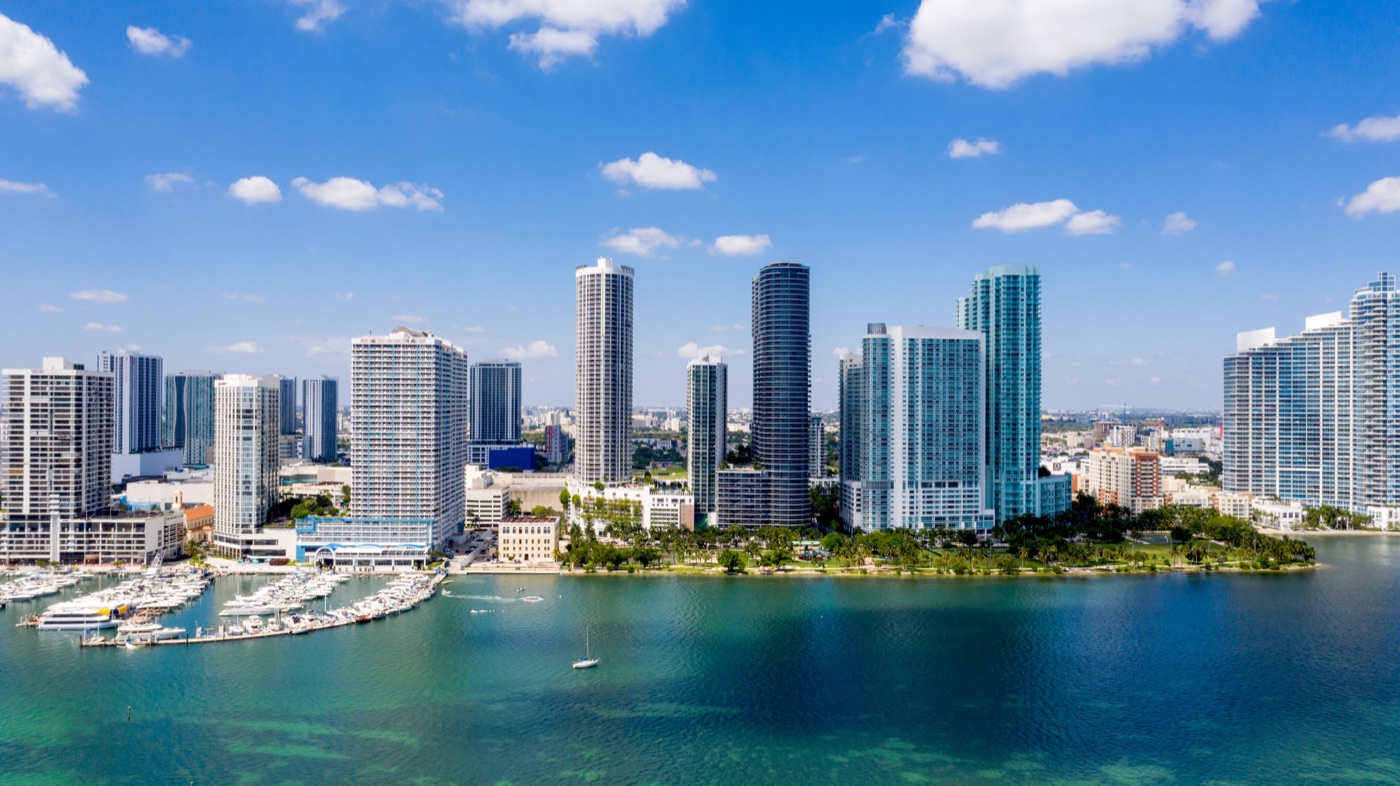
Best for seasonal: Miami Beach, Key Biscayne, Sunny Isles, and Bal Harbour offer the beach lifestyle that seasonal residents prioritize. Condo living works especially well because the building handles exterior maintenance while you are away. Browse available options in our MLS search.
Best for year-round: Coral Gables, Doral, Pinecrest, and Coconut Grove offer the schools, community infrastructure, and suburban comfort that full-time families need. These neighborhoods have strong year-round social networks that do not disappear when snowbird season ends.
En Espanol: Consideraciones Para Residentes de Temporada
Si estas pensando en comprar una propiedad de temporada en Miami, es importante entender las reglas de tu asociacion de condominios sobre alquileres a corto plazo. Tambien debes considerar los costos de mantener la propiedad vacia durante el verano. Una opcion popular es comprar en un edificio que permita alquileres y generar ingresos cuando no estes usando la unidad. Consulta nuestra pagina de alquileres para entender el mercado.
Making the Transition
Many of my clients start seasonal and eventually transition to full-time. This is a smart approach because it lets you test-drive neighborhoods, build a social network, and understand the rhythm of the city before committing. If you are considering this path, buy in a neighborhood that works for both lifestyles. A well-located condo in Brickell or Edgewater serves a seasonal owner perfectly and transitions seamlessly to a full-time primary residence when you are ready to file for homestead. Read our buyer's guide for more tips on finding the right fit.
Related Articles
September 28, 2026 · 10 min read
Argentine Buyers Guide to Miami Real Estate: Process, Financing Themes, and Neighborhood Fit (2026)
Buying Miami real estate from Argentina is workable when you separate what your agent coordinates from what your attorney, CPA, and lender decide. This support guide walks through the process, financing themes, remote closing, and neighborhood fit, then points you to the Argentina foreign-buyer hub for next steps.
Read article →February 2026 · 9 min read
Aventura Real Estate Guide: Condos, Schools & Lifestyle (2026)
Luxury high-rises, top-rated schools, and the Aventura Mall — why families and investors love this North Miami suburb.
Read article →February 2026 · 9 min read
Airbnb Investment Properties in Miami: Rules, ROI & Best Areas
Short-term rental regulations, income projections, and the best Miami neighborhoods for Airbnb investing.
Read article →Planning Your Miami Lifestyle?
Whether seasonal or year-round, Rangely can help you find the perfect property for your lifestyle.