How to Price and Sell Your Miami Home for Top Dollar (2026)
By Rangely Adames • April 2026 • 11 min read
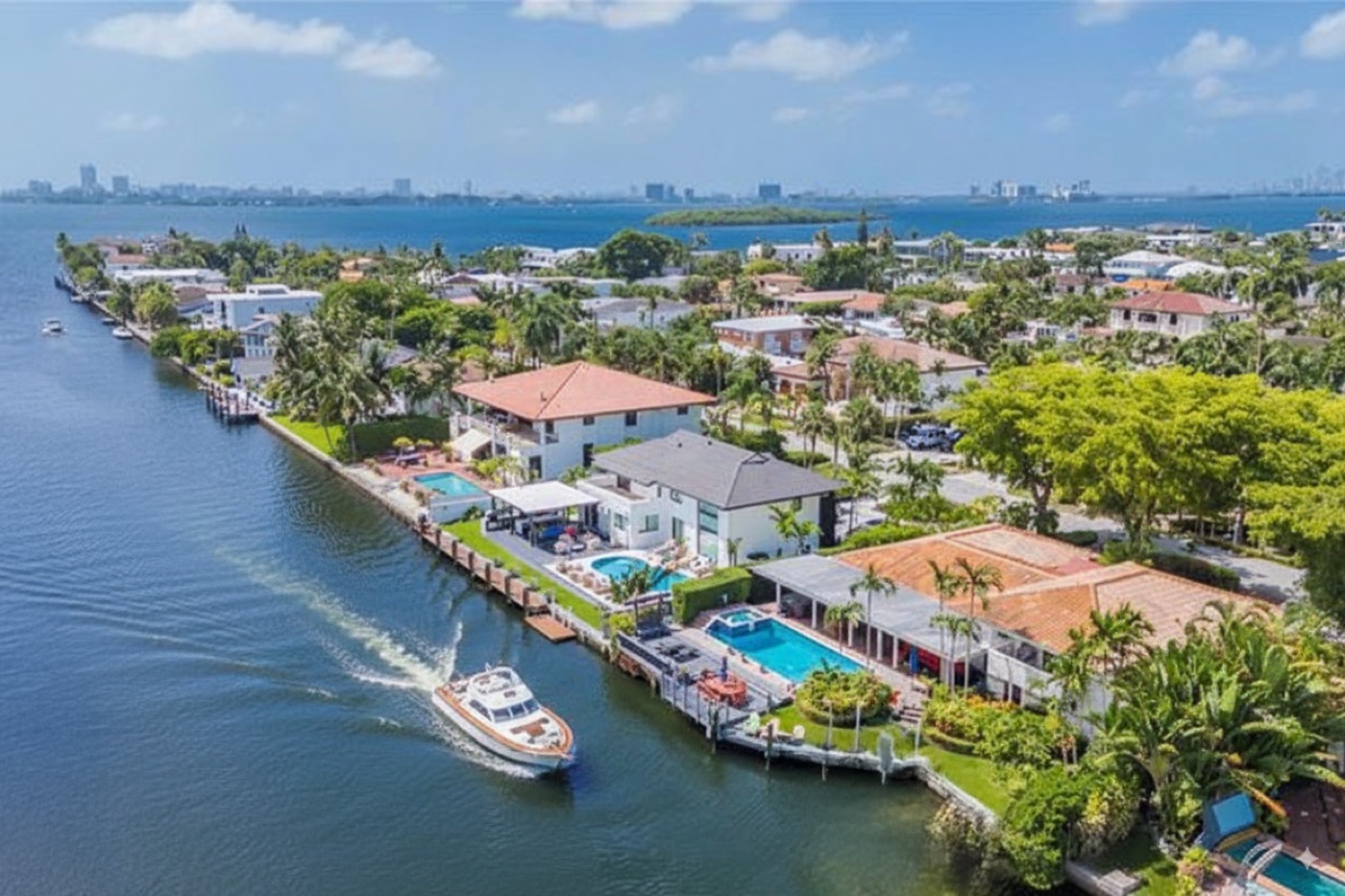
Selling a home in Miami is not like selling a home anywhere else in the country. The market here is shaped by international buyers, seasonal demand cycles, neighborhood-by-neighborhood price swings, and a condo inventory that can shift dramatically from one quarter to the next. I have worked with sellers in Coral Gables, Brickell, Coconut Grove, Edgewater, and Sunny Isles Beach, and I can tell you that the approach that works in one zip code can completely backfire in another.
The most common mistake I see sellers make is relying on a neighbor's sale price, a Zillow estimate, or a gut feeling to set their asking price. None of those tools account for your specific floor plan, your building's reserve fund health, your view corridor, or the three competing listings that just hit the market two blocks away. A strategic pricing decision requires real comparable data, a clear understanding of buyer psychology, and a plan for what happens if the first offer doesn't come in the first two weeks.
Whether you own a single-family home in Pinecrest, a pre-construction condo in Edgewater, or a waterfront estate in Coral Gables, the principles I am going to walk you through will help you go into your listing prepared. Hablamos Espanol, and I work with clients from across Latin America and the United States who are ready to sell and move on to their next chapter. If you want to talk through your specific situation before reading any further, call me at (954) 833-0020.
Ready to Find Out What Your Miami Home Is Worth?
I offer a complimentary market analysis for Miami sellers at every price point. Hablamos Espanol. Call (954) 833-0020 to schedule your consultation.
Call (954) 833-0020Sunland Real Estate LLCUnderstanding Miami's Seller Landscape in 2026
Miami's real estate market in 2026 remains one of the most competitive in the country, but it is not a blanket seller's market across every neighborhood and price point. At the luxury level, above $2 million, buyers have more options than they did in 2021 and 2022, and they are negotiating harder. In the $500,000 to $1.2 million range, well-priced single-family homes in strong school districts like Pinecrest, South Miami, and Palmetto Bay are still receiving multiple offers within the first week. Condos in buildings with high HOA fees or flagged reserve fund issues are sitting longer, sometimes 90 days or more.
Foreign buyer activity continues to be a significant driver. I regularly work with sellers whose buyers are coming from Brazil, Colombia, Argentina, Venezuela, and Mexico. These buyers move quickly when a property is priced correctly and the building financials are clean, but they also do their homework. They are comparing your listing to similar properties in Brickell, Midtown, and Edgewater with real diligence.
Inventory in Miami-Dade County has been rising steadily since late 2023, which means sellers no longer have the automatic upper hand they enjoyed during the pandemic years. Homes that are overpriced or poorly presented are now sitting on the market, collecting days on market that will hurt you when a serious buyer's agent pulls the history. Understanding exactly where your property fits in this landscape is the foundation of everything that comes next.
Explore on rangelyadames.com
How to Price Your Miami Property Correctly from Day One
Pricing is the single most important decision you will make as a seller. I have watched sellers leave significant money on the table by underpricing, but I have watched far more sellers lose weeks and ultimately sell for less by overpricing and then chasing the market down with reductions.
The right price is determined by a comparative market analysis that looks at sold properties, not listed ones. Listed prices tell you what sellers are hoping for. Sold prices tell you what buyers are actually paying. I pull the last 90 to 180 days of closed sales for properties that match yours in square footage, condition, floor, view, parking, and storage. In a building like One Thousand Museum in Brickell or Oceana Bal Harbour, even a unit two floors higher with the same layout can justify a $150,000 to $300,000 price difference.
In single-family neighborhoods, the comparables need to match lot size, bedroom and bathroom count, garage configuration, pool, and renovation level. A fully updated four-bedroom home in Coral Gables with a new roof, impact windows, and a renovated kitchen is not comparable to the same square footage sold as a fixer-upper two streets over. I walk through your home before I give you a number, because I cannot price what I have not seen.
One pricing strategy I use often is what I call a tight band approach. Rather than listing at $1,199,000 hoping to negotiate down to $1,100,000, I prefer to list at $1,049,000 if the market data supports $1,050,000 to $1,100,000 as the real value range. A sharp price creates urgency, and urgency creates competition. Competition is what pushes you above asking price. In the right price range and neighborhood, this approach can add $30,000 to $80,000 to your final number compared to starting high and reducing.
Preparing Your Home for the Miami Buyer
Miami buyers, especially at the $700,000 and above price point, expect a property to feel move-in ready. That does not necessarily mean full renovation. It means clean, fresh, and well-maintained. I tell every seller the same thing: the money you spend before listing will return more than the money you ask a buyer to credit you at closing.
The areas that get the highest return on investment in Miami are kitchens, primary bathrooms, exterior paint and landscaping, and flooring. A fresh coat of neutral interior paint costs $3,000 to $6,000 for an average home and makes every room photograph better and feel larger. Replacing worn tile or refinishing wood floors can cost $5,000 to $12,000 and regularly adds $20,000 to $40,000 in buyer perceived value.
For condo sellers specifically, I pay close attention to the entry foyer and the view. If you are selling in a building like Aria on the Bay or SLS Brickell, your unit competes with new construction finishes in nearby towers. If your finishes are dated, a $15,000 to $25,000 targeted refresh of the kitchen and bathrooms can significantly change buyer perception and final offer price.
Curb appeal matters just as much for houses. In neighborhoods like Coconut Grove, Coral Gables, and Key Biscayne, buyers are driving the street before they ever contact an agent. Overgrown hedges, a cracked driveway, or a faded front door can cause someone to skip the showing entirely. I work with a network of trusted vendors across Miami-Dade who can handle landscaping, pressure washing, touch-up painting, and minor repairs efficiently and at fair prices.
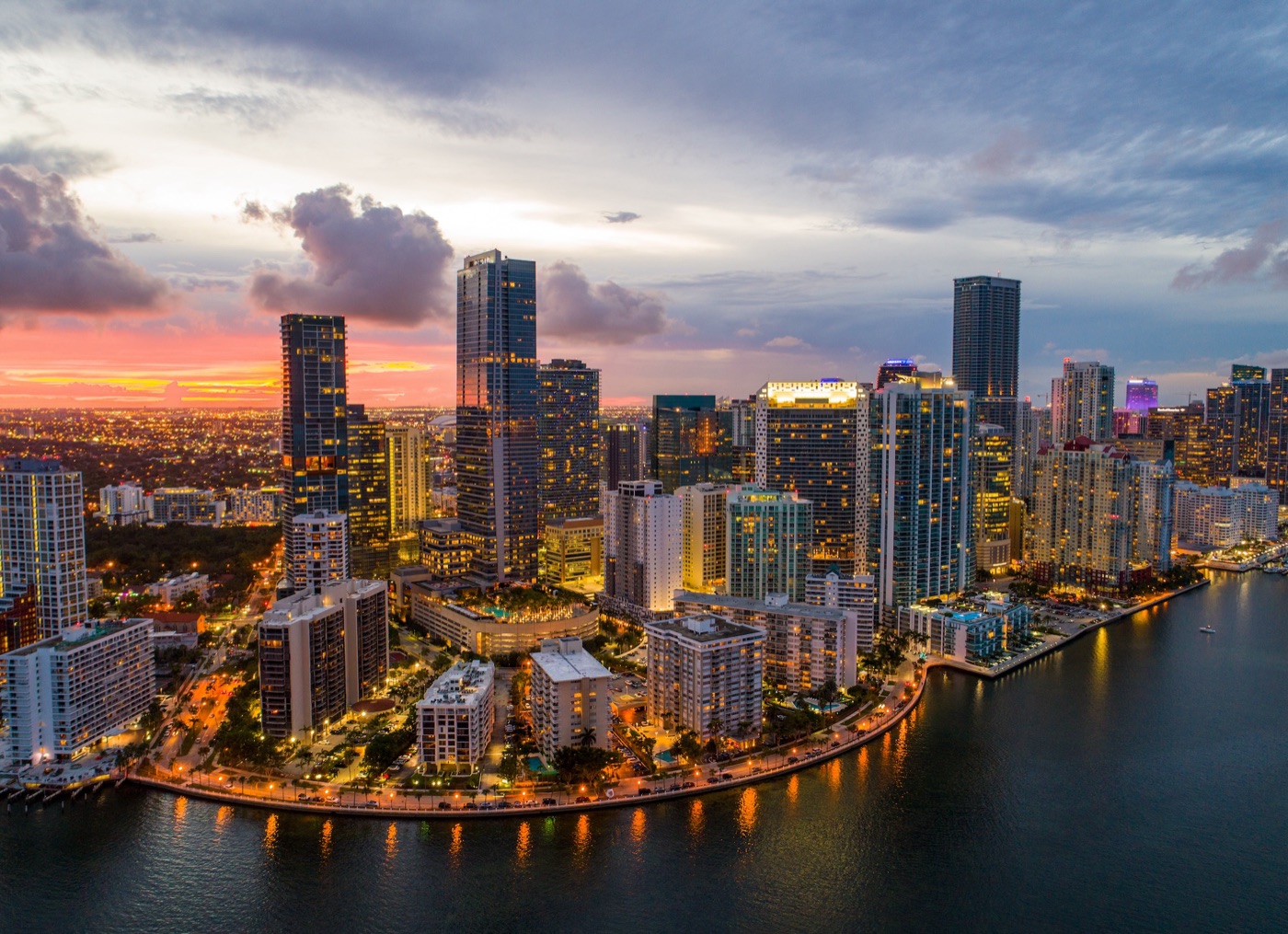
The Miami Listing Presentation: Photography, Video, and Marketing
Bad photography is the fastest way to kill a strong listing. I have seen beautifully renovated homes in Edgewater and South Beach get ignored because the listing photos were dark, wide-angled to the point of distortion, and missing the views entirely. In a market where the majority of buyers start their search online, your photos are your first showing.
Every listing I represent gets professional photography with a photographer who specializes in architectural and real estate work. For properties above $1.5 million, I add aerial drone footage, a Matterport 3D walkthrough, and a cinematic video reel. These are not extras for luxury properties. They are necessities. A buyer looking at a $3 million condo in Brickell or a waterfront home in Coral Gables expects to be able to walk through the property virtually before committing to a flight from New York, Bogota, or Buenos Aires.
My marketing strategy for each listing combines MLS exposure, targeted social media advertising on Instagram and Facebook, email outreach to my buyer database, agent-to-agent networking, and international portal placement on sites that serve Latin American buyers. Miami is a global city. Marketing only to local buyers means leaving a large segment of your potential buyer pool untouched.
Open houses still matter in Miami, but I am strategic about them. A broker open house midweek gets your property in front of active buyer's agents who may have clients already looking. A Saturday public open house builds visibility and foot traffic in competitive price ranges. For ultra-luxury properties above $5 million in places like Fisher Island, Star Island, or Sunset Islands, I prefer private showings by appointment to protect the seller's privacy and create a sense of exclusivity.
What Miami Sellers Should Know About Offers and Negotiation
When offers start coming in, your job is not simply to pick the highest number. In Miami, the quality of an offer matters just as much as the price. I evaluate every offer across multiple dimensions before advising my sellers.
Here is what I look at when reviewing an offer on a Miami property:
A cash offer at $950,000 from a qualified buyer with proof of funds is often more valuable than a financed offer at $1,010,000, particularly in a condo building that does not allow certain loan types or that may have appraisal challenges. I have seen financed deals fall apart at the appraisal stage in buildings where recent sales were sparse, and the seller had to relist, losing weeks and negotiating leverage.
Contingencies also matter. An inspection contingency is standard and reasonable. A financing contingency from a pre-approved buyer is workable. A sale contingency, meaning the buyer needs to sell their own property first, introduces real risk and is generally a non-starter in a competitive situation unless the price or terms are exceptional.
Counter-offer strategy is nuanced. In a multiple-offer situation, I advise sellers to ask for highest and best by a specific deadline rather than counter individual offers. This creates urgency and transparency. In a single-offer situation, I look at the full picture of what the buyer wants and find places to give on smaller items, such as closing date or personal property inclusions, in exchange for holding firm on price.
Here is what I look at when reviewing an offer on a Miami property:
- Purchase price relative to the comparables and current days on market
- Cash versus financed, and if financed, the loan type and pre-approval strength
- Size of the earnest money deposit, typically 3 to 10 percent in Miami
- Inspection and financing contingency periods and deadlines
- Proposed closing date and whether it aligns with the seller's timeline
- Proof of funds or pre-approval letter quality
- Whether the buyer is represented by an experienced Miami agent or an out-of-area agent unfamiliar with local customs
- Any requests for seller concessions or credits toward closing costs
Timing Your Miami Sale for Maximum Return
Miami has real seasonality that affects how quickly a property sells and at what price. The peak buyer season runs from November through April. This is when northern buyers who are escaping cold weather arrive in force, when Latin American buyers are most active, and when luxury demand is at its highest. If you can list between mid-November and the end of March, you are reaching the largest active buyer pool.
The summer months, particularly July and August, tend to be slower. Local families with children are focused on back to school, international travel is at its peak, and the heat keeps casual buyers off the street. That said, serious buyers are always out there, and a well-priced property in a desirable neighborhood like Key Biscayne or Coconut Grove can still sell quickly in summer if the price and condition are right.
There are also market-level timing considerations. Interest rate changes, even though many Miami buyers pay cash, still affect the financed portion of the market and overall buyer confidence. Major news events affecting Latin American economies, such as currency devaluations or political instability in Venezuela or Argentina, can actually drive increased demand from international buyers looking to park capital in Miami real estate. I track these patterns closely and advise my sellers on when the macro conditions favor moving forward.
If you are selling a pre-construction or newer construction condo, the competitive landscape is different. You are competing not just with resale units but with the developer's own remaining inventory, which may be offered with upgrades, flexible payment plans, or other incentives. I help my sellers understand exactly how to position their unit against that competition and price accordingly.
The Closing Process and What Sellers Pay in Miami
Once you accept an offer, the clock starts on a process that typically runs 30 to 45 days for financed transactions and 14 to 21 days for cash deals. As a seller, you need to be ready to respond quickly to inspection reports, provide required condo documents if applicable, and coordinate with your title company or real estate attorney.
Florida is a title company state. You will work with a title company or real estate attorney to handle the closing, and in Miami, it is common for the buyer to choose the title company. Your proceeds will be calculated after paying off any existing mortgage, real estate commissions, documentary stamp taxes, and prorated property taxes.
Here is a realistic breakdown of what Miami sellers typically pay at closing. Documentary stamp tax on the deed is $0.70 per $100 of the sale price, so on a $900,000 sale that is $6,300. Real estate commission is negotiable but typically ranges from 5 to 6 percent total, split between listing and buyer's agents. Title insurance for the seller's policy, when applicable, varies by price. Prorated property taxes are calculated based on the portion of the year the seller owned the property. Miami-Dade County's effective property tax rate runs approximately 0.97 to 1.1 percent of assessed value for most residential properties.
Foreign sellers face additional obligations under FIRPTA, the Foreign Investment in Real Property Tax Act. If you are a non-US resident selling a Miami property, 15 percent of the gross sale price is typically withheld at closing pending IRS processing. I have a dedicated guide on FIRPTA on my website, and I always connect my foreign seller clients with a qualified tax advisor before we go to market so there are no surprises at the closing table.
If you are ready to understand exactly what your net proceeds would look like after a sale, call me at (954) 833-0020. I can walk you through the full numbers based on your specific property and situation.
Working With the Right Miami Listing Agent
The agent you choose to represent your sale will have a measurable impact on your final net proceeds. This is not about personality or who gives you the highest suggested list price in a listing presentation. It is about market knowledge, negotiation skill, marketing reach, and professional network.
I work with sellers across Miami-Dade and Broward counties, from entry-level condos in Aventura to multi-million dollar waterfront estates in Coral Gables and Key Biscayne. My clients include local homeowners, Latin American investors, corporate relocations, and estate sales. I am bilingual, and serving Spanish-speaking clients is something I take seriously. Hablamos Espanol, and for many of my Latin American seller clients, having an agent who speaks their language and understands their business culture makes an enormous difference in the transaction.
When you are interviewing listing agents, ask them how many properties they have sold in your specific neighborhood in the past 12 months. Ask to see their marketing plan in writing. Ask how they handle multiple offer situations and how they communicate with you throughout the process. The answers will tell you a great deal about whether they are the right partner for one of the largest financial transactions of your life.
I am happy to meet with you, tour your property, and give you an honest assessment of what it is worth and what a strategic sale plan looks like. There is no obligation and no pressure. My goal is to give you real information so you can make the best decision for your family and your financial future.
Let's Build Your Miami Selling Strategy Today
Whether you are selling a condo in Brickell, a home in Coral Gables, or a waterfront property on the bay, I am ready to help you price it right, market it well, and negotiate the best possible outcome. Call (954) 833-0020 to get started.
Related Articles
September 28, 2026 · 10 min read
Argentine Buyers Guide to Miami Real Estate: Process, Financing Themes, and Neighborhood Fit (2026)
Buying Miami real estate from Argentina is workable when you separate what your agent coordinates from what your attorney, CPA, and lender decide. This support guide walks through the process, financing themes, remote closing, and neighborhood fit, then points you to the Argentina foreign-buyer hub for next steps.
Read article →February 2026 · 9 min read
Aventura Real Estate Guide: Condos, Schools & Lifestyle (2026)
Luxury high-rises, top-rated schools, and the Aventura Mall — why families and investors love this North Miami suburb.
Read article →February 2026 · 9 min read
Airbnb Investment Properties in Miami: Rules, ROI & Best Areas
Short-term rental regulations, income projections, and the best Miami neighborhoods for Airbnb investing.
Read article →