Understanding Miami Zoning Laws: A Buyer's Guide
By Rangely Adames • April 2026 • 9 min read
Zoning laws determine what you can and cannot do with a property. They control whether you can build an addition, add a rental unit, operate a home business, or convert a single-family home into a duplex. Before you buy any property in Miami-Dade County, understanding the zoning designation is essential. Getting this wrong can cost you tens of thousands of dollars or kill a project before it starts. Las leyes de zonificacion en Miami pueden hacer o romper tu inversion, asi que hay que entenderlas bien.
How Zoning Works in Miami-Dade
Miami-Dade County uses a system of zoning districts that designate what types of structures and uses are permitted on each parcel of land. The City of Miami, Coral Gables, Doral, and other incorporated municipalities within the county each have their own zoning codes, which may differ from the county's code. When evaluating a property, you need to know which jurisdiction controls the zoning, because the rules can vary significantly from one city to the next.
Each zoning district specifies permitted uses (what you can do by right), conditional uses (what you can do with special approval), building height limits, setback requirements (how far structures must be from property lines), lot coverage maximums, floor area ratios, and parking requirements. All of this information is publicly available through the local zoning department or online zoning map tools.
Explore on rangelyadames.com
Residential Zoning Categories
Single-Family (EU, RU-1): These zones allow only one residential dwelling per lot. This is the zoning you will find in neighborhoods like Pinecrest, Coral Gables single-family areas, and much of Kendall. No duplexes, no accessory apartments (with some exceptions for ADUs discussed below), and generally no commercial activity.
Two-Family / Duplex (RU-2): Allows two dwelling units on a single lot. This zoning is valuable for investors because it permits a house with a separate rental unit or a true side-by-side or up-down duplex. Properties zoned RU-2 often command premium prices because of the rental income potential.
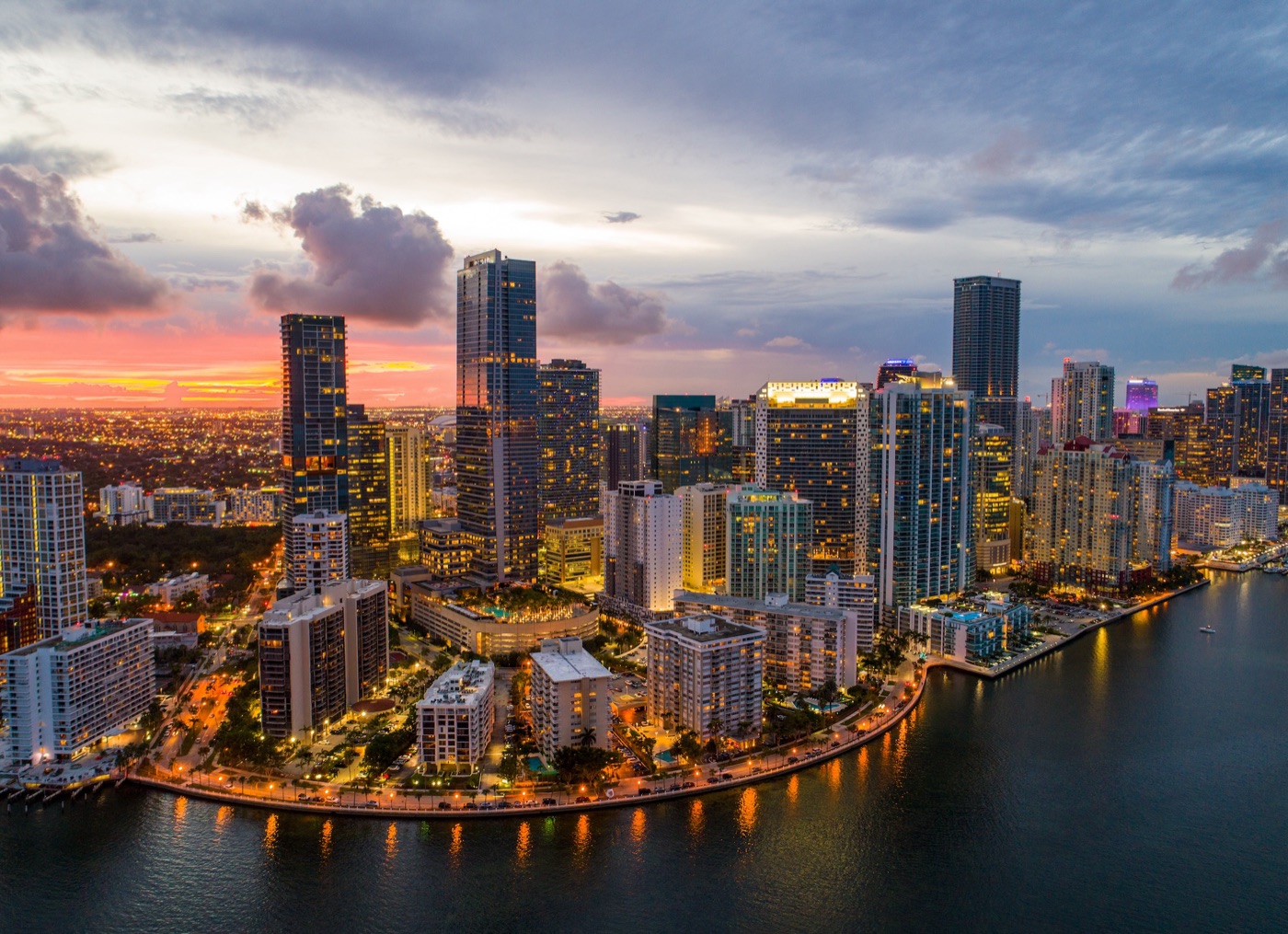
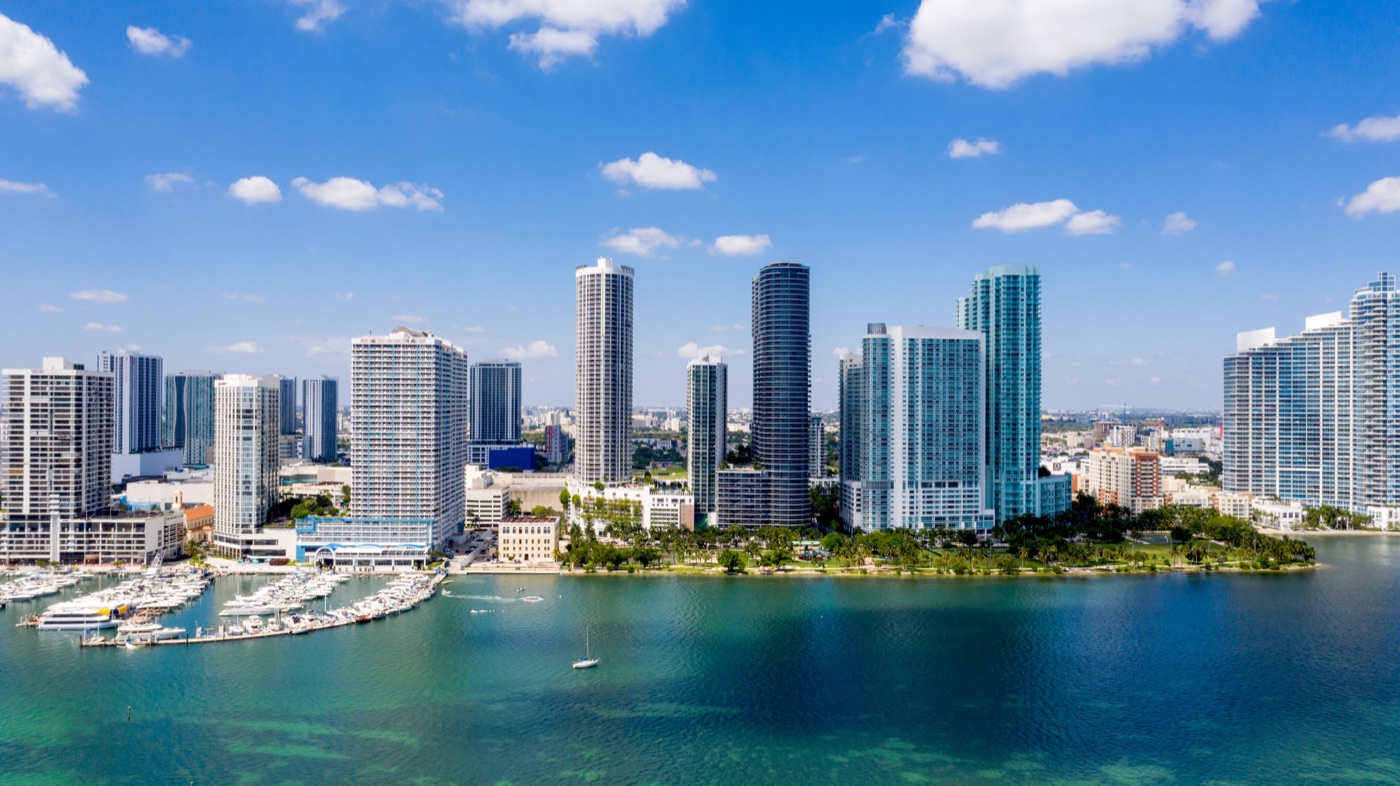
Multi-Family (RU-3, RU-4, RU-5): These zones allow apartment buildings and multi-unit structures at increasing densities. RU-3 typically allows townhouses and small apartment buildings, while RU-4 and RU-5 permit larger mid-rise and high-rise developments. Most condo towers in Brickell, downtown, and Edgewater sit on multi-family zoned land.
Commercial and Mixed-Use Zoning
Commercial zones (BU-1, BU-2, BU-3) allow retail, office, and service businesses. Properties on major corridors like Biscayne Boulevard, Calle Ocho, and Coral Way are typically zoned commercial. BU-1 is neighborhood-level commercial, while BU-3 allows more intense commercial uses.
Mixed-use zoning is increasingly common in Miami, especially in rapidly developing areas. The City of Miami's Miami 21 zoning code replaced traditional zoning with a form-based code that designates transect zones (T3 through T6) based on urban intensity. T3 is suburban residential, T4 is general urban, T5 is urban center, and T6 is urban core (think Brickell and downtown). This system encourages mixed-use development where ground-floor retail and upper-floor residential coexist. For buyers interested in development potential, understanding these transect zones is critical.
ADUs: Accessory Dwelling Units in Miami
Accessory dwelling units, sometimes called granny flats, in-law suites, or casitas, have become a hot topic in Miami. An ADU is a secondary residential unit on the same lot as a primary single-family home. Florida has been expanding ADU rights in recent years, and many Miami-Dade municipalities now allow ADUs on single-family lots under certain conditions.
The specific rules vary by jurisdiction. Some require the property owner to live in either the main house or the ADU. Some have size limits, typically 600 to 1,000 square feet. Some allow the ADU to be rented, while others restrict it to family members. If building an ADU is part of your investment strategy, verify the rules for the specific municipality before purchasing. Properties with ADU potential can generate significant additional income. Check our investment property ROI guide for more on maximizing returns.
Consejo: If a listing mentions an existing guest house, rental unit, or converted garage apartment, always verify that it was built with proper permits and conforms to the current zoning code. Unpermitted structures can create major problems at sale, with insurance, and with the local code enforcement department.
Zoning Variances and Special Exceptions
If you want to do something that the current zoning does not allow, you may be able to apply for a variance or special exception. A variance grants relief from specific dimensional requirements like setbacks or height limits. A special exception allows a use that is not permitted by right but can be approved under certain conditions.
The variance process involves filing an application with the zoning department, paying a fee (typically $1,000 to $3,000), notifying neighboring property owners, and presenting your case at a public hearing before the zoning board. Variances are not guaranteed and can take three to six months to process. Never purchase a property contingent on getting a variance unless you have a strong legal opinion that it will be approved. The board has broad discretion to deny requests.
En Espanol: Zonificacion y Tu Propiedad
La zonificacion determina lo que puedes construir y hacer en tu propiedad. Antes de comprar, siempre verifica la clasificacion de zonificacion en el mapa de zonificacion del condado o municipio. Si piensas agregar una unidad de alquiler, convertir tu garaje, o abrir un negocio desde casa, la zonificacion te dira si es legal hacerlo. No asumas que porque un vecino lo hizo, tu tambien puedes. Muchas construcciones en Miami se hicieron sin permisos y pueden causarte problemas legales si las compras.
How Zoning Affects Property Value
Zoning directly impacts what a property is worth. A lot zoned for multi-family development is worth significantly more than an identical lot zoned for single-family use because it can support more units and generate more income. Properties near the boundary of commercial and residential zones may benefit from future rezoning as the area develops. Conversely, a property next to land zoned for industrial or high-density commercial use may face challenges with noise, traffic, and aesthetics.
Savvy buyers look for properties where the current zoning allows for higher and better use than what currently exists. A single-family home on land zoned for multi-family, for example, could be demolished and replaced with a small apartment building, dramatically increasing the land's value. For those interested in land investment, see our guide to buying land in Miami.
How to Check Zoning Before You Buy
Every municipality in Miami-Dade has an online zoning map or GIS tool where you can look up the zoning designation for any property by address or folio number. The Miami-Dade County Property Appraiser's website also lists the zoning code for each property. Once you know the zoning code, you can look up the specific regulations in the local zoning ordinance. I always recommend having a real estate attorney review zoning implications for any property where development or conversion is planned. Use our MLS search to find properties, and contact me to discuss zoning for any listing that interests you.
Related Articles
September 28, 2026 · 10 min read
Argentine Buyers Guide to Miami Real Estate: Process, Financing Themes, and Neighborhood Fit (2026)
Buying Miami real estate from Argentina is workable when you separate what your agent coordinates from what your attorney, CPA, and lender decide. This support guide walks through the process, financing themes, remote closing, and neighborhood fit, then points you to the Argentina foreign-buyer hub for next steps.
Read article →February 2026 · 9 min read
Aventura Real Estate Guide: Condos, Schools & Lifestyle (2026)
Luxury high-rises, top-rated schools, and the Aventura Mall — why families and investors love this North Miami suburb.
Read article →February 2026 · 9 min read
Airbnb Investment Properties in Miami: Rules, ROI & Best Areas
Short-term rental regulations, income projections, and the best Miami neighborhoods for Airbnb investing.
Read article →Questions About Zoning for a Property?
I'll help you understand exactly what you can do with a property before you make an offer. Zoning matters more than most buyers realize.