Moving to Miami from New York: Real Estate, Taxes & Lifestyle (2026)
By Rangely Adames • April 2026 • 9 min read
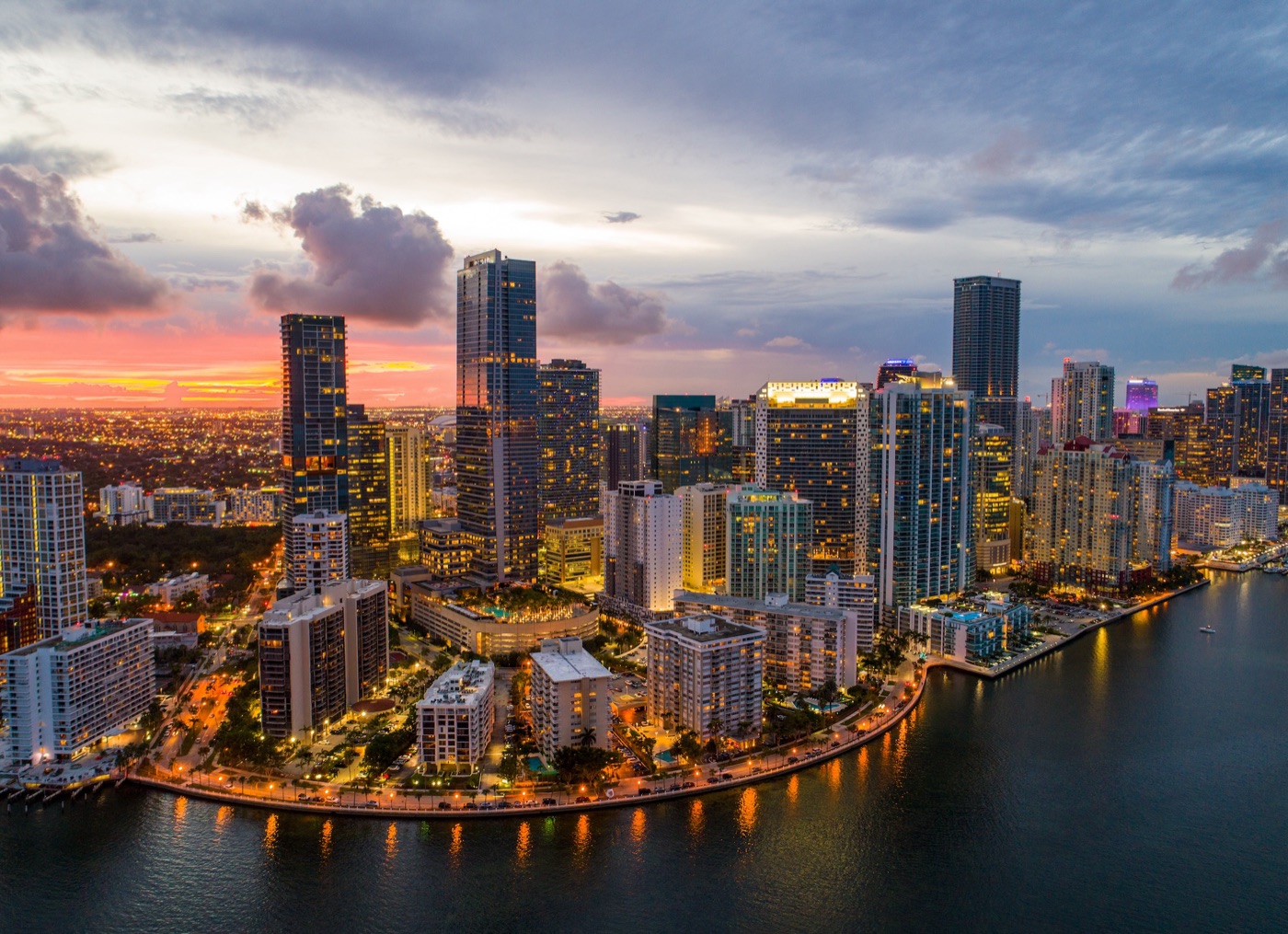
Every year, thousands of New Yorkers make the leap south to Miami. Whether you are chasing warmer weather, lower taxes, or a change of pace, the transition from NYC to the Magic City involves real financial and lifestyle decisions that deserve careful planning. This guide breaks down the key differences so you can relocate with confidence.
The Tax Advantage: Why Your Wallet Will Thank You
The single biggest financial incentive for moving from New York to Florida is taxes. Florida has no state income tax. New York State charges up to 10.9%, and New York City adds another 3.876% on top of that. For a household earning $250,000, the move to Florida could mean saving $30,000 or more per year in state and local income taxes alone.
Florida also has no estate tax, which matters for long-term wealth planning. Property taxes in Miami-Dade County average about 2% of assessed value, which is comparable to many parts of New York. However, Florida's homestead exemption reduces your taxable value by $50,000, and the Save Our Homes cap limits annual assessment increases to 3%.
Consejo: Establezca su residencia fiscal en Florida lo antes posible. Cambie su licencia de conducir, registro de votante y dirección bancaria dentro de los primeros 30 dias para evitar que New York reclame impuestos sobre sus ingresos.
Explore on rangelyadames.com
Cost of Living Comparison
Beyond taxes, the cost of living in Miami is significantly lower than Manhattan or Brooklyn. Here is how the numbers compare in 2026: a one-bedroom apartment in Brickell averages $2,800 per month, versus $3,800 in a comparable Manhattan neighborhood. Dining out costs roughly 20% less, and groceries are about 15% cheaper. Car insurance is higher in Miami, but you offset that by eliminating the $300-$600/month subway-and-rideshare habit most New Yorkers carry.
That said, Miami is not cheap by national standards. Insurance costs for homeowners, especially flood and wind coverage, add $400-$800 per month in some areas. Use our mortgage calculator to get a realistic picture of your total monthly housing costs before you commit.
Best Miami Neighborhoods for New Yorkers
New Yorkers tend to gravitate toward neighborhoods that feel walkable, vibrant, and culturally rich. Here are the top picks:
Brickell: Miami's financial district feels the most like Manhattan. High-rise condos, rooftop bars, walkable restaurants, and a Metromover stop. Condo prices range from $400,000 for a studio to $1.5M+ for a two-bedroom with bay views. Explore Brickell condos to see what is available.
Wynwood: If you loved Williamsburg or the Lower East Side, Wynwood's art galleries, street murals, and craft breweries will feel familiar. The neighborhood is rapidly adding residential inventory. Browse Wynwood real estate for the latest options.
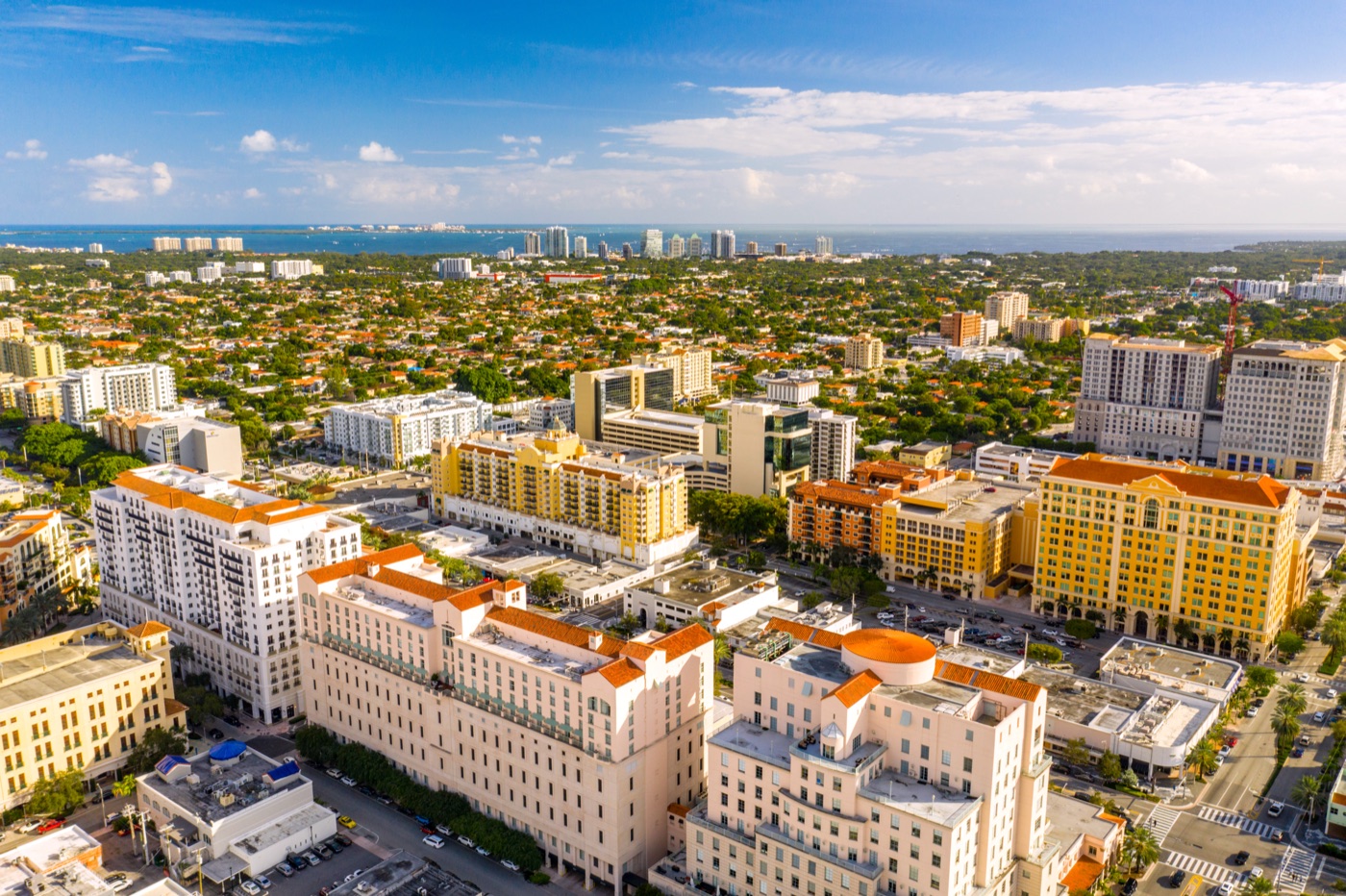
Coral Gables: Think Park Slope or the Upper West Side with a Mediterranean twist. Tree-lined streets, top-rated schools, and single-family homes starting around $800,000. See Coral Gables homes.
Coconut Grove: Bohemian, leafy, and waterfront. Similar energy to Brooklyn Heights but with sailboats instead of brownstones. Check out Coconut Grove real estate.
Miami Beach: For those who want ocean views and nightlife. Condos on the beach start around $500,000 for older buildings and $1M+ for newer construction. See Miami Beach condos.
En Espanol: Lo Que Necesitas Saber
Miami es una ciudad bilingue. Mas del 70% de la poblacion habla espanol, y en muchos vecindarios es el idioma principal. Si vienes de Nueva York y hablas espanol, te sentiras como en casa. Si no lo hablas, no te preocupes, pero aprender algunas frases basicas te ayudara a conectar con la comunidad y a negociar mejores ofertas en mercados locales.
Real Estate: Renting vs. Buying When You First Arrive
Many New Yorkers rent for 6-12 months before buying to explore neighborhoods and confirm Miami is the right fit. This is smart. The rental market in Brickell and Downtown has softened in 2026 compared to the post-pandemic surge, so you can find good deals on short-term leases. Check our rental listings for available properties.
When you are ready to buy, the process moves faster than in New York. There are no board approvals like a Manhattan co-op. Most condo transactions close in 30-45 days, and single-family homes close even quicker. Read our buyer's guide for a step-by-step walkthrough.
Lifestyle Differences to Prepare For
You will need a car.Miami's public transit does not compare to the MTA. Budget for a vehicle, insurance, and gas. The upside is that parking is plentiful and free in most suburban neighborhoods.
Hurricane season is real. June through November requires preparation: shutters, supplies, and an evacuation plan. Your homeowner's insurance must include wind coverage, and most lenders require separate flood insurance. Review our flood zone guide before purchasing.
The pace is different. Miami runs on its own clock. Meetings start late, dinner reservations are at 9 PM, and the beach is a legitimate Tuesday afternoon activity. If you are coming from a high-pressure New York lifestyle, give yourself time to adjust.
Consejo: Explore new construction and preconstruction projects for better pricing and modern hurricane-rated features. See our preconstruction listings for the latest developments.
Start Your Miami Home Search
Ready to browse? Use our MLS search tool to explore every active listing in Miami-Dade, or check out curated options on our featured listings page. Have questions about the market, neighborhoods, or the relocation process? Reach out for a free consultation.
Related Articles
September 28, 2026 · 10 min read
Argentine Buyers Guide to Miami Real Estate: Process, Financing Themes, and Neighborhood Fit (2026)
Buying Miami real estate from Argentina is workable when you separate what your agent coordinates from what your attorney, CPA, and lender decide. This support guide walks through the process, financing themes, remote closing, and neighborhood fit, then points you to the Argentina foreign-buyer hub for next steps.
Read article →February 2026 · 9 min read
Aventura Real Estate Guide: Condos, Schools & Lifestyle (2026)
Luxury high-rises, top-rated schools, and the Aventura Mall — why families and investors love this North Miami suburb.
Read article →February 2026 · 9 min read
Airbnb Investment Properties in Miami: Rules, ROI & Best Areas
Short-term rental regulations, income projections, and the best Miami neighborhoods for Airbnb investing.
Read article →Planning Your Move from New York to Miami?
Rangely helps relocating New Yorkers find the right neighborhood, negotiate the best price, and make the transition seamless. Schedule a free consultation today.