Buying a luxury condo in Miami sounds straightforward until you are sitting across from a seller who has priced their unit at $2.4 million and the building's reserve fund covers less than 30 percent of projected needs. I have guided hundreds of buyers through transactions in Brickell, Edgewater, Sunny Isles Beach, Bal Harbour, and Miami Beach, and the single biggest mistake I see is buyers falling in love with a unit before they have looked hard at the building itself. The condo is only as strong as the association behind it.
Miami's luxury condo market in 2026 is more layered than ever. Florida's new reserve funding mandates, the ongoing effects of the Surfside tragedy on recertification requirements, and a surge of new construction deliveries in Edgewater and the Brickell area have created a market where two buildings on the same block can carry completely different levels of financial and structural risk. Prices for luxury condos in prime locations still range from roughly $800 per square foot in emerging corridors to well over $3,000 per square foot at trophy buildings like Aston Martin Residences or Continuum South Beach.
That is why I put together this checklist. Whether you are a first-time condo buyer, a Latin American investor purchasing remotely, or someone relocating from New York or California, these are the exact steps I walk every client through before we submit an offer. If you want to talk through any of these items for a specific building, call me directly at (954) 833-0020. Hablamos Espanol.
Ready to Find the Right Building for You?
I review buildings the same way I would for my own investment. Call me at (954) 833-0020 to start your search today. Hablamos Espanol.
Call (954) 833-0020Step 1: Confirm the Building's Financial Health
The first document I request for any Miami condo purchase is the most recent budget and reserve study. Florida law now requires condo associations for buildings three stories or taller to fully fund reserves for structural components by December 31, 2024, with milestone inspections required at 25 years and every 10 years after that. Many associations are scrambling to catch up, which means buyers who skip this step could walk into a special assessment within months of closing.
A healthy building should have reserves that cover at least 70 percent of the estimated repair costs for major components like the roof, elevators, pool deck, and facade. When I reviewed a Brickell building for a client last year, the reserve study showed a $4.2 million shortfall on a building with 180 units. That translated to a potential assessment of over $23,000 per unit, and we walked away.
Ask for the last two years of audited financials, the current operating budget, and any reserve study completed in the past three years. If the association cannot produce an audited financial statement, that is a serious red flag in a luxury building where monthly HOA fees commonly run between $1,200 and $4,500 per month.
Explore on rangelyadames.com
Step 2: Read Every Line of the HOA Documents
In Florida, buyers receive a set of condo documents that include the Declaration of Condominium, the Bylaws, and the Rules and Regulations. You have three business days to review them after receipt, and you can cancel the contract with a full refund of your deposit during that window. I always advise clients to use all three days, and in complex transactions I recommend an attorney review as well.
The declaration will tell you what you actually own. In most Miami condos, you own the interior airspace of your unit and a fractional share of common elements. It will also spell out what modifications you can make, whether you can install flooring in certain areas without board approval, and what the pet policy actually says versus what the listing agent told you.
Pay close attention to the rental restrictions. Some of Miami's most desirable buildings, particularly older co-ops on Miami Beach and certain Bal Harbour towers, prohibit rentals entirely or require board approval for tenants. Others cap rentals at one per year with a minimum of six months. If you plan to rent the unit at any point, confirm the restrictions in writing before you remove the inspection contingency.
Step 3: Review Pending and Past Special Assessments
Special assessments are one-time charges levied on unit owners to cover expenses the reserve fund cannot absorb. They are legal, they are common, and they can range from a few hundred dollars for a lobby renovation to six figures for structural repairs. The seller is required to disclose pending assessments, but I have seen deals where an assessment was approved by the board the week after closing and the buyer had no recourse.
I always request the minutes from the last 24 months of board meetings. Board minutes will show you any discussions about upcoming repairs, contractor bids, engineering reports, and votes on assessments. If the board has been debating a garage membrane replacement or a window replacement project for 18 months without resolution, that is a conversation I want to have before my client is committed.
Buildings along the water in areas like South Beach, Key Biscayne, and Sunny Isles Beach face particular exposure to salt air corrosion and wind-driven water intrusion. In my experience, the most expensive surprise assessments in Miami come from post-construction waterproofing failures, facade spalling, and aging mechanical systems in buildings constructed between 1985 and 2005.
Step 4: Understand Your Flood Zone and Insurance Picture
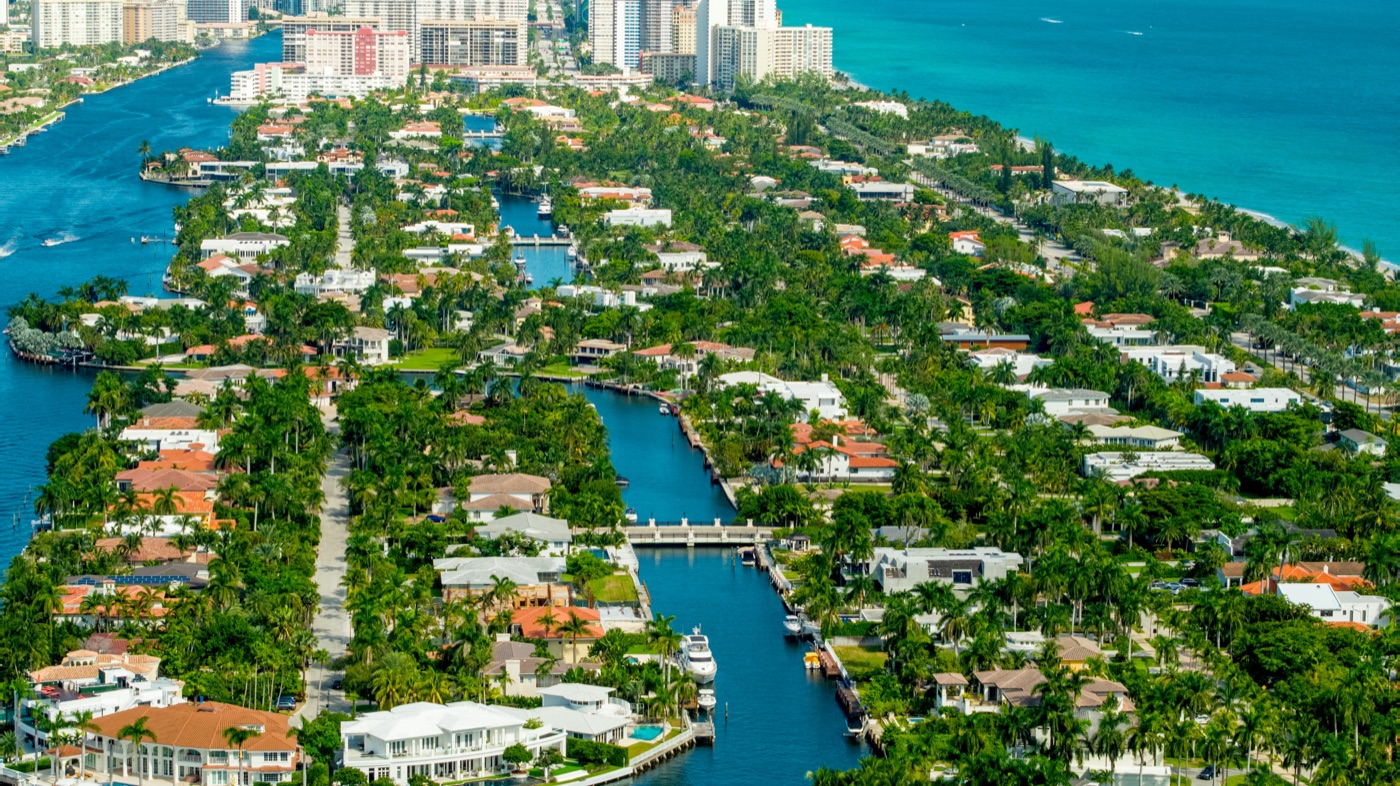
Miami is a coastal city built largely at or near sea level, and flood zone designation affects both your insurance costs and your long-term resale value. Most luxury condos in the city are in FEMA Flood Zones AE or VE, which require flood insurance. The building itself carries a master flood policy for the structure, but your personal contents and any improvements you make to the unit above the standard finish level require a separate HO-6 policy.
In 2026, insurance costs in South Florida have stabilized somewhat after two years of carrier exits and premium spikes, but they remain elevated. For a luxury condo unit valued at $1.5 million in Edgewater or Brickell, expect an HO-6 policy to run between $3,500 and $7,000 per year depending on the floor, the building's wind mitigation rating, and your coverage limits. Units on higher floors generally pay less for wind coverage because the building's envelope takes most of the risk.
Ask the association for a copy of the master policy declarations page. Confirm whether it is an all-in or bare-walls policy. An all-in policy covers original fixtures, flooring, and cabinets, which matters enormously if you are buying a newly renovated unit with $200,000 in custom finishes. A bare-walls policy covers only the structure, leaving everything inside to the HO-6.
Step 5: Evaluate the Building's Recertification and Inspection Status
Following the collapse of Champlain Towers South in Surfside in 2021, Florida enacted Senate Bill 4-D, which created new structural and electrical inspection requirements for condominiums and cooperative buildings. Any building that is three stories or higher and 25 years old must now complete a milestone inspection. Buildings within three miles of the coast have to complete that inspection at 25 years. Buildings farther inland have until 30 years.
Before closing on any resale unit in an older building, I verify where the building stands in the milestone inspection process. If the inspection has been completed, I want to see the report. If repairs were required, I want to confirm they were completed and signed off by the engineer of record. If the inspection has not been started yet, I want to understand why and what the timeline looks like.
This is not just about safety, though safety is obviously paramount. Buildings that are behind on recertification or milestone inspections can face difficulty securing financing, and that directly affects the pool of future buyers when you go to sell. A building that is well-maintained and current on all inspections in Coconut Grove or Coral Gables will always command stronger resale demand than one with a cloud over its structural history.
Step 6: Verify Financing Eligibility and Warrantability
Not every Miami luxury condo building is eligible for conventional Fannie Mae or Freddie Mac financing. Buildings with more than 35 percent of units non-owner-occupied, significant deferred maintenance, pending litigation, or inadequate reserves can be flagged as non-warrantable, which means buyers must use portfolio lenders or pay cash. This matters even if you are paying cash yourself, because it shrinks your future buyer pool.
In buildings like those in Sunny Isles Beach where investor ownership runs high, or in newer boutique buildings in Wynwood and Edgewater that have not yet established a long ownership history, I regularly see warrantability issues. Portfolio loans for non-warrantable condos typically carry interest rates 0.5 to 1 percent higher than conventional rates, and some require larger down payments of 25 to 30 percent.
I work closely with several Miami-based lenders who specialize in luxury condo financing, including options that work well for foreign national buyers and Latin American investors purchasing through an LLC or corporation. If you want a referral to a lender who understands the specific buildings you are targeting, call me at (954) 833-0020 and I can connect you right away.
Step 7: Inspect the Unit and the Building Systems
A professional home inspection on a condo unit in Miami should cover the HVAC system and handler, plumbing, electrical panel, windows, sliders, balcony condition, and any visible signs of water intrusion or mold. In Miami's climate, deferred maintenance on HVAC systems and windows is the most common source of post-closing surprises. A unit that has sat vacant for 18 months with the air conditioning off can develop serious mold issues behind walls and under flooring.
For buildings built before 2000, I also recommend a separate inspection of the unit's plumbing. Many older Miami Beach and Brickell buildings still have original galvanized or cast iron drain lines inside unit walls, and replacement can cost $15,000 to $30,000 per unit depending on the layout.
Here is a short checklist of items to confirm during or before inspection:
Beyond the unit itself, walk the building with fresh eyes. Check the lobby, the elevator interiors, the pool deck, the parking garage, and the trash areas. The condition of common elements tells you a great deal about how well the association manages day-to-day operations. A building that takes pride in its common areas is usually a building that stays ahead of deferred maintenance.
Key items to confirm during your condo inspection:
- Age and service history of the HVAC air handler and compressor
- Condition of all exterior windows and sliding glass doors, especially hurricane-impact ratings
- Balcony waterproofing and any visible concrete spalling or rust staining
- Electrical panel brand and capacity (Federal Pacific and Zinsco panels are red flags)
- Water heater age and condition, especially in units with in-unit laundry
- Presence of any moisture or mold behind the refrigerator, under sinks, or in closets adjacent to exterior walls
- Plumbing material type and any evidence of active or past leaks
- Unit storage cage and parking space assignments confirmed in writing
Step 8: Confirm Your Exit Strategy Before You Close
Every purchase I help clients make in Miami starts with a clear picture of the exit. Are you planning to hold the unit for three years and sell? Rent it short-term through a platform like Airbnb? Use it as a second home and eventually sell as part of an estate plan? The answer changes which buildings make sense, which floors make sense, and which view orientations command the best resale premiums.
In Brickell, east-facing units with bay views resell significantly faster and at higher premiums than west-facing units with city views, even when the west views are genuinely impressive. In Sunny Isles Beach, oceanfront direct units in buildings like Porsche Design Tower or Regalia hold their value better than partial-ocean units in the same building because international buyers specifically seek that direct ocean orientation.
For investors targeting appreciation, the corridors I am watching most closely in 2026 are the stretch of Edgewater between Northeast 28th and Northeast 36th Street, where new projects like Elysee and Missoni Baia have set price benchmarks, and the South Bayshore corridor in Coconut Grove, where single-family lot scarcity is pushing buyers toward newer boutique condo buildings. Both areas have shown consistent price appreciation of 6 to 9 percent annually over the past three years.
The Miami condo market rewards buyers who do their homework and punishes those who rush. My job is to make sure you never skip a step. If you are beginning your search or want a second opinion on a building you are already under contract on, I am happy to walk through every item on this checklist with you. Hablamos Espanol, and I work with buyers across every budget in this market, from $500,000 condos in Edgewater to $15 million penthouses in Fisher Island.
Let's Find Your Perfect Miami Condo
Whether you are buying your first Miami condo or adding to your investment portfolio, I will guide you through every item on this checklist and make sure you close with confidence. Call Rangely at (954) 833-0020.
Related Articles
February 2026 · 9 min read
Aventura Real Estate Guide: Condos, Schools & Lifestyle (2026)
Luxury high-rises, top-rated schools, and the Aventura Mall — why families and investors love this North Miami suburb.
Read article →February 2026 · 9 min read
Airbnb Investment Properties in Miami: Rules, ROI & Best Areas
Short-term rental regulations, income projections, and the best Miami neighborhoods for Airbnb investing.
Read article →July 2026 · 10 min read
Bay Harbor Islands Real Estate Guide: Homes, Condos & Market (2026)
Waterfront homes with private docks, boutique condos, and a top-rated K-8 school make Bay Harbor Islands one of Miami's best-kept secrets. A bilingual 2026 buyer guide with prices and consejos para compradores. Hablamos Espanol.
Read article →