Miami Condo Lease Assignments and Subletting: What Buyers and Sellers Need to Know (2026)
By Rangely Adames • May 2026 • 11 min read
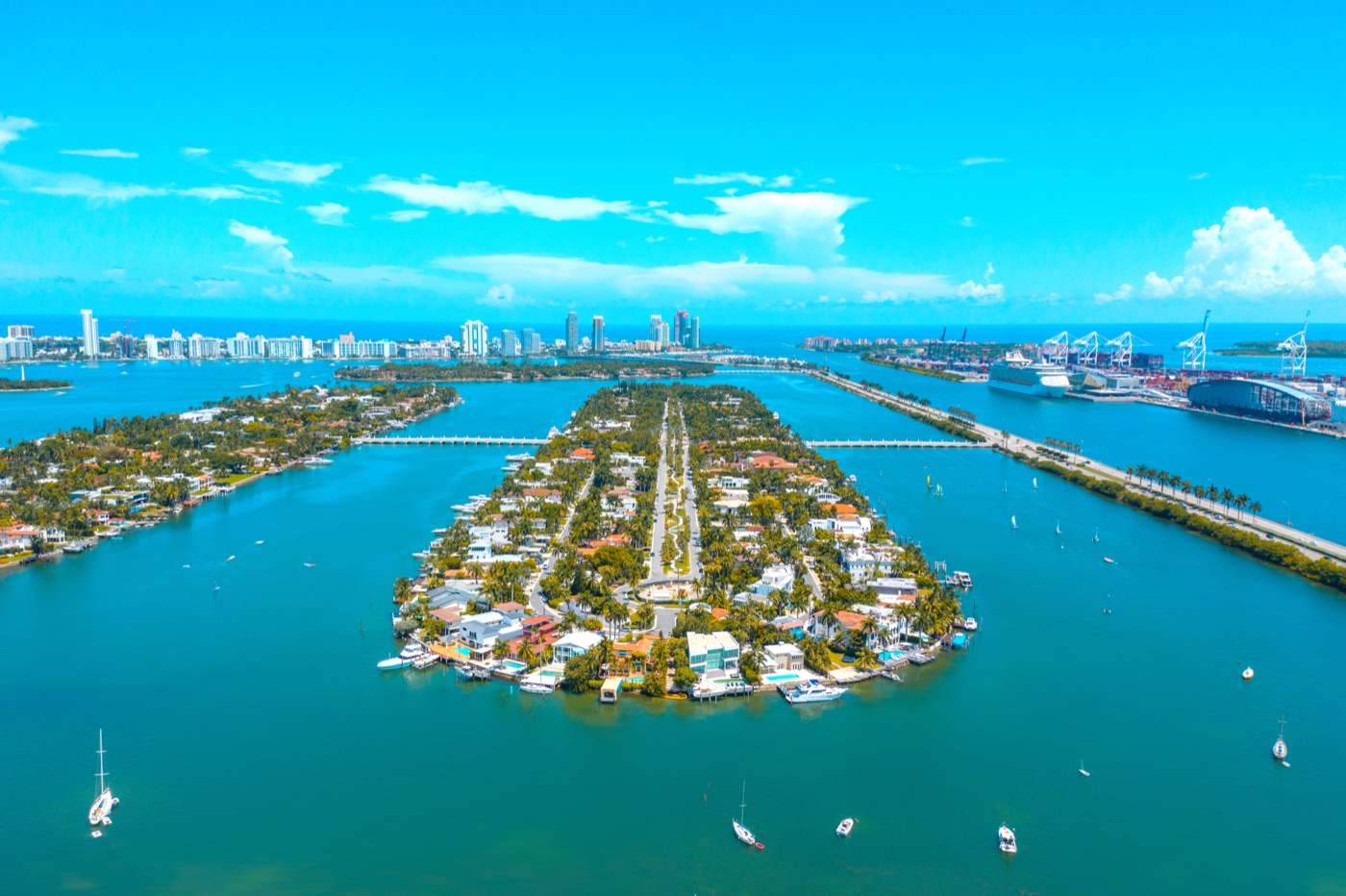
One of the most overlooked issues I see trip up buyers and investors in Miami is the condo lease assignment. Whether you are purchasing a unit that already has a tenant in place, or you are a seller trying to transfer your lease obligations before closing, the rules that govern these transactions are far more complicated than most people expect. I have worked through these situations in Brickell high-rises, Sunny Isles Beach towers, Edgewater boutique buildings, and everything in between. The details matter enormously, and getting them wrong can cost you the deal.
A lease assignment is different from a simple sublease, and both are treated very differently by Florida law, individual condo associations, and the lenders who finance these properties. I find that buyers relocating from New York, California, or Latin America are especially surprised by how much power Miami condo associations hold over who can occupy a unit and under what terms. If you are buying as an investor, those rules can directly affect your projected rental income from day one.
This guide is designed to walk you through how lease assignments and subletting actually work in Miami real estate, what questions to ask before you make an offer, and where the most common and expensive mistakes happen. If you have a specific building or situation in mind, call me directly at (954) 833-0020 and I can review the governing documents with you before you commit to anything.
Have Questions About a Specific Building or Lease?
I review condo governing documents and lease terms with clients every day. Hablamos Espanol, and I serve buyers, sellers, and investors across Miami-Dade and Broward. Call (954) 833-0020 to talk through your specific situation before you sign anything.
Call (954) 833-0020Lease Assignment vs. Subletting: The Core Difference
A lease assignment happens when the original tenant transfers their entire remaining lease interest to a new tenant. The new tenant steps into the old tenant's shoes and takes on all rights and obligations for the rest of the lease term. The original tenant is generally released from further liability, though some landlords and associations require the original tenant to remain on the hook as a guarantor.
A sublease is different. In a sublease, the original tenant keeps their lease with the landlord or condo owner and simply rents the unit to a subtenant for a portion of the remaining term. The original tenant stays legally responsible to the owner for rent, damage, and compliance with the building's rules. The subtenant has no direct relationship with the building owner unless the condo documents say otherwise.
In Miami's condo market, this distinction matters because many buildings allow one but prohibit the other. I have reviewed declarations of condominium at buildings like the SLS Brickell, Aria on the Bay in Edgewater, and Jade Residences in Brickell Bay Drive where the language is very specific. Some buildings allow subletting with association approval but expressly forbid lease assignments. Others treat an assignment as a full sale and require a transfer fee. Reading the exact language in the Declaration of Condominium and the Rules and Regulations is not optional if you want to avoid a legal mess.
Explore on rangelyadames.com
Why Miami Condo Associations Hold So Much Power
Florida Statute 718, which governs condominiums across the state, gives associations significant authority to regulate leasing. Under Chapter 718.110 and related provisions, associations can restrict the frequency of rentals, set minimum lease terms, require board approval of tenants, and charge application fees. In Miami, where the condo market is dense and the buildings are often large, associations use this authority aggressively.
In my experience working with investors and buyers in buildings along Brickell Avenue, Collins Avenue in Miami Beach, and the Sunny Isles strip, the most common restrictions I see are minimum lease terms of six or twelve months, caps on the percentage of units that can be rented at any one time, and mandatory background and credit checks for any incoming tenant. Some buildings also require a formal interview with the board before approving a new tenant.
When a lease assignment happens, the incoming tenant is essentially a brand new occupant from the association's perspective. Even if the original lease had been board-approved, the association typically has the right to re-screen the new tenant and reject them if they do not meet the building's standards. I always tell buyers who are acquiring a tenant-occupied unit to account for this approval process in their closing timeline. A rejection or a slow board can delay possession by weeks.
The association's approval right also matters for sellers. If you are selling a unit with an existing lease, and the buyer wants to assume that lease or if the tenant wants to stay, the association must approve the transition. Failure to get that approval can create liability for both the seller and the buyer after closing.
What Buyers Need to Verify Before Making an Offer
When I represent buyers who are interested in a tenant-occupied Miami condo, I walk them through a specific checklist before we even submit an offer. Skipping any of these steps is how investors end up with a problem tenant they cannot remove, a lease they cannot enforce, or a rental rate that is far below market.
Here is what I verify on every tenant-occupied condo purchase in Miami:
First, I request a full copy of the existing lease, including any amendments or addendums. I look at the lease start and end date, the monthly rent amount, the security deposit held and where it is being held, any renewal options or first right of refusal clauses, and whether the lease was properly signed and executed.
Second, I review the condo association's governing documents, specifically the Declaration of Condominium, the Bylaws, and the current Rules and Regulations. I am looking for any language about lease assignments, subletting approval processes, minimum lease terms, rental caps, and transfer fees.
Third, I confirm the tenant is current on rent and that there are no active eviction proceedings or disputes. A lis pendens search and a review of Miami-Dade County court records handles this.
Fourth, I ask the seller to provide written confirmation from the association that the current lease was approved by the board if approval was required. If it was not submitted for approval when it should have been, we may have a problem that needs to be resolved before or at closing.
Quick checklist for buyers purchasing a tenant-occupied Miami condo:
- Obtain a full copy of the existing lease including all amendments
- Review the Declaration of Condominium, Bylaws, and Rules and Regulations for rental restrictions
- Confirm the tenant is current on rent and no eviction action is pending
- Verify the existing lease received association board approval if required
- Determine whether the association requires re-approval when ownership transfers
- Confirm the security deposit amount and verify it will transfer to you at closing
- Check whether the building has a rental cap and how close it is to being reached
- Ask whether the building's master insurance policy covers tenant-occupied units the same way it covers owner-occupied ones
- Confirm HOA fees are current and no special assessments are outstanding

The Rental Cap Problem in Popular Miami Buildings
Rental caps are one of the most serious issues I flag for investor clients, and many buyers do not find out about them until it is too late. A rental cap is a limit on the percentage of units in a building that can be rented out at any given time. Florida law allows associations to impose these caps, and many Miami buildings use them to maintain a certain ratio of owner-occupants, which also affects conventional financing eligibility.
In buildings I work with regularly along Coral Way, in the Roads neighborhood, and in mid-rise Coconut Grove condos, rental caps are often set at 20 to 30 percent of total units. In some luxury towers in Brickell and Edgewater, the cap is higher, sometimes 50 percent, because those buildings were explicitly designed with investors in mind. But in older buildings and in neighborhoods where the association skews toward primary residents, a cap of 20 percent is common.
Here is why this matters for a lease assignment or subletting scenario. If you buy a unit that is currently rented and the building is already at its cap, you may not be able to continue renting when the current lease expires. You would need to wait for another unit's rental approval to lapse before you could rent yours. I have seen investors buy into buildings in Miami Beach where the cap waitlist was 18 to 24 months long. That is nearly two years of carrying costs without rental income.
Always ask for the current rental cap percentage and the current rental percentage when you are doing due diligence. If the building is within 5 percentage points of the cap, treat that as a significant risk factor and price it into your offer accordingly.
Lease Assignments in Pre-Construction and New Construction Buildings
Miami's pre-construction market adds another layer of complexity to lease assignments. When a buyer contracts for a pre-construction unit in a building like One Brickell City Centre, Ora by Casa Tua in Miami Beach, or Vita at Grove Isle in Coconut Grove, the purchase contract typically includes a clause about whether the contract itself is assignable.
Many developers in Miami allow contract assignments, but they charge an assignment fee. That fee can range from 1 percent to 3 percent of the original purchase price, sometimes higher in ultra-luxury buildings. A few developers prohibit assignments entirely to prevent speculative flipping before the building is complete.
If a contract is assignable, the assignment typically needs to be done before closing, and the assignee steps into the original buyer's shoes with all of the same terms and conditions. The developer must usually approve the assignment, which means they can reject a proposed assignee for reasons ranging from creditworthiness to concerns about concentration of ownership.
For investors looking at pre-construction assignments as an exit strategy, I advise looking very carefully at this language before you put down a deposit. A 20 percent deposit on a 1.5 million dollar unit is 300,000 dollars. If you cannot assign the contract when you need to, you are either forced to close or forfeit that deposit. I have seen both outcomes, and neither is pleasant. Call me at (954) 833-0020 before you sign any pre-construction contract and I will review the assignment language with you.
How Sellers Should Handle Tenants When Listing a Condo
If you are a seller with a tenant in place, your approach to marketing the unit will depend heavily on the lease terms and the type of buyer you are trying to attract. In my experience, tenant-occupied units attract a different pool of buyers than vacant units. Owner-occupant buyers almost always want the unit delivered vacant. Investors may welcome a tenant, but only if the lease terms are favorable.
The first thing I do when listing a tenant-occupied condo is review Florida Statute 83, which governs landlord-tenant relationships. Florida law requires that a new owner honor an existing lease through its end date in most circumstances. This is important for sellers to understand because you cannot simply terminate a month-to-month tenant on the day of closing. You must give proper notice, which is typically 15 days for a month-to-month tenancy, but may be longer depending on the lease language.
For sellers with long-term tenants below current market rent, I often recommend having an honest conversation with the tenant about a buyout. In Miami's current market, a tenant paying 2,800 dollars per month for a two-bedroom in Brickell when market rent is 3,600 dollars is a real problem for your sale price. A well-negotiated tenant buyout of 5,000 to 10,000 dollars can result in a faster sale at a higher price, often netting the seller significantly more even after the buyout cost.
If the tenant will be staying through closing, I make sure the seller provides the buyer with a complete lease assignment package at closing, including the original lease, all addendums, the security deposit funds transferred directly to the buyer, a signed estoppel letter from the tenant confirming the current lease terms and that there are no disputes, and any association approval documentation.
Tax and Legal Considerations for Assigned Leases
Lease assignments in Miami can have tax implications that many buyers and sellers do not consider. If a tenant pays a premium to take over a below-market lease through an assignment, that payment may be treated as ordinary income to the original tenant and should be reported accordingly. For investors who purchase tenant-occupied properties, the assigned lease terms can also affect how quickly you can depreciate certain improvements.
Foreign sellers and buyers face additional layers here. Under FIRPTA, foreign sellers of U.S. real property are subject to withholding on the sale. A lease assignment combined with a property sale can create questions about how to allocate the purchase price, particularly if the lease assignment has a separate stated value. I always recommend that foreign clients work with a U.S. tax attorney who specializes in Miami real estate transactions. I have referrals available for attorneys who work with clients in Spanish, Portuguese, and English.
On the legal side, Florida courts have generally enforced lease assignment clauses as written, but disputes arise frequently around whether proper consent was obtained from the association or the original landlord. A lease assignment that was not properly approved by the condo board can be voidable, meaning either party could potentially unwind the transaction. This is another reason why I stress getting written board approval documentation before closing rather than assuming verbal confirmation is sufficient.
If you are navigating a lease assignment as part of a 1031 exchange, the timing rules become even more critical. The 45-day identification window and the 180-day closing window do not pause because of tenant or association delays. I have helped clients structure closings around these deadlines, but it requires planning well in advance. Hablamos Espanol, and I work with clients across Latin America who use 1031 exchanges and international tax strategies in their Miami portfolios.
Neighborhood-Specific Patterns I See in Miami
Lease assignment and subletting rules are not uniform across Miami, and in my daily work I see clear patterns by neighborhood and building type that are worth knowing before you target a specific area.
In Brickell, the large luxury towers like Reach and Rise at Brickell City Centre, SLS LUX, and 1010 Brickell generally have streamlined tenant approval processes because they were built for a mixed owner-investor market. The rental caps tend to be higher, association approval timelines are typically 10 to 15 business days, and the buildings have professional management companies that handle these transitions efficiently. Lease assignments in Brickell are fairly routine.
In Miami Beach, specifically South Beach and Mid-Beach, the situation is more varied. Older Art Deco condos and mid-century buildings often have more restrictive associations with tighter rental caps and less predictable approval timelines. Some of the newer buildings on Collins Avenue and the waterfront function more like Brickell towers. I always look at the age of the building and the composition of the board before advising a client on what to expect.
In Coral Gables and Coconut Grove, the condo market skews heavily toward owner-occupants, and many buildings there have strict minimum lease terms of twelve months and low rental caps. These neighborhoods are great for buyers who want to live in the unit. For pure investors focused on short lease cycles or frequent turnovers, they are generally not the right fit.
Sunny Isles Beach and Aventura fall somewhere in the middle. Buildings like Porsche Design Tower, Regalia, and Turnberry Ocean Club are luxury buildings with investor-friendly structures. The mid-tier buildings along Collins Avenue in Sunny Isles tend to have tighter restrictions. In Aventura, the Williams Island community has its own comprehensive set of rules that are separate from and sometimes stricter than standard association rules. Always read the specific documents rather than assuming based on the neighborhood reputation alone.
Work With a Miami Agent Who Knows the Fine Print
Whether you are buying a tenant-occupied unit, selling with a lease in place, or trying to assign a pre-construction contract, I can guide you through every step. Call Rangely Adames at (954) 833-0020 today.
Related Articles
February 2026 · 9 min read
Aventura Real Estate Guide: Condos, Schools & Lifestyle (2026)
Luxury high-rises, top-rated schools, and the Aventura Mall — why families and investors love this North Miami suburb.
Read article →February 2026 · 9 min read
Airbnb Investment Properties in Miami: Rules, ROI & Best Areas
Short-term rental regulations, income projections, and the best Miami neighborhoods for Airbnb investing.
Read article →July 2026 · 10 min read
Bay Harbor Islands Real Estate Guide: Homes, Condos & Market (2026)
Waterfront homes with private docks, boutique condos, and a top-rated K-8 school make Bay Harbor Islands one of Miami's best-kept secrets. A bilingual 2026 buyer guide with prices and consejos para compradores. Hablamos Espanol.
Read article →