Miami Luxury Condo Move-In Checklist: What to Do Before, During, and After Closing (2026)
By Rangely Adames • May 2026 • 11 min read
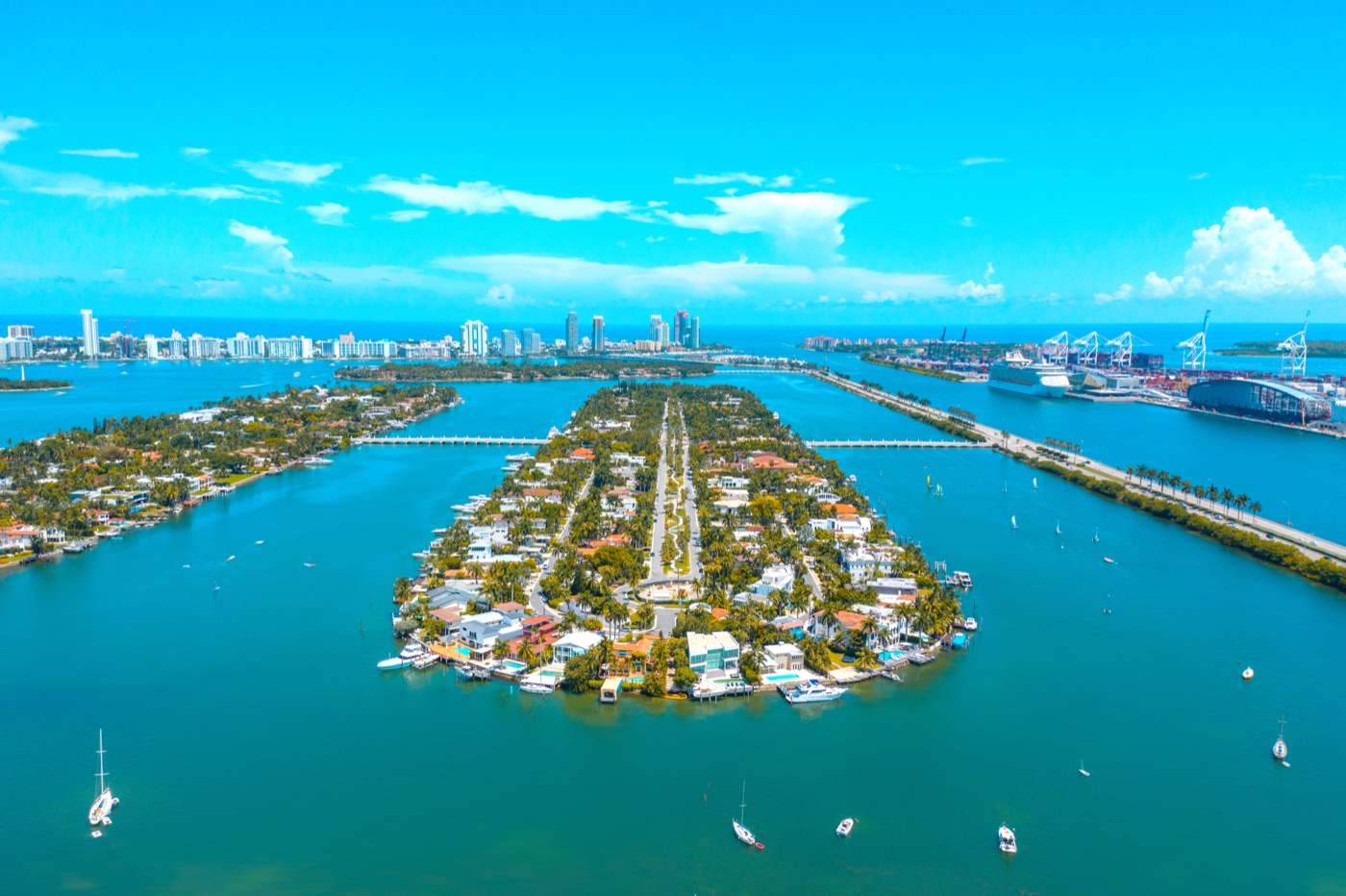
Closing on a luxury condo in Miami is one of the most exciting moments in a buyer's life. Whether it is a 42nd-floor unit in Brickell with bay views, a sprawling residence at Fendi Chateau in Surfside, or a two-bedroom at Turnberry Ocean Club in Sunny Isles Beach, the moment you get those keys represents a significant financial and personal milestone. But closing day is not the finish line. In many ways, it is the starting gun.
I work with buyers at every price point across Miami-Dade County, from first-time condo purchasers to clients spending $10 million or more on a waterfront penthouse. One thing I tell every single one of them is this: the weeks immediately before and after closing will determine how smoothly you settle in and how protected your investment will be. Most buyers focus entirely on negotiating the deal and then scramble once the keys are in hand.
This checklist is the resource I wish every one of my clients had read before their first closing day. It covers the most important steps to take before you close, what to do on closing day itself, and the critical tasks to complete in the first 30 days after you move in. If you have questions specific to your building or situation, call me directly at (954) 833-0020. Hablamos Espanol.
Ready to Buy a Condo in Miami?
I guide buyers through every step of the process, from offer to move-in day. Call (954) 833-0020 for a no-pressure consultation. Hablamos Espanol.
Call (954) 833-0020Two to Four Weeks Before Closing: The Paperwork and Logistics Sprint
Most buyers think the hard work ends when the seller accepts their offer. In reality, the 30 days before closing are packed with tasks that directly affect your move-in experience. I always tell my clients to treat this window like a second job.
First, confirm your condo association approval status. In Miami, most luxury buildings require board approval or at minimum a background and financial review of the buyer. Buildings like the Marquis in downtown Miami, One Thousand Museum in the Arts District, and Regalia in Sunny Isles Beach have rigorous approval processes that can take two to four weeks. Missing a deadline here can push your closing date back and potentially expose you to contract penalties.
Second, get your homeowner's insurance in place before closing day. In Miami, this means securing both a standard HO-6 condo policy and, if your unit falls in a FEMA flood zone, a separate flood insurance policy. HO-6 premiums for a $2 million condo in Edgewater or Coconut Grove typically run between $3,500 and $7,000 per year depending on the building's master policy coverage and your unit's floor elevation. Flood policies through the National Flood Insurance Program are capped at $250,000 for contents and $250,000 for building coverage, so many of my higher-end clients supplement with private excess flood coverage.
Third, schedule your final walkthrough for 24 to 48 hours before closing. This is not optional. I have caught broken appliances, missing fixtures, and even unauthorized alterations discovered between contract execution and closing. Your contract gives you the right to a final walkthrough, and you should use it every single time.
Explore on rangelyadames.com
Understanding Your Building's Move-In Rules Before Day One
Every luxury building in Miami has its own move-in rules, and they can be surprisingly strict. I have seen clients in Brickell buildings wait an extra week to move furniture because they did not schedule the freight elevator with the management office far enough in advance.
Most full-service buildings require you to reserve the service elevator and loading dock at least five to ten business days before your move. Buildings like Jade Residences, SLS Lux, and Echo Brickell have specific move-in windows, often limited to Monday through Friday between 9 a.m. and 5 p.m. Weekend moves are frequently prohibited or carry additional fees ranging from $250 to $1,000.
You will also need to register your moving company with the building. Most management offices require proof of the mover's liability insurance, typically $1 million or more in coverage, before they allow any crew to enter the service areas. If you are using a moving company that cannot produce this documentation, find a different company. In my experience, reputable Miami movers who specialize in luxury high-rise work carry this coverage as a matter of course.
Ask the management office for a copy of the house rules before closing, not after. House rules govern everything from the hours during which you can have contractors in the unit, to noise restrictions, to pet weight limits. I have had buyers discover after closing that their 80-pound Labrador technically violates the building's 35-pound pet policy. That is a conversation you want to have before you sign, not after.
Closing Day: What to Bring and What to Expect
Closing on a Miami condo typically takes place at the title company's office. Florida is an attorney-state in practice even though it does not legally require an attorney at closing, and most luxury transactions involve counsel on both sides. Bring two forms of government-issued ID, your certified funds or wire confirmation if the funds were already transferred, and any outstanding documents your lender or title company requested.
For cash buyers, which is very common in Miami's luxury segment, the wire must arrive at the title company's escrow account before closing begins. I always advise clients to initiate the wire at least 24 to 48 hours in advance and to call the title company to confirm receipt before sitting down at the closing table. Wire fraud is a real threat in real estate transactions. Always verify wiring instructions by phone using a number you independently looked up, never one from an email.
At closing, you will sign the closing disclosure, the deed, and a stack of other documents. Your title company will handle recording the deed with Miami-Dade County. Once recording is confirmed, the keys are yours. In Miami-Dade, recording typically happens the same day or within 24 hours of closing.
Do not leave closing without a complete copy of all signed documents, your title insurance policy commitment, and the contact information for the building's management office. I also recommend getting the name and direct number of the association's property manager on closing day itself. That relationship will matter more than you expect in the first few weeks.
The First 48 Hours: Security, Utilities, and Access Cards
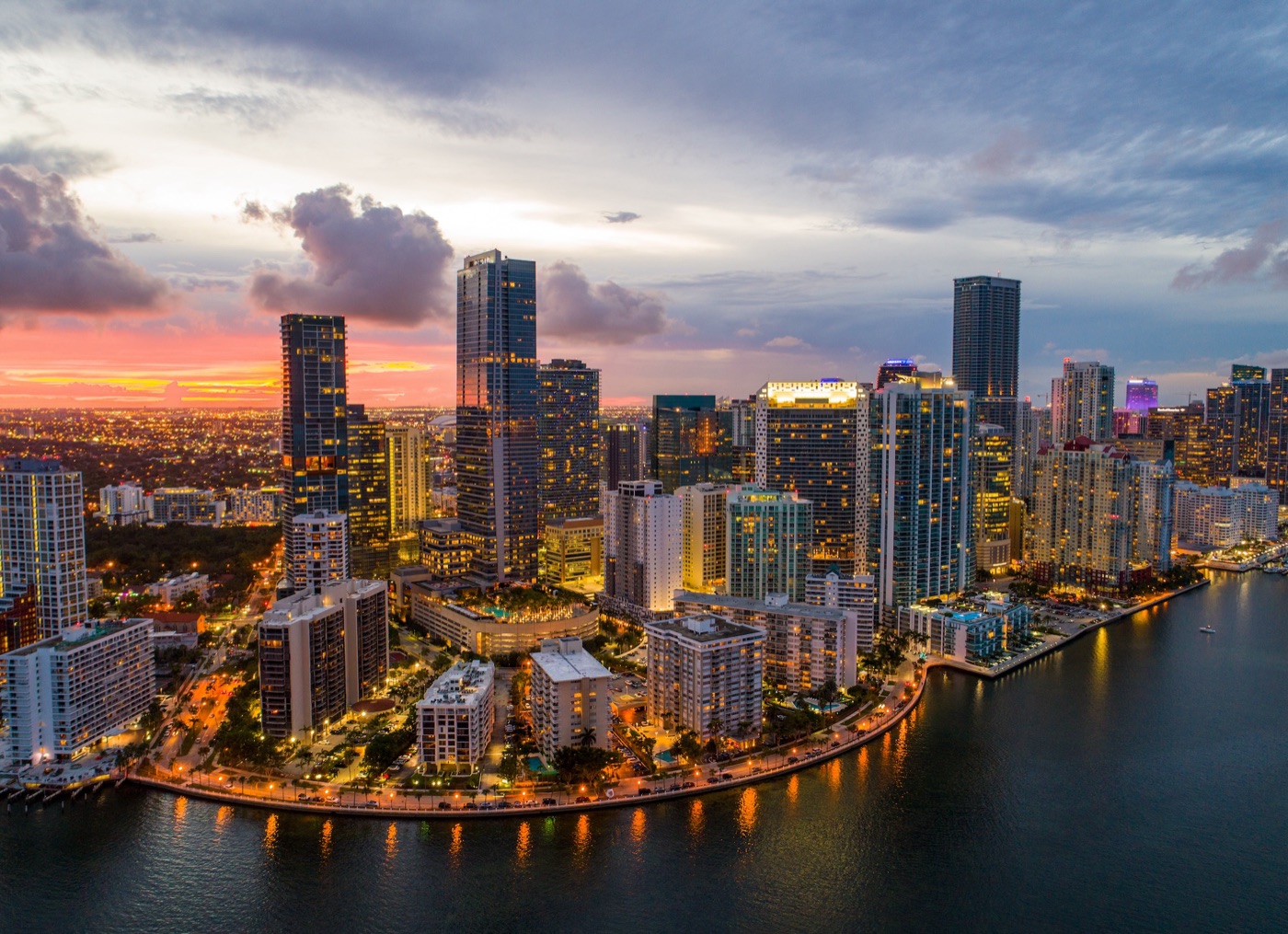
The moment you have the keys, your first call should be to the building's management office to register as the new owner and pick up your resident access credentials. In most Miami luxury buildings this means a key fob or access card for the elevator, garage, amenities, and pool deck. Some newer buildings like 57 Ocean in Mid-Beach and Una Residences in Brickell use smartphone-based access systems that need to be set up through a property app.
Change the locks on your unit door or have new cores installed even if the building is a full-service doorman building. You do not know how many copies of the previous owner's key exist. A licensed locksmith can rekey most standard locks in under an hour for $75 to $150 per door.
Get your utilities set up before closing day if at all possible. In Miami-Dade, the main providers are Florida Power and Light for electricity and Miami-Dade Water and Sewer for water. FPL allows you to set up service online or by phone and can typically switch service into your name within one business day. Cable and internet setup takes longer. AT&T Fiber and Comcast Xfinity are the dominant providers in most Brickell, Edgewater, and Wynwood buildings, while some Coral Gables and Coconut Grove homes have access to smaller local providers.
In the first 48 hours, also locate your unit's water shut-off valve, the circuit breaker panel, and the HVAC air handler. Knowing where these are before something goes wrong will save you significant stress. Photograph the condition of every room, every appliance, every closet, and every wall. These photos are your baseline for any future insurance claim or dispute with the association.
The First 30 Days: Registrations, Inspections, and Introductions
Within the first 30 days of ownership, there are several registrations and filings that protect your investment and can save you money. Here is a practical list of what I walk my clients through after every closing:
Beyond these filings, I strongly recommend scheduling a post-purchase inspection of the HVAC system, plumbing, and electrical within the first 30 days. Even a brand-new pre-construction unit can have issues that were missed during the developer's punch list process. A licensed Miami HVAC technician can service and inspect your unit's air handler for between $150 and $300. Given that Miami's heat and humidity run your AC system hard 10 to 12 months a year, this is money very well spent.
Within the first 30 days of ownership, here is a practical list of what I walk my clients through after every closing:
- File for Florida Homestead Exemption if this is your primary residence. The deadline is March 1 of the tax year following your purchase. For a $1.5 million condo in Brickell, this exemption can reduce your assessed value by $50,000 and cap future annual assessment increases at 3 percent under the Save Our Homes provision.
- Register your vehicle with Florida DMV and update your driver's license if you are establishing Florida domicile. This is especially important for clients relocating from high-tax states like New York or California who want to lock in Florida's zero state income tax benefit.
- Notify your condo association in writing of your contact information, vehicle information for parking registration, and any authorized guests or tenants if you plan to lease the unit.
- Update your estate planning documents to reflect your new Florida address and confirm that your condo is properly titled according to your attorney's recommendations, whether that is joint tenancy, a living trust, or individual ownership.
- Review the building's current special assessment status and reserve fund balance in the meeting minutes from the last 12 months. Florida's new condominium reserve funding laws passed after the Surfside collapse require buildings over three stories to fully fund reserves for specific structural components by 2025, and any shortfall may result in future special assessments.
- Set up automatic payment for your monthly HOA dues to avoid late fees, which in many Miami luxury buildings start at $100 or more after a 10-day grace period.
- Schedule an appointment with the building's concierge or front desk manager to introduce yourself and learn the preferred procedures for receiving packages, guests, and vendors.
Common Mistakes I See New Condo Owners Make in Miami
After years of working with buyers across Miami-Dade, I have seen the same mistakes come up again and again. The most costly one is ignoring the condo documents during the inspection period. Florida law gives condo buyers three business days to review the condo documents after receipt, and you can cancel the contract and receive a full refund of your deposit during that window. Most buyers hand these documents to their attorney and assume everything is fine. Your attorney may flag legal issues, but they are not going to read 400 pages of meeting minutes looking for patterns of deferred maintenance or contentious owner disputes. Read the last two years of board meeting minutes yourself.
Another common mistake is underestimating the cost of moving into a high-rise. If you are bringing furniture from a house or a larger unit, you may find that pieces do not fit through the service elevator or the unit's doorways. Freight elevators in most Miami luxury buildings max out at around 4,000 to 6,000 pounds and have fixed interior dimensions. Measure before you move. I have seen clients donate a $15,000 sectional sofa on moving day because it could not make the turn into the elevator cab.
Skipping the parking space and storage unit inspection is another error. These are deeded or assigned assets that should be documented on the day of closing. Walk your assigned parking space and storage unit with the seller or seller's agent and photograph them before the transaction closes. Any damage to walls, floors, or storage unit hardware should be noted in writing.
Finally, do not forget about your building's rental restrictions if you ever plan to lease the unit. Many of Miami's most desirable buildings, including those in Bal Harbour, Key Biscayne, and Coconut Grove, have minimum lease terms of six or twelve months and rental approval processes that can take four to six weeks. If you buy a unit assuming you can rent it out immediately after closing, you may be surprised to learn that the association's rental queue has a waiting list.
Working with a Local Agent Who Knows the Buildings
Miami is not a generic real estate market. The difference between a smooth, well-informed closing and a frustrating one often comes down to whether your agent has direct experience with the specific building you are buying in. I have worked in towers from Coconut Grove to Aventura, and the institutional knowledge of individual buildings, their management teams, their association politics, and their quirks is genuinely invaluable.
When I represent a buyer at, say, Jade Signature in Sunny Isles Beach or One Park Tower in Brickell, I already know the typical timeline for condo approval, which months the HOA holds its annual budget review, and which questions to ask the property manager before the inspection period expires. That kind of local depth protects my clients from surprises and helps us negotiate from a position of real knowledge.
If you are purchasing a condo in Miami and want an agent who will be with you from the first showing through your first month of ownership, I invite you to call me at (954) 833-0020. Hablamos Espanol, and I work with buyers from across Latin America, Europe, and the United States who are entering the Miami market for the first time or expanding an existing portfolio.
Building Your Miami Condo Ownership Routine
Once you are settled, the best thing you can do for your investment is to stay engaged with your building's governance. Attend at least one condo association annual meeting per year. These meetings cover the budget, reserve fund status, capital improvement plans, and rule changes, all of which directly affect your property value and your monthly costs. In many Miami buildings, decisions made at these meetings can add or subtract hundreds of dollars per month from your budget through special assessments or HOA increases.
Set a calendar reminder every February to verify that your homestead exemption filed correctly with the Miami-Dade Property Appraiser's office. The appraiser's website allows you to search your property by address and confirm that the exemption is showing on your account. I have seen buyers lose the exemption because they moved and the appraiser's mail was returned.
Plan for your HVAC filter to be changed every 60 to 90 days in Miami. The combination of salt air, humidity, and near-constant AC use degrades filters faster than in most other cities. A clogged filter strains your air handler and can lead to a breakdown at the worst possible moment, typically in August when outdoor temperatures are hitting 95 degrees and HVAC technicians have a three-day service backlog.
Miami's luxury condo market has historically delivered strong appreciation for owners who buy in the right buildings and hold for the medium to long term. Brickell condos appreciated roughly 42 percent between 2019 and 2024. Edgewater saw similar numbers. The buyers who captured those gains were the ones who did their homework before closing, maintained their units well, and stayed informed about their building's financial health. That is the kind of ownership I help my clients build, and it starts on day one.
Let's Make Your Miami Condo Purchase a Smooth One
Whether you are buying your first Miami condo or adding to an investment portfolio, I am ready to help. Call or text me at (954) 833-0020 and let's get started.
Related Articles
February 2026 · 9 min read
Aventura Real Estate Guide: Condos, Schools & Lifestyle (2026)
Luxury high-rises, top-rated schools, and the Aventura Mall — why families and investors love this North Miami suburb.
Read article →February 2026 · 9 min read
Airbnb Investment Properties in Miami: Rules, ROI & Best Areas
Short-term rental regulations, income projections, and the best Miami neighborhoods for Airbnb investing.
Read article →July 2026 · 10 min read
Bay Harbor Islands Real Estate Guide: Homes, Condos & Market (2026)
Waterfront homes with private docks, boutique condos, and a top-rated K-8 school make Bay Harbor Islands one of Miami's best-kept secrets. A bilingual 2026 buyer guide with prices and consejos para compradores. Hablamos Espanol.
Read article →