Buying a Second Home in Miami: What You Need to Know (2026)
By Rangely Adames • May 2026 • 11 min read
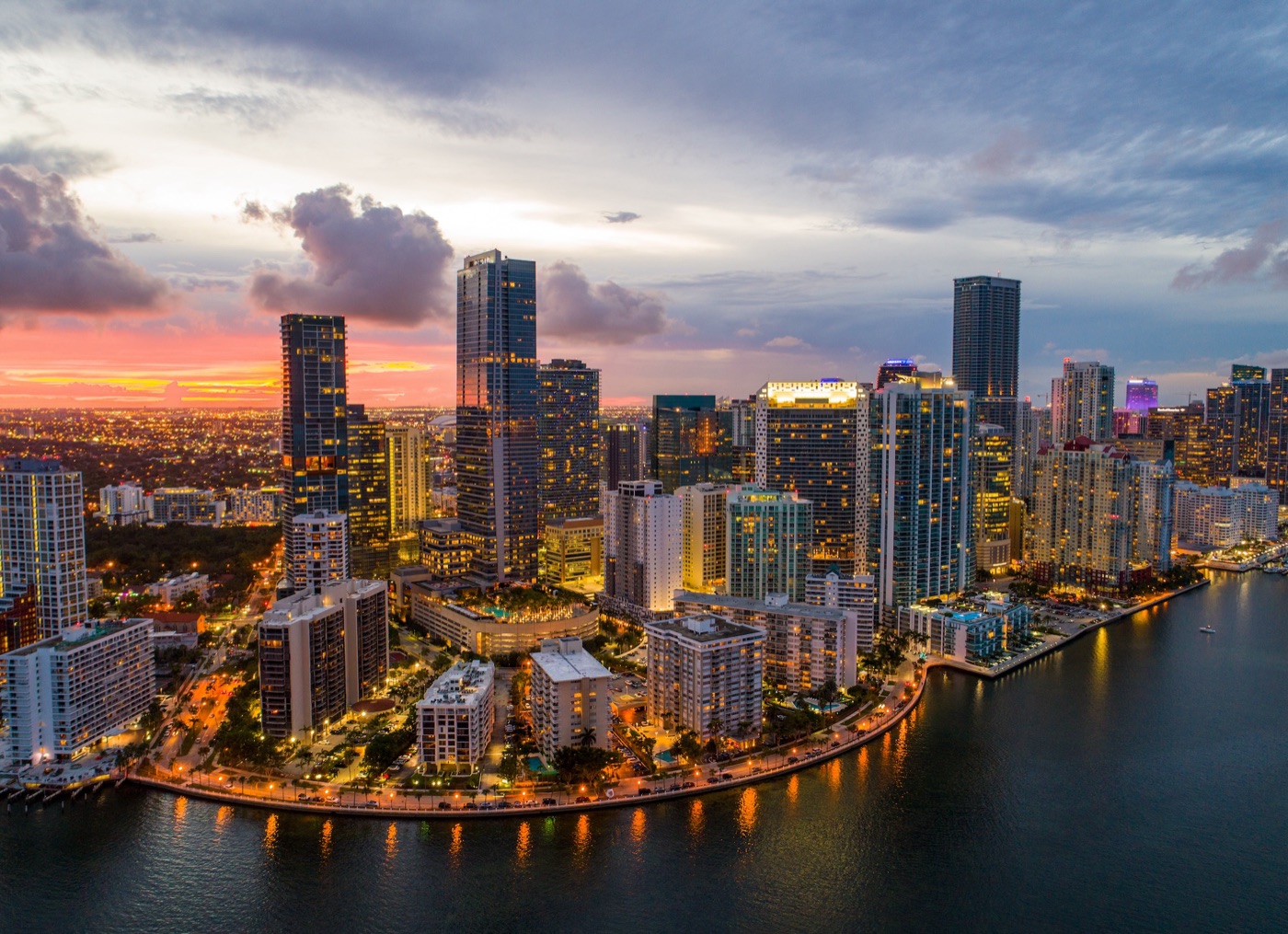
Miami has always attracted second-home buyers, but the wave I have seen over the past few years is unlike anything in my career. Buyers are coming from New York, California, Chicago, and all across Latin America, and they are not just looking for a place to escape the winter. They want a real foothold in South Florida, whether that means a Brickell condo they can use a few months a year, a Coral Gables home close to family, or a beachfront unit in Sunny Isles that also generates rental income when they are away.
What surprises many of my clients is how different the second-home purchase process is compared to buying a primary residence. The mortgage rules are stricter, the tax implications are more layered, and the neighborhood choice matters in ways that go beyond personal preference. If you plan to rent the property out part of the time, for example, that changes the loan product you can use, the insurance you need, and even the condo building rules you have to follow.
In this guide I want to walk you through everything I cover with my second-home buyers: financing differences, tax considerations, the best Miami neighborhoods for this type of purchase, and the practical questions you should ask before you sign anything. If you have questions along the way, call me at (954) 833-0020. Hablamos Espanol, and I work with buyers from across the country and around the world.
Ready to Find Your Miami Second Home?
I work with buyers from across the US and Latin America to find the right property in the right building. Hablamos Espanol. Call (954) 833-0020 to get started.
Call (954) 833-0020Second Home vs. Investment Property: The Distinction Matters More Than You Think
The very first question I ask a new second-home buyer is simple: how many days per year do you realistically plan to use this property yourself? That number drives almost every decision that follows.
Lenders and the IRS both care deeply about whether a property qualifies as a second home or an investment property. A second home, in lender terms, is one you occupy personally for a meaningful portion of the year and do not rent out on a full-time basis. An investment property is one you purchase primarily to generate rental income. The difference affects your down payment requirement, your interest rate, and your tax treatment.
For a second home, most conventional lenders require a minimum of 10 percent down, though I typically advise clients to plan for 20 percent to avoid private mortgage insurance and to get a competitive rate. Investment property loans require at least 15 to 25 percent down depending on the lender, and the interest rate is usually 0.5 to 0.75 percent higher. That gap adds up fast on a $900,000 Miami condo.
From an IRS standpoint, if you rent the property for fewer than 15 days per year, all rental income is tax-free and you can still deduct mortgage interest and property taxes as a second home. If you rent it for more than 14 days and use it personally for fewer than 14 days or 10 percent of the rental days, the IRS treats it as a rental property with full income and expense reporting. This is worth a conversation with your CPA before you close, not after.
Explore on rangelyadames.com
Financing a Miami Second Home: What to Expect in 2026
The mortgage process for a second home in Miami has its own quirks, and a few of them catch buyers off guard. The first is the occupancy requirement. When you sign for a second-home loan, you are certifying that you intend to occupy the property personally for some portion of the year. If your actual plan is to rent it out 50 weeks a year and never visit, that is an investment property loan, full stop. Misrepresenting occupancy intent is mortgage fraud, and lenders have become very good at spotting it.
Debt-to-income ratio is the next hurdle. Lenders look at your total monthly debt obligations, including the new mortgage, and compare that to your gross monthly income. Most conventional programs want that ratio at or below 43 to 45 percent. If you already carry a primary residence mortgage, a car payment, and other obligations, adding a Miami second home at, say, $5,500 per month can push you over the threshold. I always tell clients to run those numbers with their lender before they fall in love with a specific property.
For foreign nationals buying a second home in Miami, the rules are different again. Most will need a foreign national loan product, which typically requires 30 to 40 percent down, higher reserves, and documentation of overseas income. I work with many Latin American buyers who go this route, and while it takes more preparation, it is very doable. If this describes your situation, call me at (954) 833-0020 so I can connect you with lenders who specialize in this space.
One more financing note specific to Miami: condo buildings must be on the approved list for Fannie Mae and Freddie Mac financing. Many Miami buildings, especially older ones or those with high investor concentration, are not warrantable. That means your only options are portfolio loans or cash. I know which buildings are warrantable and which are not, and that knowledge saves my clients from getting deep into due diligence on a deal that cannot be financed.
Florida Tax Advantages and the Homestead Exemption Question
One of the reasons Miami is so popular for second homes is Florida's overall tax environment. There is no state income tax, no state capital gains tax, and no estate tax at the state level. For high-income buyers relocating from New York or California even part-time, those savings are meaningful.
However, the Florida homestead exemption, which reduces your assessed value by up to $50,000 and caps annual assessment increases at 3 percent under Save Our Homes, is only available on your primary residence. Your Miami second home will be assessed at full market value each year and will not benefit from that 3 percent cap. In a rising market, that matters. Miami-Dade property taxes run roughly 1.8 to 2.2 percent of assessed value depending on your municipality, so on a $1.2 million property you are looking at $21,600 to $26,400 per year in taxes.
If you are considering making Miami your primary residence to access the homestead exemption, that requires spending more than six months and one day per year in Florida and filing a Declaration of Domicile with the county clerk. I help clients think through this decision regularly. Coral Gables and Pinecrest are popular choices for buyers who want to make the full move, while Miami Beach and Brickell attract those who want a part-time base without changing their primary domicile.
Non-US buyers should also be aware of FIRPTA withholding rules on the sale side. When a foreign national eventually sells a Miami property, the buyer is required to withhold 15 percent of the gross sales price for the IRS unless a withholding certificate is obtained. Planning for this on the front end, when you are buying, saves significant headaches later.
The Best Miami Neighborhoods for Second-Home Buyers
Not every Miami neighborhood works equally well as a second-home base. The right choice depends on your lifestyle preferences, how often you plan to visit, whether you want rental income, and how much maintenance you want to deal with. Here is how I think about the major options.
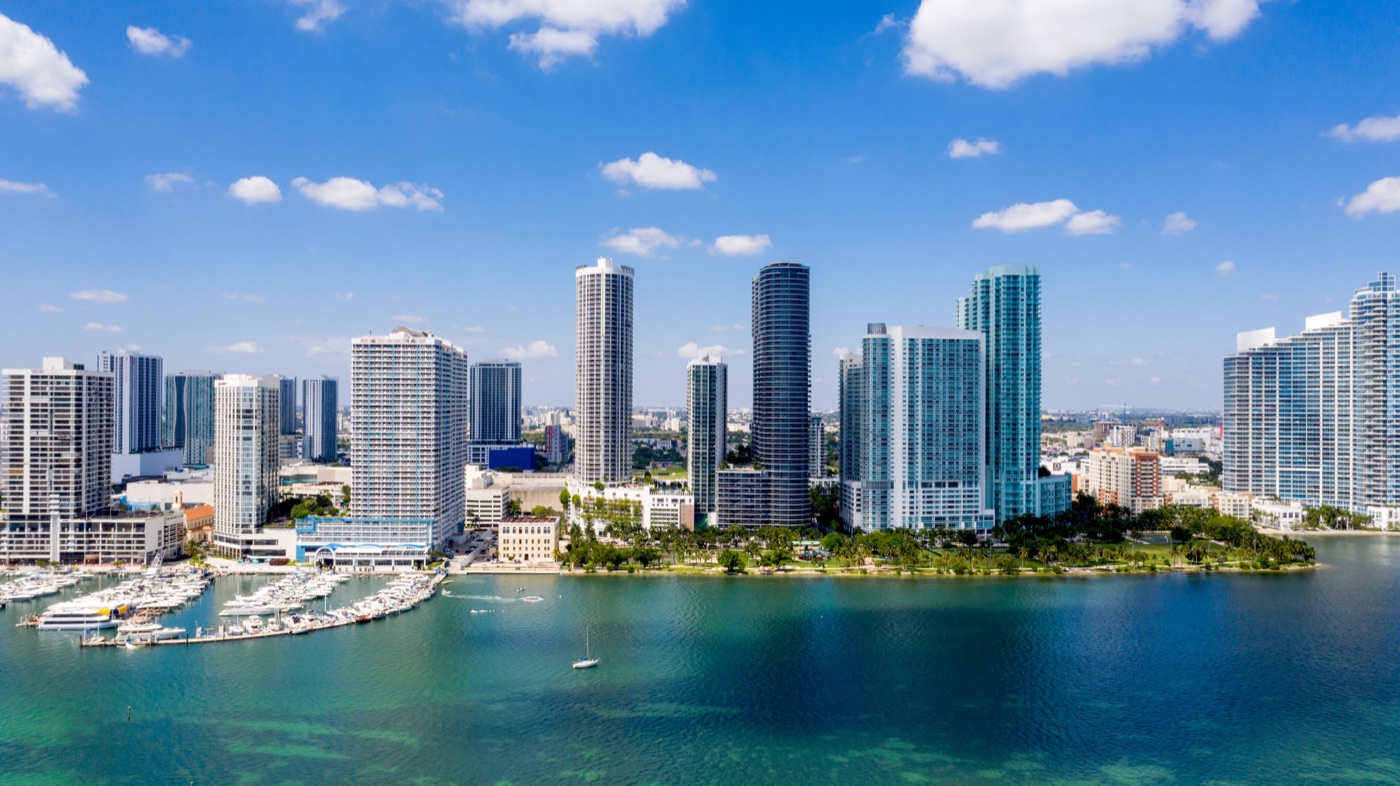
Brickell and Edgewater are excellent for buyers who want a turnkey condo with strong walkability and minimal upkeep. Brickell gives you restaurants, nightlife, and easy access to the financial district. Edgewater is quieter, with waterfront views and quick access to Wynwood and Midtown. In both neighborhoods, newer buildings offer full-service amenities and concierge teams that make part-time ownership genuinely low-stress. Prices in Brickell run from about $650,000 for a one-bedroom to well over $2.5 million for larger units in top buildings.
Miami Beach, including South Beach, Mid-Beach, and Surfside, remains one of the most requested areas for second-home buyers. The draw is obvious: direct beach access, a vibrant social scene, and strong short-term rental demand in certain buildings. South Beach skews younger and more active. Mid-Beach and Surfside attract a more established crowd and have seen strong price appreciation, with condos at Eighty Seven Park, Fendi Chateau, and similar buildings trading from $2 million to $15 million and above.
Key Biscayne is a perennial favorite for families and buyers who want a quieter, almost island-like feel within minutes of downtown Miami. There is very limited new inventory, which keeps values stable. Homes range from $2 million cottages to $20 million waterfront estates. If privacy and a close-knit community matter to you, Key Biscayne deserves serious attention.
Bal Harbour and Sunny Isles Beach attract a heavily international buyer pool, particularly from Venezuela, Colombia, Brazil, and Argentina. Buildings like Regalia, Porsche Design Tower, and Armani Residences in Sunny Isles offer the kind of full-service luxury that international buyers expect. Prices range from about $1 million to over $30 million for penthouse units. HOA fees in these buildings can run $3,000 to $8,000 per month, so budget accordingly.
Coral Gables and Coconut Grove are the picks for buyers who want a single-family home rather than a condo. Both neighborhoods have excellent tree canopy, strong school districts if you have children part of the year, and a more residential feel than the beach corridors. In Coral Gables, expect to spend $1.5 million to $5 million for a well-located home. Coconut Grove has a slightly more eclectic character and a range from about $900,000 bungalows to $10 million waterfront compounds.
Condo Rules and HOA Considerations for Part-Time Owners
If you are buying a condo as a second home, the building's rules will shape your experience more than almost any other factor. I have seen buyers purchase beautiful units only to discover that the building restricts rentals, prohibits short-term stays, or requires owner occupancy for the first year. Reading the condo documents before you make an offer is not optional.
The key documents to review are the Declaration of Condominium, the bylaws, and the rules and regulations. Look specifically for rental restrictions, minimum rental periods, pet policies, and any guest policies that might limit how you use the unit when you are not there. Some luxury buildings in Bal Harbour and Sunny Isles allow short-term rentals through the building's own rental program. Others in Coral Gables prohibit rentals entirely. These policies are not always obvious from the listing.
Florida's SB 4-D legislation, passed after the Surfside collapse, has also introduced mandatory milestone inspections and reserve funding requirements for buildings three stories and taller. Many older buildings are now carrying out structural repairs funded by special assessments. Before you buy, I always pull the most recent reserve study and review the minutes from the last 12 months of board meetings. That is where you find out about pending assessments before they become your problem.
HOA fees in Miami luxury buildings are not trivial. In many Brickell high-rises they run $1,200 to $2,500 per month. On the beach, $2,500 to $5,000 per month is common. In ultra-luxury buildings the fees can exceed $8,000 monthly. These fees cover amenities, staff, insurance for the building envelope, and reserves. They are a real cost of ownership that buyers sometimes underestimate when comparing Miami to other markets.
Renting Out Your Second Home: What Is Actually Allowed
Many second-home buyers in Miami want to offset carrying costs by renting the property when they are not using it. This is completely reasonable, but the rules vary significantly by property type, building, and municipality.
Miami Beach has some of the strictest short-term rental rules in South Florida. Much of the city prohibits rentals shorter than six months and one day except in specifically zoned commercial resort areas. Violators face fines starting at $20,000 per offense. If short-term rental income is part of your financial model, you need a unit in a building and zone that explicitly permits it, and I can help you identify those.
Unincorporated Miami-Dade County and some municipalities like Sunny Isles Beach have more permissive rules, though even there you need a local business tax receipt and must comply with the Florida Vacation Rental Act. Buildings that operate as condo hotels, found primarily in Miami Beach and Sunny Isles, offer a managed rental program through the hotel brand and handle licensing, cleaning, and booking on your behalf. These are convenient for part-time owners but come with management fees of 40 to 55 percent of gross rental revenue.
For longer-term seasonal rentals of three to six months, demand is strong and growing in Miami. Snowbird renters from Canada and the Northeast routinely pay $8,000 to $25,000 per month for well-appointed condos in good buildings during the winter season. This model avoids short-term rental restrictions while still generating meaningful income. In my experience, clients who think carefully about the rental strategy before they buy end up far happier with their returns.
Practical Steps Before You Make an Offer
The Miami second-home market moves quickly, especially for well-priced units in desirable buildings. Showing up without pre-approval or proof of funds means you will miss deals. Here is the checklist I walk my clients through before we start touring seriously.
First, get your financing squared away. If you are using a mortgage, have a pre-approval letter from a lender familiar with Miami condos and second-home loans. If you are paying cash, have a recent bank or brokerage statement ready to go. Second, define your non-negotiables: building type, neighborhood, minimum square footage, water views or not, parking requirements, and pet needs. Miami has an enormous inventory and narrowing your criteria saves everyone time.
Third, be honest with yourself about how you will actually use the property. If you are going to visit four times a year for a week each time, a condo with hotel-style services makes more sense than a four-bedroom house with a pool that sits empty and costs money to maintain. Fourth, plan for total cost of ownership, not just the purchase price. Add up the mortgage payment, HOA fees, property taxes, insurance, and any management fees. That number needs to work for your budget even if the rental income never materializes.
Finally, work with an agent who knows the specific buildings you are considering. Miami is not a city where a generalist serves you well. I specialize in these neighborhoods and these building types, and that means I know which buildings have pending litigation, which ones have strong financials, and which ones are overpriced relative to comparable sales.
Before making an offer on a Miami second home, confirm you have covered these essentials:
- Pre-approval letter or proof of funds ready to submit with an offer
- Reviewed the condo documents including bylaws, rules, and recent board meeting minutes
- Confirmed the building is Fannie Mae and Freddie Mac warrantable if using conventional financing
- Checked municipal short-term rental rules for the specific address
- Pulled the current reserve study and looked for pending special assessments
- Calculated total monthly carrying costs including HOA, taxes, insurance, and any management fees
- Confirmed the building's rental policy matches your intended use
- Spoken with a CPA about second home vs. investment property tax treatment for your situation
Working With an Agent Who Knows This Market
Buying a second home in Miami is a different transaction than buying a primary residence anywhere else in the country. The condo market is layered and complex. The legal landscape around rentals changes regularly. The buildings each have their own financial health and culture. And the pace of the luxury market means that hesitation is expensive.
I have helped buyers from New York, California, Colombia, Venezuela, Argentina, Brazil, and beyond find and close on second homes across Miami-Dade County. I know the difference between a building with a healthy reserve fund and one that is headed toward a major assessment. I know which neighborhoods are appreciating and which ones have softened. I know how to negotiate in a market where sellers of premium properties are not always in a hurry.
My clients also value the fact that my team is fully bilingual. Hablamos Espanol, and for Latin American buyers navigating the US purchase process for the first time, that matters. From explaining financing options to reviewing contracts to coordinating with attorneys and lenders, I make sure nothing gets lost in translation.
If you are thinking about a Miami second home and want to have a real conversation about what makes sense for your situation, call me at (954) 833-0020. There is no pressure and no obligation. I am happy to walk you through the market, share what I am seeing on the ground, and help you figure out whether now is the right time and what the right property looks like for your goals.
Let's Talk About Your Miami Second Home
Whether you are just beginning to explore the idea or ready to make an offer, call Rangely Adames at (954) 833-0020 and let's map out the right path for you.
Related Articles
February 2026 · 9 min read
Aventura Real Estate Guide: Condos, Schools & Lifestyle (2026)
Luxury high-rises, top-rated schools, and the Aventura Mall — why families and investors love this North Miami suburb.
Read article →February 2026 · 9 min read
Airbnb Investment Properties in Miami: Rules, ROI & Best Areas
Short-term rental regulations, income projections, and the best Miami neighborhoods for Airbnb investing.
Read article →July 2026 · 10 min read
Bay Harbor Islands Real Estate Guide: Homes, Condos & Market (2026)
Waterfront homes with private docks, boutique condos, and a top-rated K-8 school make Bay Harbor Islands one of Miami's best-kept secrets. A bilingual 2026 buyer guide with prices and consejos para compradores. Hablamos Espanol.
Read article →