First-Time Home Buyer Guide: Miami Edition (2026)
By Rangely Adames • April 2026 • 11 min read
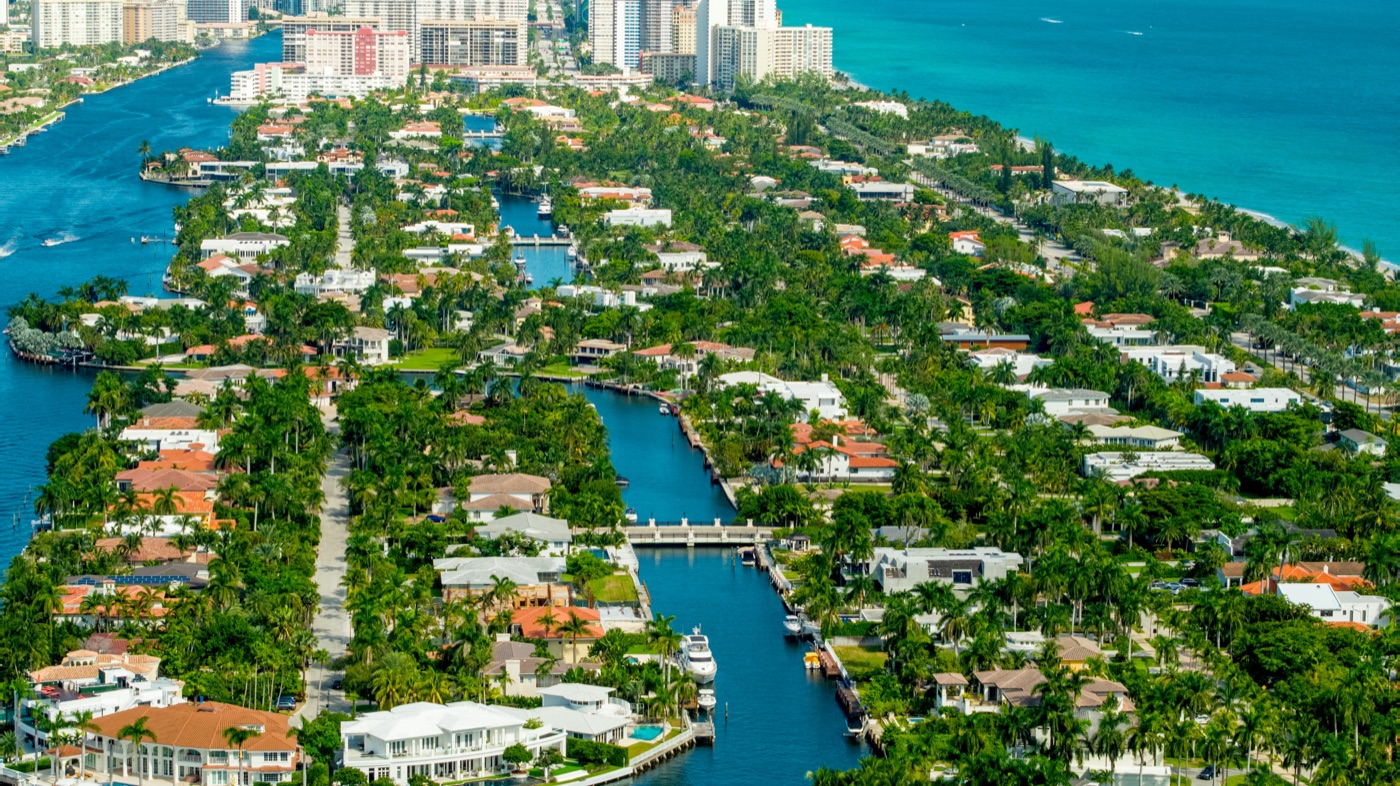
Buying your first home is one of the biggest financial decisions you will ever make, and doing it in Miami comes with its own unique set of opportunities and challenges. From navigating flood insurance requirements to taking advantage of Florida's homestead exemption, there is a lot to learn before you write that first offer. This guide covers every step of the process so you can approach homeownership in Miami with clarity and confidence.
Step 1: Know What You Can Afford
Before you start browsing listings, get a realistic picture of your budget. Most lenders recommend that your total monthly housing cost (mortgage, taxes, insurance, HOA) should not exceed 28-33% of your gross monthly income. In Miami, property taxes run about 2% of assessed value, and insurance costs are higher than the national average due to hurricane risk.
A household earning $100,000 per year can typically qualify for a home priced between $350,000 and $420,000, depending on existing debts, credit score, and down payment size. If that sounds tight for Miami, do not worry. There are neighborhoods and programs that make homeownership accessible at these price points.
Explore on rangelyadames.com
Step 2: Get Pre-Approved
A mortgage pre-approval is essential in Miami's competitive market. It tells sellers you are a serious buyer with confirmed financing. The pre-approval process involves a credit check, income verification, and review of your assets. Most lenders can issue a pre-approval letter within a few business days.
Shop at least three lenders to compare rates and fees. Even a small difference in interest rate, say 6.5% versus 6.75%, can save you tens of thousands of dollars over the life of a 30-year mortgage. Consider both traditional banks and mortgage brokers, as brokers often have access to a wider range of loan products.
Step 3: Down Payment Assistance Programs
One of the biggest hurdles for first-time buyers is saving for a down payment. Fortunately, several programs can help:
FHA Loans: Backed by the Federal Housing Administration, FHA loans require as little as 3.5% down and accept credit scores as low as 580. They are the most popular choice for first-time buyers in Miami. The downside is mandatory mortgage insurance (MIP), which adds to your monthly payment.
Florida Hometown Heroes Program: This state-funded program offers up to $35,000 in down payment and closing cost assistance for first-time buyers who work in over 50 eligible professions, including teachers, nurses, law enforcement, and first responders. The assistance comes as a zero-interest, deferred second mortgage.
Florida Housing First-Time Homebuyer Program: Provides below-market interest rates and down payment assistance of up to $10,000. Income limits apply, and the property must be your primary residence.
Miami-Dade County HOPE Program: Offers up to $40,000 in assistance for income-qualified buyers purchasing in unincorporated Miami-Dade County. This is a forgivable loan that is fully forgiven after 15 years of continuous residency.
Conventional 3% Down:Fannie Mae and Freddie Mac offer conventional loans with as little as 3% down for first-time buyers. These avoid FHA's permanent mortgage insurance, and once you reach 20% equity, the private mortgage insurance (PMI) drops off.
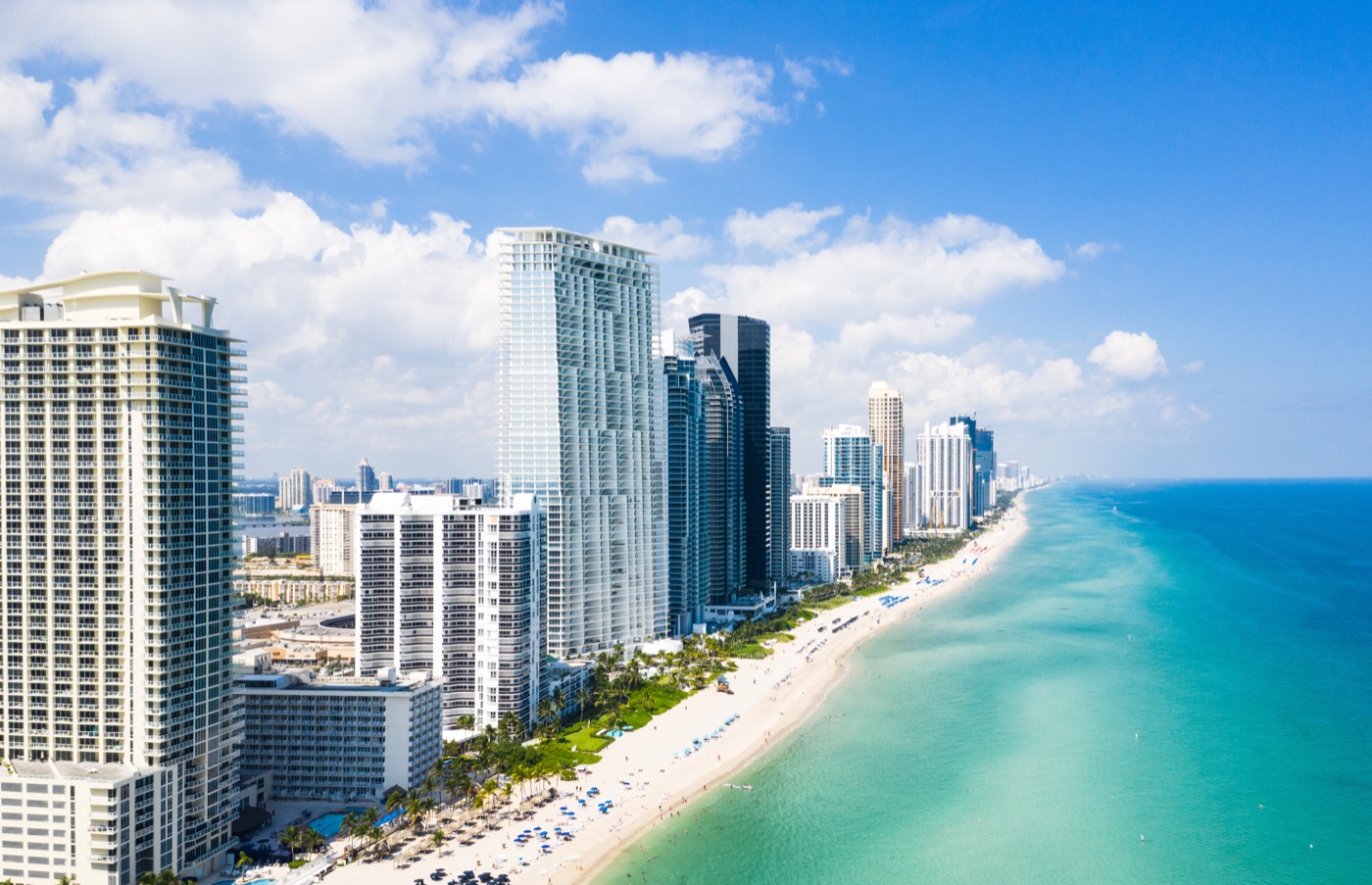
Step 4: Miami-Specific Considerations
Flood Insurance
Much of Miami-Dade County sits within FEMA-designated flood zones. If your property is in a high-risk flood zone (Zone AE or VE), your mortgage lender will require flood insurance, which is separate from your regular homeowner's policy. Flood insurance premiums vary widely, from $500 per year for a low-risk property to $5,000+ for homes in high-risk zones. Always check the flood zone designation and get a flood insurance quote before making an offer.
Wind Mitigation
Florida law requires insurers to offer discounts for homes with hurricane-resistant features. A wind mitigation inspection (typically $75-$150) documents things like roof shape, roof-to-wall connections, shutters, and impact-resistant windows. Homes built after 2002 under the updated Florida Building Code generally score well on wind mitigation inspections and qualify for meaningful insurance discounts, sometimes saving $1,000-$3,000 per year on premiums.
Homestead Exemption
Florida's homestead exemption is one of the best tax benefits in the country for homeowners. If the property is your primary residence, you qualify for a $50,000 exemption on your property's assessed value, which can save $1,000-$1,500 per year in property taxes. Additionally, the Save Our Homes cap limits annual assessment increases to 3% or the Consumer Price Index, whichever is lower. This means your tax bill grows slowly over time even if market values spike. You must file for homestead exemption by March 1 of the year following your purchase. Do not miss this deadline.
Condo Inspections and Milestone Reports
Following the Surfside tragedy in 2021, Florida enacted stricter condo inspection requirements. Buildings three stories or taller must undergo milestone structural inspections at 25 years (or 20 years if within three miles of the coast), with follow-up inspections every 10 years. As a buyer, review the building's inspection report and reserve fund status carefully. Buildings facing large special assessments for structural repairs can be a financial trap for new buyers.
Step 5: Find Your Neighborhood
Here are the best neighborhoods for first-time buyers in Miami based on affordability, livability, and future value:
Homestead: The most affordable entry point in Miami-Dade. New construction single-family homes start around $320,000, and the area is growing rapidly with new schools, parks, and retail. Read our best neighborhoods guide for more details.
Doral: Townhouses and smaller single-family homes in the $350,000-$500,000 range. Excellent schools, family-friendly community, and proximity to the airport. Browse Doral listings.
Hialeah / Hialeah Gardens: One of the most affordable urban areas in the county with a strong sense of community. Median home prices around $380,000. Predominantly Spanish-speaking, with a vibrant cultural scene.
North Miami / North Miami Beach: Older single-family homes and condos at accessible prices, with improving walkability and new development along Biscayne Boulevard.
Kendall: A large suburban area with diverse price points. Newer townhouse communities start in the low $400,000s. Good schools and shopping centers, though traffic can be heavy during peak hours.
Step 6: Make an Offer and Close
Once you find the right home, your agent will help you craft a competitive offer. In the current market, well-priced homes still attract multiple offers, so speed matters. Your offer should include your pre-approval letter, proposed closing date (typically 30-45 days), and any contingencies (inspection, financing, appraisal).
After your offer is accepted, you will enter the due diligence period. Schedule a home inspection within the first 10-15 days. In Miami, pay special attention to the roof condition, AC system, plumbing (older homes may have polybutylene pipes), and any signs of water intrusion. Your inspector should also check for Chinese drywall, which affected some homes built between 2001 and 2009.
Closing costs in Florida typically run 2-4% of the purchase price and include title insurance, documentary stamps, recording fees, and lender fees. Florida is a "title state," meaning the buyer typically selects the title company and pays for owner's title insurance (though this is negotiable). Budget $8,000-$15,000 in closing costs on a $400,000 purchase.
Common First-Time Buyer Mistakes to Avoid
Skipping the inspection: Never waive your inspection contingency as a first-time buyer. The $400-$600 cost of a thorough inspection can save you from tens of thousands in surprise repairs.
Ignoring insurance costs:Budget for homeowner's insurance, flood insurance, and wind insurance before you commit to a purchase price. In Miami, insurance can add $400-$800/month to your housing costs.
Forgetting about HOA fees: If you buy a condo or a home in an HOA community, factor those monthly fees into your budget. They can range from $200 to $1,500+ per month.
Not filing for homestead exemption: This is free money. File before March 1 of the year after your purchase and save over $1,000 per year on property taxes.
Related Articles
September 28, 2026 · 10 min read
Argentine Buyers Guide to Miami Real Estate: Process, Financing Themes, and Neighborhood Fit (2026)
Buying Miami real estate from Argentina is workable when you separate what your agent coordinates from what your attorney, CPA, and lender decide. This support guide walks through the process, financing themes, remote closing, and neighborhood fit, then points you to the Argentina foreign-buyer hub for next steps.
Read article →February 2026 · 9 min read
Aventura Real Estate Guide: Condos, Schools & Lifestyle (2026)
Luxury high-rises, top-rated schools, and the Aventura Mall — why families and investors love this North Miami suburb.
Read article →February 2026 · 9 min read
Airbnb Investment Properties in Miami: Rules, ROI & Best Areas
Short-term rental regulations, income projections, and the best Miami neighborhoods for Airbnb investing.
Read article →Ready to Buy Your First Home in Miami?
Schedule a free consultation with Rangely to discuss your budget, neighborhood preferences, and next steps.