Condo vs. Townhouse in Miami: Which Investment Makes More Sense in 2026?
By Rangely Adames • May 2026 • 11 min read
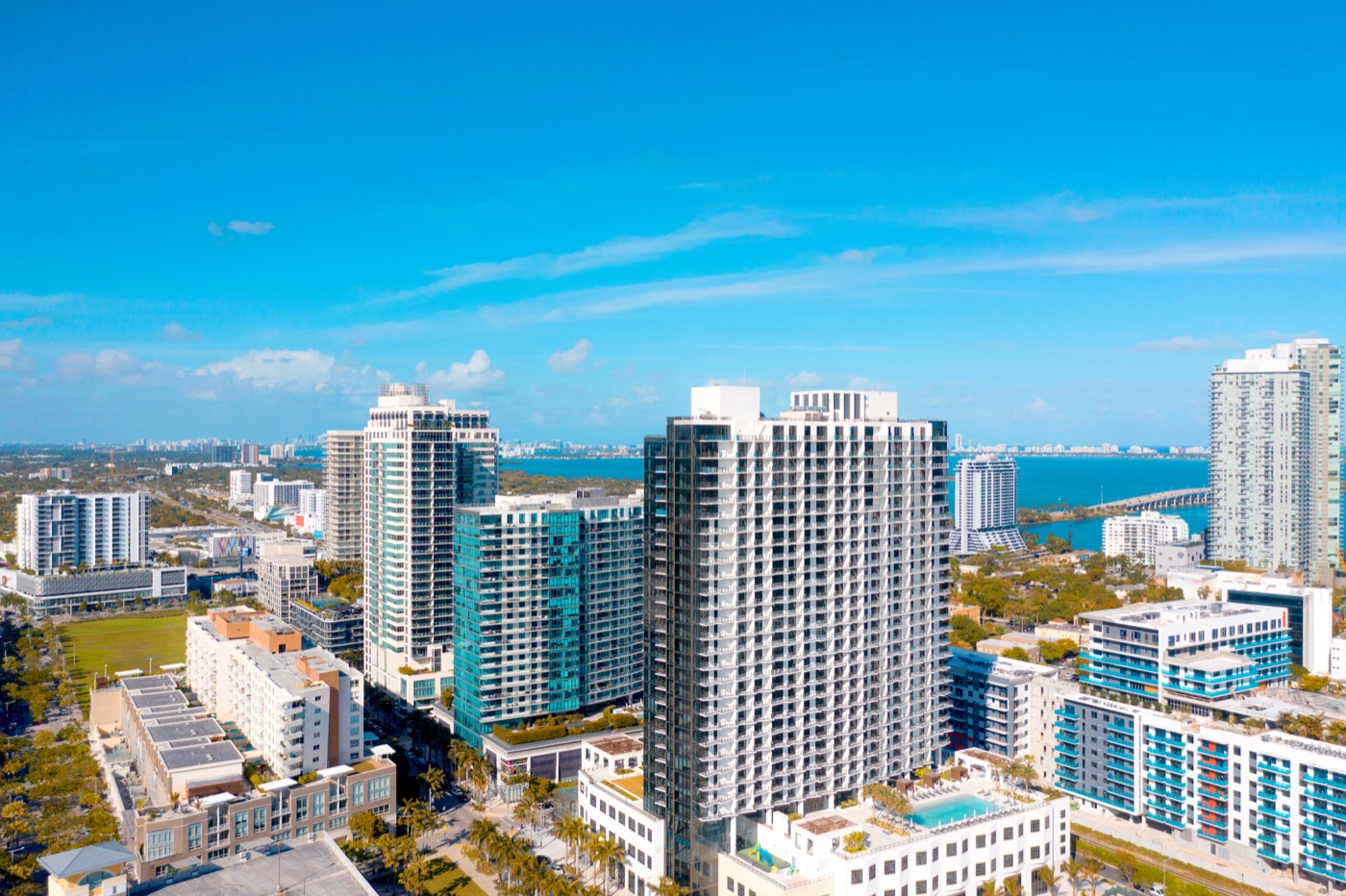
One of the most common questions I hear from buyers, especially those coming from New York, Bogota, or Buenos Aires, is whether they should buy a condo or a townhouse in Miami. On the surface it seems like a simple choice, but once you dig into the numbers, the HOA structures, the rental rules, and the long-term appreciation, you quickly realize the two products are very different animals. I have helped hundreds of clients navigate this decision across Brickell, Coral Gables, Coconut Grove, Edgewater, and Aventura, and the right answer almost always depends on your specific goals.
The Miami market in 2026 offers both options at a wide range of price points. You can find a well-maintained condo in Midtown Miami starting around $450,000, and a townhouse in Doral or Kendall starting around $520,000. At the luxury end, a waterfront condo in Sunny Isles Beach or a townhouse in a gated Coral Gables community can each push well past $2 million. So price alone does not make the decision for you. What matters more is how you plan to use the property, how long you plan to hold it, and what kind of management headaches you are willing to accept.
In this post I am going to walk you through the key differences between condos and townhouses in Miami from a practical investment perspective. I will cover carrying costs, rental income potential, appreciation history, financing differences, and the lifestyle factors that often tip the scale one way or the other. By the end, you should have a clear framework for making the right call for your situation.
Not Sure Which Property Type Is Right for You?
I can walk you through a side-by-side comparison of condos and townhouses in any Miami neighborhood that fits your budget. Hablamos Espanol. Call me today at (954) 833-0020.
Call (954) 833-0020Understanding the Basic Structural Differences
Before comparing investment performance, it helps to be precise about what each property type actually is in the Miami market. A condo means you own your individual unit and share ownership of the common areas with other unit owners through a condominium association. You own from the paint in on your walls. The land, the building exterior, the hallways, the pool, the gym, and the elevators are all shared.
A townhouse in Miami is typically a fee-simple or PUD (planned unit development) property where you own the structure itself from foundation to roof, along with a small private lot. Many Miami townhouses sit within HOA communities that maintain the common green space and exterior aesthetics, but the ownership structure gives you significantly more control over your property than a condo does.
This distinction matters enormously when it comes to financing, insurance, rental rules, and resale. In my experience, buyers who do not fully understand this structural difference sometimes get surprised by what they can and cannot do after closing. A condo board can vote to restrict short-term rentals tomorrow. A fee-simple townhouse owner has far more latitude, though HOA covenants still apply.
Explore on rangelyadames.com
Breaking Down the Real Carrying Costs
One of the biggest mistakes investors make is comparing the purchase price of a condo and a townhouse without accounting for the full carrying costs. In Miami, those costs can be dramatically different between the two product types.
Condo HOA fees in Miami range widely depending on the building. A mid-rise condo in Edgewater or Midtown might run $700 to $1,000 per month for a two-bedroom unit. A luxury high-rise in Brickell or Sunny Isles Beach can easily charge $1,500 to $3,000 per month or more. Those fees cover building insurance, maintenance, amenities, and reserves. Since the Surfside collapse and the passage of SB 4D, reserve requirements have increased significantly, and many Miami condo buildings are now passing special assessments on top of regular HOA fees to bring their reserve accounts up to the new legal minimums. I have seen assessments ranging from $10,000 to over $100,000 per unit in some older buildings along Collins Avenue and in Brickell.
Townhouse HOA fees in Miami are typically much lower. A townhouse in a gated community in Doral might charge $250 to $400 per month. A townhouse in Coconut Grove or Coral Gables can run $350 to $600 per month depending on community amenities. Because you own the structure, you are also responsible for your own roof, plumbing, and HVAC, which means budgeting for those capital expenses separately. A new roof on a Miami townhouse typically costs $15,000 to $30,000 depending on size and material. That is a real cost condos shift to the association.
When you stack up all carrying costs including HOA fees, insurance, property taxes, and reserves, the monthly cost of ownership often comes out closer than the purchase price comparison suggests. A $600,000 condo in Brickell with $1,400 per month in HOA fees can easily have higher total carrying costs than a $680,000 townhouse in Coconut Grove with $400 per month in HOA fees and lower insurance premiums.
Rental Income Potential: The Numbers Side by Side
If you are buying as an investment, rental income is probably your primary concern. Miami has one of the strongest rental markets in the country, driven by corporate relocations, seasonal residents, international buyers who use their units part time, and a large population of long-term renters who cannot yet afford to buy.
For long-term rentals, a two-bedroom condo in Brickell rents for roughly $3,200 to $4,500 per month depending on the building, floor, and views. A two-bedroom condo in Edgewater or Midtown runs $2,800 to $3,800 per month. A comparable two-bedroom townhouse in Coconut Grove or South Miami rents for $3,500 to $5,000 per month, and townhouses in Coral Gables can command $5,000 to $7,500 per month for larger three and four bedroom units.
Townhouses generally generate stronger gross rental income per square foot on long-term leases because tenants pay a premium for the private garage, private outdoor space, and the feeling of a single-family home without the maintenance responsibility of owning one. Families with children and pets are especially willing to pay more for a townhouse over a condo.
For short-term rentals, the picture is more complicated. Miami-Dade County and individual municipalities have varying rules about short-term rentals. Many condo buildings prohibit rentals under 30 days, or require a minimum 6-month lease. Townhouses in unincorporated Miami-Dade with permissive HOA bylaws can sometimes be operated as short-term rentals, but you need to verify zoning, HOA rules, and municipal ordinances before assuming that is an option. I always review HOA documents carefully with my clients before closing on any property intended for rental use. If you want to explore the short-term rental strategy in detail, call me at (954) 833-0020 and we can walk through the specific rules for the neighborhoods you are considering.
Appreciation History and Long-Term Value
Miami real estate has appreciated significantly over the past decade, but condos and townhouses have not appreciated at identical rates. Understanding those differences can affect your exit strategy.
Single-family homes and townhouses in established neighborhoods like Coconut Grove, Coral Gables, and South Miami have seen appreciation of roughly 8 to 12 percent annually over the past five years, driven by limited land supply, strong school districts, and the lifestyle migration from expensive coastal cities. Townhouses in Brickell and Edgewater have also performed well, with values up 40 to 60 percent since 2019 in some pockets.
Condos have a more varied appreciation story. Luxury new construction condos in Sunny Isles Beach and Brickell have seen strong price growth at the top of the market, with units in newer buildings like Aston Martin Residences and the St. Regis Residences appreciating well. However, older condo buildings, particularly those with large pending special assessments or aging infrastructure, have seen flat or even declining values as buyers factor in the cost of deferred maintenance and the new reserve requirements under Florida law.
The bottom line on appreciation is that location and building quality matter as much as property type. A well-maintained townhouse in a desirable neighborhood will generally outperform an aging condo in a building facing financial challenges. I tell my investor clients to think of a condo purchase as also buying into the financial health of the association, because that association's decisions will directly affect your resale value.
Financing Differences You Need to Know
Financing is one area where condos and townhouses diverge in ways that can genuinely affect your purchasing power and your ability to sell later.
Townhouses with fee-simple ownership are financed just like single-family homes. Conventional loans, FHA loans, VA loans, and jumbo mortgages all apply with standard underwriting. Lenders are not concerned about HOA financial health when the ownership structure is fee-simple, though they will review any HOA documents if the property is in a planned unit development.
Condos are a different story. Lenders require condo project approval, which means the building itself has to meet certain financial and legal standards. FHA and VA financing requires the building to be on an approved list, and many Miami condo buildings are not FHA or VA approved, which immediately shrinks your buyer pool at resale. Conventional lenders apply Fannie Mae and Freddie Mac condo guidelines that look at owner-occupancy ratios, litigation history, reserve funding levels, and delinquency rates among unit owners. In the wake of the new Florida reserve laws, many older Miami condo buildings are failing these tests, making them harder to finance with conventional loans.
This financing challenge affects you not just when you buy, but when you sell. If your building is not warrantable, meaning it does not meet conventional lending standards, your buyer will likely need to pay cash or use a portfolio lender at a higher interest rate. That restriction reduces demand and can suppress your sale price. I have seen clients lose 10 to 15 percent of value at resale simply because their building's financial situation changed while they owned the unit. Townhouses almost never face this issue.
Lifestyle Factors That Drive the Decision
Not every buyer is a pure investor. Many of my clients are buying a primary residence or a second home that they also want to rent out part of the year. For those buyers, the lifestyle question matters just as much as the numbers.
Condos in Miami deliver a very specific lifestyle: concierge service, resort-style amenities, walkability to restaurants and nightlife, and zero maintenance responsibility. If you want to fly in from Buenos Aires or Madrid for two weeks, turn your key, and live as if you are in a five-star hotel, a luxury condo in Brickell City Centre, the Four Seasons Residences, or the Porsche Design Tower in Sunny Isles is hard to beat. You pay a premium for that lifestyle through HOA fees, but for many of my international clients, that premium is worth every dollar.
Townhouses appeal to a different kind of buyer. Families who want a yard for children and pets, clients who need a two-car garage, buyers who want the privacy of not sharing elevator banks and hallways with hundreds of neighbors. Coconut Grove and Coral Gables townhouses in particular offer the best of both worlds: proximity to great schools, walkable village centers, and a quiet neighborhood feel, all within 15 minutes of downtown Miami.
I also work with a lot of buyers who are relocating from the Northeast and California, and those clients almost universally underestimate how much they will value private outdoor space once they arrive. Miami's year-round weather makes a private patio, rooftop deck, or small yard a genuine daily asset, not just a line item on a listing sheet.
Key Questions to Ask Before You Decide
After working through all the financial and lifestyle factors, I find that most buyers arrive at their decision by answering a focused set of questions. Here is the checklist I walk through with every client who is comparing condos and townhouses in Miami.
Work through these questions before making a final decision between a condo and a townhouse:
- What is my primary goal: capital appreciation, rental income, personal use, or a combination of all three?
- How long do I plan to hold the property? Shorter holds under three years often favor condos with strong amenity packages that are easier to rent. Longer holds of five or more years often favor townhouses with land value.
- Am I comfortable with condo association governance? HOA boards can change rental rules, approve assessments, and restrict modifications. If you want control, a townhouse gives you more of it.
- Have I reviewed the condo building's reserve study and most recent financials? This is non-negotiable for any condo purchase over $500,000.
- Is the condo building warrantable under Fannie Mae guidelines? If not, how will that affect my exit strategy?
- What is the short-term rental policy in the specific building or HOA? Do not assume. Read the documents.
- Am I budgeting for townhouse-specific capital expenses like roof replacement, HVAC, and exterior painting over a 10-year horizon?
- What is the neighborhood trajectory? A condo in a rapidly gentrifying area like Allapattah or Little River may outperform a townhouse in a stagnant suburb over the next five years.
My Recommendation Based on Current Miami Market Conditions
I want to be direct with you rather than give a non-answer that applies to no one. Based on what I am seeing in the Miami market heading into 2026, here is my honest assessment.
If you are buying a luxury property for personal use with some rental income on the side, and your budget is above $1.2 million, the condo market at the top of the luxury segment is performing well. New construction buildings with modern reserve structures, strong management, and high owner-occupancy ratios in Brickell, Edgewater, and Key Biscayne are still excellent purchases. The lifestyle value is real and the buyer pool at resale is deep for well-located luxury product.
If you are a pure investor focused on cash flow and you have a budget between $500,000 and $900,000, a townhouse in Coconut Grove, South Miami, or a gated Coral Gables community is likely to deliver better net cash flow after carrying costs, stronger appreciation tied to land value, and fewer financing headaches at resale. The rental demand from families and professionals in those neighborhoods is consistent year over year.
If you are looking at older Miami condo buildings built before 2000, especially anything along Collins Avenue, in Brickell, or in Aventura, please do your due diligence on the reserve funds and pending assessments before making any offer. I have seen buyers get into buildings that look attractively priced on the surface, only to receive a $50,000 special assessment notice within 18 months of closing. That is not a knock against all older buildings. Many are well-run and financially sound. But you have to verify.
The Miami market rewards educated buyers who understand what they are actually purchasing. Whether you choose a condo or a townhouse, the work you do before making an offer will pay dividends for years. I am happy to sit down with you, review your goals, and pull together a side-by-side comparison of specific properties that fit your budget and strategy. Hablamos Espanol, and I work with buyers from all over the world who are navigating this market for the first time. Give me a call at (954) 833-0020 and let us find the right fit for you.
Ready to Invest in Miami Real Estate?
Whether you are leaning toward a luxury condo in Brickell or a townhouse in Coconut Grove, I will help you find the right property at the right price. Call Rangely Adames at (954) 833-0020 to get started.
Related Articles
September 28, 2026 · 10 min read
Argentine Buyers Guide to Miami Real Estate: Process, Financing Themes, and Neighborhood Fit (2026)
Buying Miami real estate from Argentina is workable when you separate what your agent coordinates from what your attorney, CPA, and lender decide. This support guide walks through the process, financing themes, remote closing, and neighborhood fit, then points you to the Argentina foreign-buyer hub for next steps.
Read article →February 2026 · 9 min read
Aventura Real Estate Guide: Condos, Schools & Lifestyle (2026)
Luxury high-rises, top-rated schools, and the Aventura Mall — why families and investors love this North Miami suburb.
Read article →February 2026 · 9 min read
Airbnb Investment Properties in Miami: Rules, ROI & Best Areas
Short-term rental regulations, income projections, and the best Miami neighborhoods for Airbnb investing.
Read article →