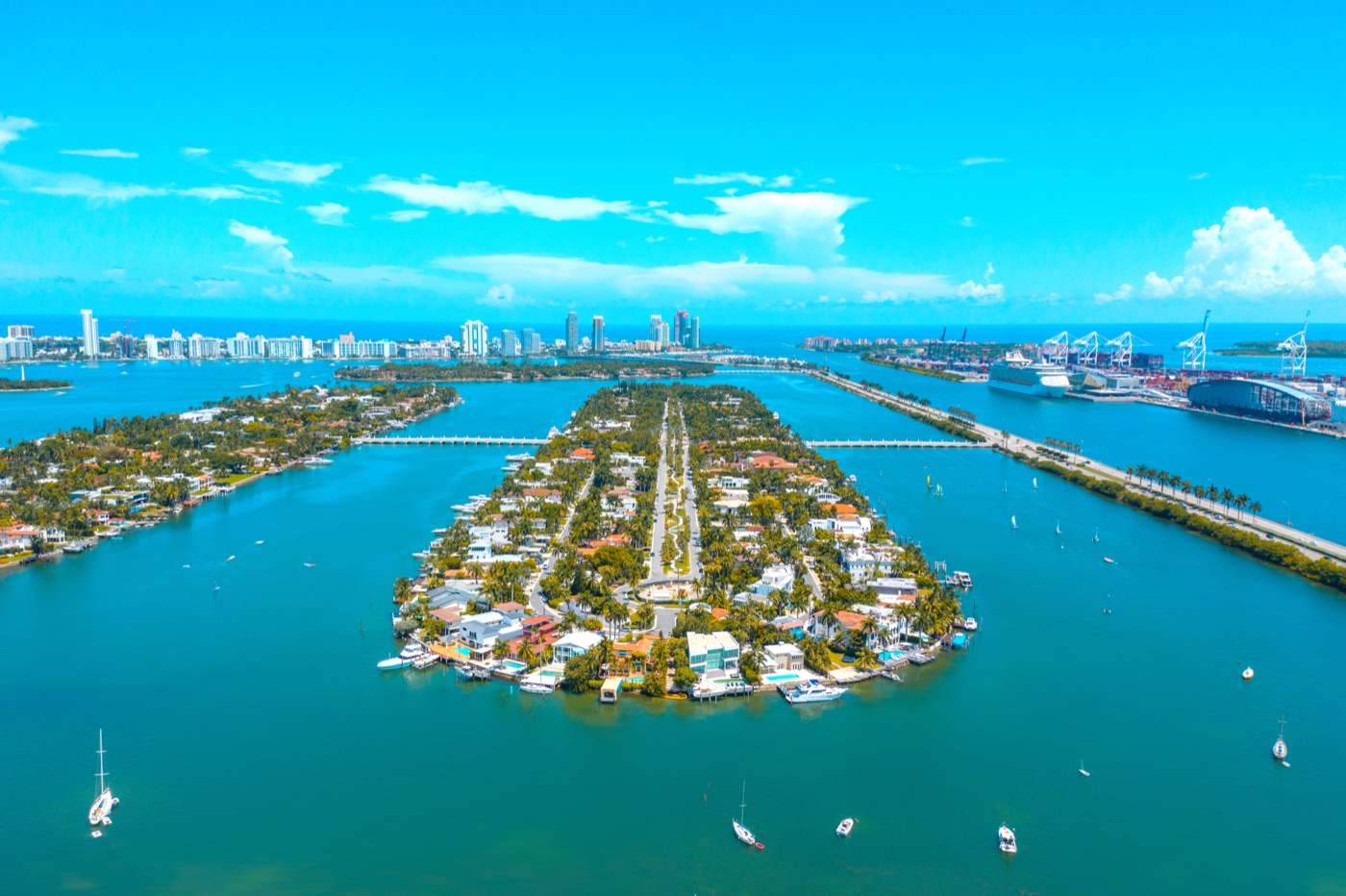
Buying a luxury condo in Miami is one of the most exciting purchases you can make, and also one of the most nuanced. Unlike buying a single-family home in Coral Gables or Pinecrest, a condo purchase means you are buying into a building, a management structure, a reserve fund, and a set of rules that will govern how you live in and use that property. I have guided dozens of clients through this process, from first-time buyers relocating from New York to international investors purchasing a second home in Sunny Isles Beach, and the details matter far more than most people expect.
Miami's luxury condo market spans a wide range of price points, building ages, and lifestyle profiles. A unit at Aston Martin Residences in downtown Miami feels completely different from a unit at the Surf Club Four Seasons in Surfside, even if both are priced above $3 million. The neighborhood, the building's financial health, the floor plan, the amenity package, and the rental rules all shape what a condo is actually worth to you as a buyer, an investor, or someone planning to live there full time.
In this guide, I walk through everything I cover with my clients before they make an offer on a luxury condo in Miami. Whether you are focused on Brickell, Edgewater, Miami Beach, Fisher Island, or Bal Harbour, these are the questions you need answered before you sign a contract. If you would like to talk through a specific building or neighborhood, call me directly at (954) 833-0020. Hablamos Espanol.
Ready to Find Your Miami Luxury Condo?
I work with buyers across Brickell, Miami Beach, Sunny Isles, Edgewater, and beyond. Call (954) 833-0020 today. Hablamos Espanol.
Call (954) 833-0020How Miami's Luxury Condo Market Is Priced Right Now
The Miami luxury condo market in 2026 continues to carry strong pricing, particularly at the top tier. For purposes of this guide, I define luxury condos as units priced at $1 million and above, though many of the buildings I work with most frequently start at $2 million and climb well past $10 million for full-floor or penthouse units.
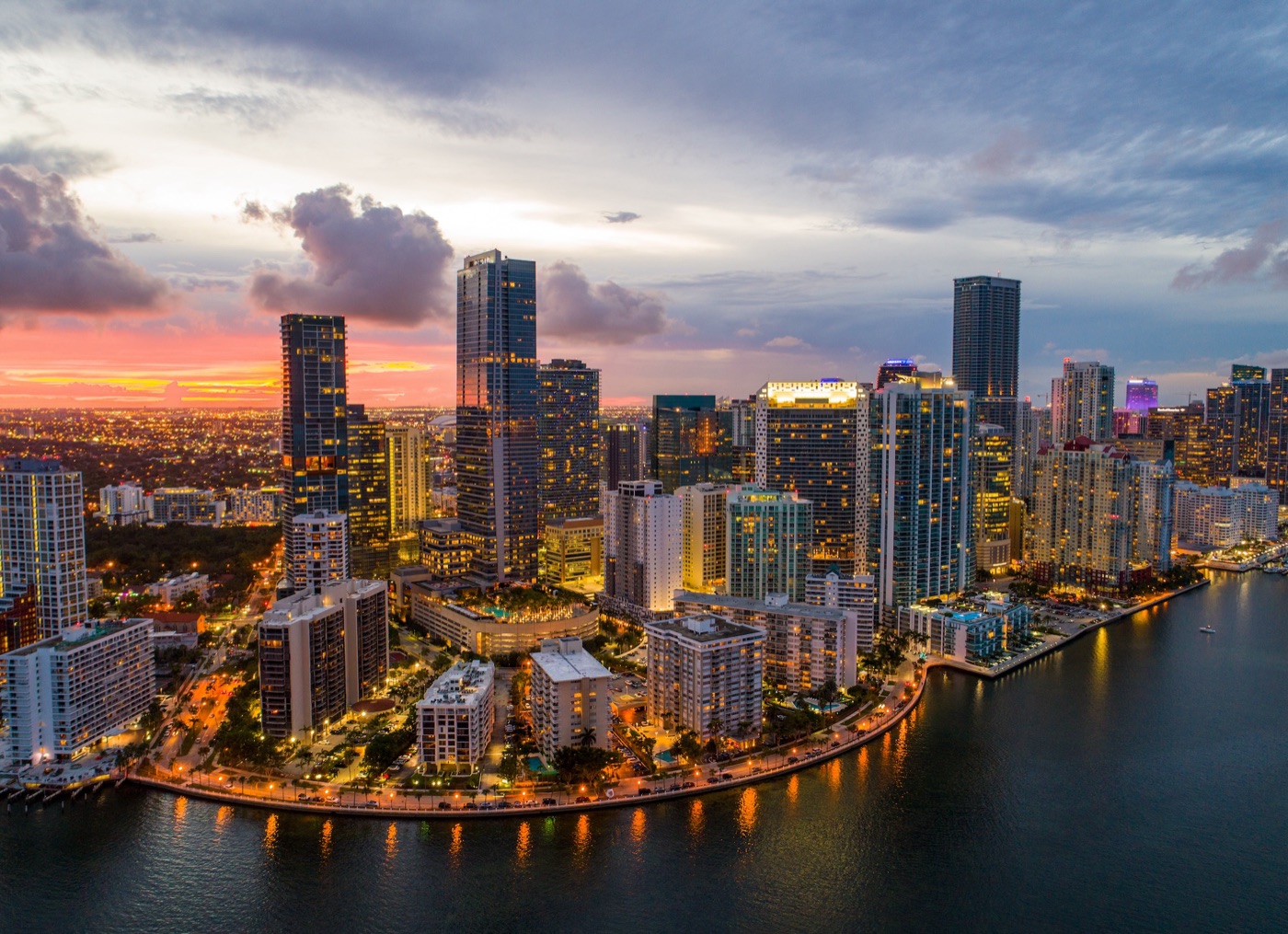
In Brickell, you can find well-appointed units in buildings like SLS Lux, Brickell Flatiron, and One Thousand Museum ranging from roughly $1.2 million for a one-bedroom with skyline views up to $15 million or more for penthouse inventory. Brickell remains the most liquid luxury condo submarket in Miami, meaning units sell more frequently and attract both domestic and international buyers at a steady pace.
Sunny Isles Beach continues to attract ultra-high-net-worth buyers, particularly from Latin America and Europe. Buildings like Regalia, Porsche Design Tower, and Armani Casa have traded units in the $4 million to $30 million range depending on size and floor. Miami Beach proper, including the South of Fifth corridor and Mid-Beach along Collins Avenue, carries a similar price range with an added lifestyle premium for walkability, art, and waterfront access.
Edgewater has emerged as a relative value play within the luxury tier, with buildings like Missoni Baia and Elysee offering bay views and designer finishes at prices that can still start under $2 million for smaller units. Coconut Grove and Key Biscayne round out the market with boutique luxury buildings that appeal to buyers who want a quieter, more residential feel without giving up quality.
Explore on rangelyadames.com
Choosing the Right Neighborhood for Your Lifestyle
The neighborhood question is usually the first thing I work through with a new client, because the building does not exist in isolation. Where you live in Miami shapes your daily routine, your commute, your restaurant options, your weekend activities, and ultimately how much you enjoy the home.
Brickell suits buyers who want an urban, walkable, cosmopolitan lifestyle close to financial district offices, restaurants on Brickell City Centre, and easy access to the Brickell City Centre shops. The energy is fast-paced and the density is high. If you work in finance, tech, or a field that has offices in the downtown core, Brickell is hard to beat for convenience.
Miami Beach, and specifically the South of Fifth neighborhood, is for buyers who want world-class dining, proximity to the beach, and a neighborhood where walking to Joe's Stone Crab or a gallery opening is a realistic Friday evening. Mid-Beach and Bal Harbour cater to buyers who want the prestige of the beach address with a noticeably quieter, more residential pace.
Key Biscayne is often the choice for families or buyers who want a true island feel with top-rated public schools, low crime, and a tight-knit community. The tradeoff is that you are dependent on the Rickenbacker Causeway, which can have traffic during peak hours. Coconut Grove attracts buyers who love greenery, sailboats, and a bohemian-meets-luxury atmosphere. Fisher Island is its own category entirely, an invitation-only island with some of the highest median home values in the country, accessible only by ferry or private boat.
I always tell clients to spend at least one weekday and one weekend in any neighborhood before committing. Miami neighborhoods can feel radically different depending on the time of day, the season, and the day of the week. That firsthand experience is irreplaceable.
What to Look for in the Building Itself
The building you choose is just as important as the unit you buy. In my experience, buyers who focus only on the interior finishes and the views sometimes overlook structural and financial factors that come back to hurt them after closing.
The first thing I review with every condo buyer is the building's reserve fund study and the most recent financial statements. Florida law now requires condo associations to maintain fully funded reserves, a change that came out of the Surfside collapse in 2021. For luxury buildings, reserve funds should be healthy enough to cover major repairs to the roof, elevators, pool deck, concrete restoration, and building systems without requiring a special assessment. If a building is underfunded, expect a large special assessment at some point, often in the hundreds of thousands of dollars for individual unit owners.
I also look at the building's age and recertification status. Under Florida's structural integrity reserve study law, buildings three stories or taller that are 30 years old or more must undergo milestone inspections. Several Miami Beach and Brickell buildings have gone through this process already, and the results have ranged from clean bills of health to required repairs that triggered significant assessments. Knowing a building's inspection status before you make an offer is non-negotiable.
Beyond finances and structure, I evaluate management quality. A well-run building is cleaner, better maintained, and more pleasant to live in. I look at how quickly the building responds to maintenance requests, whether the amenities are kept in good condition, and whether the ownership mix (owner-occupied versus renters) aligns with what my client is looking for.
HOA Fees and Monthly Costs You Need to Budget For
Luxury condo HOA fees in Miami are among the highest in the country, and they vary significantly by building. In my experience, buyers sometimes underestimate how much the monthly fees add to their total cost of ownership.
Here is a realistic range of what you should expect to budget for monthly HOA fees in Miami luxury buildings, broken down by tier:
For most luxury buildings in the $1 million to $3 million unit price range, monthly HOA fees typically run between $1,500 and $3,500 per month. Ultra-luxury buildings in the $5 million-plus range, particularly those with hotel-style services, concierge teams, valet parking, and resort pools, commonly charge between $4,000 and $8,000 per month. Boutique buildings with fewer amenities can be lower, sometimes around $1,000 to $1,500 per month, but those are rarer in the true luxury segment.
On top of HOA fees, you will pay Miami-Dade County property taxes. Florida's property tax rate for non-homesteaded properties (investment condos, second homes) runs around 1.8% to 2.1% of assessed value annually in most Miami municipalities. On a $3 million condo, that is roughly $54,000 to $63,000 per year in property taxes. If you qualify for and claim Florida homestead exemption, you save on both the taxable value and benefit from the Save Our Homes cap on annual assessment increases.
Do not forget condo building insurance, which covers the structure and common areas, versus your individual HO6 policy that covers your unit's interior, personal property, and liability. For a luxury unit, an HO6 policy typically runs $3,000 to $8,000 per year depending on the level of coverage. I always recommend buyers speak with a Miami-based insurance broker before closing, because coverage costs and availability have shifted significantly in recent years.
Rental Rules and Investment Potential
A significant portion of the luxury condo buyers I work with are at least partly motivated by investment potential, whether they plan to rent the unit occasionally, rent it seasonally, or hold it for appreciation. The rental rules of a given building can make or break that strategy.
Miami's luxury condo buildings vary widely on rental restrictions. Some buildings, particularly hotel-branded residences like the Four Seasons Surf Club or the Edition Residences in Edgewater, are structured specifically to allow short-term rentals through the hotel rental program. Others, like many of the boutique residential buildings in Coconut Grove or Key Biscayne, restrict rentals to a minimum of six months or one year and may limit how many times per year you can rent.
Before making an offer, I pull the condo association's declaration of condominium and rules and regulations to understand the rental policies precisely. I have seen buyers lose out on their intended rental income strategy because they did not check this document first. The building's rules on subletting, minimum lease terms, guest policies, and whether the unit can be listed on short-term rental platforms are all spelled out in those documents.
From a pure appreciation standpoint, Brickell, South of Fifth, and Sunny Isles Beach have shown the strongest long-term price growth over the past decade among luxury condo submarkets. Edgewater is the newer entry in this conversation, with buildings like Missoni Baia delivering strong resale premiums over their pre-construction purchase prices since delivering in 2022.
Key Due Diligence Steps Before You Make an Offer
I walk every client through a consistent due diligence checklist before submitting an offer on a luxury condo. The inspection period in a Florida condo purchase is typically 15 days, but the questions you should be asking start well before that.
Here are the key items I review with every buyer:
Pre-offer and inspection period due diligence for Miami luxury condos:
- Request the last 12 months of HOA meeting minutes to identify any pending special assessments, ongoing litigation, or unresolved maintenance issues.
- Obtain the most recent reserve fund study and confirm the building is meeting its reserve funding requirements under Florida law.
- Check the building's milestone inspection status if the structure is 30 years or older.
- Review the condo declaration, bylaws, and rules and regulations for rental restrictions, pet policies, renovation approval requirements, and move-in and move-out rules.
- Confirm the seller has no outstanding HOA fees, special assessments, or violations that could transfer to the buyer at closing.
- Order a structural and mechanical inspection of the unit itself, including HVAC, plumbing, electrical, and any balcony or terrace condition.
- Verify the flood zone designation for the building and understand what flood insurance, if any, is required or recommended.
- Confirm the building's insurance coverage, particularly the master policy deductible, which can be substantial on a large luxury building.
Working With Foreign and Latin American Buyers
A large share of the luxury condo buyers I represent come from Latin America, whether from Colombia, Venezuela, Brazil, Argentina, Mexico, or elsewhere. Miami is the most accessible and familiar US real estate market for many Latin American buyers, and the luxury condo segment specifically attracts a high concentration of international capital.
There are several important considerations for foreign buyers that are different from the domestic purchase process. Financing is the first one. While some international buyers purchase in cash, others seek financing through US banks or their home country institutions. US lenders who work with foreign nationals typically require 30% to 40% down and charge a modest rate premium over what a US citizen would pay. I work with several lenders who specialize in this type of financing and can make introductions.
Tax structure is the second major consideration. Foreign buyers who purchase in their own name are subject to FIRPTA withholding at the time of sale, which can be up to 15% of the gross sale price withheld by the IRS pending a tax clearance. Many international buyers choose to purchase through a US LLC or a foreign corporation to manage this exposure, though the right structure depends on your specific tax and estate planning situation. I always recommend connecting with a Miami-based international tax attorney before closing.
I am fully bilingual and serve clients in both English and Spanish throughout the entire buying process. From the first neighborhood tour to the final walkthrough and closing, everything can be conducted in Spanish if that is your preference. Hablamos Espanol. If you are planning a trip to Miami to look at properties or would like to set up a video call first, reach out to me at (954) 833-0020 and we can build a plan that works for your schedule and timeline.
Negotiating the Purchase Price and Closing Costs
Luxury condo negotiations in Miami have become more nuanced over the past two years. During the peak of 2021 and 2022, sellers were routinely getting asking price or above, especially in Brickell and Miami Beach. In 2025 and into 2026, the market has normalized somewhat, and buyers in many buildings have more room to negotiate, particularly on units that have been sitting on the market for 90 days or more.
That said, trophy units in top-tier buildings still attract multiple offers and can sell above asking. The key is knowing which buildings and which specific units are in strong demand versus which ones have room to move. That knowledge comes from being active in the market every week, which is exactly what I am.
On closing costs, buyers in Florida should budget roughly 2% to 3% of the purchase price. The largest line items are typically title insurance, the documentary stamp tax on the mortgage (if you are financing), and any HOA transfer fees or capital contribution fees charged by the building. Some luxury buildings charge a capital contribution fee of two to three months of HOA dues at closing, which on a high-fee building can add $10,000 or more to your out-of-pocket at settlement. I review the estimated closing cost breakdown with every client early in the process so there are no surprises at the closing table.
If you are ready to start looking at luxury condos in Miami or just want to talk through the market before making any decisions, I am happy to help. Call me at (954) 833-0020 or reach out through the contact form on this site. Whether you are buying in Brickell, Bal Harbour, Fisher Island, or anywhere in between, I will make sure you have all the information you need to make a confident decision.
Let's Talk Miami Luxury Condos
Whether you are buying your first Miami condo or adding to a portfolio, I am here to guide you through every step. Call (954) 833-0020 or send me a message and let's get started.
Related Articles
September 28, 2026 · 10 min read
Argentine Buyers Guide to Miami Real Estate: Process, Financing Themes, and Neighborhood Fit (2026)
Buying Miami real estate from Argentina is workable when you separate what your agent coordinates from what your attorney, CPA, and lender decide. This support guide walks through the process, financing themes, remote closing, and neighborhood fit, then points you to the Argentina foreign-buyer hub for next steps.
Read article →February 2026 · 9 min read
Aventura Real Estate Guide: Condos, Schools & Lifestyle (2026)
Luxury high-rises, top-rated schools, and the Aventura Mall — why families and investors love this North Miami suburb.
Read article →February 2026 · 9 min read
Airbnb Investment Properties in Miami: Rules, ROI & Best Areas
Short-term rental regulations, income projections, and the best Miami neighborhoods for Airbnb investing.
Read article →