When to Buy and When to Sell in the Miami Luxury Market (2026)
By Rangely Adames • April 2026 • 11 min read
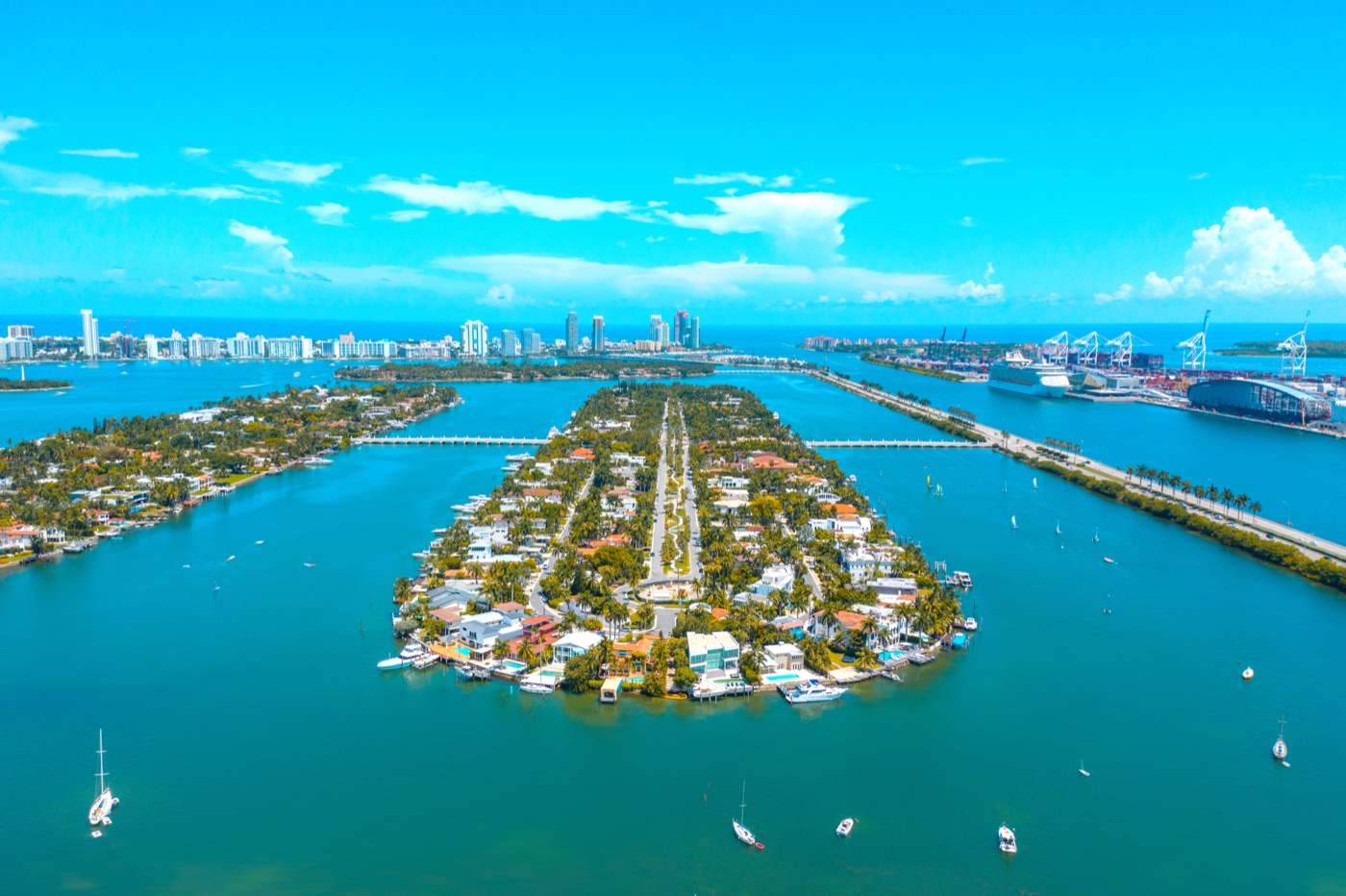
One of the most common questions I hear from clients is some version of the same thing: is right now a good time to buy or sell in Miami? It sounds simple, but in the luxury segment of this market, the answer depends on a lot more than interest rates or headlines. The $2 million and above price range in neighborhoods like Coral Gables, Miami Beach, Brickell, Coconut Grove, and Key Biscayne has its own rhythm, its own inventory cycles, and its own buyer pool. What moves a $500,000 condo in Doral does not necessarily move a $4 million waterfront home in Coconut Grove.
I have been working with luxury buyers, sellers, and investors in Miami for years, and I have seen this market behave in ways that surprise even seasoned real estate professionals from other cities. Miami is not a typical American market. A significant share of luxury buyers here are paying cash and coming from Latin America, Europe, or the Northeast. That international demand creates pricing floors that simply do not exist in most other U.S. cities. At the same time, local economic shifts, new construction pipelines, and seasonal patterns all play a real role in how deals get done.
In this post I want to break down exactly how I advise clients on timing their move in the Miami luxury market. Whether you are a seller in Bal Harbour trying to figure out the right listing window, a buyer eyeing pre-construction in Edgewater, or a Latin American investor thinking about your first Miami purchase, this guide is for you. And if you want to talk through your specific situation, you can always call me directly at (954) 833-0020. Hablamos Espanol.
Ready to Time Your Miami Move?
I work with buyers, sellers, and investors across Miami's luxury neighborhoods every day. Call me at (954) 833-0020 to talk strategy. Hablamos Espanol.
Call (954) 833-0020Why Miami Luxury Is Its Own Market Entirely
When people talk about the national real estate market, they are usually describing median home prices, 30-year fixed mortgage rates, and inventory levels across broad metro areas. That data matters, but it tells you almost nothing about whether a penthouse in Brickell or a waterfront estate on Star Island is priced correctly right now.
The Miami luxury segment operates on different inputs. First, cash purchases dominate. In my experience, well over half of transactions above $2 million close without a mortgage. That means Federal Reserve rate decisions affect luxury buyers far less than they affect someone financing a $600,000 home in Kendall. When rates jumped in 2022 and 2023, the middle of the market softened noticeably while luxury volume held surprisingly steady because the buyer pool was not rate-sensitive.
Second, the luxury market in Miami is tied to currency and wealth dynamics in other countries. When the Brazilian real weakens, Venezuelan buyers become more active, or Colombian buyers flush with export profits are looking to park money in hard assets, Miami sees the effects. I work with a lot of Latin American clients, and I can tell you that geopolitical and currency events in Bogota or Buenos Aires show up in Miami listing activity within months. That is not something any national real estate report is going to capture.
Explore on rangelyadames.com
Seasonal Patterns Every Luxury Buyer and Seller Should Know
Miami has seasonal real estate patterns that are the opposite of most of the country. In cities like Chicago or Boston, the spring market heats up because buyers want to be settled before summer. In Miami, the spring and early summer can actually be quieter for luxury real estate because much of our high-net-worth buyer pool is headed back to New York, Chicago, or their home countries after spending the winter here.
The prime luxury selling season in Miami runs from October through March. That is when snowbirds, part-time residents, and international buyers are physically present in the city. They are visiting open houses, meeting with agents, and making decisions with their feet on the ground. If you are a seller in a neighborhood like Bal Harbour, Sunny Isles Beach, or Fisher Island, having your home listed and market-ready by October gives you access to the most motivated, most well-capitalized buyer pool of the year.
That said, I have closed significant deals in July and August too. Serious buyers are always out there, and reduced competition from other sellers during the slower months can actually work in a seller's favor if the pricing is right. The slower season is also when I sometimes negotiate the best terms for buyer clients. Sellers who need to move a property in June tend to be more flexible on price and concessions than the same seller would be in February when they have had three competing offers.
My general guidance: if you are selling a luxury property and you have any flexibility on timing, aim to list in October or November. If you are buying and you can shop during the June through September window, you will likely find a less competitive environment and sellers who are more motivated to negotiate.
Reading Inventory Levels by Neighborhood
Inventory is the single most useful indicator I watch for timing decisions. Months of supply, meaning how many months it would take to sell all currently listed homes at the current pace of sales, tells me whether a specific neighborhood favors buyers or sellers at a given moment.
A balanced market in most real estate contexts is considered around six months of supply. Below that generally favors sellers. Above that generally favors buyers. But in Miami luxury, I watch these numbers at a very granular level because two neighborhoods a mile apart can tell completely different stories.
In Coral Gables, for example, the inventory of single-family homes priced above $3 million has historically stayed tight because the neighborhood has strict zoning, large lot requirements, and a finite number of estate-caliber properties. When inventory there dips below three months, I advise seller clients that they have real pricing power. In Sunny Isles Beach, by contrast, new construction towers have added significant condo inventory in recent years, which has kept that market more balanced and sometimes buyer-friendly even when the overall Miami market felt tight.
Edgewater and Midtown Miami are interesting cases right now because pre-construction activity has built a pipeline of future supply that is not yet reflected in current MLS inventory. Buyers need to think about what the market will look like when their unit delivers, not just what it looks like today. I always walk my clients through the construction pipeline in whatever area they are considering, because that forward-looking inventory picture matters enormously for resale value.
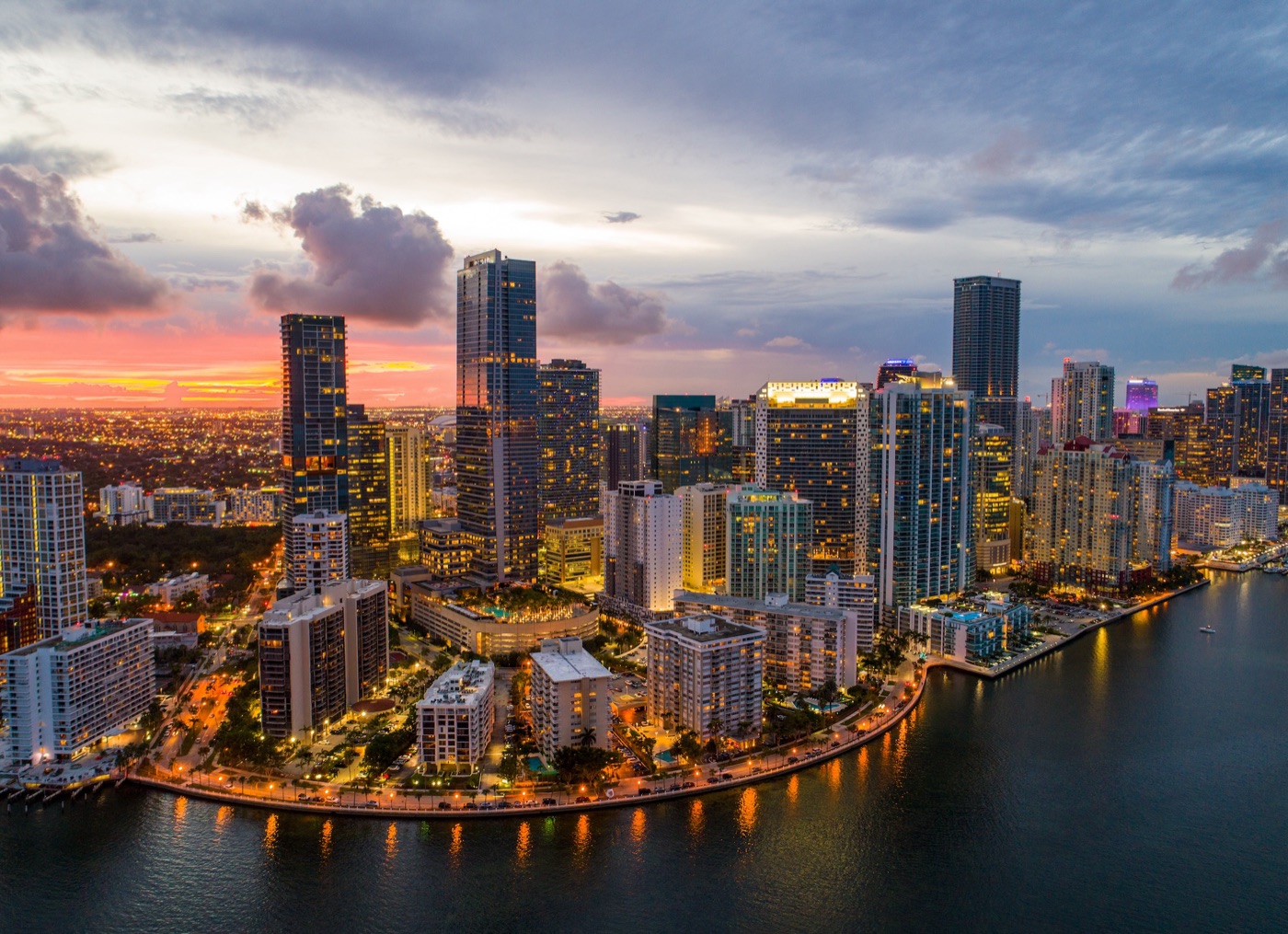
Price Per Square Foot Benchmarks Across Miami Luxury Neighborhoods
One of the most practical tools I use with clients is price per square foot by neighborhood, because it cuts through the noise of wildly different unit sizes and configurations. Here is a rough picture of where the Miami luxury market sits heading into 2026, based on what I am seeing in active transactions.
In Brickell, luxury condos above the $1.5 million mark are generally trading between $900 and $1,400 per square foot depending on the building, floor, and finishes. Icon Brickell, SLS Lux, and Brickell Flatiron represent different tiers within that range. Miami Beach, specifically the south of Fifth Street area and the Mid-Beach stretch around the Faena District, sees luxury condos ranging from $1,200 to over $2,500 per square foot for truly exceptional units. Coral Gables estate homes on lots of half an acre or more are trading between $650 and $950 per square foot for well-renovated product.
Key Biscayne remains one of the most insulated luxury markets in all of South Florida. Single-family homes there regularly trade above $1,000 per square foot because of the island's physical supply constraints and the lifestyle it offers. Fisher Island, accessible only by ferry, commands some of the highest prices in the country at $2,000 per square foot and beyond for oceanfront residences.
These numbers shift, and the direction of that shift over a 12 to 18 month window is what I watch most carefully. When price per square foot in a given neighborhood is rising quarter over quarter, that tells buyers to act sooner rather than later. When it is flat or pulling back slightly, that gives buyers negotiating room and tells sellers to price precisely rather than aspirationally.
Signals That Tell Me It Is a Good Time to Buy
I get asked constantly how I know when the timing is right for a buyer. Here is my honest answer: perfect timing is a myth. Nobody buys Miami luxury real estate at the absolute bottom and sells at the absolute top. But there are real conditions that make a buying decision more favorable, and I watch for all of them.
The following indicators together suggest a buyer-friendly window in the Miami luxury market:
First, when days on market for luxury listings in a given neighborhood stretch above 90 days on average, sellers are not getting the quick offers they hoped for, and that creates room for negotiation on both price and terms. Second, when new construction closings are happening simultaneously in a building or neighborhood, the resale market nearby tends to soften temporarily because buyers have options. Third, when the U.S. dollar is strong relative to the euro and Latin American currencies, international demand eases slightly, reducing competition from cash buyers. Fourth, when Miami hosts fewer major events during the listing window, meaning no Art Basel, no Miami Open, no Formula One Grand Prix nearby, the urgency that drives some luxury purchases is reduced.
None of these signals guarantees a deal. But when two or three of them align, I tell my buyer clients to move. The best purchases I have facilitated were often in windows that felt slightly uncertain, not in the frenzied moments when everyone was convinced prices could only go up.
Buyer-friendly conditions I watch for in the Miami luxury segment:
- Average days on market above 90 days in the target neighborhood
- Simultaneous new construction closings softening nearby resale prices
- Strong U.S. dollar reducing international buyer competition
- Inventory rising above 7 months of supply in a specific building or area
- Seller price reductions of 5 percent or more appearing on multiple listings
- Upcoming assessments or HOA increases deterring other buyers in a condo building
- Off-season listing windows in July through September when fewer buyers are competing
Signals That Tell Me It Is a Good Time to Sell
On the seller side, the indicators flip, but they are just as specific. Miami luxury sellers who time their exit well can capture significant premiums over sellers who list reactively or wait too long after a market peak.
When major infrastructure or development announcements land in a neighborhood, prices often move before the project even breaks ground. The announcement of the Brightline expansion, for example, had real effects on property values in areas near planned stations. Similarly, when a high-profile brand announces a new hotel or residence project in a neighborhood, early resales nearby often benefit from the buzz. I advise clients who own in up-and-coming areas like Little River or parts of Allapattah to watch this closely.
Sellers in established luxury corridors like Coconut Grove or Pinecrest should pay attention to absorption rates. When comparable homes in the neighborhood are selling within 30 to 45 days of listing, that is a strong seller's market and the right time to price at or slightly above recent comparables. When that number stretches to 120 days or more, the market is telling you something that no amount of aspirational pricing will fix.
One thing I remind my seller clients constantly: in the Miami luxury market, overpricing is the biggest single mistake you can make. High-net-worth buyers do their homework. Their agents do exhaustive comparative market analyses. A property that sits at an inflated price for 90 days starts to carry a stigma, and that stigma is very hard to reverse even with a price reduction. Price it right from day one, and let the market respond. I would rather get you a fast, strong offer than watch a property go stale.
How Latin American and International Buyers Affect Timing
I want to spend a moment on this because it is genuinely underappreciated by buyers and sellers who are not plugged into the international dimension of Miami real estate. A meaningful portion of the demand for Miami luxury properties, particularly in Brickell, Sunny Isles Beach, Aventura, and Miami Beach, comes from buyers based in Venezuela, Colombia, Brazil, Argentina, Mexico, and other Latin American countries. I serve many of these clients directly, and Hablamos Espanol is not just a tagline for me. It reflects the reality of my practice.
International buyer activity tends to surge during periods of political or economic instability in their home countries. When there is uncertainty in a Latin American market, wealthy families look to move assets into hard real estate in a stable, dollar-denominated market. Miami is the first choice for most of them because of the lifestyle, the language accessibility, the flight connections, and the legal protections for foreign property owners in Florida.
This means that Miami luxury demand does not always follow the same logic as the broader U.S. market. I have seen our luxury market hold firm or even appreciate during periods when the rest of the country was softening, simply because international demand filled the gap. For buyers and sellers trying to time their decisions, this is an important counterweight to keep in mind. If you are waiting for Miami luxury prices to crash the way some national commentators predict, you may be waiting for something that simply does not happen here the way it would in a more domestically driven market.
If you are an international buyer trying to navigate the Miami market, I can walk you through everything from financing options and title insurance to neighborhood selection and visa considerations. Give me a call at (954) 833-0020 and we will figure out the right path forward for your situation.
My Honest Advice on Market Timing for 2026
Heading into 2026, here is where I see the Miami luxury market. Inventory has been gradually building after the historically tight conditions of 2021 and 2022, which means buyers have more options than they did a few years ago. That is good for buyers, but it does not mean prices are falling. What it means is that well-priced, well-maintained properties are still selling, while overpriced or poorly presented properties are sitting.
The pre-construction pipeline in areas like Edgewater, Brickell, and North Beach remains substantial, and some of those deliveries will create resale competition in the condo market over the next two to three years. Buyers of existing condos in those areas should factor that into their long-term hold strategy. On the single-family side in Coral Gables, Pinecrest, and Coconut Grove, land is simply not being created, and demand from wealthy domestic transplants from New York and California continues to be strong. That supply and demand dynamic still favors sellers in the estate home category.
My practical advice for 2026 is this: if you are a buyer who has found the right property at a price that makes sense for your financial situation, the search for a slightly better entry point is rarely worth the risk of losing the property or watching prices move against you. If you are a seller who has been thinking about listing for a year but waiting for the perfect moment, the October 2025 through March 2026 window is historically one of the strongest selling periods in Miami, and the buyer pool right now is still active and well-capitalized.
I work with clients at every stage of this process, from initial strategy conversations through closing. Whether you are buying your first Miami property, selling an estate, or building an investment portfolio, I am here to help you make a decision you feel confident about. Call me at (954) 833-0020 and let us talk through where you are and where you want to be.
Let's Talk About Your Miami Real Estate Goals
Whether you are buying, selling, or investing in Miami luxury real estate, I am ready to help you navigate this market with confidence. Call Rangely Adames at (954) 833-0020 today.
Related Articles
September 28, 2026 · 10 min read
Argentine Buyers Guide to Miami Real Estate: Process, Financing Themes, and Neighborhood Fit (2026)
Buying Miami real estate from Argentina is workable when you separate what your agent coordinates from what your attorney, CPA, and lender decide. This support guide walks through the process, financing themes, remote closing, and neighborhood fit, then points you to the Argentina foreign-buyer hub for next steps.
Read article →February 2026 · 9 min read
Aventura Real Estate Guide: Condos, Schools & Lifestyle (2026)
Luxury high-rises, top-rated schools, and the Aventura Mall — why families and investors love this North Miami suburb.
Read article →February 2026 · 9 min read
Airbnb Investment Properties in Miami: Rules, ROI & Best Areas
Short-term rental regulations, income projections, and the best Miami neighborhoods for Airbnb investing.
Read article →