Miami Luxury Rental Market: What Landlords and Tenants Need to Know (2026)
By Rangely Adames • April 2026 • 11 min read
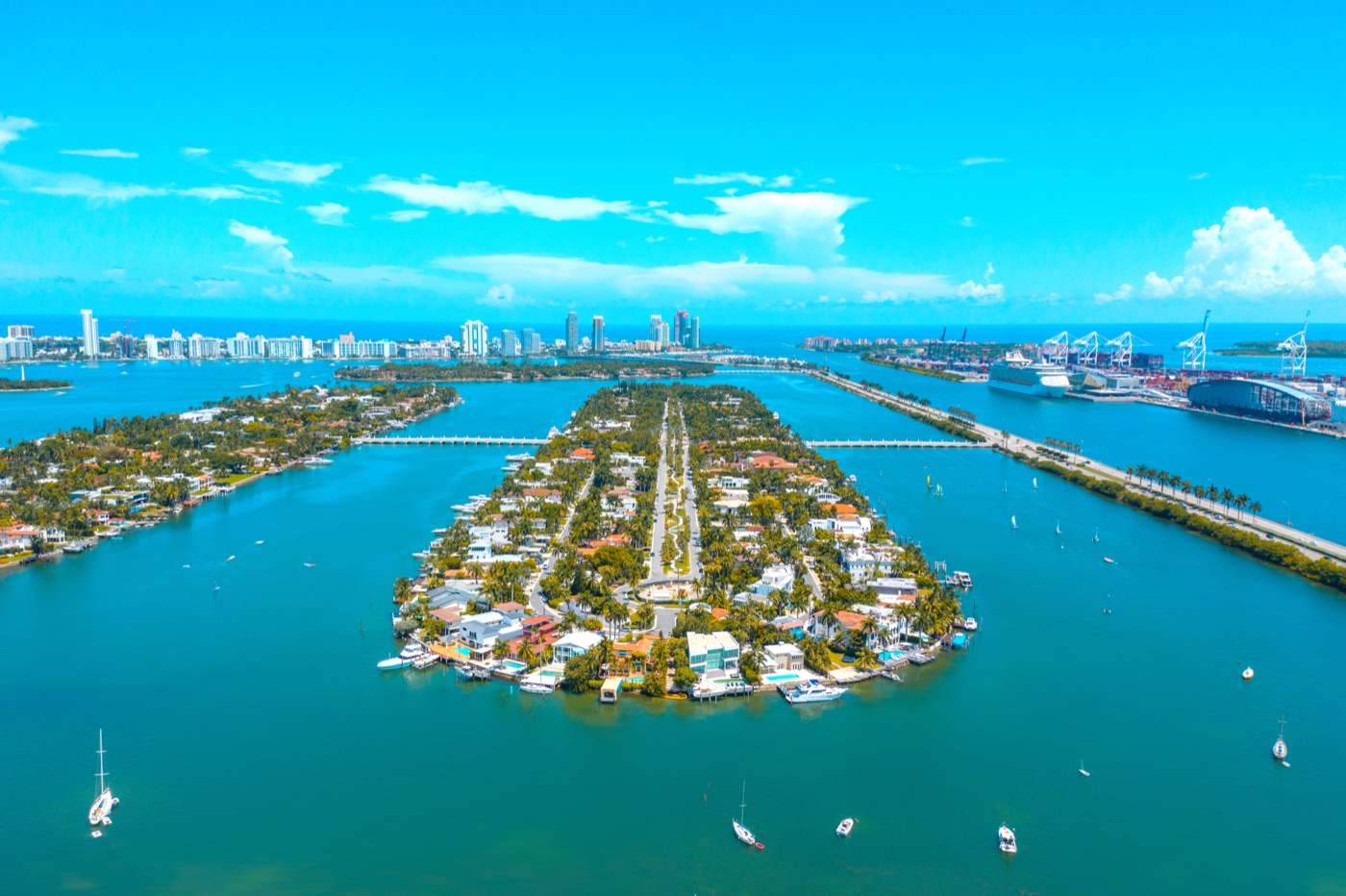
Miami's luxury rental market does not follow the same rules as the rest of the country, and that surprises a lot of people who call me after relocating from New York, California, or Latin America. Rents at the top end of the market, properties priced above $5,000 per month, held remarkably firm through 2024 and into 2025, even as broader national rental markets softened. What drives that? A combination of a limited supply of truly finished, well-located product, a steady stream of high-net-worth tenants who either cannot yet purchase or prefer the flexibility of renting while they learn the market, and Miami's continued status as an international city where lifestyle matters as much as square footage.
I work with clients on both sides of this equation. Some own luxury condos in Brickell or Edgewater and want to lease them at the best possible rate. Others are moving to Miami, perhaps from a colder city or from Bogota or Buenos Aires, and they want to rent something exceptional for a year or two before committing to a purchase. Either way, the questions I hear are the same: what are rents actually doing, which neighborhoods are worth the premium, and what do I need to know before I sign anything?
This guide answers all of those questions. I will walk through current rental price ranges by neighborhood, the factors that separate a quick lease from a unit that sits for 90 days, what landlords often get wrong, and what tenants should watch for in a lease. If you have specific questions about a building or a neighborhood after reading, call me directly at (954) 833-0020 and we can talk through your situation.
Ready to Find the Right Luxury Rental in Miami?
I work with tenants and landlords across Brickell, Miami Beach, Coral Gables, Edgewater, and beyond. Hablamos Espanol. Call me at (954) 833-0020 and let's find the right fit for your situation.
Call (954) 833-0020Where Miami Luxury Rental Prices Actually Stand in 2026
The word 'luxury' gets used loosely in real estate marketing, so let me define it the way I use it with clients. In Miami's rental context, luxury generally means a unit priced at $5,000 per month or above, located in a professionally managed building with full amenities, and finished to a standard that competes with what a discerning buyer would expect to purchase. By that definition, here is what the market looks like right now.
In Brickell, a well-appointed one-bedroom in a top-tier building like SLS LUX, Reach, or Brickell Flatiron typically rents between $4,500 and $6,500 per month. A two-bedroom in those same towers runs $7,000 to $11,000 per month depending on floor, view, and furnishing status. Three-bedrooms, which are rarer, can push past $15,000.
Miami Beach commands some of the highest rents in South Florida. In buildings along Collins Avenue in Mid-Beach and in the newer Faena district, two-bedroom units routinely lease for $9,000 to $16,000 per month. Penthouse floors in Icon South Beach or Continuum South Beach can exceed $25,000 per month on annual leases. The beach premium is real and it does not compress much even in slower seasons.
Coral Gables and Coconut Grove attract a different tenant profile, often families or executives who want space, greenery, and top-rated schools nearby. Luxury single-family home rentals in Coral Gables run $8,000 to $20,000 per month for a four or five-bedroom home in gated or tree-lined streets. Coconut Grove luxury rentals tend to be slightly more accessible, with waterfront townhomes and updated houses renting between $7,000 and $14,000 per month.
Edgewater and Midtown Miami offer a relative value play. Buildings like Elysee, Aria on the Bay, and Missoni Baia have some of the most impressive bay views in the city, and two-bedroom units in those towers often lease for $6,000 to $9,500 per month, which is meaningfully below what similar finishes and views cost in Brickell or Miami Beach.
Explore on rangelyadames.com
The Neighborhoods That Are Seeing the Most Tenant Demand Right Now
Demand is not uniform across Miami's luxury rental market, and knowing where tenants are actively looking helps both landlords price correctly and tenants understand how much negotiating room they have.
Brickell remains the single most in-demand submarket for luxury rentals. The combination of walkability, proximity to finance and tech offices, top restaurants, and a vibrant nightlife scene keeps vacancy low in well-priced units. When a two-bedroom in a Brickell tower is listed at market rate, it typically leases within three to four weeks. Overpriced units, and there are plenty, can sit for two to three months.
Wynwood has emerged as a genuine luxury rental market over the past two years. The neighborhood used to be a place where you rented a live-work loft. Now, newer boutique buildings are delivering fully finished units with rooftop pools and concierge services, and tenants who work in creative industries or tech are paying $4,500 to $7,500 per month for them. The tenant profile skews younger and more domestic, often remote workers or entrepreneurs.
Key Biscayne is a special case. It is a tight, self-contained island community with almost no new construction and extremely loyal long-term residents. When a luxury rental becomes available there, whether a waterfront condo at the Key or a single-family home near the golf club, it tends to lease quickly and often through word of mouth before it even hits the MLS. Rents for a three-bedroom home on the island start around $9,000 and can reach $20,000 for waterfront.
Aventura and Sunny Isles Beach serve a large international tenant base, particularly from Latin America and Europe. Many clients I work with from Venezuela, Colombia, and Argentina rent in these two markets first while they establish residency or go through the purchasing process. Aventura luxury condos rent for $4,500 to $8,500 per month, while Sunny Isles towers like Porsche Design Tower and Turnberry Ocean Club push well above $10,000 for premium units.
What Landlords Get Wrong When Leasing a Luxury Condo
I have listed luxury rentals on behalf of owner clients for years, and the mistakes I see repeat themselves. Understanding them can be the difference between a fast lease at your asking price and a unit that sits empty for months while carrying costs mount.
The most common mistake is overpricing based on what a neighbor claims they received two years ago. Miami's luxury rental market moves in cycles. Rates that were justified in 2022 during the relocation boom may not hold today. I always run a current comparable rental analysis before advising a client on pricing, and I will tell an owner directly if their expectation is off. A unit priced 15 percent above the current market will not get showings from qualified tenants.
The second mistake is presenting an unfurnished unit when the target tenant pool expects furnished. A large portion of luxury rental tenants in Miami are here for one to two years and do not want to ship furniture. If you own a condo in Brickell, Edgewater, or Miami Beach and you want to attract that tenant, furnishing the unit to a hotel-quality standard can increase achievable rent by 20 to 35 percent. The investment in furnishings typically pays back within six to eight months of leasing.
Third, landlords often underestimate the importance of professional photography and proper listing presentation. A $12,000 per month penthouse marketed with phone photos and a three-line description will not attract the tenant who can afford it. Tenants paying at that price point are often looking remotely, sometimes from another country, and they are forming their first impression entirely from the listing.
Finally, many owners are not aware of their own building's rental restrictions. Some luxury towers in Miami limit the number of units that can be rented at any time, require board approval for tenants, or enforce minimum lease terms of six or twelve months. Finding out about those restrictions after you have already agreed on terms with a tenant is a problem I help clients avoid by verifying building rules before we ever go to market.
What Tenants Should Know Before Signing a Luxury Lease in Miami
If you are moving to Miami and planning to rent a luxury property, there are several things that will affect your experience and your wallet that most people do not learn until they are already in the process.
First, application requirements at high-end buildings are more rigorous than most tenants expect. You should be prepared to show proof of income equal to three to four times the monthly rent, a credit report, bank statements covering two to three months, and sometimes a letter of employment or, for self-employed or international applicants, a CPA letter. International tenants without U.S. credit history are often asked to pay two to three months of additional security deposit in lieu of a credit score.
Second, understand what the rent actually includes. Luxury condos in Miami almost never include electricity, and with central air conditioning running constantly in the South Florida heat, electric bills on a 1,500 to 2,000 square foot unit can run $250 to $500 per month or more. Some buildings include cable and internet in the HOA, which the landlord passes along to the tenant. Others do not. Parking is sometimes included and sometimes billed separately at $150 to $300 per space per month.
Third, negotiate the lease term before you fall in love with a specific unit. Annual leases give you the most protection and typically the best per-month rate. Six-month leases are available but at a premium, sometimes 10 to 20 percent above the annual rate. Month-to-month after the initial term is often not permitted in luxury buildings at all, or it carries a substantial surcharge.
Fourth, do a thorough walkthrough and document everything before you hand over a single dollar. Luxury does not mean perfect. I have seen clients move into multi-thousand-dollar apartments only to discover HVAC issues, malfunctioning appliances, or cosmetic damage that the landlord then disputed at move-out. A written move-in inspection report signed by both parties protects you.
Key Factors That Determine Whether a Luxury Rental Is Worth the Price
Not every unit marketed as luxury actually delivers a luxury experience, and understanding what separates the genuine from the generic will help you make a smarter decision whether you are buying to rent out or renting for yourself.
Here are the factors I tell every client to evaluate before committing to a luxury rental:
Building management quality matters as much as the finishes. A well-managed building with a responsive concierge, clean common areas, functioning elevators, and proactive maintenance creates a completely different living experience than a neglected building with a beautiful lobby. Ask current residents or check Google reviews before signing.
Floor and view are not interchangeable. In Miami's condo market, a unit on the 35th floor with open bay views and a unit on the 8th floor with a parking garage view can be in the same building and the same line, but they are entirely different products. The premium for a high floor with water views is real and justified.
Building amenities that you will actually use add value. A resort-style pool with food and beverage service, a full-service gym, a business center, and valet parking are meaningfully different from the same list on paper in a building where the pool is perpetually under repair and the gym equipment is dated.
Noise and traffic context matters in Miami specifically. A unit facing Brickell Avenue or Biscayne Boulevard will have road noise that a unit facing the water or a quiet interior street will not. Impact windows help, but if you are sensitive to sound, asking about the unit's orientation before you tour saves you from a surprise.
Lease flexibility and renewal terms are worth reading carefully. Some landlords build in annual rent increases of 5 to 10 percent. Others offer flat renewals. If you intend to stay for two or three years, knowing the renewal language upfront can save you from an uncomfortable conversation at month eleven.
How the Luxury Rental Market Connects to Buying Decisions
One of the reasons I spend time understanding what my clients need from a rental is that for many of them, the rental is step one and the purchase is step two. That is a pattern I see constantly with Latin American clients, with professionals relocating from New York or California, and with investors who want to understand a neighborhood before they commit capital.
Renting in a building for twelve months before deciding to buy there is genuinely useful market research. You learn whether management is competent, whether the neighbors are the kind of people you want to live near, whether the amenities actually work, and whether the location fits your daily life. Several of my buyer clients purchased in the very building they rented in, and they always tell me they felt confident making the offer because they already knew exactly what they were buying.
From an investment perspective, understanding rental demand in a specific building is also essential before purchasing as a buy-and-hold property. Buildings where demand is high and vacancy is low make good rental investments. Buildings where units sit vacant for months, often because of restrictive rental policies or an oversaturation of investor-owned units, are riskier. I help investor clients identify that distinction before they make an offer.
If you are weighing whether to continue renting or make the move to purchasing in Miami, I am happy to walk through the numbers with you. At current price levels and mortgage rates, the calculation is not always obvious and it depends heavily on your specific situation, your timeline, and which neighborhood you are targeting. Call me at (954) 833-0020 and we can look at it together.
Working With a Bilingual Agent in Miami's International Rental Market
Miami's luxury rental market is deeply international. On any given week, I am fielding calls from clients in Colombia, Argentina, Mexico, Brazil, and Spain who are planning a relocation to Miami and want to secure housing before they arrive. The ability to communicate clearly in Spanish through every step of the process, from selecting buildings to reviewing lease terms to navigating application requirements, is not a small thing. It is often the difference between a smooth transition and a stressful one.
Hablamos Espanol, and that matters particularly when lease documents are dense and the stakes are high. I have worked with clients who came to me after trying to navigate a luxury rental process in English with agents who did not speak their language, and the misunderstandings that resulted cost them time, money, and significant frustration.
Beyond language, I bring familiarity with the buildings, the management companies, and the current inventory across Brickell, Edgewater, Miami Beach, Coral Gables, Coconut Grove, Aventura, and Sunny Isles. I know which buildings have strong management and which ones have issues. I know which landlords are flexible on lease terms and which ones are rigid. That knowledge comes from years of working in this specific market, and it is the kind of context you cannot get from a listing website.
Whether you are an owner looking to lease your luxury condo at the best possible price or a tenant searching for the right building in the right neighborhood, I work with both and I do it in both languages. Reach out at (954) 833-0020 and let's talk about what you are looking for.
What to Expect From Miami's Luxury Rental Market Through the Rest of 2026
Predicting exactly where rents will go is something I am careful about, because anyone who tells you they know for certain is overselling their crystal ball. What I can share is what the current indicators suggest and where I think the most important dynamics will play out.
Supply is the single biggest variable to watch. Miami has a substantial pipeline of new luxury condo towers delivering through 2026 and 2027, particularly in Brickell, Edgewater, and the downtown area. As those units come to market, some owners who had planned to sell may choose to rent instead, which adds inventory to the rental pool. That additional supply should provide some relief to tenants in those submarkets and may create mild downward pressure on asking rents in buildings that are not genuinely top-tier.
Demand from Latin America and from domestic relocation remains strong. Miami continues to attract high-net-worth individuals and executives from across the hemisphere and from northern U.S. cities, and that flow of qualified tenants does not show signs of reversing. The city's infrastructure, airport connectivity, international banking presence, and quality of life are genuine pull factors that are structural rather than cyclical.
In the neighborhoods with the most constrained supply, Key Biscayne, Coral Gables, Fisher Island, and the best blocks of Coconut Grove, rents should remain firm or increase modestly. There is simply no new product coming, and the existing stock is occupied by tenants who tend to renew rather than leave.
My practical advice for anyone thinking about a luxury rental in Miami in the next six to twelve months is to move decisively when you find the right unit. The best properties at the best prices do not wait. I have seen clients lose units they loved by waiting a few days too long to submit an application. If you want to be positioned to move quickly when the right opportunity appears, the first step is getting your financial documents organized and talking to an agent who knows the current inventory. I am available to help you do exactly that.
Let's Talk About Your Miami Rental or Investment Goals
Whether you are leasing your condo for the first time or searching for a luxury rental in a new neighborhood, I can help you navigate the process with confidence. Call (954) 833-0020 today.
Related Articles
September 28, 2026 · 10 min read
Argentine Buyers Guide to Miami Real Estate: Process, Financing Themes, and Neighborhood Fit (2026)
Buying Miami real estate from Argentina is workable when you separate what your agent coordinates from what your attorney, CPA, and lender decide. This support guide walks through the process, financing themes, remote closing, and neighborhood fit, then points you to the Argentina foreign-buyer hub for next steps.
Read article →February 2026 · 9 min read
Aventura Real Estate Guide: Condos, Schools & Lifestyle (2026)
Luxury high-rises, top-rated schools, and the Aventura Mall — why families and investors love this North Miami suburb.
Read article →February 2026 · 9 min read
Airbnb Investment Properties in Miami: Rules, ROI & Best Areas
Short-term rental regulations, income projections, and the best Miami neighborhoods for Airbnb investing.
Read article →