Buying Pre-Construction Condos in Miami: What You Need to Know (2026)
By Rangely Adames • April 2026 • 11 min read
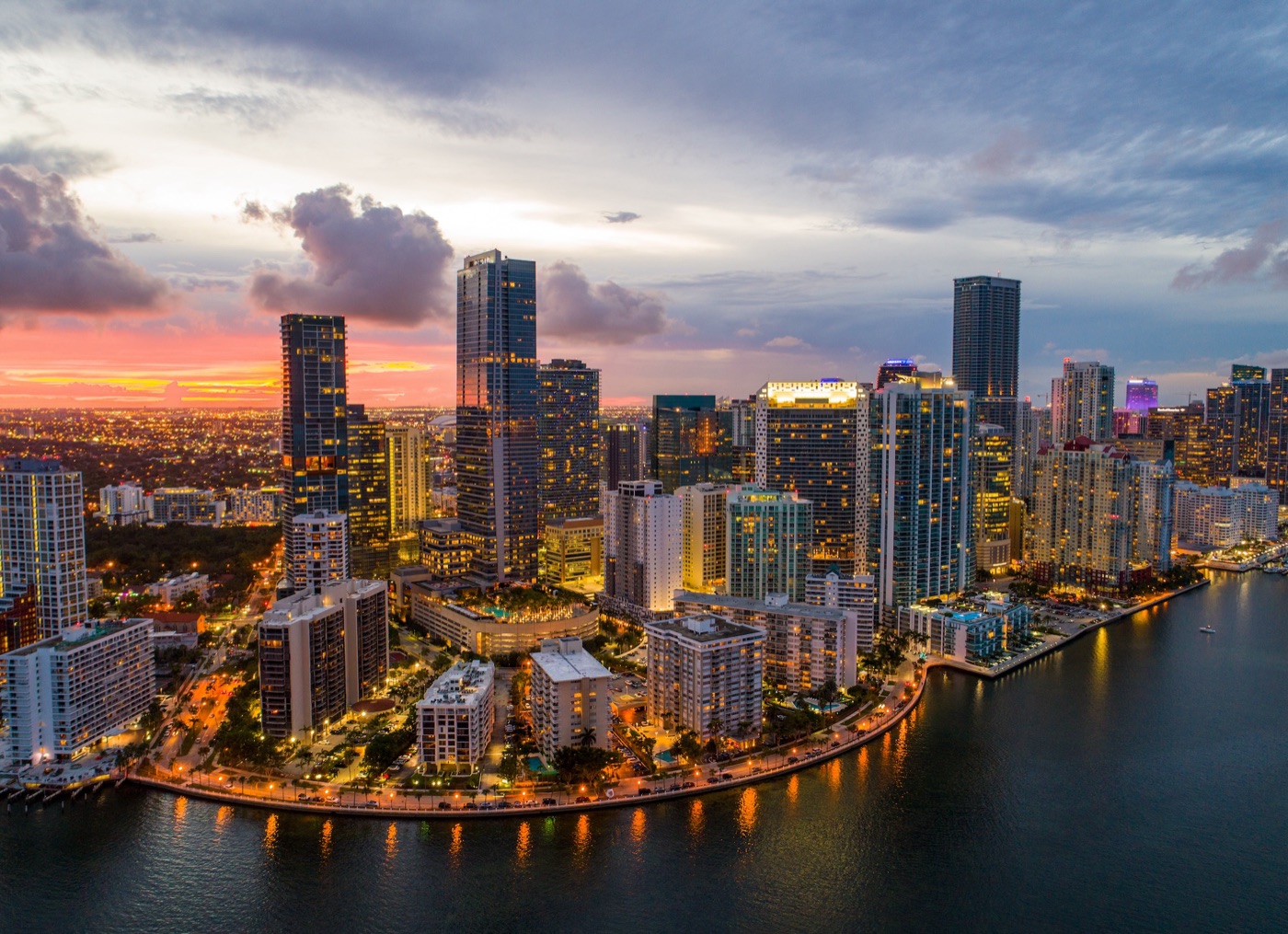
Pre-construction condos are one of the most talked-about opportunities in Miami real estate, and for good reason. When you buy before a building breaks ground or while it is still rising, you are locking in today's price on a unit that will not deliver for two, three, or sometimes four years. In a city where waterfront and urban-core real estate has appreciated at an average of 6 to 9 percent annually over the past decade, that gap between contract price and delivery price can represent real equity. But the strategy only works if you understand exactly what you are agreeing to before you hand over a deposit check.
I have guided buyers through pre-construction purchases in Brickell, Edgewater, Sunny Isles Beach, Coconut Grove, and Miami Beach, and I can tell you that no two developer contracts are the same. The deposit schedules vary widely, the assignment clauses differ, and the finish-out specifications can shift between the time you sign and the time you close. If you are considering a pre-construction purchase, whether as a primary residence, a second home, or an investment property, this guide will walk you through everything I cover with my own clients before they commit.
One more thing before we dive in: many of my clients coming into this process are from Latin America or are relocating from cities like New York, Los Angeles, or Buenos Aires. They have heard that Miami pre-construction is a strong play, and often it is, but the legal and financial structure here is different from what they are used to. Hablamos Espanol, and I am happy to walk through every detail in whichever language is most comfortable. You can reach me directly at (954) 833-0020 with questions at any stage of your search.
Ready to Explore Pre-Construction Options in Miami?
I work with buyers across Brickell, Edgewater, Sunny Isles, and beyond to find the right pre-construction opportunity for their goals. Hablamos Espanol. Call (954) 833-0020 to get started.
Call (954) 833-0020How Pre-Construction Sales Actually Work in Miami
When a developer launches a new condo tower in Miami, they typically open sales before construction begins. The goal is to pre-sell a significant percentage of units, often 50 to 70 percent, before breaking ground. This pre-sale threshold is usually required by the construction lender, so developer incentives to close early sales tend to be strongest in the first few months after launch.
The process starts with a reservation, which is an informal hold on a specific unit, usually backed by a small refundable deposit of $10,000 to $25,000. Once the formal Purchase and Sale Agreement is drafted and reviewed, you move into a hard contract. At that point the deposit schedule activates. In Florida, buyers of pre-construction condos have a 15-day rescission period after signing the contract or receiving the condominium documents, whichever comes later. That is your window to review everything with an attorney and walk away with your deposit if something does not look right.
After rescission, the contract is binding. Most developers treat deposits as non-refundable except in very specific circumstances, such as the developer failing to deliver by a drop-dead date or material changes to the building specifications. Understanding this before you sign is critical.
Explore on rangelyadames.com
Deposit Structures: What to Expect and How to Plan
Deposit schedules in Miami pre-construction vary by developer, market conditions, and the prestige level of the project. In my experience working across Brickell and Edgewater, a typical structure for a luxury tower looks something like this: 10 percent at contract signing, another 10 percent when construction begins, a third installment of 10 percent when the building reaches a mid-construction milestone such as the top floor, and the final 70 percent at closing.
At the ultra-luxury end, particularly in projects like those launching in Bal Harbour, Fisher Island, or on the water in Coconut Grove, some developers ask for 30 to 40 percent in deposits spread across fewer milestones. A handful of marquee projects have even required 50 percent down before the first shovel hits the ground. These are not mortgaged deposits. They are cash payments that sit in an escrow account and are not released to the developer until certain benchmarks are met.
This is a point I emphasize with every client. You are not financing these deposits. You need to have liquid capital available in installments over roughly 12 to 30 months. If you are planning to use a mortgage at closing, that loan will only cover the final payment, not the deposits you made along the way. I always recommend that clients map out their full cash flow timeline before signing so there are no surprises when the second or third deposit call comes.
Reading the Contract: The Details That Actually Matter
Developer contracts in Miami are heavily weighted toward the developer, and that is not a criticism, it is just a fact. They are drafted by the developer's attorneys to protect the project's financing and construction timeline. That means buyers need their own representation, specifically a real estate attorney familiar with Florida condo law, and an agent who has actually read these contracts before.
Here are the contract provisions I always flag for my clients:
The delivery date and the drop-dead date are two different things. A developer might project delivery in the third quarter of 2027, but the contract may give them until the end of 2029 before you have any right to cancel. Delays are common in South Florida construction due to permitting, supply chain issues, and hurricane season impacts. You need to be comfortable holding your deposits for longer than the sales brochure suggests.
The specification change clause is another area to watch. Most contracts allow the developer to make changes to finishes, layouts, or amenities as long as the substitutions are of comparable value. In practice, that standard is subjective. I have seen clients receive a unit where the marble countertops shown in renderings were replaced with a different stone, or where a planned amenity was removed. Knowing this going in helps set realistic expectations.
The assignment clause determines whether you can sell your contract to another buyer before closing. Some developers allow it with a fee, typically 1 to 2 percent of the purchase price. Others prohibit assignment entirely. If you are buying as an investor with plans to flip the contract before the building delivers, you need to confirm assignability upfront.
The Best Miami Neighborhoods for Pre-Construction Right Now
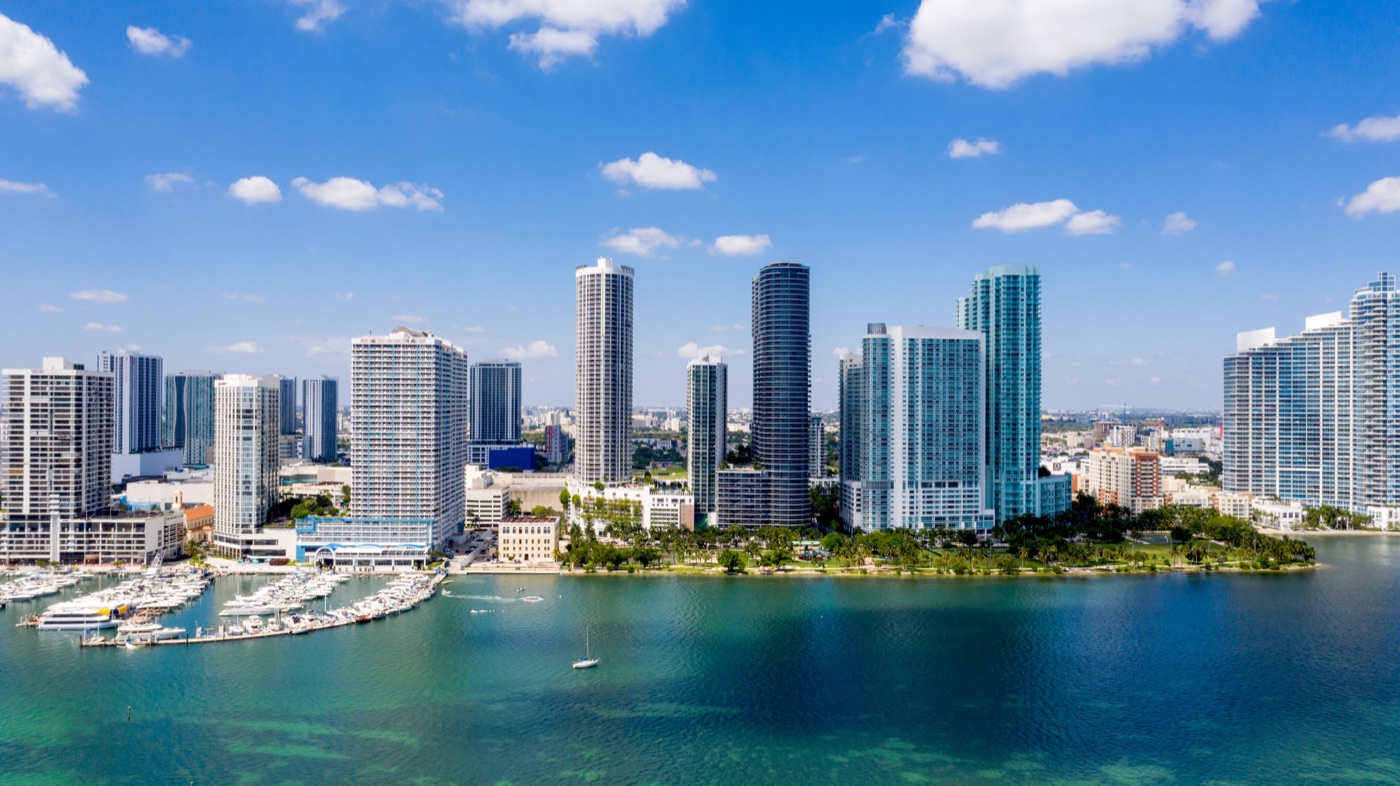
Not every neighborhood in Miami produces the same returns on pre-construction buys, and the calculus changes depending on whether you are buying to live in the unit, rent it, or resell it at delivery. Here is how I break down the main markets I work in.
Brickell continues to attract the most new inventory and the most buyer demand. The neighborhood has a walkability score that rivals any urban neighborhood in Florida, strong rental demand from financial sector professionals, and easy access to Brickell City Centre for retail and dining. Pre-construction units in Brickell range widely, from around $700,000 for a one-bedroom in a non-waterfront tower to well over $3 million for a high-floor residence in a marquee project. The rental yields here run between 4 and 5.5 percent annually for long-term tenants, though short-term rental rules in many buildings limit that upside.
Edgewater has emerged as a compelling alternative for buyers who want water views without the full Brickell price premium. Sitting directly on Biscayne Bay between downtown and Wynwood, the neighborhood has seen a wave of new luxury construction in the last five years. Pre-construction prices in Edgewater start around $600,000 for a one-bedroom and top out around $2.5 million for larger bay-view residences. I tell clients who are debating between the two that Edgewater tends to offer more square footage per dollar today, but Brickell's infrastructure is more mature.
Sunny Isles Beach is the go-to for international buyers seeking ultra-luxury oceanfront product. The Armani Casa, Porsche Design Tower, and Bentley Residences have all launched or delivered along Collins Avenue in recent years. Pre-construction prices here start above $2 million for a two-bedroom and routinely exceed $10 million for a penthouse. Rental income at this level is best treated as a secondary benefit, not a primary investment thesis. Buyers here are typically acquiring for lifestyle and long-term appreciation.
Coconut Grove and Coral Gables represent a different profile entirely. Pre-construction activity here is more limited, boutique buildings of 50 to 150 units tend to be the norm, and the buyer profile skews toward families and buyers who want a quieter, more residential feel. When pre-construction product does come to market in the Grove or Gables, it tends to sell quickly and deliver strong appreciation given the constrained land supply.
Key Risks Every Pre-Construction Buyer Should Understand
I would not be doing my job if I only talked about the upside. Pre-construction investing carries real risks, and my clients deserve a full picture before they commit six or seven figures.
Market timing risk is the most obvious. You are locking in a price today and closing in two to four years. If the Miami market softens materially during that window, the appraised value at closing could come in below your contract price. This creates a problem if you are financing the balance, because lenders will only lend against the appraised value, not the contract price. You would need to cover the gap in cash.
Developer risk is real but manageable with due diligence. Before my clients buy into any project, I research the developer's track record, how many buildings they have delivered in Florida, whether they have ever been in litigation with buyers, and what their current financing structure looks like. A developer who has delivered ten buildings on time is a very different risk profile from a first-time developer launching their debut tower.
Construction delays add carrying costs. If you planned to close in 2027 and the building delivers in 2029, you have two additional years of opportunity cost on the deposits you already paid. If you own a current residence, your timeline for selling or transitioning could get compressed. I always advise clients to build a 12-to-18-month buffer into their personal timelines when planning around a pre-construction close date.
Finally, HOA and condo fee estimates in pre-construction sales documents are projections, not guarantees. I have seen buildings where actual monthly fees at delivery came in 20 to 30 percent higher than originally estimated. That matters a lot for investment return calculations.
Pre-Construction Checklist: What to Do Before You Sign
Over the years I have developed a consistent process for vetting pre-construction opportunities with clients. Before any client of mine signs a pre-construction contract, I walk through the following steps with them.
Pre-construction due diligence checklist I use with every client:
- Research the developer: look up their completed projects, delivery history, and any Florida Department of Business and Professional Regulation complaints or court filings.
- Review the condo documents during the 15-day rescission period with a licensed Florida real estate attorney, not just an agent.
- Confirm the deposit escrow arrangement and verify that deposits are held by a reputable escrow agent, not commingled with developer funds.
- Map your full cash flow timeline against the deposit schedule to confirm you have liquid funds available at each milestone.
- Clarify the assignment clause before signing, especially if you may want to sell the contract before closing.
- Get the building's projected HOA and condo fees in writing and pressure-test them against comparable delivered buildings in the same neighborhood.
- Visit the developer's completed projects in person if possible. Speak with residents and property managers about build quality and how punch-list items were handled.
- Understand what happens to your deposits if the developer does not obtain construction financing or fails to meet the pre-sale threshold required to break ground.
- Confirm whether the building will allow short-term rentals, long-term rentals, or pets, depending on your intended use.
- Work with an agent who has closed pre-construction deals in Miami before. The contract negotiation and construction monitoring process is different from a resale transaction.
Financing a Pre-Construction Condo in Miami
Most buyers assume they need to have all-cash to participate in pre-construction, and while cash buyers certainly exist at the luxury end, many transactions are partially financed. The key is understanding when and how financing enters the picture.
During the deposit phase, you are not financing anything. Those funds come from your own savings or investment accounts. At closing, once the building has received its Certificate of Occupancy and the unit is legally ready for transfer, a conventional mortgage can cover the remaining balance. At that point, the lender will order an appraisal, and the loan proceeds will be based on the current appraised value, not your original contract price.
Lenders who are familiar with Miami condo buildings have specific requirements. The building needs to meet Fannie Mae or Freddie Mac warrantability standards if you want a conventional loan, which means owner-occupancy rates, commercial space percentages, and litigation history all matter. Some pre-construction buildings, particularly those designed primarily for investors with flexible rental policies, may only qualify for portfolio loans or non-QM financing, which carry higher rates.
Foreign national buyers face additional considerations. They typically need a larger down payment, often 30 to 40 percent of the purchase price, and their loan options are more limited. I work with several lenders who specialize in foreign national financing in Miami, and I am happy to make introductions. Call me at (954) 833-0020 and I can connect you with the right people based on your situation.
Working with an Agent on a Pre-Construction Purchase
One of the most common misconceptions I hear is that buyers do not need their own agent for a pre-construction purchase because the developer has an on-site sales team. The developer's sales team represents the developer. Full stop. Their job is to sell units at the best possible terms for the project, not to advise you on whether this particular unit in this particular building is the right fit for your goals.
My role as your buyer's agent does not cost you anything in a pre-construction transaction. Developer commissions are built into the project's sales budget and paid by the developer. You get representation, market context, contract review coordination, and someone who will monitor construction milestones on your behalf at no additional expense.
Beyond the transactional mechanics, I bring context that the on-site team simply cannot provide. I can tell you how this building's pricing compares to what you could buy at delivery in the same neighborhood today. I can flag if the projected rental yields being shown in the sales center are realistic or optimistic based on what I am actually seeing in the rental market. And I can give you an honest read on whether a particular developer's track record warrants the confidence being asked of you.
If you are weighing a pre-construction purchase in Miami and want a second opinion before you commit, I would love to sit down with you. Hablamos Espanol, and I work with buyers coming from all over the world who are navigating this process for the first time. Reach out at (954) 833-0020 and let's talk through what you are looking at.
Let's Find the Right Pre-Construction Condo for You
Whether you are buying your first Miami condo or adding to an investment portfolio, I can help you navigate the contract, the developer, and the market. Call (954) 833-0020 today.
Related Articles
September 28, 2026 · 10 min read
Argentine Buyers Guide to Miami Real Estate: Process, Financing Themes, and Neighborhood Fit (2026)
Buying Miami real estate from Argentina is workable when you separate what your agent coordinates from what your attorney, CPA, and lender decide. This support guide walks through the process, financing themes, remote closing, and neighborhood fit, then points you to the Argentina foreign-buyer hub for next steps.
Read article →February 2026 · 9 min read
Aventura Real Estate Guide: Condos, Schools & Lifestyle (2026)
Luxury high-rises, top-rated schools, and the Aventura Mall — why families and investors love this North Miami suburb.
Read article →February 2026 · 9 min read
Airbnb Investment Properties in Miami: Rules, ROI & Best Areas
Short-term rental regulations, income projections, and the best Miami neighborhoods for Airbnb investing.
Read article →