How to Prepare Your Miami Home for Sale and Get Top Dollar (2026)
By Rangely Adames • April 2026 • 11 min read
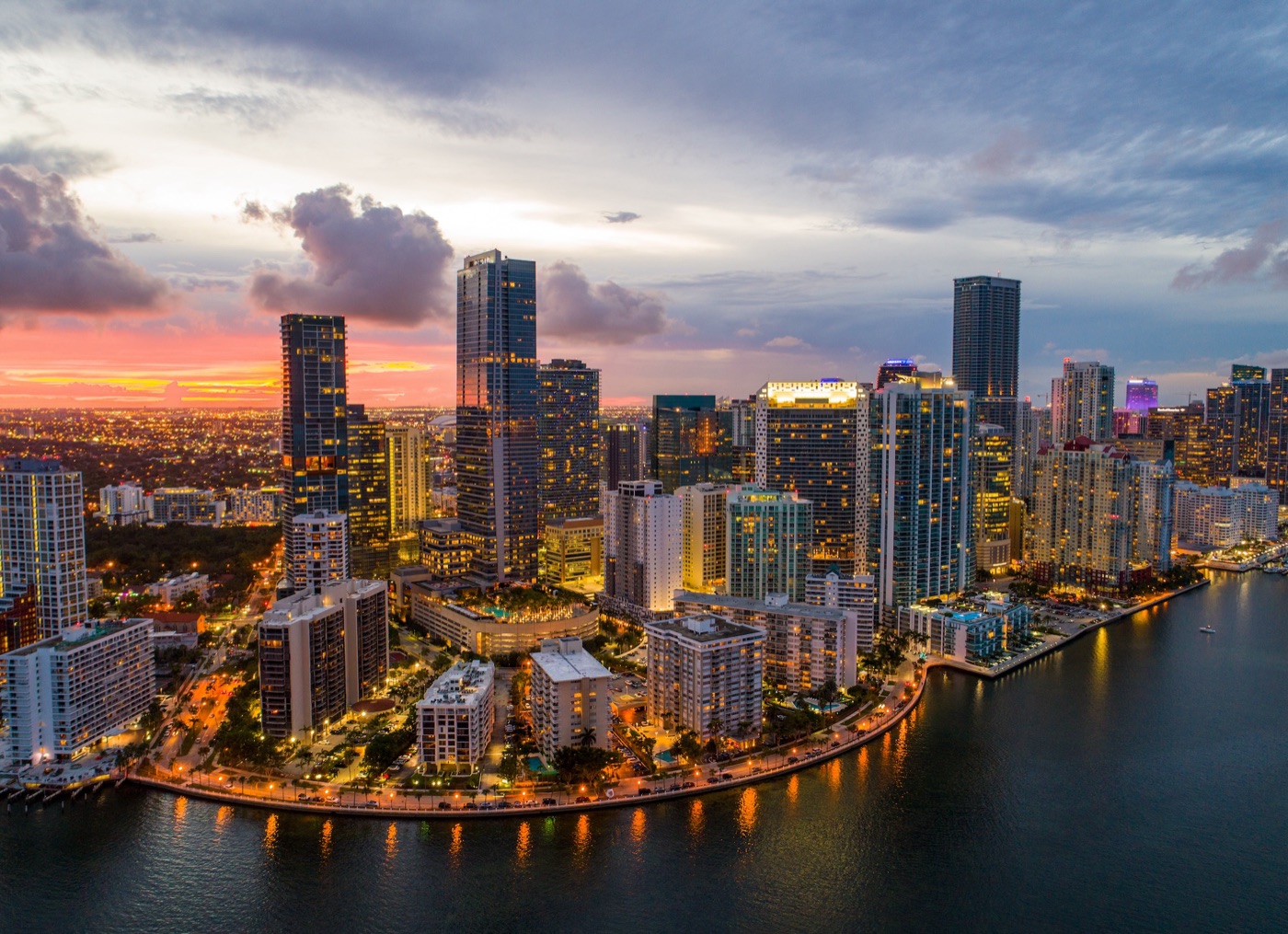
Selling a home in Miami is not the same as selling a home anywhere else in the country. Buyers here are sophisticated. They are comparing your property against brand-new pre-construction units in Brickell, fully renovated waterfront homes in Coconut Grove, and turnkey condos in Edgewater with five-star amenity packages. If your home is not presented correctly, priced precisely, and marketed aggressively, it will sit on the market while other listings close. And in Miami, days on market carry a stigma. Once a listing ages past 60 days, buyers and their agents start asking questions you do not want to answer.
I have helped sellers in Coral Gables, Key Biscayne, Sunny Isles Beach, Aventura, and Miami Beach close at or above asking price. Not every sale is simple, but the sellers who follow a clear preparation plan almost always walk away with more money and fewer headaches than those who just put a sign in the yard and hope for the best. This guide walks you through exactly what I recommend to my clients before we ever go live on the MLS.
Whether you own a single-family home in Pinecrest, a waterfront condo in Bal Harbour, or a townhouse in Wynwood, these principles apply. The Miami buyer pool includes local move-up buyers, Latin American investors, Northeast transplants, and international second-home purchasers. Your preparation needs to speak to all of them at once.
Ready to Talk About Selling Your Miami Home?
Call Rangely Adames at (954) 833-0020 for a no-pressure consultation on pricing, preparation, and timing. Hablamos Espanol.
Call (954) 833-0020Start With an Honest Assessment of Your Property
Before I price a property, I walk through it the way a buyer would. I look at the front elevation from the street, note every scuff on the baseboards, check the condition of the kitchen appliances, and take note of anything that could give a buyer leverage during negotiations. Most sellers are surprised by what I find, not because their home is in bad shape, but because you stop seeing small problems when you live somewhere for years.
In Miami, condition matters in a very specific way. Our climate is brutal on homes. Salt air corrodes metal fixtures near the water. Humidity warps wood and feeds mold inside walls. Air conditioning systems run nearly year-round and wear out faster than in cooler climates. A buyer's inspector will find these things, so I always advise sellers to find them first.
My standard advice is to hire your own licensed home inspector before listing. In Florida, a general home inspection typically costs between $400 and $600 for a single-family home. That investment almost always pays for itself. When you know what is in the inspection report ahead of time, you can fix the real issues, disclose the minor ones honestly, and negotiate from a position of strength rather than reacting to a buyer's demand letter three days before closing.
Explore on rangelyadames.com
Tackle Repairs That Actually Move the Needle
Not every repair delivers a return. Sellers sometimes want to remodel the kitchen before listing because they think it will add value. In my experience, a full kitchen renovation right before a sale rarely returns dollar-for-dollar. A buyer in the $1.2 million range in Coral Gables wants to pick their own countertops and appliances. What they do not want is a leaking roof, outdated electrical panels, or an air conditioning unit from 2007.
Focus your pre-sale repair budget on items that will either kill a deal or knock significant dollars off your price during inspection negotiations. In Miami specifically, I prioritize these categories with my clients.
Roof condition is critical. Many Miami-Dade insurance carriers will not issue a new homeowners policy on a roof older than 15 years. If a buyer cannot get insured, they cannot close. A full roof replacement on a typical Miami home ranges from $15,000 to $40,000 depending on size and material. If your roof is aging, get a roofer's written opinion before listing so you know exactly where you stand.
Air conditioning systems are a close second. A failed AC inspection finding can cost a seller $5,000 to $12,000 in negotiated repairs or credits. Have your system serviced and get a maintenance record you can hand to the buyer's inspector.
Beyond the major systems, fresh interior paint is the single highest-return cosmetic investment a seller can make. A full interior repaint for a 2,000 square foot home in Miami runs $3,000 to $6,000 and makes everything look newer and cleaner in photos and in person.
What Miami Buyers Actually Notice First
Miami buyers are visually oriented. This is a market driven by lifestyle and aesthetics. The first thing every buyer notices is the exterior, whether they are driving by for the first time or clicking through photos online. Curb appeal here is not just about trimming the hedges. It includes pressure washing the driveway, cleaning the pool deck, repainting or replacing the front door, and making sure exterior lighting works.
Inside, buyers notice light, smell, and space in that order. Miami homes are shown during the day in full Florida sunshine. If your home feels dark, it will feel smaller and less valuable. Clean windows, remove heavy drapes, and add warm lighting where natural light is limited. If there is any pet odor, cigarette odor, or musty smell from humidity, address it before the first showing. A buyer's emotional reaction in the first 90 seconds of walking into a home is almost impossible to reverse.
Clutter is the second silent deal killer. I tell my sellers that they need to treat their home as a product on a showroom floor, not as a personal residence. Oversized furniture, excess personal photos, and countertop clutter all make spaces feel smaller. In condos at buildings like Aria on the Bay in Edgewater or The Residences at Vizcaya in Coconut Grove, where square footage commands $600 to $900 per square foot, every visual inch matters.
Pricing Strategy in the Miami Market
Pricing is where I earn my fee. The Miami market is hyperlocal. A condo on the 30th floor of a Brickell tower can be worth $150 per square foot more than an identical unit on the 10th floor of the same building. A home on a corner lot in Coral Gables with no pool will sit while the property three blocks away with a pool and a new roof gets multiple offers. Comps matter enormously, and reading them correctly requires knowing what the numbers actually represent.
Overpricing is the most common mistake Miami sellers make. I understand the logic. You love your home, you have heard about record sales in your neighborhood, and your neighbor swears their friend got $50,000 over asking. What sellers often do not realize is that 2021 and 2022 were exceptional years, and the market has since normalized in most segments. In 2025, the median sale price for single-family homes in Miami-Dade County was approximately $650,000, while condos averaged around $425,000. Luxury properties above $3 million in markets like Fisher Island or Star Island require a separate pricing analysis entirely.
The strategy I use is to price at the sharp edge of accurate value, not above it. A correctly priced home in a desirable Miami neighborhood generates showing activity in the first two weeks. That activity creates urgency. Urgency creates offers. Multiple offers create competitive conditions that can push the final price above list. That outcome is far better than chasing the market down after three price reductions.
The Role of Professional Photography and Marketing
More than 95 percent of Miami buyers start their home search online. The photos on your listing are your first showing. I do not allow any listing I represent to go live with smartphone photos or dimly lit amateur images. Professional real estate photography in Miami costs between $300 and $800 for a standard shoot, and for luxury properties I also invest in drone footage, Matterport 3D tours, and twilight exterior shots.
For condos in buildings like Continuum on South Beach or Porsche Design Tower in Sunny Isles, I also highlight building amenities in the marketing materials. Buyers want to see the pool deck, the fitness center, the marina access, or the concierge lobby. The building is part of what they are buying, and the listing should reflect that.
Beyond photography, my marketing strategy for Miami listings includes targeted digital advertising to buyer audiences in New York, California, Argentina, Colombia, Brazil, and Venezuela. These are the feeder markets driving Miami real estate right now. A Latin American buyer looking for a Miami Beach pied-à-terre does not start by calling a local agent. They start by browsing listings on their phone. Your listing needs to reach them where they are looking.
Timing Your Miami Listing for Maximum Exposure
Miami has a real estate season. The peak buying window runs from roughly mid-January through the end of April. Snowbirds arrive, Latin American families visit during school breaks, and Northeast buyers tired of winter make decisions. Listing during this window gives you the largest active buyer pool.
That said, the off-season is not dead. Miami has seen strong summer and fall activity in recent years as remote workers and international buyers shop year-round. What I tell sellers is that the ideal time to list is when your home is fully prepared, not when the calendar says so. A poorly prepared listing in February will underperform a well-prepared listing in August.
If your property is near a major event venue or in neighborhoods like Wynwood, Midtown, or Miami Beach, you can also take advantage of event-driven traffic. Art Basel in December draws tens of thousands of wealthy visitors to Miami. I have seen listings in Wynwood and the Design District generate serious buyer interest during Art Basel week from collectors who fall in love with the neighborhood while they are here for the shows.
The Pre-Sale Checklist I Give My Clients
Over the years I have refined a preparation checklist that covers the most important steps for Miami sellers. Every home is different, but these are the categories I work through with every client before we set a list date.
Here is the pre-sale checklist I walk through with every seller:
- Order a pre-listing home inspection and review the report with your agent before any buyer sees the property
- Service the air conditioning system and obtain a dated maintenance receipt
- Verify the roof age and condition, and obtain a roofing contractor letter if the roof is over 10 years old
- Check that all permits for past renovations were properly closed with Miami-Dade or your municipality
- Repaint interior walls in neutral, light tones, typically white or warm greige
- Deep clean the entire home including grout, tile, appliances, and windows
- Pressure wash driveways, walkways, pool decks, and exterior walls
- Replace outdated light fixtures in kitchens, bathrooms, and entryways
- Remove at least 30 percent of furniture and personal items before professional photos are taken
- Obtain a condo estoppel letter from your HOA if selling a condo, since this is required at closing in Florida and takes 10 to 15 business days
- Gather all warranties, appliance manuals, and HOA documents to provide to the buyer
- Review your Florida property tax bill so you can speak to buyers about the homestead exemption savings they may receive
Working With a Miami Agent Who Knows Your Neighborhood
The agent you choose matters more than most sellers realize. Miami is a market of micro-neighborhoods. The person who sells condos in Aventura all day may not know the nuances of Coconut Grove single-family home buyers, and vice versa. I work across Miami-Dade and Broward, and I make it a point to know the active buyer pool, the recent sale history, and the competitive listings in every neighborhood I serve.
I also bring a significant advantage for sellers whose buyers come from Latin America. I am fully bilingual, and my team communicates fluently in Spanish with buyers, their attorneys, and their families throughout the transaction. Hablamos Espanol. This matters because a large share of Miami luxury buyers, particularly those purchasing properties in Brickell, Coral Gables, Key Biscayne, and Miami Beach, are from Spanish-speaking countries and prefer to negotiate and review documents in their first language. Having that bridge in place removes friction and keeps deals moving.
If you are thinking about selling your Miami home and want a straightforward conversation about what it is worth and what it would take to get it sold quickly, call me directly at (954) 833-0020. I do not believe in vague estimates or overpromising just to win a listing. I will tell you exactly what the market says and what I would do to beat it.
Get a Free Pre-Sale Strategy Session
Call (954) 833-0020 today and let's build a plan to sell your Miami property for top dollar, on your timeline.
Related Articles
September 28, 2026 · 10 min read
Argentine Buyers Guide to Miami Real Estate: Process, Financing Themes, and Neighborhood Fit (2026)
Buying Miami real estate from Argentina is workable when you separate what your agent coordinates from what your attorney, CPA, and lender decide. This support guide walks through the process, financing themes, remote closing, and neighborhood fit, then points you to the Argentina foreign-buyer hub for next steps.
Read article →February 2026 · 9 min read
Aventura Real Estate Guide: Condos, Schools & Lifestyle (2026)
Luxury high-rises, top-rated schools, and the Aventura Mall — why families and investors love this North Miami suburb.
Read article →February 2026 · 9 min read
Airbnb Investment Properties in Miami: Rules, ROI & Best Areas
Short-term rental regulations, income projections, and the best Miami neighborhoods for Airbnb investing.
Read article →