Miami Beach vs Key Biscayne: Where to Buy in 2026
By Rangely Adames, Sunland Group • May 2026 • 12 min read
Una comparacion completa para compradores que buscan vivir en una isla en Miami.
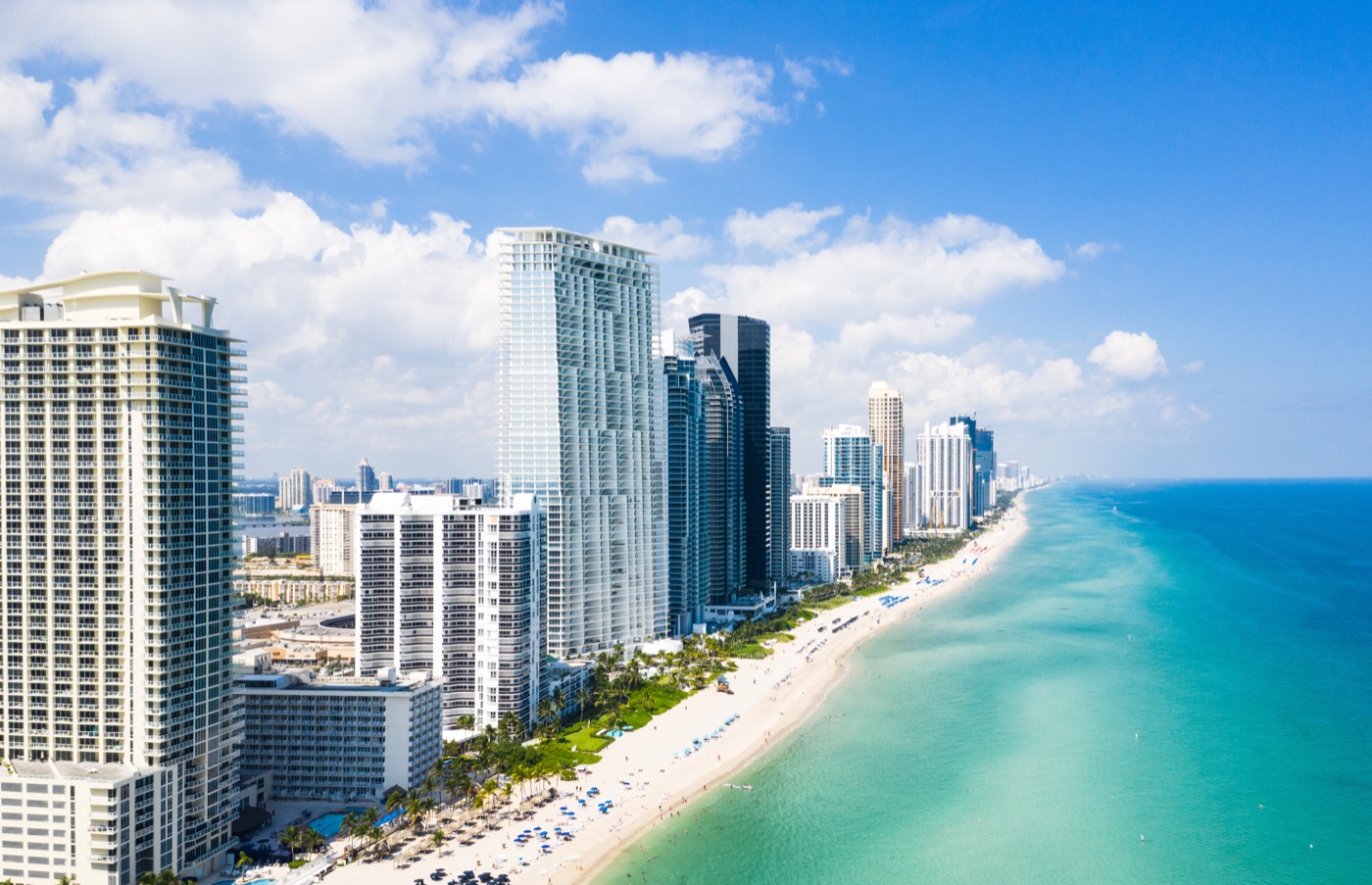
Two islands. Two very different lifestyles. If you want to live in Miami with the ocean steps from your front door, your shortlist almost always comes down to Miami Beach or Key Biscayne. Both are barrier islands. Both have world-class beaches. But the buyer who thrives on Miami Beach often does not belong on Key Biscayne, and vice versa. This guide breaks down the differences that actually matter when you sign a contract: price per square foot, school zoning, HOA fees, hurricane risk, traffic patterns, rental rules, and resale dynamics.
As a bilingual Miami real estate agent who has closed deals on both islands, I get this question every single week: “Rangely, donde deberia comprar, en Miami Beach o en Key Biscayne?” The honest answer is that it depends on five things: your family stage, your tolerance for tourists, your budget, your work commute, and how you feel about a single bridge being your only way home. Let's walk through each.
The Geography Matters More Than You Think
Miami Beach is a roughly seven-mile barrier island connected to the mainland by four causeways: MacArthur, Venetian, Julia Tuttle, and the 79th Street Causeway. It is divided into South Beach, Mid-Beach, and North Beach, each with its own personality. Population is roughly 80,000, but daily tourist traffic can push that effective population well past 200,000 on any given weekend in season.
Key Biscayne, by contrast, is a single island reached by exactly one route: the Rickenbacker Causeway off of I-95 in downtown Miami. The Village of Key Biscayne is just under 10,000 residents, and the island also includes Crandon Park (county-owned) on the north end and Bill Baggs Cape Florida State Park on the south end. There are no high-rises blocking the sun. No nightclubs. No tourists wandering through residential streets at 3 a.m. The drive in feels like leaving Miami entirely.
That single-causeway access is the central trade-off of Key Biscayne. It buys you privacy, exclusivity, and a community that genuinely knows its neighbors. It also means that during a major hurricane evacuation or a serious accident on the bridge, you have one route in and one route out. Miami Beach offers four causeways and far more flexibility.
Ready to find your Miami home?
Rangely Adames has helped hundreds of buyers find the perfect property in Miami. Call for a free consultation — Hablamos Espanol.
Call (954) 833-0020Explore on rangelyadames.com
Price Comparison: 2026 Median Values
Both markets are expensive, but they are expensive in different ways. Miami Beach gives you a wide spectrum, from a $400,000 Mid-Beach studio to a $50M oceanfront mansion in La Gorce. Key Biscayne has a much narrower band: almost everything is between $1.2M and $20M, with a thin tier of older condos starting around $750,000.
Miami Beach 2026 medians: Single-family homes around $2.6M (Mid-Beach), $3.8M (North Bay Road), $9M+ (La Gorce, Sunset Islands). Condos run from $400,000 in older Mid-Beach buildings to $5,000+ per square foot in branded oceanfront towers like the Faena and Edition.
Key Biscayne 2026 medians: Single-family homes around $4.2M, with waterfront homes routinely closing $8M to $20M. Condo medians around $1.4M, with luxury towers like Ocean Club and Grand Bay Residences ranging $2M to $10M+. There is virtually no condo inventory under $750,000.
On a price-per-square-foot basis, the two islands are surprisingly close at the high end. Where they differ is on the entry tier: Miami Beach has one, Key Biscayne does not. If your budget is under $1M and you want an island address, Miami Beach is your only realistic option.
Schools: The Single Biggest Difference for Families
If you have school-age children, this section may settle the entire decision for you. Key Biscayne is zoned to Key Biscayne K-8 Center, which is one of the highest-rated public schools in Miami-Dade County. Test scores, parental involvement, and student-teacher ratios consistently outperform almost every public school in the county. The high school zoning is for MAST Academy on Virginia Key, also highly rated.
Miami Beach's public schools are inconsistent. Miami Beach Senior High has improved over the past decade, but most affluent Miami Beach families default to private schools: Lehrman Community Day School, Hebrew Academy, and Saint Patrick. That adds $25,000 to $40,000 per child per year to the cost of living on the island. For more on school zoning, read our best school districts in Miami-Dade guide.
Bottom line: Families with kids who plan to use public school overwhelmingly choose Key Biscayne. Families committed to private school regardless of zoning often prefer Miami Beach for the broader social and cultural scene.
Consejos para Compradores Latinos
Para compradores hispanohablantes, ambas islas son acogedoras pero de maneras diferentes. Key Biscayne tiene una comunidad latinoamericana muy fuerte, especialmente venezolanos, argentinos, colombianos y espanoles. Es comun escuchar mas espanol que ingles en el supermercado Winn-Dixie de la isla, y casi todos los servicios profesionales (medicos, abogados, contadores) hablan espanol. Es una transicion natural para familias que vienen de Latinoamerica.
Miami Beach es mas internacional y diversa. Hay comunidades fuertes de brasilenos, argentinos, mexicanos y espanoles, pero tambien una poblacion grande de americanos, europeos del norte, y rusos. Si quieres una experiencia mas cosmopolita y menos “burbuja latina,” Miami Beach puede sentirse mas global. Si buscas una comunidad cerrada donde todos se conocen, Key Biscayne es claramente la mejor opcion.
Lifestyle and Daily Rhythm
Miami Beach is a 24-hour city. Restaurants, bars, art galleries, fitness studios, beach clubs, hotels, and conventions create a constant pulse. Lincoln Road is busy at midnight on a Tuesday. Ocean Drive never sleeps. For some buyers, this is the entire appeal. For others, particularly families with young children, it is exhausting and intrusive.
Key Biscayne is the polar opposite. The island shuts down by 10 p.m. on most nights. There are roughly a dozen restaurants, two grocery stores, and a small commercial strip on Crandon Boulevard. The Ritz-Carlton Key Biscayne provides the only resort-style amenities. Most residents drive over the bridge for serious shopping, dining, or entertainment. The vibe is closer to a wealthy beach town in the Carolinas than to anything else in Miami.
If you love walkability, dining variety, and constant energy, Miami Beach wins. If you prize quiet evenings, family bike rides on tree-lined streets, and a tight community where you see the same neighbors every weekend, Key Biscayne wins.
Hurricane Risk and Insurance
Both islands carry serious hurricane exposure. Miami Beach sits in flood zones AE and VE for most properties. Key Biscayne is also overwhelmingly in flood zones AE and VE. Wind premiums on both islands have climbed sharply since 2022, and many oceanfront condos in both markets have absorbed special assessments to harden buildings against storm impact.
Where they differ is evacuation. Miami Beach has four causeways, so even with congestion, residents have options when an evacuation order hits. Key Biscayne has one. Local emergency planners issue evacuation orders for Key Biscayne earlier than for most of Miami-Dade because the bridge becomes unusable in sustained winds above 50 mph. Read our Miami flood zones and insurance guide for a deeper look at how this affects your annual carrying costs.
Insurance budgets for a $3M single-family home: roughly $18,000 to $35,000 per year on Miami Beach, $20,000 to $40,000 per year on Key Biscayne, depending on elevation, build year, and roof age. Newer homes built to current code score significantly lower premiums.
HOA Fees and Condo Reserves
Post-Surfside, both islands have seen aggressive reserve studies and special assessments. On Miami Beach, expect HOA dues of $1.20 to $3.50 per square foot per month in mid-tier buildings, climbing to $4 to $7 per square foot in branded luxury towers. Key Biscayne condo HOAs run a bit higher on average because most buildings include resort-style amenities (private beach clubs, multiple pools, concierge): $1.80 to $5 per square foot per month is typical.
Always order an estoppel and reserve study before going under contract. Our condo due diligence checklist walks through exactly which documents to demand. Ready to schedule a showing? Contact Rangely or call (954) 833-0020— Hablamos Espanol.
Short-Term Rental Rules
Miami Beach has some of the strictest short-term rental laws in Florida. Rentals under six months and one day are banned in most residential zones, and the city aggressively fines violators. Some condo buildings allow weekly rentals, but you must verify both the city zoning and the condo declaration. The Faena House, the Setai, and certain Mid-Beach buildings permit short stays; most do not.
Key Biscayne is even more restrictive. The Village of Key Biscayne effectively bans short-term rentals in single-family zones, and most condo buildings carry their own minimum-lease periods of three to twelve months. If your investment thesis depends on Airbnb cash flow, neither island is the right play. See our Miami short-term rental rules guide for a city-by-city breakdown.
Privacy, Security, and Celebrity Factor
Key Biscayne has long been a haven for executives, professional athletes, and political figures who want to live in Miami without being seen. Roger Federer, several MLB players, and a long list of Latin American business families have called the island home. The single causeway makes paparazzi access limited, the streets are quiet, and the village police force is well-funded relative to the population. Many of the waterfront mansions sit behind tall hedges and gated entries.
Miami Beach is the opposite of discreet. Celebrity sightings on Ocean Drive, the Faena District, and the Setai are constant. If your priority is being part of a scene, Miami Beach delivers. If your priority is hiding from one, Key Biscayne or Fisher Island are stronger choices.
Commute and Traffic
Miami Beach to Brickell: 20 to 45 minutes depending on causeway and time of day. The MacArthur Causeway is the fastest route in good conditions. Rush hour traffic from South Beach to downtown can be brutal during high tourist season.
Key Biscayne to Brickell: 15 to 25 minutes. The Rickenbacker Causeway dumps you directly onto Brickell Avenue, and reverse commute traffic is generally light. For executives who work in Brickell or downtown Miami, Key Biscayne actually offers a faster, more predictable commute than Miami Beach.
One caveat: when there is an accident on the Rickenbacker, you sit. There is no alternate route. Plan for that.
Resale and Appreciation Trends
Both islands have appreciated significantly over the past five years, but Key Biscayne has shown more price stability during downturns. The constrained supply (you literally cannot build new single-family lots) protects values during slower markets. Miami Beach has more inventory churn and is more sensitive to global tourism cycles, particularly in the condo market.
For buyers planning a 10-plus year hold, Key Biscayne single-family homes have been the more reliable wealth-preservation play. For buyers betting on shorter cycles or who want exposure to Miami Beach's tourism-driven luxury rental market, Miami Beach offers more upside in branded buildings and trophy properties. Our latest Miami market report tracks both submarkets in detail.
Who Should Buy on Miami Beach?
- Singles, couples without kids, and empty nesters who want walkability, dining, and nightlife.
- Buyers under $1.5M who want an oceanfront condo address.
- Investors who want exposure to luxury seasonal rentals (in approved buildings).
- Art collectors and culture-driven buyers who want proximity to Art Basel, museums, and galleries.
- Buyers who prefer multiple causeway options and bigger evacuation flexibility.
Who Should Buy on Key Biscayne?
- Families with school-age children who plan to use public school zoning.
- Executives and professionals who commute to Brickell or downtown Miami.
- High-profile buyers who value privacy and discretion.
- Empty nesters who want a quiet, tight-knit community over a 24-hour scene.
- Long-term wealth-preservation buyers betting on constrained-supply appreciation.
- Hispanohablantes que buscan una comunidad latina fuerte y servicios profesionales en espanol.
Resumen en Espanol
Miami Beach y Key Biscayne son las dos opciones principales para vivir en una isla en Miami, pero ofrecen experiencias completamente diferentes. Miami Beach es vibrante, internacional, llena de turismo, restaurantes, y vida nocturna. Tiene precios mas accesibles en la entrada (desde $400,000 para condominios) y cuatro puentes de acceso, lo que da mas flexibilidad. Sin embargo, las escuelas publicas son inconsistentes y la mayoria de las familias afluentes pagan por colegios privados.
Key Biscayne es lo opuesto: tranquila, privada, con una comunidad fuerte y escuelas publicas excelentes (Key Biscayne K-8 Center es una de las mejores del condado). El precio de entrada es mas alto (desde $750,000 para condominios y $4M+ para casas), y solo hay un puente de acceso, lo que es importante considerar durante temporada de huracanes. Para familias con ninos en edad escolar, Key Biscayne casi siempre gana. Para parejas jovenes, profesionales solteros, o inversionistas en mercado de alquiler de lujo, Miami Beach es la mejor opcion.
La decision final depende de tu presupuesto, etapa de vida, prioridades de comunidad, y tolerancia al ruido y al turismo. Si tienes dudas, hablemos. He cerrado transacciones en ambas islas y puedo ayudarte a comparar propiedades especificas lado a lado.
Search Properties on Both Islands
Browse current inventory on our MLS search tool, view featured listings, or explore deeper neighborhood guides to Key Biscayne real estate and Miami Beach submarkets. Selling a property on either island? Get a free home valuation in under 60 seconds.
Your Miami Real Estate Expert — Hablamos Espanol
Whether you're buying, selling, or investing in Miami real estate, Rangely Adames brings deep local expertise and personalized service. Free consultation, no pressure.
Related Articles
February 2026 · 9 min read
Aventura Real Estate Guide: Condos, Schools & Lifestyle (2026)
Luxury high-rises, top-rated schools, and the Aventura Mall — why families and investors love this North Miami suburb.
Read article →February 2026 · 9 min read
Airbnb Investment Properties in Miami: Rules, ROI & Best Areas
Short-term rental regulations, income projections, and the best Miami neighborhoods for Airbnb investing.
Read article →July 2026 · 10 min read
Bay Harbor Islands Real Estate Guide: Homes, Condos & Market (2026)
Waterfront homes with private docks, boutique condos, and a top-rated K-8 school make Bay Harbor Islands one of Miami's best-kept secrets. A bilingual 2026 buyer guide with prices and consejos para compradores. Hablamos Espanol.
Read article →Still Choosing Between Miami Beach and Key Biscayne?
Let's tour both islands together. I'll show you specific properties that match your lifestyle, family stage, and budget — on either island. Hablamos Espanol.