Miami Home Buyer Due Diligence Checklist (2026)
By Rangely Adames • June 2026 • 11 min read
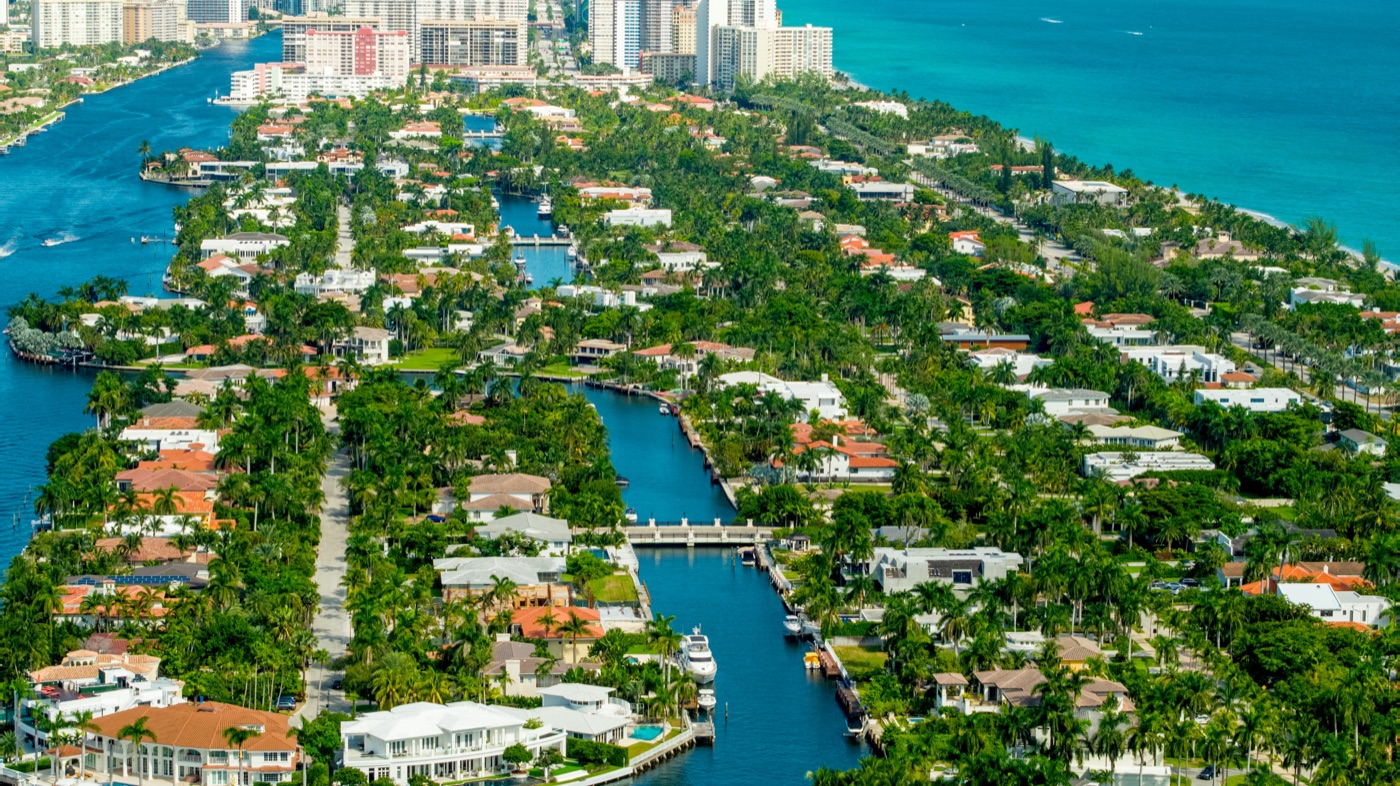
Buying real estate in Miami is different from buying in Chicago, Los Angeles, or New York. The climate, the condo laws, the flood zone maps, the HOA structures, and the foreign buyer landscape all create a set of local risks that standard real estate advice simply does not cover. I have worked with buyers across Brickell, Coral Gables, Coconut Grove, Key Biscayne, Edgewater, Sunny Isles Beach, and Bal Harbour, and the due diligence mistakes I see repeated most often are not about price. They are about skipping checks that are unique to this market.
After years of guiding buyers through closings, I put together this checklist specifically for Miami. Some of these items apply whether you are buying a single-family home in Pinecrest or a luxury condo in a Brickell high-rise. Others are Miami-specific because of Florida law, South Florida weather exposure, or the way the local condo market is structured. If you go through every section below before you remove your inspection contingency, you will be in a far stronger position than the average buyer in this city.
This is not a quick bullet list of generic advice. I want to walk you through the reasoning behind each check, so you understand why it matters and what red flags to look for. If you have questions at any point, call me directly at (954) 833-0020. Hablamos Espanol, and I am happy to walk through any of this with you in detail.
Have Questions Before You Close?
I walk every buyer through this checklist personally before they sign anything. Call me at (954) 833-0020 and let's make sure you are fully protected. Hablamos Espanol.
Call (954) 833-0020Start With the Flood Zone and Insurance Picture
The first thing I pull for any Miami property is the FEMA flood zone designation. Miami-Dade County has a significant portion of its land in Zone AE or Zone VE, which are high-risk designations that require mandatory flood insurance if you carry a federally backed mortgage. Even in Zone X, which is considered moderate to low risk, I still recommend flood coverage because South Florida weather does not follow the map neatly.
Flood insurance through the National Flood Insurance Program currently runs between $1,500 and $4,500 per year for a standard single-family home depending on the zone, elevation certificate, and building characteristics. For waterfront properties in Key Biscayne, Miami Beach, or along Biscayne Bay, premiums can exceed $8,000 annually. That number has to factor into your total carrying cost calculation before you make an offer.
Ask the seller for the current elevation certificate. If one does not exist, you can order one from a licensed surveyor for roughly $400 to $700. A property that sits even one foot higher than the base flood elevation can mean meaningfully lower premiums. In my experience, buyers who skip this step are often surprised at closing when their lender requires flood insurance at a cost they had not budgeted for.
Explore on rangelyadames.com
Review the HOA or Condo Association Financials Carefully
Florida law gives condo buyers three days to review the condo documents after receiving them, and you have the right to cancel the contract within that window for any reason. In practice, I recommend starting this review the moment you go under contract, not waiting until you receive the package. Request the most recent two years of meeting minutes, the current budget, the reserve fund study, and the most recent financial audit.
Since the Surfside collapse in 2021, Florida passed Senate Bill 4D, which requires condo associations in buildings three stories or taller to complete a structural integrity reserve study and fully fund reserves for key structural components. Buildings that have deferred this process or are showing underfunded reserves are a serious flag. I have seen buyers walk away from otherwise beautiful units in Edgewater and Midtown Miami because the reserve fund was sitting at 20 percent of the required level.
HOA fees in Miami vary widely. In a luxury building in Brickell or Coconut Grove, monthly fees for a two-bedroom unit commonly run between $1,200 and $2,800. In a mid-tier building in Aventura, you might see $600 to $1,100 per month. The fee itself is less important than what it covers and whether it reflects the actual cost of maintaining the building. A low HOA fee in a building with aging infrastructure is not a deal, it is a liability waiting to surface as a special assessment.
Investigate Special Assessments and Pending Litigation
Special assessments are one of the biggest hidden costs in Miami condo buying. These are one-time charges levied on unit owners to cover repairs or improvements that exceed what the reserve fund can absorb. Balcony restorations, roof replacements, elevator upgrades, and now mandatory recertification work under Miami-Dade's 40-year and 50-year building recertification program have triggered assessments in the tens of thousands of dollars per unit across dozens of buildings.
Ask directly whether any special assessment has been approved, is pending board approval, or has been discussed in recent meetings. Read the last 12 to 24 months of board meeting minutes carefully. Sellers are legally required to disclose known assessments in Florida, but I have seen cases where assessments had been discussed at the board level but not yet formally passed, leaving buyers in a gray zone. If the minutes show repeated discussion of a specific repair with no resolution, that is a conversation you need to have before closing.
Litigation is another check that buyers often miss. A condo association that is in active litigation, whether it is suing the developer over construction defects or being sued by a unit owner, can affect your ability to get financing and your ability to resell. Most conventional lenders and virtually all portfolio lenders doing jumbo loans will flag pending litigation in the association as a reason to pause or decline financing.
The Physical Inspection: Miami-Specific Items
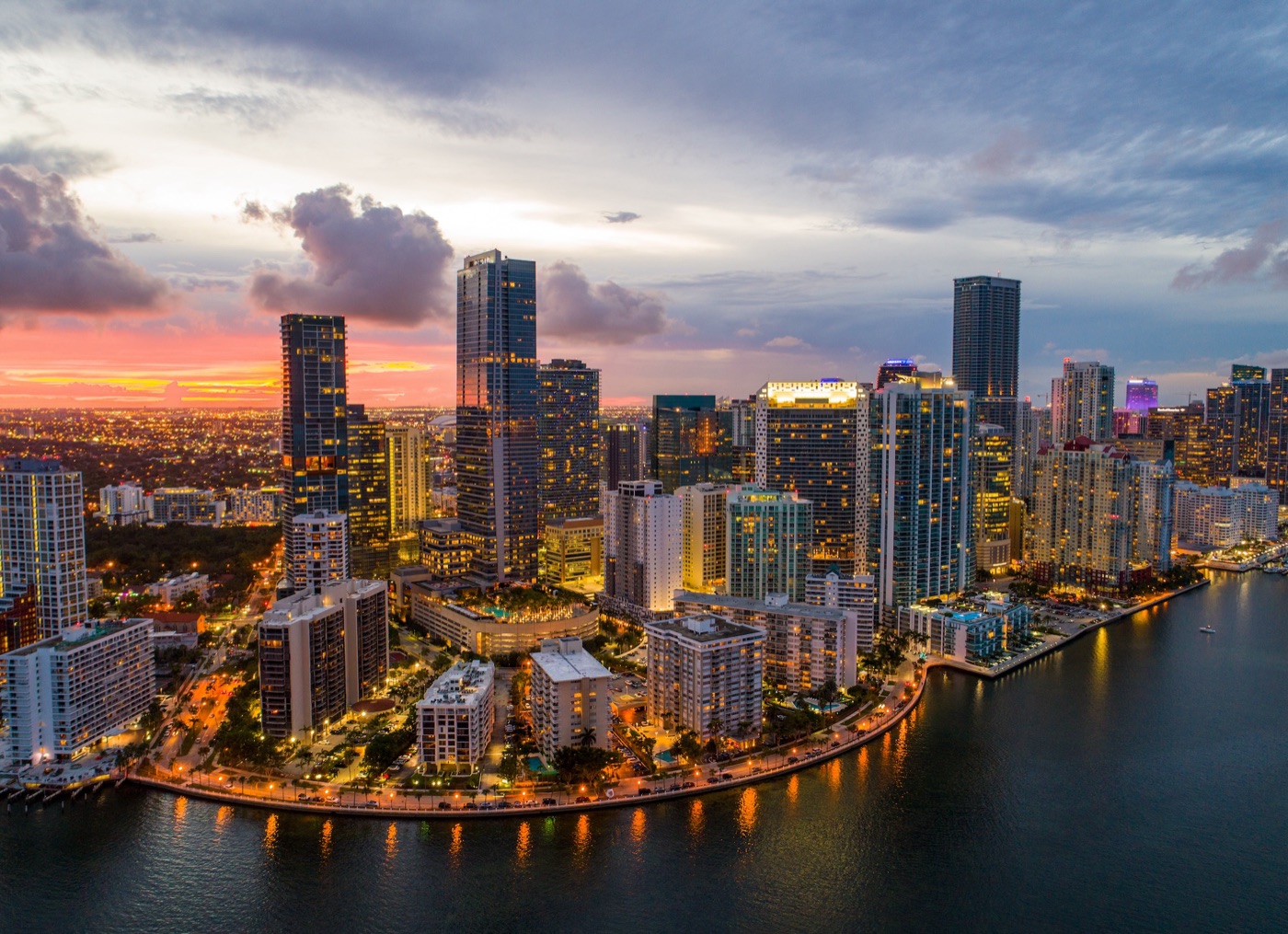
A licensed home inspector is essential, and in Miami I specifically recommend choosing one with South Florida experience. The issues that show up in Miami homes are different from what inspectors in northern states are trained to prioritize. Mold, moisture intrusion, roof conditions, hurricane strapping, and impact window compliance are the big categories here.
Roofs are expensive in South Florida. A standard flat roof on a Coral Gables home costs $18,000 to $35,000 to replace depending on the square footage and material. A tile roof on a larger Pinecrest or Palmetto Bay home can run $40,000 to $80,000. Florida insurance carriers have become increasingly strict about roof age, and many will not write a new policy if the roof is more than 15 years old. Confirm the roof age during inspection and factor replacement cost into your offer if it is approaching that threshold.
For single-family homes, ask whether the property has hurricane impact windows and doors or relies on accordion shutters. Impact glass can add $15,000 to $50,000 in value to a property and meaningfully reduces homeowners insurance premiums. Many insurance carriers now offer a wind mitigation discount of 25 to 45 percent for fully impact-protected homes, which on a $4,000 annual premium is real money. Ask the inspector to complete a wind mitigation report as part of the inspection package.
Title Search and Lien Verification
Florida is one of the few states where buyers are expected to pay for title insurance, and in Miami-Dade County the buyer customarily pays for the title search and owner's title policy. This is the opposite of Broward County, where the seller typically pays. The cost is roughly 0.5 to 0.6 percent of the purchase price, so on a $900,000 property you are looking at approximately $4,500 to $5,400 for the owner's policy.
The title search will reveal recorded liens, code violations, unpaid contractor liens, and any encumbrances on the property. In Miami, code violations are more common than buyers expect, particularly in older neighborhoods like Little Havana, Overtown, and parts of Hialeah. Unpermitted work, open permits, and violations from the city or county can result in costs to cure that run from a few hundred dollars to well over $20,000 depending on what was done without permits.
Do not waive title insurance to save money. I have seen investors try to skip it on investment purchases, and it creates real exposure. A cloud on title that surfaces after closing can tie up your ability to sell or refinance for months and occasionally years. The one-time premium is one of the most straightforward forms of protection in any real estate transaction.
Rental Restrictions and Short-Term Rental Rules
If you are buying a condo in Miami with any intention of renting it, either long-term or short-term through platforms like Airbnb or VRBO, you need to verify the association's rental rules before you are under contract, not after. I cannot stress this enough. Miami's condo market is full of buildings with widely different policies, and assuming you can rent because a unit was previously listed on Airbnb is a mistake I see buyers make repeatedly.
Some buildings in Brickell and Edgewater allow short-term rentals with a minimum of 30 days. Others require a six-month minimum. Luxury buildings in Bal Harbour and Key Biscayne sometimes allow only one rental per year. Condo-hotel buildings like those in Miami Beach have their own operational rules. Miami Beach also has a municipal short-term rental ordinance that is stricter than what many other parts of the county allow.
For long-term investors, the rental restriction question also connects to resale value. A building with flexible rental policies attracts a larger buyer pool when you eventually sell. A building with very restrictive rules limits your exit strategy to owner-occupants and second-home buyers, which narrows demand. This is one of the factors I always evaluate when helping investment buyers compare two otherwise similar buildings.
Property Tax and Homestead Exemption Planning
Miami-Dade County's effective property tax rate runs approximately 1.8 to 2.2 percent of assessed value depending on the municipality. A home assessed at $1.2 million in Coral Gables will carry annual taxes of roughly $21,600 to $26,400. In an unincorporated part of the county, the rate is slightly lower. Municipalities like Miami Beach, Surfside, and Bal Harbour each have their own millage components stacked on top of the county rate.
Florida's Homestead Exemption reduces your assessed value by $50,000 for primary residences and caps annual assessment increases at 3 percent under the Save Our Homes amendment. This is a meaningful benefit for buyers who will use the property as their primary residence. To qualify, you must have the deed recorded and file the exemption with the Miami-Dade Property Appraiser by March 1 of the tax year following your purchase.
Foreign buyers and investors who will not use the property as a primary residence do not qualify for the Homestead Exemption, so their taxes will reset to market value at the time of each sale. This matters when underwriting an investment purchase because the seller's current tax bill often reflects years of Save Our Homes protection and bears no resemblance to what you will pay after closing. I always run a tax reassessment estimate for my investment clients before they finalize their numbers.
A Practical Pre-Closing Checklist
Before your final walkthrough, make sure you have worked through every item below. I go through this list personally with every buyer I represent. Skipping even one of these can create a problem that costs more to fix after closing than it would have cost to negotiate before it.
After you have reviewed this list, the final walkthrough itself should confirm that the property is in the agreed condition, that any repairs the seller promised have been completed, that all appliances are functional, and that no new damage has occurred since your inspection. In Miami, I also recommend checking for any water intrusion after heavy rain if your closing coincides with rainy season between June and October.
Complete each of these checks before you remove contingencies or proceed to closing:
- Confirm flood zone designation and get an elevation certificate if one does not exist
- Review the last 24 months of HOA or condo board meeting minutes for red flags
- Verify the reserve fund balance against the most recent reserve study
- Ask the seller and association to disclose any pending or recently passed special assessments
- Check for active litigation involving the association or the building
- Order a full home inspection with a wind mitigation report included
- Confirm roof age and condition and research replacement cost if the roof is over 12 years old
- Verify impact window and door compliance for insurance discounts
- Complete a title search and purchase an owner's title policy
- Check for open permits, code violations, and unpermitted work with the city or county
- Review the condo's rental restrictions against your intended use
- Run a post-purchase property tax estimate using the current market value, not the seller's current bill
- Confirm your Homestead Exemption eligibility and filing timeline if this will be your primary residence
Ready to Buy in Miami the Right Way?
Whether you are purchasing your first Miami condo or adding to an investment portfolio, I am here to guide you through every step. Call (954) 833-0020 today and let's get started.
Related Articles
February 2026 · 9 min read
Aventura Real Estate Guide: Condos, Schools & Lifestyle (2026)
Luxury high-rises, top-rated schools, and the Aventura Mall — why families and investors love this North Miami suburb.
Read article →February 2026 · 9 min read
Airbnb Investment Properties in Miami: Rules, ROI & Best Areas
Short-term rental regulations, income projections, and the best Miami neighborhoods for Airbnb investing.
Read article →July 2026 · 10 min read
Bay Harbor Islands Real Estate Guide: Homes, Condos & Market (2026)
Waterfront homes with private docks, boutique condos, and a top-rated K-8 school make Bay Harbor Islands one of Miami's best-kept secrets. A bilingual 2026 buyer guide with prices and consejos para compradores. Hablamos Espanol.
Read article →