Miami Real Estate Negotiation Strategies for Buyers (2026)
By Rangely Adames • June 2026 • 11 min read
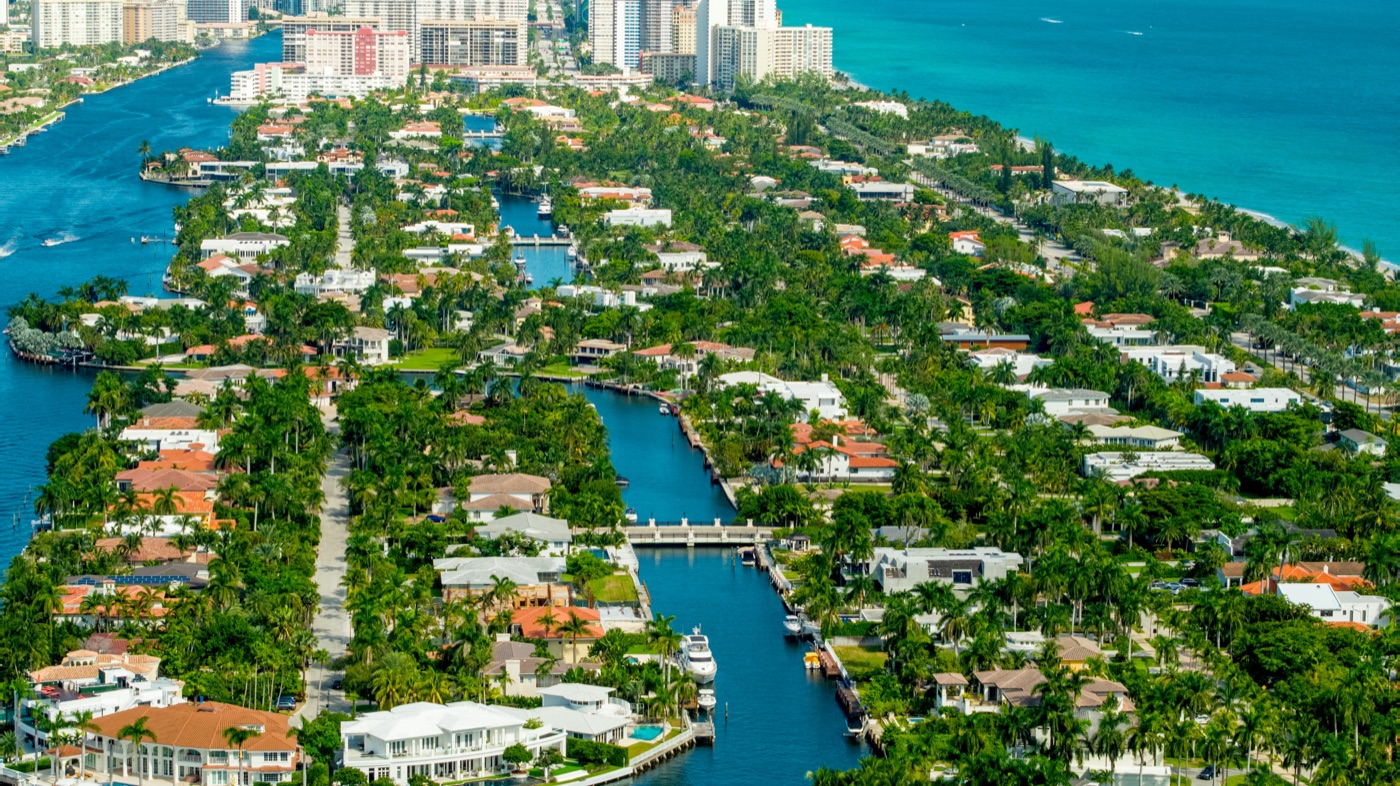
Miami is not a single market. It is a collection of micro-markets, each with its own inventory levels, buyer competition, and pricing logic. What works in a negotiation in Kendall will not necessarily work in Brickell, and what flies in Edgewater may fall flat in Coral Gables. I have been guiding buyers through this city for years, and the single biggest factor that separates buyers who get great deals from buyers who overpay or lose properties is preparation, not luck.
Most buyers arrive at the offer stage focused on one number: the list price. That is understandable, but it is the wrong place to start. The real negotiation in Miami real estate involves price, yes, but also closing timeline, financing contingencies, inspection terms, seller concessions toward closing costs, and personal property inclusions. Every one of these levers has real dollar value attached to it, and knowing how to use them together is what gives a skilled buyer a genuine edge.
In this post I want to walk you through the specific strategies I use with my clients, whether they are first-time buyers looking at condos under $500,000 in Midtown Miami, or international investors putting together a $3 million purchase in Key Biscayne or Bal Harbour. The fundamentals are the same. The execution is what changes. If you want to talk through your specific situation before you start shopping, call me directly at (954) 833-0020.
Ready to Make a Strong Offer in Miami?
I work with buyers at every price point across Miami-Dade and can help you negotiate the best possible terms. Hablamos Espanol. Call (954) 833-0020 to get started.
Call (954) 833-0020Understand the Market Conditions in Your Specific Neighborhood
Before you write a single word on a contract, you need to know whether you are negotiating from a position of strength or playing catch-up. Miami's market in 2026 is nuanced. Some corridors, like Sunny Isles Beach and parts of Brickell, still carry strong seller leverage because of limited waterfront inventory and continued demand from Latin American and European buyers. Other pockets, like certain mid-range condo buildings in Aventura or new construction in Doral, have seen inventory build up, giving buyers more room to negotiate.
I pull a 90-day absorption rate for every neighborhood before I advise a client on offer strategy. An absorption rate under four months typically signals a seller's market, meaning you need to be competitive and move quickly. An absorption rate over six months means inventory is sitting, sellers are getting antsy, and you have real leverage. In some Aventura buildings right now, units have been sitting 90 to 120 days, and I am regularly negotiating 5 to 8 percent below list price for buyers.
Do not skip this step. A buyer who walks into a competitive Coconut Grove single-family negotiation acting like they have all the leverage in the world will lose the deal. A buyer who timidly offers full price on a stale condo listing in North Miami Beach leaves real money on the table. Know your market before you make your move.
Explore on rangelyadames.com
Get Pre-Approved Before You Even Look at Listings
This is not a formality. In Miami, where cash buyers from Venezuela, Colombia, Brazil, Argentina, and Europe are a real and constant presence, a pre-approval letter from a reputable lender is your first tool for being taken seriously. Sellers and their listing agents see dozens of inquiries. A serious pre-approval, ideally from a local lender who can close in 30 days, puts you ahead of a financed offer from someone with a letter from an out-of-state bank.
I work with buyers at every financing level, from conventional 30-year mortgages on properties in Pinecrest and Coral Gables, to jumbo loans on luxury condos in Fisher Island and South Beach. The key in 2026 is getting a full underwrite pre-approval, not just a pre-qualification. A full underwrite means the lender has already reviewed your income documents, tax returns, and assets. When you submit an offer with that kind of letter, the seller knows you are a serious buyer who is not going to fall out at the financing stage.
If you are an international buyer using foreign income to qualify, the process is different, and I can connect you with lenders who specialize in exactly that. Call (954) 833-0020 and I will put you in touch with the right people before you start your search.
Use Comparable Sales, Not List Price, as Your Anchor
List price in Miami is a starting point set by a seller and their agent. It reflects their hopes, not necessarily the market. Your offer should be anchored in closed comparable sales from the last 60 to 90 days, adjusted for square footage, floor level if it is a condo, view, condition, and parking.
In Brickell high-rises, for example, the floor matters enormously. A unit on the 15th floor of a building like 1010 Brickell or SLS Brickell might sell for $650 per square foot while the same floorplan on the 40th floor sells for $800 per square foot. If a seller is pricing their 15th-floor unit at 40th-floor prices, you need comparable sales data to anchor the negotiation back to reality. That data is what I bring to every offer.
When I present an offer on behalf of a buyer, I include a brief comparable sales summary alongside the contract. This is not just a negotiation tactic. It shows the listing agent and seller that my buyer's offer is grounded in market facts, not just a lowball number. That credibility often makes the difference between a seller countering back seriously and a seller simply rejecting an offer outright.
Know Which Concessions to Ask For and When
Price is only one part of the deal. In Miami, especially on condos, there are several other concessions that can add up to significant savings. Here are the ones I negotiate most often for my buyers:
Asking for these concessions strategically is the key. In a slow market, I often go after closing cost contributions first, because they reduce your immediate cash outlay without forcing the seller into a big psychological shift on price. In a balanced market, I might ask for a longer inspection period or a credit for deferred maintenance instead.
Common concessions I negotiate for Miami buyers:
- Seller contribution toward buyer closing costs, typically 1 to 3 percent of the purchase price
- Credit for repairs identified during inspection, especially in older buildings built before 2000
- Inclusion of furniture or appliances, which is especially common in Sunny Isles and Bal Harbour luxury condos that are sold turnkey
- Extended or shortened closing timeline depending on the buyer's situation
- HOA transfer fee coverage, which can range from $500 to $2,500 in Miami condo buildings
- Free rent-back period for sellers who need extra time to vacate
- Reduction or waiver of the developer's capital contribution fee in new construction deals
- Assignment of existing rental tenants and leases if the property is currently income-producing
How to Handle Multiple Offer Situations Without Overpaying
Multiple offer situations happen even in a balanced market when a property is priced correctly and shows well. I see them regularly in Coconut Grove for well-maintained single-family homes, in Miami Beach for properties in the $1 million to $2 million range, and periodically in Edgewater for newer condos with water views.
When my buyers find themselves in a competitive offer situation, I do not just tell them to keep raising their number. That is how buyers overpay. Instead, I look at what other levers we can pull. A shorter inspection period, a larger earnest money deposit, and a proof-of-funds letter alongside the pre-approval can make your offer more attractive to a seller without simply being the highest price. Sellers care about certainty of close, not just the number.
I also pay close attention to what the seller actually needs. Sometimes a seller is more motivated by a specific closing date than by an extra $10,000 on the price. A buyer who can close in 21 days might beat out a higher offer from a buyer who needs 45 days. I call the listing agent before submitting every offer to understand the seller's priorities. That conversation, which most agents skip, gives me information I can use to structure the most attractive offer possible for my client.
The Inspection Period Is a Negotiation, Not Just a Formality
In Florida, the standard AS-IS contract gives buyers a default inspection period, typically 15 days, during which you can cancel for any reason and receive your deposit back. Most buyers think of the inspection as a pass-fail test. It is not. It is one of the most valuable negotiation windows in the entire transaction.
I advise my buyers to conduct a thorough home inspection, a wind mitigation inspection, a 4-point insurance inspection, and, on older properties in Miami Beach or Coconut Grove historic districts, a structural engineer report. These inspections regularly turn up deferred maintenance items that translate directly into negotiating credits. On a $1.2 million Coral Gables home I recently worked on, the inspection revealed an aging roof and outdated electrical panel. We negotiated a $35,000 credit from the seller rather than canceling the deal. Both sides won.
For condos, I also recommend pulling the building's most recent reserve fund study and meeting minutes before the inspection period expires. If the building is underfunded or there is a pending special assessment, that is a negotiating point. I have negotiated price reductions specifically because a condo building had a looming special assessment that the seller had not disclosed upfront.
The key is moving quickly. You have a limited window. Getting the inspector scheduled within the first two days of the inspection period gives you time to review results, consult with contractors for repair estimates, and bring a credit request back to the seller before the deadline.
Negotiating New Construction in Miami Is a Different Game
New construction negotiation requires a completely different approach than resale. Developers in Miami, especially on large pre-construction projects in Brickell, Edgewater, or downtown, rarely move on list price. They set prices carefully and protect them to maintain values for the buyers who already purchased earlier in the project. Cutting price for you would effectively devalue the units already under contract.
What developers will often negotiate on is everything else. I regularly help buyers secure upgrades at no cost, parking space upgrades, storage unit inclusions, extended deposit schedules, and waived developer closing fees that can otherwise add 1.5 to 2 percent to the total purchase cost. On a $2 million new construction condo, that is up to $40,000 in savings that never shows up in the headline price.
I also look at developer incentives that are available at specific moments in the sales cycle. Early in a project, developers are motivated to show momentum. Near the project's completion, they want to close out remaining units. Both of those windows can produce real concessions. If you are considering new construction anywhere from Wynwood to Aventura, call me before you walk into the sales office. Once you have signed the developer's contract without representation, I cannot help you negotiate. Call (954) 833-0020 first.
Work with an Agent Who Knows the Specific Market You Are Buying In
I want to be direct about this because I see it cost buyers money constantly. Miami is a city where relationships and local knowledge matter enormously. A listing agent who knows me, knows that I represent serious buyers who close, and knows that I have done deals in their building before, will be more likely to call me back, share useful information about the seller's motivation, and work with me to put a deal together.
If you are shopping in Bal Harbour or Surfside and your agent's entire experience is in Kendall, you are operating at a disadvantage. The buyer pool, the price drivers, the building-specific issues, and the negotiation norms are completely different. I focus on the markets I know deeply: Brickell, Coral Gables, Coconut Grove, Key Biscayne, Miami Beach, Edgewater, Aventura, Sunny Isles Beach, Bal Harbour, and the waterfront single-family market across Miami-Dade.
I also serve a large number of Latin American clients, and I conduct business entirely in both English and Spanish. Hablamos Espanol. If you or your family are more comfortable negotiating and reviewing documents in Spanish, that is exactly how we will work together. I have helped buyers from Colombia, Venezuela, Mexico, Peru, Argentina, and Brazil purchase everything from investment condos to primary residences in Miami, and I understand the specific questions and concerns that come with buying from abroad.
If you are ready to start your search or you simply want to understand what is realistic in your target neighborhood and price range, reach out to me directly. A 15-minute conversation can save you months of frustration and tens of thousands of dollars at the negotiating table. Call me at (954) 833-0020 and let's talk about what the Miami market looks like for you right now.
Let's Build Your Miami Buying Strategy Together
Whether you are buying your first condo in Brickell or your fourth investment property in Sunny Isles, I am here to guide every step of the negotiation. Call Rangely Adames at (954) 833-0020 today.
Related Articles
September 28, 2026 · 10 min read
Argentine Buyers Guide to Miami Real Estate: Process, Financing Themes, and Neighborhood Fit (2026)
Buying Miami real estate from Argentina is workable when you separate what your agent coordinates from what your attorney, CPA, and lender decide. This support guide walks through the process, financing themes, remote closing, and neighborhood fit, then points you to the Argentina foreign-buyer hub for next steps.
Read article →February 2026 · 9 min read
Aventura Real Estate Guide: Condos, Schools & Lifestyle (2026)
Luxury high-rises, top-rated schools, and the Aventura Mall — why families and investors love this North Miami suburb.
Read article →February 2026 · 9 min read
Airbnb Investment Properties in Miami: Rules, ROI & Best Areas
Short-term rental regulations, income projections, and the best Miami neighborhoods for Airbnb investing.
Read article →