How to Buy and Sell a Miami Condo in the Same Market (2026)
By Rangely Adames • May 2026 • 11 min read
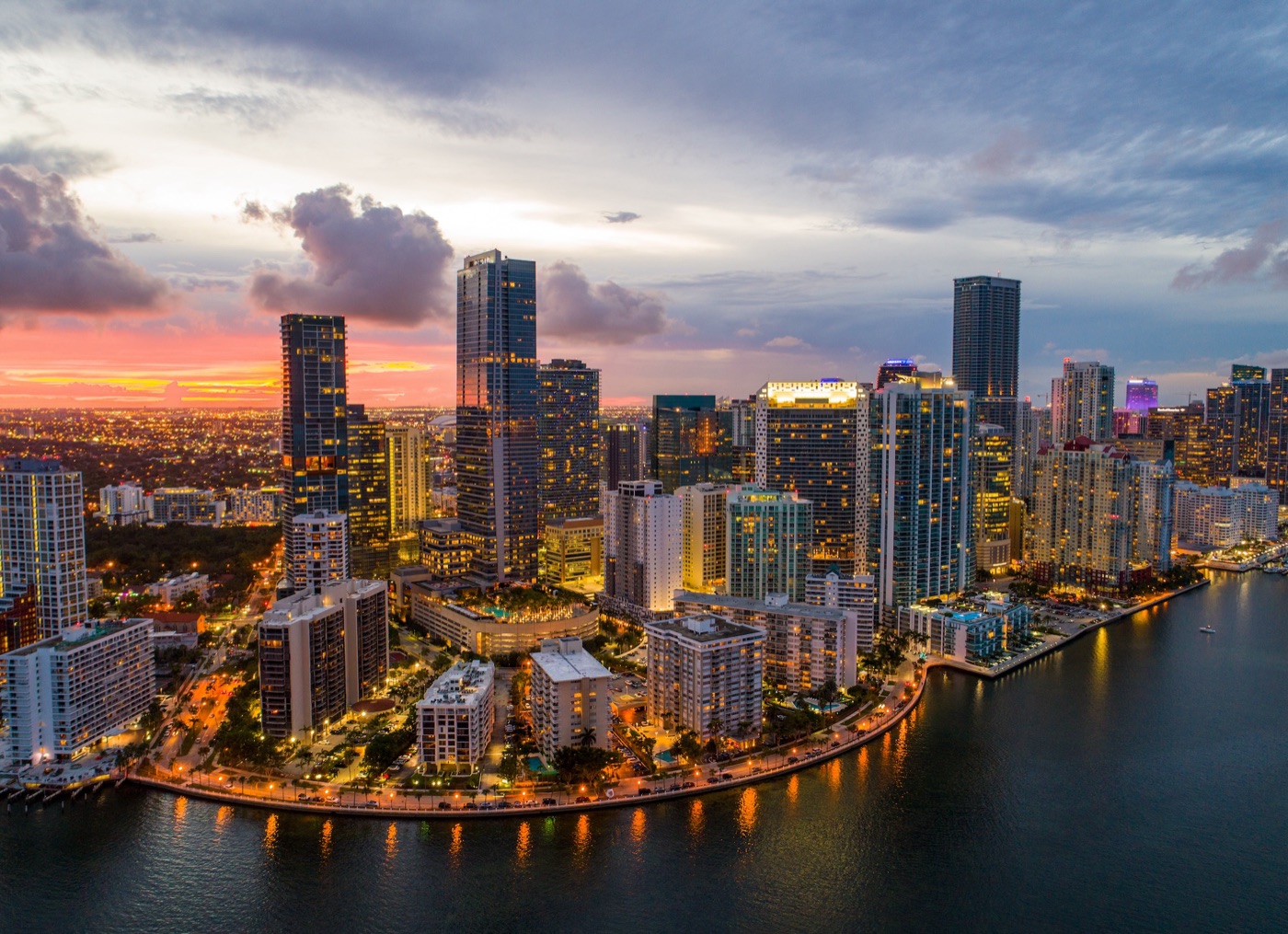
Almost every week I talk to a client who owns a condo in Brickell, Edgewater, or Sunny Isles and wants to move up to something larger, move to a different neighborhood, or cash out and buy a single-family home in Coral Gables or Pinecrest. The challenge is always the same: they need to sell what they have before they can confidently buy what they want, but they are terrified of being left without a place to live, or worse, being forced to sell at a discount because they already committed to a purchase.
I have been handling transactions on both sides of this equation in Miami for years. The good news is that a coordinated buy-and-sell strategy is absolutely doable in this market. The bad news is that it requires real planning, a clear-eyed look at current inventory, and an agent who knows how to structure contingencies and timelines that actually protect you. This guide walks through exactly how I approach it with my clients.
Whether you are moving from a studio in Midtown Miami to a two-bedroom in Key Biscayne, or trading a waterfront unit in Aventura for a house in Coconut Grove, the fundamentals are the same. Timing, liquidity, and negotiation leverage are everything. Let me break it all down.
Ready to Plan Your Move in Miami?
Whether you are selling a condo in Brickell or buying a home in Coral Gables, I can help you coordinate both sides of the transaction with confidence. Hablamos Espanol. Call (954) 833-0020 to get started.
Call (954) 833-0020Why the Miami Condo Market Makes This Especially Complicated
Miami is not a typical real estate market. We do not have the kind of slow, predictable seasonality you see in the Northeast or Midwest. Inventory can shift fast. A building in Brickell that had 40 active listings in January might tighten to 12 by March if a wave of international buyers arrives during Art Basel season or a new development sells out and pushes demand toward resale units.
What this means practically is that the window between listing your current condo and finding the right replacement property can be shorter or longer than you expect. In my experience, clients who start with a plan based on national real estate averages get surprised. Miami operates on its own rhythm, and that rhythm is influenced by Latin American currency movements, interest rate policy in the United States, seasonal migration from the Northeast, and the continued arrival of financial and tech firms relocating to Brickell and the Miami Beach area.
Right now, in mid-2026, well-priced condos in the $600,000 to $1.2 million range in neighborhoods like Edgewater and Wynwood are moving in under 45 days on average. Meanwhile, the luxury tier above $2 million in buildings like Porsche Design Tower in Sunny Isles or One Thousand Museum in downtown Miami can sit 90 to 180 days. That gap matters enormously when you are trying to synchronize two transactions.
Explore on rangelyadames.com
Step One: Get a Realistic Valuation of What You Are Selling
Before you do anything else, you need an honest, data-backed number for your current unit. Not Zillow. Not what your neighbor sold for two years ago. A real comparative market analysis based on closed sales from the last 90 days in your specific building and on comparable floors with comparable views.
I always tell clients that condo valuations in Miami are more granular than in almost any other city. In a high-rise building in Brickell, a unit on the 30th floor with a direct bay view can be worth 20 to 30 percent more than an identical floor plan on the 10th floor facing the parking garage. HOA fees also affect buyer appetite. A building with fees above $2,500 per month will have a narrower pool of buyers than one at $1,100 per month, even if the list prices look similar.
I also look at the building's reserve fund health and any pending special assessments. After the Surfside collapse in 2021 and the resulting condo legislation, buyers in Miami are doing far more due diligence on building financials than they were five years ago. If your building has a milestone inspection coming up or a reserve study showing underfunding, that will affect how we price and how we market the unit.
Step Two: Know What You Are Buying Before You List
This is the step most people skip, and it costs them. They list their condo, get it under contract quickly, and then scramble to find something to buy in a neighborhood they have not properly researched. The result is pressure-driven decisions: they overpay, they compromise on must-haves, or they blow up the sale because they cannot find a place in time.
What I recommend instead is running a parallel search. Before your condo hits the market, spend two to three weekends actively touring properties in the neighborhoods you are targeting. If you are moving from a high-rise in Sunny Isles to a single-family home in Pinecrest or South Miami, you need to understand what $1.5 million actually buys you there today. In Pinecrest, that budget gets you roughly 2,200 to 2,800 square feet on a good lot, likely built in the 1980s or 1990s, possibly needing some updates. In South Miami near Sunset Drive, you might find a newer build or a renovated mid-century at that price, but inventory is tight.
Doing this research before you list means you can move fast once your unit goes under contract. Speed is leverage in a negotiation, and sellers of replacement properties respond well to a buyer who has already done their homework and can close in 30 to 45 days.
The Three Main Strategies for Coordinating Both Transactions
There is no one-size-fits-all approach here. The right strategy depends on your financial position, your risk tolerance, and the specific dynamics of the neighborhoods involved. These are the three main paths I walk clients through.
Here are the three strategies I use most often to coordinate a simultaneous buy and sell in Miami:
- Contingent offer with a sale contingency: You make an offer on your new property contingent on the sale of your current condo. This protects you from carrying two properties, but it weakens your negotiating position. Sellers in competitive segments of the Miami market, particularly below $1 million in Brickell and Edgewater, will often reject this outright or demand a kick-out clause giving them 72 hours to accept a better offer.
- Sell first, rent short-term, then buy: You close on your current unit, move into a furnished rental in Coconut Grove, South Beach, or Aventura for two to four months, and then buy without pressure. This is my recommended path for clients who are moving between very different property types, like condo to single-family. The flexibility is worth the inconvenience.
- Bridge loan or HELOC to buy first, then sell: If you have significant equity in your current condo, some lenders will extend a bridge loan or a home equity line of credit that lets you close on the new property before your old one sells. Interest rates on bridge loans are typically 1 to 2 points above conventional rates, so the cost is real. But for clients who find a genuinely exceptional property and do not want to lose it, this can be the right move. I work with several South Florida lenders who specialize in this structure.
How Neighborhood Dynamics Affect Your Timeline
Miami is a city of micro-markets. The strategy that works in Aventura will not necessarily work in Fisher Island or Little Havana. Understanding the absorption rate in your specific neighborhood, meaning how many months of inventory are currently available, is critical to setting realistic expectations.
In Aventura right now, condo inventory in the $400,000 to $800,000 range is relatively healthy, with about 3.5 to 4.5 months of supply. That means your unit will sell, but you may need to be patient and price it correctly. In Bal Harbour, the luxury segment above $3 million has closer to 9 to 12 months of supply, so sellers there need to be realistic about time and price. In Edgewater, where newer buildings like Missoni Baia and Aria on the Bay attract younger buyers and investors, well-priced two-bedrooms are moving fast and multiple offer situations still happen.
On the buy side, I always look at what is coming to market in the next 60 to 90 days, not just what is listed today. Developers in areas like the Miami River corridor, the Arts District, and parts of North Brickell are delivering new inventory on a rolling basis. For buyers who are flexible on move-in timing, pre-construction or developer closeout units can sometimes be negotiated with extended closings that align perfectly with the sale of their current home.
Negotiating the Gap: Rent-Back Agreements and Extended Closings
One of the most useful tools in a simultaneous transaction is a rent-back agreement. This is an arrangement where you sell your condo but negotiate the right to stay in the unit for 30 to 60 days after closing while you finalize the purchase of your new home. The buyer takes ownership on the closing date, and you pay them a daily rate, usually based on their carrying costs, to remain in the unit as a tenant.
Rent-backs are more common and more accepted in Miami than many people realize, particularly in the luxury and mid-luxury condo segment. Buyers who are investors, or who are relocating from out of state and need time to set up their own move, are often agreeable. I have negotiated rent-backs of 30 days in Brickell units selling at $750,000 and 45-day arrangements on Coral Gables townhouses near Miracle Mile.
Alternatively, if you are the buyer in the second transaction, you can often negotiate a delayed closing or an extended inspection period that gives your own sale time to close first. A seller who is motivated and has a well-priced property will sometimes accept a 60-day close instead of the standard 30 days if you make the offer price and other terms attractive enough. I have closed many deals this way, and it avoids the complexity and cost of a bridge loan entirely.
Tax and Financial Considerations You Cannot Ignore
Selling a Miami condo triggers several financial events that need to be planned for in advance. The most significant for most of my clients is capital gains tax. If you have owned the unit for more than a year, you are subject to long-term capital gains rates, which range from 0 to 20 percent federally depending on your income, plus Florida has no state income tax, which is one reason Miami remains attractive for investors.
If the condo you are selling is your primary residence and you have lived in it for at least two of the last five years, you may exclude up to $250,000 in gain as a single filer or $500,000 as a married couple. This exclusion is significant if you bought in Edgewater in 2017 and have seen substantial appreciation. However, if you have rented the unit out at any point, the calculation gets more complex and you need a CPA to run the numbers, not just a real estate agent.
Florida's homestead exemption is also something to coordinate carefully. If your current condo is your primary residence and benefits from a Save Our Homes assessment cap, you may be able to port that tax savings to your new home through a process called portability. You have up to three years from the date you leave your current homesteaded property to apply that portability to the new one. On a home in Coral Gables or Pinecrest with a taxable value of $1.4 million, portability can reduce your annual property tax bill by $3,000 to $6,000 per year, sometimes more. This is money worth protecting, and timing your transactions accordingly can make a real difference.
What to Look for in an Agent to Handle Both Sides
Some buyers and sellers assume they need two different agents, one to handle the sale and one to handle the purchase. In most cases, I believe working with a single agent who can see both transactions together is a significant advantage. The agent who listed your Brickell unit understands your financial constraints, your timeline pressures, and your priorities on the buy side. That knowledge creates better decisions at every step.
What you want to look for is an agent with active experience on both sides of the transaction in the specific neighborhoods you are working in, not just general Miami experience. If you are selling in Sunny Isles and buying in South Miami, you want someone who has closed deals in both areas recently, understands the specific building rules, HOA cultures, and pricing dynamics in each place.
I work with clients throughout Miami-Dade and Broward, and I handle all aspects of the coordinated buy-and-sell personally. I am not handing your file to a team member you have never met. My clients also appreciate that I am fully bilingual. Many of my clients are from Venezuela, Colombia, Argentina, Brazil, and other parts of Latin America, and being able to discuss the nuances of a contract in Spanish, or explain the implications of a reserve study line by line without anything getting lost in translation, matters. Hablamos Espanol, and that is not just a courtesy. It is a commitment to real communication at every step of the process. If you are planning a move and want to talk through whether a simultaneous buy-and-sell makes sense for your situation, call me at (954) 833-0020.
Let's Map Out Your Miami Real Estate Move
Every simultaneous buy-and-sell is different, and the right strategy depends on your specific building, neighborhood, and financial situation. Call me at (954) 833-0020 and let's build a plan that protects your equity and gets you into the right home.
Related Articles
September 28, 2026 · 10 min read
Argentine Buyers Guide to Miami Real Estate: Process, Financing Themes, and Neighborhood Fit (2026)
Buying Miami real estate from Argentina is workable when you separate what your agent coordinates from what your attorney, CPA, and lender decide. This support guide walks through the process, financing themes, remote closing, and neighborhood fit, then points you to the Argentina foreign-buyer hub for next steps.
Read article →February 2026 · 9 min read
Aventura Real Estate Guide: Condos, Schools & Lifestyle (2026)
Luxury high-rises, top-rated schools, and the Aventura Mall — why families and investors love this North Miami suburb.
Read article →February 2026 · 9 min read
Airbnb Investment Properties in Miami: Rules, ROI & Best Areas
Short-term rental regulations, income projections, and the best Miami neighborhoods for Airbnb investing.
Read article →