What Actually Drives Condo Resale Value in Miami (2026)
By Rangely Adames • June 2026 • 11 min read
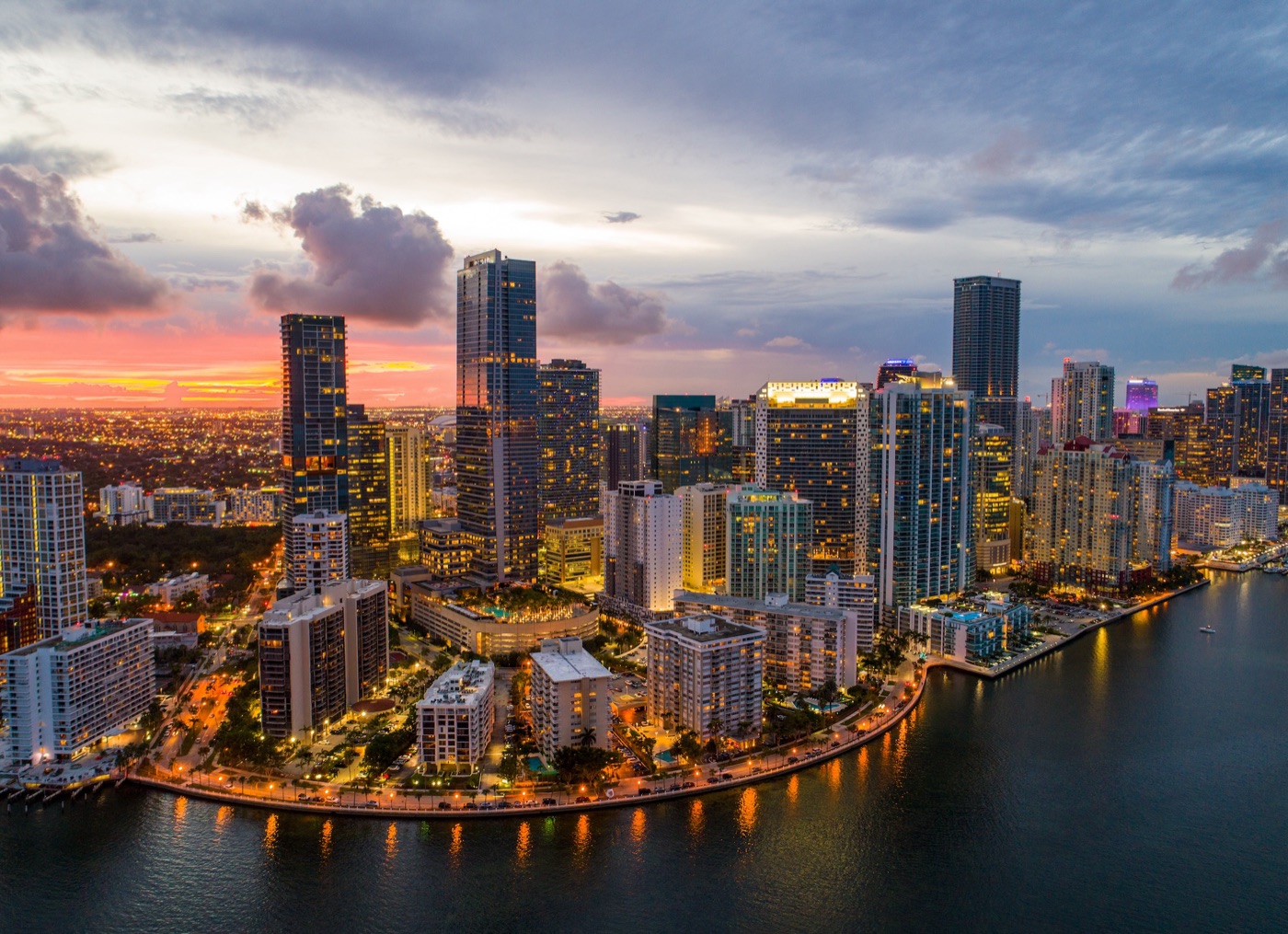
I get asked a version of this question almost every week: "Rangely, will this condo hold its value?" It sounds simple, but the honest answer requires looking at a lot more than the view from the balcony or the finishes in the kitchen. Miami is a market where two condos in the same zip code, priced within $50,000 of each other, can perform very differently over a five-year hold. Understanding why that happens is one of the most valuable things I can share with buyers and investors.
After years of working with clients across Brickell, Edgewater, Sunny Isles, Miami Beach, Coconut Grove, and Coral Gables, I have seen which buildings consistently attract repeat buyers and which ones quietly pile up days on market. The difference almost never comes down to one single thing. It is almost always a combination of building fundamentals, location sub-factors that most buyers overlook, and decisions made at the time of purchase that either protect or erode future value.
This guide is for buyers who want to purchase smart, sellers who want to understand what drives their number today, and investors who need more than gut instinct before committing. Whether you are relocating from New York, buying from abroad, or already living in Miami and thinking about your next move, these factors apply to you. Hablamos Espanol, and I work with clients across the full spectrum of the Miami market every day.
Not Sure If a Building Is Worth It?
I review condo financials, reserve studies, and resale comps for my clients before every offer. Call me at (954) 833-0020 to get a straight answer. Hablamos Espanol.
Call (954) 833-0020Building Age and Recertification Status Matter More Than Ever
Since the Surfside collapse in 2021 and the state legislation that followed, building recertification has moved from a background concern to a front-and-center resale factor. Florida now requires 40-year recertifications for buildings three stories or taller, and many counties have added their own timelines on top of that. In Miami-Dade, buildings near the coast face some of the strictest structural and electrical inspection requirements in the country.
When I run comps for a client considering a unit in an older building, one of the first things I look at is the recertification history. A building that has completed its 40-year or 50-year recertification cleanly, with no outstanding violations and a funded reserve, is a completely different investment than one that is still working through the process or has deferred major repairs. The latter creates real risk of a special assessment landing on the new owner within a year or two of closing.
Newer buildings, generally those constructed after 2010, tend to carry lower immediate recertification risk, but they come with their own concerns around warranty periods, developer punch-list items, and how well the HOA was structured at turnover. In my experience, buildings in the 15 to 25 year range that have been well-maintained and have strong reserves are often the sweet spot for resale value stability.
Explore on rangelyadames.com
Location Within a Neighborhood Is Not the Same as the Neighborhood Itself
People say "location, location, location" so often that it has lost most of its meaning. What I tell my clients is that micro-location within a neighborhood matters as much as the neighborhood name on the listing. Brickell is a great example. A unit at a building on Brickell Avenue facing the bay is a very different investment from a unit three blocks west facing a parking garage, even though both addresses say Brickell.
In Edgewater, buildings directly on Biscayne Bay command a premium that inland buildings on Northeast 2nd Avenue simply do not, even with comparable finishes. In Sunny Isles Beach, floor and view orientation within a building can create a $200 to $400 per square foot difference between units that are technically in the same development. Collins Avenue frontage versus an intracoastal view versus a city view all price differently and sell at different velocities.
Walkability is another micro-location factor that has grown significantly in importance. Buildings within a short walk of Brickell City Centre, the Design District, Wynwood, or Lincoln Road in Miami Beach tend to attract a wider buyer pool, which supports both resale prices and rental demand. I always look at what is walkable from a specific building, not just the neighborhood it sits in.
HOA Financial Health Is a Resale Multiplier or a Liability
The HOA is not just a monthly expense. It is a direct reflection of how well the building is managed, how funded the reserves are, and how likely a buyer is to face surprise costs after they close. Lenders know this, which is why buildings with underfunded reserves or pending litigation can lose conventional financing eligibility entirely. When a building goes non-warrantable, the buyer pool shrinks dramatically and prices adjust downward to match.
I have had transactions fall apart at the due diligence stage because the condo questionnaire revealed reserve funding below 10 percent of the required threshold. That kind of finding does not just affect the deal in front of me. It signals that the building has a structural problem that will weigh on every future sale until the association corrects it, which can take years.
Before my clients make an offer in any Miami building, I walk them through the most recent financials, the reserve study, the meeting minutes from the last 12 months, and any pending or active litigation. In buildings with monthly HOA fees above $1,500 per month, which is common in luxury towers in Brickell, Bal Harbour, and Fisher Island, I also look at the fee history to see how aggressively assessments have been raised and whether the board has a track record of proactive versus reactive maintenance.
Floor, View, and Orientation Are Not Interchangeable
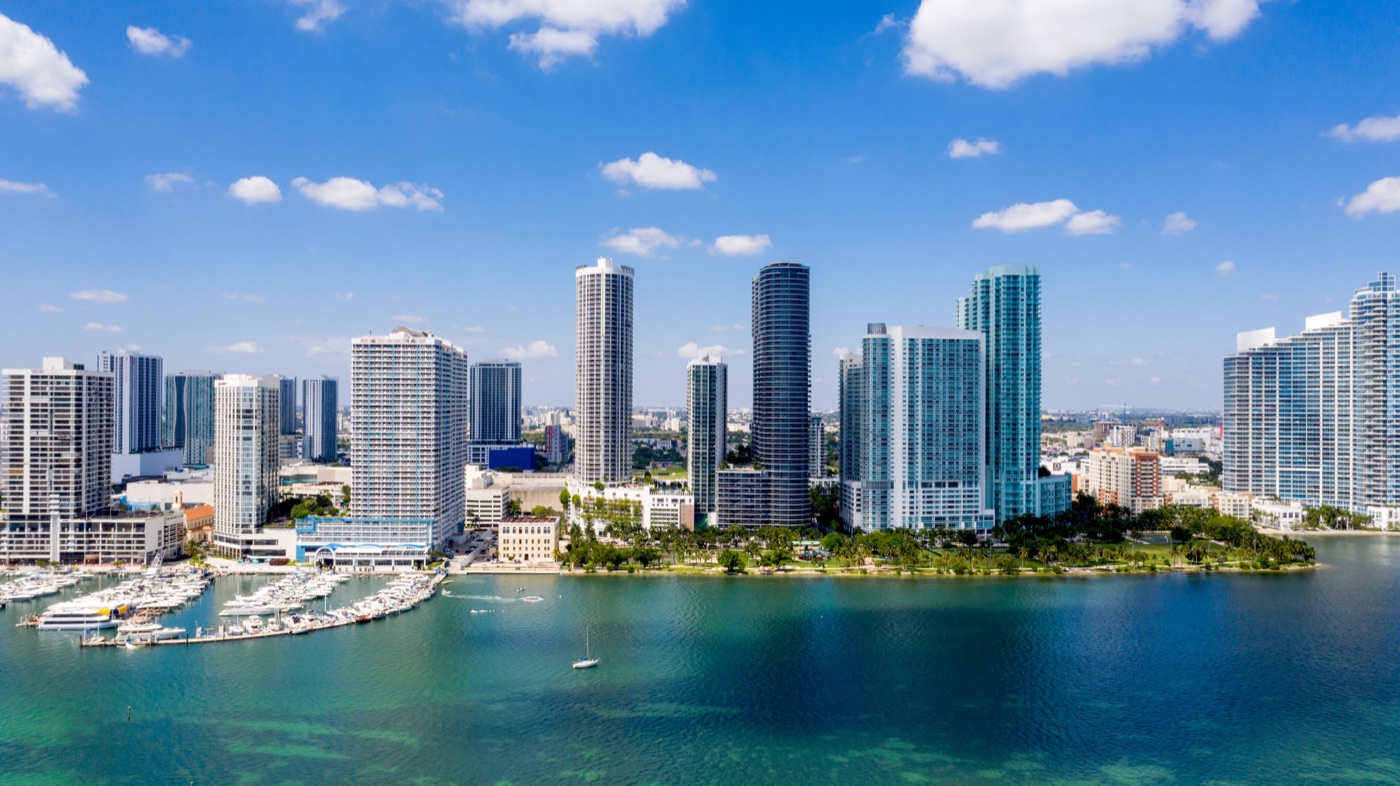
In a market where buyers often purchase units before the building is finished, floor and view selection can lock in or undermine resale value before you ever take possession. I work with a lot of pre-construction buyers, and one of the things I spend the most time on is helping them understand which stack in a building performs best at resale and why.
Generally speaking, units on higher floors with unobstructed bay, ocean, or city skyline views appreciate faster and sell quicker than lower-floor units in the same building. In towers along Collins Avenue in Sunny Isles or the Porsche Design Tower and Armani Casa in the area, the difference between a 10th floor unit and a 40th floor unit with the same layout can be $500,000 or more. That gap tends to widen over time rather than narrow.
Southeast-facing units in Miami benefit from cross breezes and natural light without the intense western afternoon heat, which reduces energy costs and is a selling point buyers notice. Corner units with wraparound terraces consistently outperform interior units at resale because they offer a living experience that cannot be replicated elsewhere in the building. When my clients ask me which unit to buy in a given building, I always factor in which one I would find easiest to sell five years from now.
Developer and Building Brand Reputation Drive the Premium Buyer Pool
Not all condo buildings in Miami are created equal, and the brand attached to a development carries real weight at resale. Buildings by developers like Related Group, Ugo Colombo, Vladislav Doronin, and Terra have established track records of quality construction and design that attract international buyers willing to pay a premium. When you purchase in a well-branded building, you are buying into a reputation that marketing cannot easily replicate.
Branded residences have become a significant segment of the Miami luxury market. Buildings like the Four Seasons Residences in Brickell, the St. Regis Bal Harbour, and the soon-to-deliver Baccarat Residences carry hospitality brand names that mean something specific to a global buyer audience. These buyers do not need to know much about Miami to understand the quality signal those names represent, and that broadens the international buyer pool at resale in a meaningful way.
Conversely, buildings developed by less experienced or financially stretched developers can struggle at resale even when the units themselves look attractive. I have seen buildings where construction defects, deferred common area maintenance, or poor initial HOA setup created a drag on values that persisted for a decade. The developer's track record is not a minor footnote. It is a major factor I research before recommending any building to a client.
Rental Restriction Rules Shape Your Exit Options
One of the most common mistakes I see buyers make, particularly investors and second-home buyers, is not reading the rental restrictions before they close. Miami condo buildings vary enormously in what they allow. Some buildings in Brickell and Edgewater permit rentals with a minimum 30-day term, which keeps options open for both long-term and medium-term rental strategies. Others restrict rentals to once per year with a 12-month minimum, which eliminates flexibility and shrinks the investor buyer pool at resale.
Short-term rental rules are even more consequential. Miami Beach, for example, has aggressive enforcement against unlicensed short-term rentals, with fines that can reach $20,000 per day in certain areas. Buildings that are properly licensed and permit short-term rentals, or that operate as condo-hotels, carry that licensing as a premium feature because it opens a revenue stream that most buildings cannot offer.
When I advise clients on resale strategy, I always ask them to think about who will buy this unit from them in five to ten years. If the rental restrictions make the unit unattractive to investors and the price point is above what a primary-residence buyer typically looks for in that neighborhood, the exit can be slow and costly. Matching your purchase to the realistic future buyer pool is one of the most practical things you can do to protect resale value.
Key Factors I Check Before Recommending Any Building
Over the years I have developed a consistent checklist I run through before recommending a specific building to any buyer or investor. These are the items that most often predict whether a unit will be easy or hard to sell down the road.
Here is what I look at before recommending a condo building to a client:
- Reserve funding percentage: ideally above 70 percent of the required threshold, with a recent reserve study on file
- Pending or active litigation involving the association, the developer, or the building's structural systems
- Percentage of units that are owner-occupied versus investor-owned, since lenders often require at least 51 percent owner-occupancy for conventional financing
- Any open building violations with Miami-Dade or Miami Beach code enforcement
- The building's recertification status and the timeline for any upcoming required inspections
- Special assessment history over the last five years, including amounts per unit and what was funded
- Rental restriction language in the declaration of condominium, not just the association rules, since the rules can change but the declaration requires unit owner votes
- Developer track record for this specific building and comparable completed projects
- Recent sales velocity, meaning how long units are sitting before going under contract
- HOA fee trends over the last three years and whether increases have kept pace with actual maintenance needs
Timing Your Purchase in the Miami Market Cycle
Miami real estate moves in cycles that are influenced by interest rates, Latin American capital flows, and broader U.S. economic conditions. The market behaved very differently in 2020 through 2022, when remote work migration and ultra-low rates drove prices up sharply across Brickell, Coconut Grove, and Miami Beach, than it did in 2018 and 2019, when inventory was higher and buyers had more negotiating room.
In 2026, the luxury condo market above $2 million is showing selective softness in buildings where inventory has grown, particularly in pre-construction towers where a large number of units are being released simultaneously. Below $1 million, well-located buildings with clean financials in neighborhoods like Edgewater, Midtown, and parts of Wynwood are still seeing competitive offer situations. Knowing which segment of the market you are buying into matters enormously for both entry price and resale trajectory.
My general advice to buyers thinking about long-term value: do not stretch to the top of your budget in a building with financial red flags just because the price feels right today. A building with strong fundamentals purchased at a slight premium will almost always outperform a discounted unit in a building with deferred maintenance and a struggling HOA. The discount you get at purchase can disappear quickly when the building issues become public knowledge and affect financing eligibility.
If you are thinking about buying or selling a Miami condo and want a clear-eyed read on whether a specific building is a strong long-term hold, call me directly at (954) 833-0020. I work with buyers and sellers across the full Miami market, from first-time condo buyers in Edgewater to international investors acquiring luxury units in Bal Harbour. Hablamos Espanol, and I am happy to walk through any building's financials with you before you commit.
Ready to Buy or Sell a Miami Condo?
Whether you are buying your first unit or evaluating an investment property, I bring specific building-level knowledge to every transaction. Call (954) 833-0020 and let's talk through your options.
Related Articles
February 2026 · 9 min read
Aventura Real Estate Guide: Condos, Schools & Lifestyle (2026)
Luxury high-rises, top-rated schools, and the Aventura Mall — why families and investors love this North Miami suburb.
Read article →February 2026 · 9 min read
Airbnb Investment Properties in Miami: Rules, ROI & Best Areas
Short-term rental regulations, income projections, and the best Miami neighborhoods for Airbnb investing.
Read article →July 2026 · 10 min read
Bay Harbor Islands Real Estate Guide: Homes, Condos & Market (2026)
Waterfront homes with private docks, boutique condos, and a top-rated K-8 school make Bay Harbor Islands one of Miami's best-kept secrets. A bilingual 2026 buyer guide with prices and consejos para compradores. Hablamos Espanol.
Read article →