Miami Condos vs. Single-Family Homes: Which Should You Buy in 2026?
By Rangely Adames • June 2026 • 12 min read
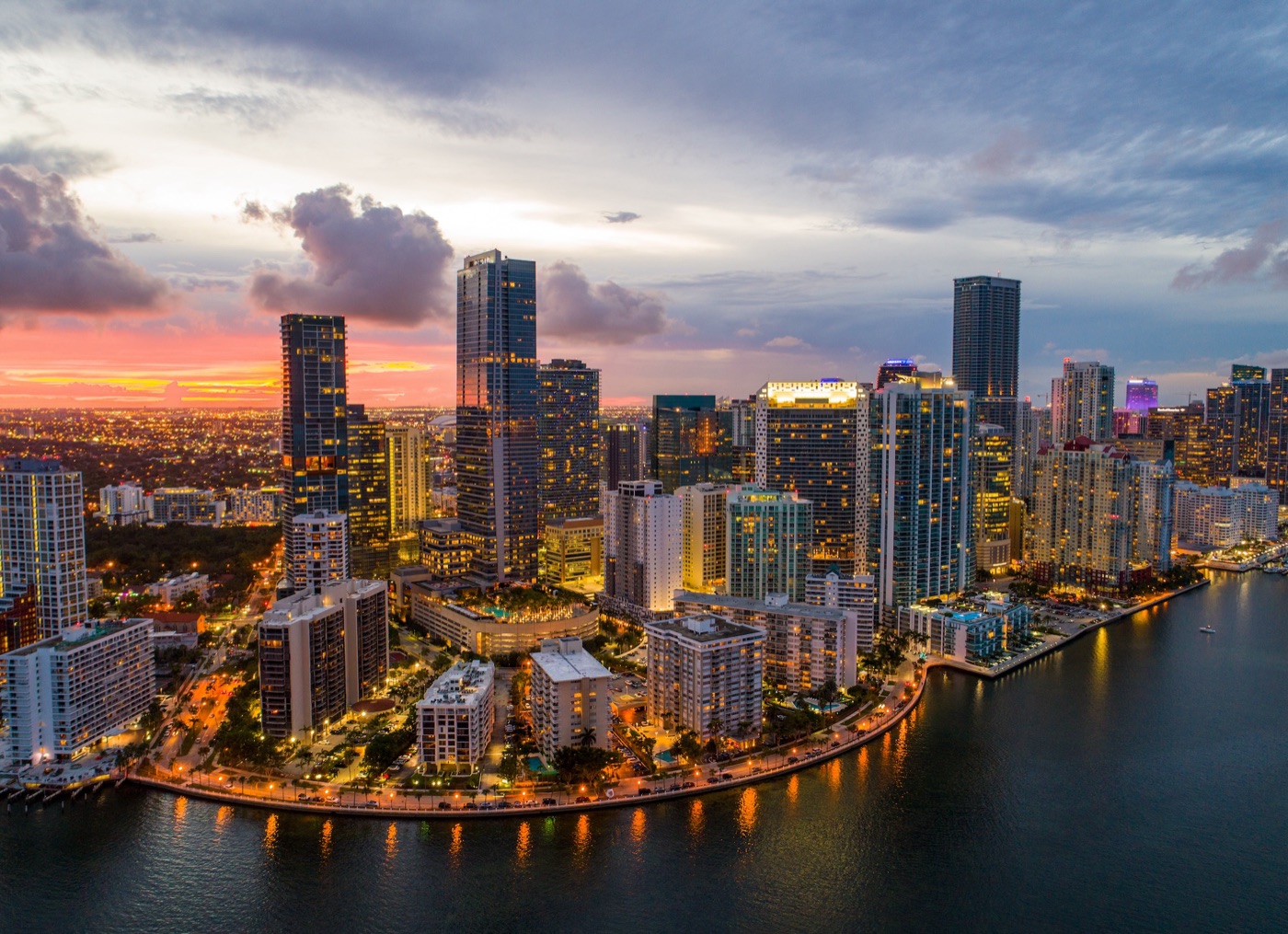
One of the most common questions I get from buyers right now is whether they should be looking at condos or single-family homes in Miami. It seems like a simple question, but the answer depends on your budget, your lifestyle, your timeline, and what you expect this purchase to do for you financially. The Miami market in 2026 is not treating these two asset classes the same way, and understanding that difference can save you real money.
I have been working with buyers and sellers across Miami for years, and I can tell you that the gap between condo market conditions and single-family market conditions has never been more pronounced than it is right now. Condo inventory is elevated in several submarkets, driven partly by new construction deliveries and partly by post-Surfside legislation that has increased costs for older buildings. Single-family home inventory, especially in desirable neighborhoods like Coral Gables, Coconut Grove, and Pinecrest, remains stubbornly tight. These are not the same market, and your strategy should reflect that.
In this post I want to walk you through the key differences between buying a condo and buying a single-family home in Miami today. I will cover pricing, appreciation trends, carrying costs, rental potential, and which neighborhoods make the most sense depending on what you are looking for. Whether you are a first-time buyer, someone relocating from New York or California, or a Latin American investor buying from abroad, this breakdown will help you make a more informed decision. Hablamos Espanol, and you can always reach me directly at (954) 833-0020 with any questions.
Not Sure Which Property Type Is Right for You?
I work with buyers, sellers, and investors across all of Miami's neighborhoods and can help you figure out exactly where your budget and goals align. Hablamos Espanol. Call me at (954) 833-0020 and let's talk.
Call (954) 833-0020Where Prices Stand Right Now
Let me give you real numbers because generalizations do not help anyone. In Brickell, condo prices in 2026 are averaging roughly $750 to $1,100 per square foot depending on the building, the floor, and whether the unit has been updated. That puts a 900-square-foot one-bedroom at somewhere between $675,000 and $990,000. A two-bedroom in the 1,300-square-foot range is often priced between $1 million and $1.4 million in a class-A building like SLS Lux or Brickell Heights.
Single-family homes in Coral Gables are a completely different conversation. Entry-level homes in Gables by the Sea or Old Cutler Road neighborhoods start around $1.6 million and climb to $5 million or more for properties with pools and larger lots. In South Miami and Pinecrest, you can find well-maintained three-bedroom homes on good lots starting around $900,000 to $1.2 million, though anything in move-in condition in a top school zone moves very quickly.
The important thing to recognize is that condos in Miami have a much wider price range, which means more entry points. You can buy a unit in Edgewater or Midtown for $450,000 to $600,000 and still be close to Brickell and Wynwood. That kind of access to a desirable urban location is simply not possible at that price point with a single-family home in Miami today.
Explore on rangelyadames.com
Appreciation Trends: Single-Family Homes Are Outperforming
When I look at year-over-year appreciation data across Miami-Dade County, single-family homes have consistently outperformed condos over the past three years. Part of this is simple supply and demand. You cannot build land. Once a neighborhood fills in, as Coconut Grove and Coral Gables essentially have, there is no new supply coming to soften prices. Buyers compete hard for every listing that comes to market.
Condos are a different story. Miami has added tens of thousands of new condo units in Brickell, Edgewater, and along the Sunny Isles corridor over the past decade, and the pipeline is not empty. When new construction delivers, it competes directly with existing resale units, which puts a ceiling on how fast older buildings can appreciate. In some Brickell buildings constructed between 2005 and 2012, prices today are only modestly above where they were at peak 2007 values.
That said, not all condos are created equal. Newer construction in established luxury corridors, particularly in Bal Harbour, Fisher Island, and South of Fifth Miami Beach, has appreciated significantly. Units in Estates at Acqualina in Sunny Isles, for example, have held value exceptionally well. The key differentiator is building quality, financial reserves, and scarcity. A condo in a financially strong building with limited rental restrictions in a premium location can absolutely be a strong appreciating asset.
The Real Cost of Ownership: HOA Fees and Assessments
This is the conversation I have with almost every buyer who has not yet owned a Miami condo. The purchase price is just the beginning. HOA fees in Miami condos range from about $600 per month in older mid-rise buildings all the way to $5,000 or more per month in ultra-luxury towers on the water. A typical full-amenity building in Brickell runs $1,000 to $1,800 per month. In Bal Harbour Towers, fees exceed $3,500 per month. These are recurring costs that directly affect your monthly carrying expense and your cap rate if you are renting the unit.
Since the Surfside building collapse in 2021 and the subsequent passage of Florida Senate Bill 4-D, older condo buildings are now required to complete structural inspections and fully fund reserve accounts. This is a good thing for safety, but it has created significant financial pressure on buildings that deferred maintenance for years. I have seen special assessments in the range of $30,000 to $150,000 per unit in some older buildings along Miami Beach and in the downtown corridor. Before you make an offer on any condo, I strongly recommend reviewing the most recent reserve study, the last two years of meeting minutes, and the current reserve funding percentage.
Single-family homes in Miami also come with carrying costs, but they are more within your control. Homeowners insurance has risen sharply in Florida, and depending on your flood zone, flood insurance can add $3,000 to $12,000 per year to your carrying costs. Property taxes in Miami-Dade County run at roughly 1.8 to 2.1 percent of assessed value annually before homestead exemption. If you qualify for and apply for homestead exemption, you cap your annual assessment increases at 3 percent, which is a meaningful long-term benefit that condos can also take advantage of for primary residences.
Rental Income Potential: Condos Lead for Short-Term, Homes Lead for Long-Term
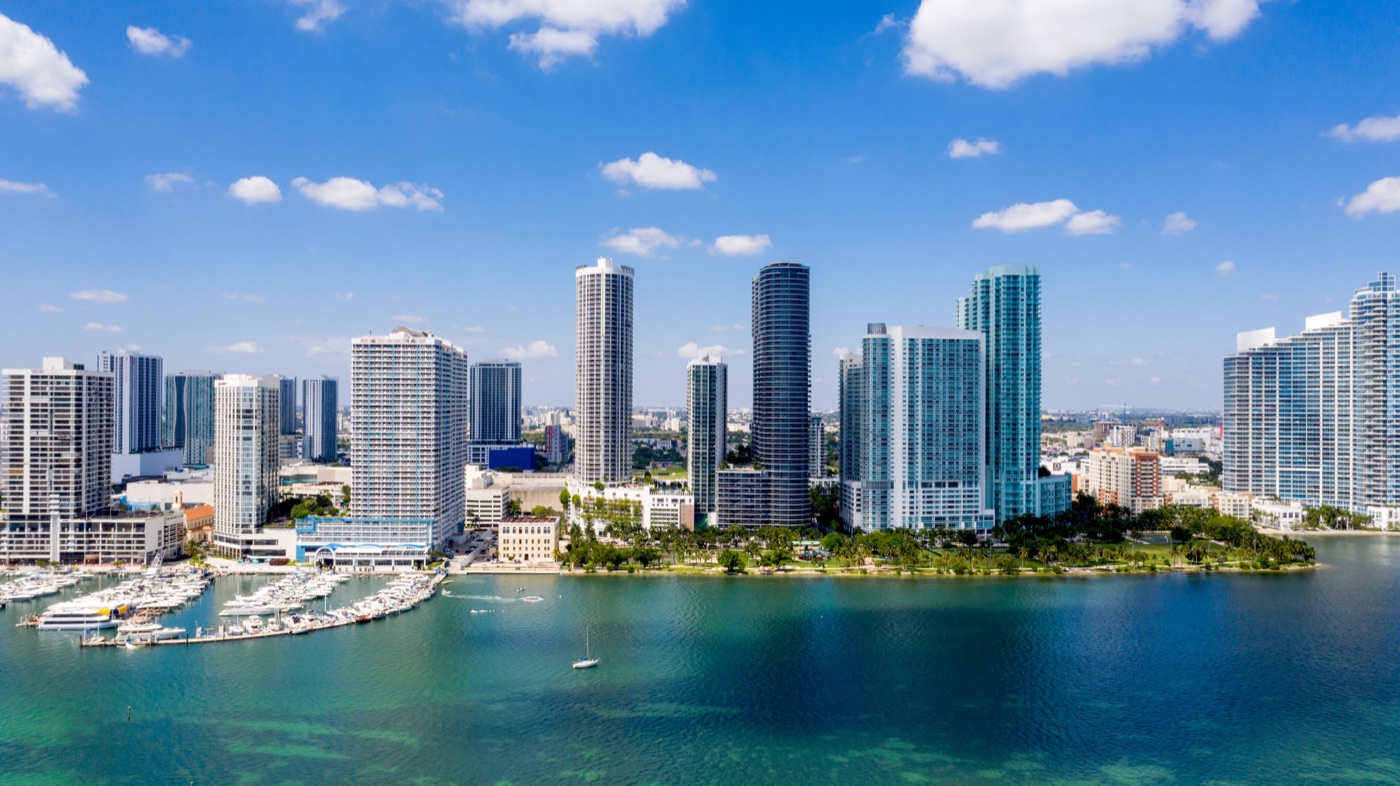
I work with a lot of investors who want income from their Miami real estate, and the rental strategy depends entirely on what type of property you own and where it is. Condos in Brickell, Wynwood, and Miami Beach are natural candidates for furnished short-term rentals, but you have to read the building rules carefully. Many full-service buildings in Brickell restrict rentals to a minimum of six or twelve months. Others, specifically designated condo-hotel buildings, allow nightly rentals but come with hotel-style management fees that significantly reduce net income.
If short-term rental income is your goal, look at buildings that specifically permit it and are close to major attractions. Properties near the Miami Beach Convention Center or in the South of Fifth neighborhood can generate strong Airbnb income, but check with the city. Miami Beach has enacted strict short-term rental regulations that limit where and how often units can be rented on platforms like Airbnb and VRBO.
Single-family homes tend to perform better as long-term rentals, particularly in suburban neighborhoods popular with families. A four-bedroom home in Kendall or Doral can rent for $4,500 to $6,500 per month on a twelve-month lease, which provides stable income without the turnover costs of short stays. In Coral Gables and Pinecrest, strong school districts drive long-term tenant demand year after year. I have clients with homes in these areas that have been rented continuously for five or more years to professional families relocating to Miami for work.
Which Miami Neighborhoods Favor Condos vs. Homes
Geography matters enormously in this decision. Miami is not one market. It is dozens of distinct submarkets, each with its own supply and demand dynamics, buyer profile, and price trajectory. Here is how I think about it based on the neighborhoods I work in most frequently.
Brickell and Edgewater are fundamentally condo markets. The neighborhood infrastructure, walkability scores, proximity to restaurants, and the general lifestyle are all oriented around vertical living. Single-family homes exist here but they are rare and usually priced at a significant premium. If you want to live or invest in these areas, you are buying a condo.
Coconut Grove and Coral Gables are primarily single-family markets with a strong luxury component. There are condo buildings in both neighborhoods, and some of them are excellent, but the majority of value creation and buyer demand is in detached homes. These neighborhoods attract buyers who want yards, garages, and walkable village-style commercial areas.
Sunny Isles Beach and Aventura split more evenly. Sunny Isles is dominated by high-rise condos along the Collins Avenue corridor, with properties ranging from $600,000 mid-rise units to $10 million plus penthouses in Porsche Design Tower or Estates at Acqualina. Aventura has strong condo demand as well as townhomes in gated communities that bridge the gap between the two property types.
Miami Beach is its own world. South Beach, Mid-Beach, and North Beach each have distinct buyer profiles. South of Fifth is arguably the most exclusive address in all of Miami and is almost entirely condos and small luxury buildings. North Beach and Surfside offer a mix of condos and single-family homes at prices that are more accessible than South of Fifth but still carry the Miami Beach premium.
What This Means for Foreign and Latin American Buyers
A significant portion of my clients come from Colombia, Venezuela, Argentina, Mexico, and Brazil. For international buyers, the condo vs. single-family decision has an additional layer of complexity. Foreign nationals buying condos in Florida do not face the same complications around land ownership that exist in some other countries, but there are financing differences that matter.
Most major U.S. banks will lend to foreign nationals on condos and single-family homes, but they typically require a larger down payment, often 30 to 40 percent, and the condo building itself has to meet certain warrantability standards. Fannie Mae and Freddie Mac conforming loans are generally not available to non-residents, so buyers are often working with portfolio lenders or making all-cash purchases.
For all-cash buyers, condos often represent the most efficient entry point because of the lower absolute price. A foreign buyer who wants exposure to Miami real estate and can spend $800,000 to $1.2 million in cash has dozens of strong condo options across Brickell, Edgewater, and Aventura. That same budget does not get you very far in the single-family home market in the most desirable neighborhoods. That said, if budget allows, I consistently advise international clients to consider single-family homes in Coral Gables or Pinecrest for long-term wealth building because land scarcity in those areas is a genuine advantage over time.
If you are purchasing from outside the United States and have questions about FIRPTA, title insurance, or the financing process, I have helped many clients navigate exactly these situations. Hablamos Espanol and you can reach me at (954) 833-0020 to discuss your specific situation.
Key Questions to Ask Before You Decide
Before I help any buyer choose between a condo and a single-family home, I walk through a set of questions that cut through the noise and focus on what actually matters for their situation. Here are the most important ones to consider.
The answers to these questions almost always point clearly toward one property type over the other. A buyer who travels frequently, wants no maintenance responsibility, and plans to hold for five years or fewer is almost always better served by a well-selected condo in a financially healthy building. A buyer who has children, plans to stay for ten or more years, and wants to build equity in a land-constrained neighborhood is almost always better served by a single-family home.
These are the questions I ask every buyer before we start touring properties:
- What is your realistic monthly budget including HOA fees, taxes, and insurance, not just the mortgage payment?
- Are you buying as a primary residence, a second home, or a pure investment?
- Do you plan to rent the property out, and if so, short-term or long-term?
- How long do you expect to own this property before selling or transitioning?
- Do you want to be in an urban walkable neighborhood or a quieter residential area with more space?
- Are school districts a factor in your decision, now or in the future?
- Are you comfortable with a condo board making decisions that affect your property, including special assessments?
- Is this purchase part of a broader investment strategy, or is lifestyle the primary driver?
My Honest Recommendation for 2026
If I am being direct with you, and I always am with my clients, the single-family home market in Miami is the stronger long-term bet in 2026 for anyone who can afford the entry point and plans to hold for five years or more. Supply is limited, demand from domestic and international buyers remains strong, and land in desirable neighborhoods like Coral Gables, Coconut Grove, and Pinecrest is genuinely finite. These are not factors that reverse easily.
That does not mean condos are a bad buy. It means you have to be selective. The condos I feel confident recommending to buyers right now are in buildings with fully funded reserves, no pending assessments, strong rental demand, and a clear scarcity advantage, meaning they are not surrounded by dozens of competing new construction towers delivering into the same market. A unit at a boutique building in South of Fifth, or in a well-run Aventura tower with strong owner-occupancy rates, can be an excellent asset.
The condos I would steer buyers away from in 2026 are older buildings with underfunded reserves in submarkets where there is abundant new inventory. These buildings face the double pressure of rising maintenance costs and competition from newer product, and that combination is very hard to overcome when you go to sell.
Whatever direction you are leaning, the most important step is working with someone who knows these buildings and these neighborhoods in detail, not just the general market. I have toured hundreds of properties across Miami-Dade and Broward and I can tell you that the difference between a strong purchase and a costly mistake often comes down to details that only show up when you dig into the specifics of a particular building or block. Call me at (954) 833-0020 and let us talk through what makes the most sense for your goals.
Ready to Start Your Miami Property Search?
Whether you are leaning toward a Brickell condo or a single-family home in Coral Gables, I can help you find the right property at the right price. Call Rangely Adames at (954) 833-0020 today.
Related Articles
February 2026 · 9 min read
Aventura Real Estate Guide: Condos, Schools & Lifestyle (2026)
Luxury high-rises, top-rated schools, and the Aventura Mall — why families and investors love this North Miami suburb.
Read article →February 2026 · 9 min read
Airbnb Investment Properties in Miami: Rules, ROI & Best Areas
Short-term rental regulations, income projections, and the best Miami neighborhoods for Airbnb investing.
Read article →July 2026 · 10 min read
Bay Harbor Islands Real Estate Guide: Homes, Condos & Market (2026)
Waterfront homes with private docks, boutique condos, and a top-rated K-8 school make Bay Harbor Islands one of Miami's best-kept secrets. A bilingual 2026 buyer guide with prices and consejos para compradores. Hablamos Espanol.
Read article →