Condo vs. Single-Family Home in Miami: Which Sells Faster in 2026?
By Rangely Adames • June 2026 • 11 min read
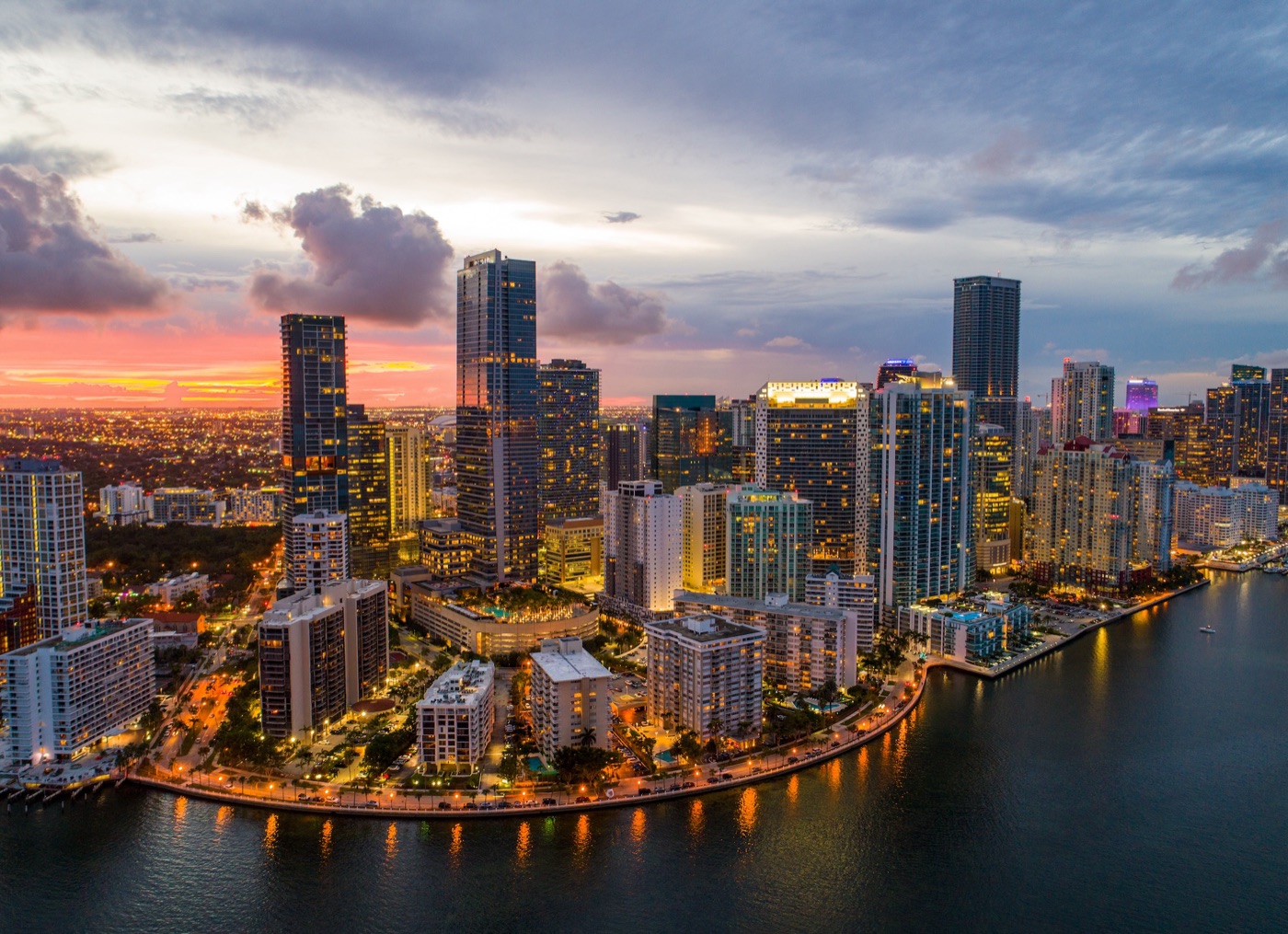
One of the most common questions I hear from sellers right now is: will my condo or my single-family home sell faster? It sounds like a simple question, but the answer depends heavily on where the property sits, what price point we are talking about, and who the likely buyer pool is. Miami is not a one-size-fits-all market, and 2026 has made that clearer than ever.
I have been working with buyers and sellers across Miami-Dade County for years, and right now the gap between condo performance and single-family home performance is one of the most interesting stories in local real estate. Condos in certain buildings and neighborhoods are sitting longer than they were in 2022 and 2023, while well-priced single-family homes in the right zip codes are still moving in days. But flip to a different neighborhood or price tier, and the story reverses completely.
In this post I am going to walk through the real patterns I see on the ground, neighborhood by neighborhood and product type by product type. Whether you are a seller trying to time your listing, a buyer deciding which asset class makes more sense, or an investor comparing returns, this breakdown will give you something concrete to work with. And if you want to talk through your specific property, call me directly at (954) 833-0020.
Not Sure Which Way to Price Your Listing?
I offer free comparative market analyses for both condos and single-family homes across Miami-Dade. Call (954) 833-0020 to talk through your specific situation. Hablamos Espanol.
Call (954) 833-0020The Big Picture: Where Miami's Market Stands in 2026
Miami's overall real estate market in 2026 is what I would describe as bifurcated. On one side, you have a condo market that is carrying more inventory than it has seen in several years, particularly in the under-$600,000 range and in buildings that are facing special assessment pressures or milestone inspection requirements under Florida's SB 4-D legislation. On the other side, single-family homes in desirable school zones and established neighborhoods are still seeing strong competition from buyers who have largely given up waiting for mortgage rates to fall.
Median days on market for condos across Miami-Dade has climbed to roughly 60 to 75 days in many submarkets, compared to 35 to 50 days for single-family homes in comparable price ranges. That is a meaningful difference if you are a seller who needs to close on a timeline. But those averages hide a lot of variation. A two-bedroom unit in a well-run Brickell building priced at $850,000 can still close in three weeks, while a three-bedroom home in a less sought-after part of Kendall might sit for 90 days.
The key driver of condo slowdown is not just inventory. It is buyer caution around building financials. Since the Surfside collapse and the subsequent changes to Florida condominium law, buyers are doing far more due diligence on reserve funds, pending assessments, and structural inspections before making offers. That adds friction to the condo transaction process and sometimes kills deals entirely, which inflates days-on-market statistics.
Explore on rangelyadames.com
Brickell and Edgewater: Where Condos Still Move
Not every condo market in Miami is sluggish. Brickell and Edgewater are two submarkets where well-positioned condo listings continue to attract motivated buyers, particularly international buyers and young professionals relocating from New York and California. In Brickell, newer buildings like SLS LUX, One Thousand Museum, and Brickell Flatiron maintain strong demand because they are newer, financially stable, and carry the kind of amenities that rental-market tenants are willing to pay a premium for.
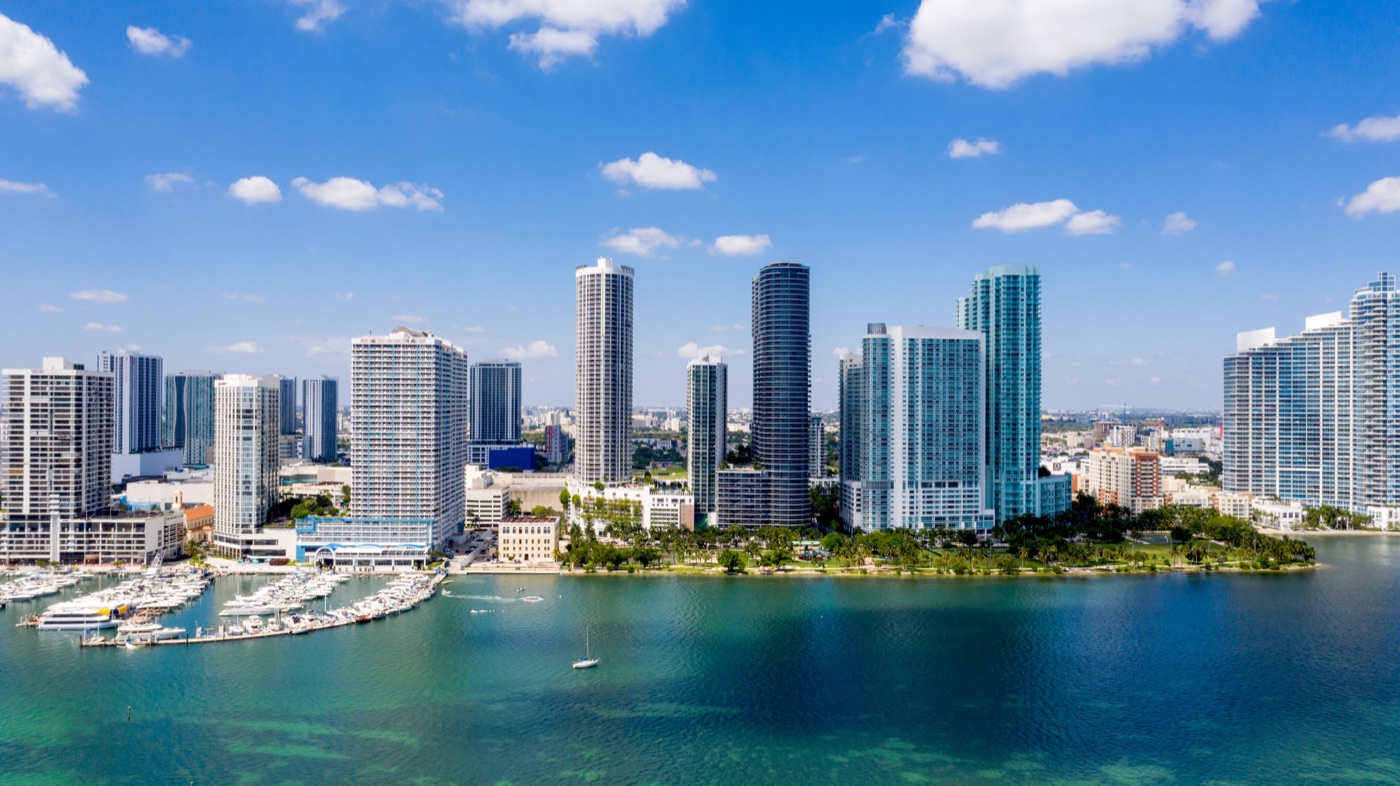
In Edgewater, the story is similar. Buildings along Biscayne Bay like Missoni Baia, Aria on the Bay, and Elysee attract buyers who want water views at a lower price per square foot than Miami Beach or Fisher Island. A two-bedroom unit in Edgewater in the $700,000 to $950,000 range is moving in roughly 30 to 45 days right now when it is priced correctly and the building financials are clean.
The phrase 'priced correctly' matters more in 2026 than it did two years ago. Sellers who are anchored to 2022 peak prices are the ones sitting on the market. Buyers have more choices now and they know it. I always advise my Brickell and Edgewater sellers to look at closed comps from the last 60 to 90 days, not the last 12 months, because the market has shifted enough that older data will mislead you.
Miami Beach: A Tale of Two Markets
Miami Beach is genuinely two separate markets operating side by side. South Beach condos, particularly older buildings in the $300,000 to $600,000 range, are seeing extended days on market and price reductions. Many of those buildings are carrying deferred maintenance, and post-Surfside scrutiny is scaring off buyers who do not want to inherit a special assessment six months after closing. I have seen sellers in some South Beach buildings reduce prices by 8 to 12 percent from original list before finding a buyer.
Mid-Beach and North Beach tell a different story. Buildings like Continuum South Beach, Faena House, and the newer Mid-Beach towers near Collins Avenue attract a buyer who is less price-sensitive and more focused on product quality and long-term value. Single-family homes on Miami Beach, particularly in the Sunset Islands and Venetian Islands area, are extremely limited in supply and move quickly when priced at market. A four-bedroom home on Sunset Islands can still generate multiple offers because the inventory is so thin.
The lesson for sellers on Miami Beach is straightforward: building quality and financial health matter more right now than location alone. A unit in a financially troubled building a block from the ocean will underperform compared to a unit in a well-run building three blocks inland. I spend time reviewing board meeting minutes and reserve fund studies with my buyers before they make offers, and that level of diligence is exactly what protects them.
Coral Gables and Coconut Grove: Single-Family Strength
If you own a single-family home in Coral Gables or Coconut Grove, 2026 is still a very favorable time to sell. These two neighborhoods have a buyer pool that is driven by schools, lifestyle, and walkability in ways that are not as rate-sensitive as other markets. Coral Gables homes priced between $1.2 million and $2.5 million are seeing average days on market of around 30 to 45 days, which is healthy and indicates a balanced market rather than the overheated frenzy of 2021.
Coconut Grove has the added dynamic of being one of the most limited-supply neighborhoods in Miami. The tree canopy, the proximity to Peacock Park and the bay, and the strong school options at George Washington Carver Middle and Coconut Grove Elementary create consistent demand. Single-family homes here in the $1.5 million to $3 million range are moving well, and anything with a guest house or additional dwelling unit is drawing extra attention from buyers who want rental income or multigenerational living space.
One thing I tell my seller clients in both neighborhoods is that staging and presentation matter significantly at this price point. Buyers spending $1.5 million or more in 2026 have seen a lot of listings online before they walk through your door, and a home that photographs poorly will simply not get showings. I work with professional stagers and photographers on every listing in this range because the investment pays off measurably in both speed of sale and final price.
Sunny Isles Beach and Aventura: Condo Inventory Pressure
Sunny Isles Beach is one of the Miami submarkets where condo inventory has built up the most in 2026. Several new towers delivered units at the same time, and while pre-construction buyers closed on their units, a portion of them immediately listed for resale. That has created a situation where buyers in the $900,000 to $1.8 million condo range have significant choice and are negotiating accordingly.
I work with a lot of Latin American buyers who are drawn to Sunny Isles for its strong Venezuelan, Colombian, and Argentine community presence, and even within that motivated buyer pool, I am seeing longer decision timelines and more aggressive negotiation than I was two years ago. Sellers in Porsche Design Tower, Residences by Armani Casa, and Ritz-Carlton Residences are still transacting, but they need to be realistic about the fact that their competition is not just other resale units. It is also the developer incentive packages being offered in nearby new construction.
Aventura's condo market is somewhat similar but with a slightly older buyer demographic that is more focused on end-use living than investment. Buildings around Turnberry Isle and along the Intracoastal are holding value reasonably well, but units that are dated and have not been updated are taking 80 to 100 days to sell. My advice for Aventura sellers is to address the cosmetics before listing. Fresh paint, updated fixtures, and a clean kitchen go a long way when your competition includes new construction nearby.
Key Biscayne and Pinecrest: Premium Single-Family Demand
Key Biscayne and Pinecrest are two neighborhoods where single-family homes are performing exceptionally well relative to the broader market. Key Biscayne is a particularly interesting case because its inventory of single-family homes is tiny. The island has a finite amount of land, and when a home comes to market in the $3 million to $6 million range, serious buyers pay attention quickly.
Pinecrest has become one of the most consistently strong single-family markets in Miami-Dade over the past several years. The school district quality, the large lot sizes, the quiet streets, and the proximity to Dadeland and the Palmetto Expressway make it a draw for professional families who want space without going as far as Weston or Parkland. Homes priced between $1.4 million and $2.8 million in Pinecrest are moving in 25 to 40 days when they are well-maintained and correctly priced.
What I find in both Key Biscayne and Pinecrest is that buyers have done their homework. They know the neighborhood, they have often been looking for 6 to 12 months, and when the right property comes up they move decisively. That is why proper preparation before listing matters so much. A seller who takes two weeks to do inspections, make minor repairs, and stage the home properly will almost always net more than one who rushes to market.
What Actually Determines Speed of Sale in 2026
After working through dozens of transactions this year, the factors that separate fast sales from slow ones are consistent regardless of whether the property is a condo or a house.
Here is what I see making the biggest difference right now:
Price is the single biggest factor. Homes and condos priced within 2 to 3 percent of true market value based on recent closed comps sell quickly. Listings that start 8 to 10 percent above market become stale and often net less in the end because buyers associate a long DOM with something being wrong with the property.
Building financial health matters enormously for condos. I review reserve fund studies, board meeting minutes from the past 12 months, and any pending assessments before I advise a buyer to make an offer. Sellers who can proactively share a clean financial picture with interested buyers move the process faster because buyers' anxiety is reduced.
Presentation quality drives showings. In a market where buyers are scrolling through 40 to 60 listings on their phones before booking a tour, professional photography, drone footage for waterfront properties, and clean staging are table stakes at any price above $500,000.
Accessibility to financing affects buyer pool size. Single-family homes generally have broader financing options, which means a larger pool of qualified buyers. Condos in buildings that are not FHA or VA approved are limited to conventional or cash buyers, which shrinks the pool and extends marketing time.
Location within the neighborhood still commands a premium. A condo on a high floor with bay views sells faster than a ground-floor unit facing the parking garage. A single-family home on a quiet interior street sells faster than one fronting a major road. These are not surprising observations, but I mention them because I see sellers sometimes ignore micro-location factors when pricing.
To summarize, the five factors most consistently driving fast sales in 2026 are:
- Pricing within 2 to 3 percent of current closed comps, not asking prices
- Clean building financials for condos, including adequate reserves and no pending special assessments
- Professional photography, staging, and video presentation before going live
- Financing-friendly buildings or properties that qualify for conventional lending
- Micro-location advantages such as views, floor level, lot position, and school zone
My Recommendation: What to Do Before You List
Whether you are selling a condo in Brickell or a single-family home in Coral Gables, the preparation phase is where sellers win or lose in 2026. I spend a significant amount of time before a listing goes live working through a pre-sale checklist with my clients that covers pricing strategy, presentation, legal disclosures, and timing.
For condo sellers specifically, I recommend ordering your own estoppel letter and reviewing the building's most recent reserve fund report before we set a price. If there are issues, it is far better to know them and price accordingly than to have a buyer discover them during due diligence and either cancel or renegotiate aggressively.
For single-family home sellers, I almost always recommend a pre-listing inspection. Spending $400 to $600 on an inspection before you list gives you the chance to address issues on your own terms rather than scrambling to respond to a buyer's inspection report under contract pressure. It also signals to buyers that you are a serious, transparent seller, which builds confidence and reduces the likelihood of renegotiation.
If you are unsure whether your property is better positioned to sell now or in three to six months, I am happy to walk through a comparative market analysis with you at no cost. I do this regularly for clients who want to make an informed decision rather than a reactive one. Call me at (954) 833-0020 to set up a conversation. Hablamos Espanol, and I work with buyers and sellers from across Latin America, Europe, and throughout the United States.
Ready to Sell Smarter in Miami?
Whether you own a condo in Brickell or a house in Coral Gables, I can help you position it correctly for the 2026 market. Call (954) 833-0020 today to get started.
Related Articles
February 2026 · 9 min read
Aventura Real Estate Guide: Condos, Schools & Lifestyle (2026)
Luxury high-rises, top-rated schools, and the Aventura Mall — why families and investors love this North Miami suburb.
Read article →February 2026 · 9 min read
Airbnb Investment Properties in Miami: Rules, ROI & Best Areas
Short-term rental regulations, income projections, and the best Miami neighborhoods for Airbnb investing.
Read article →July 2026 · 10 min read
Bay Harbor Islands Real Estate Guide: Homes, Condos & Market (2026)
Waterfront homes with private docks, boutique condos, and a top-rated K-8 school make Bay Harbor Islands one of Miami's best-kept secrets. A bilingual 2026 buyer guide with prices and consejos para compradores. Hablamos Espanol.
Read article →