How to Read a Miami Condo Association's Financial Health (2026)
By Rangely Adames • June 2026 • 11 min read
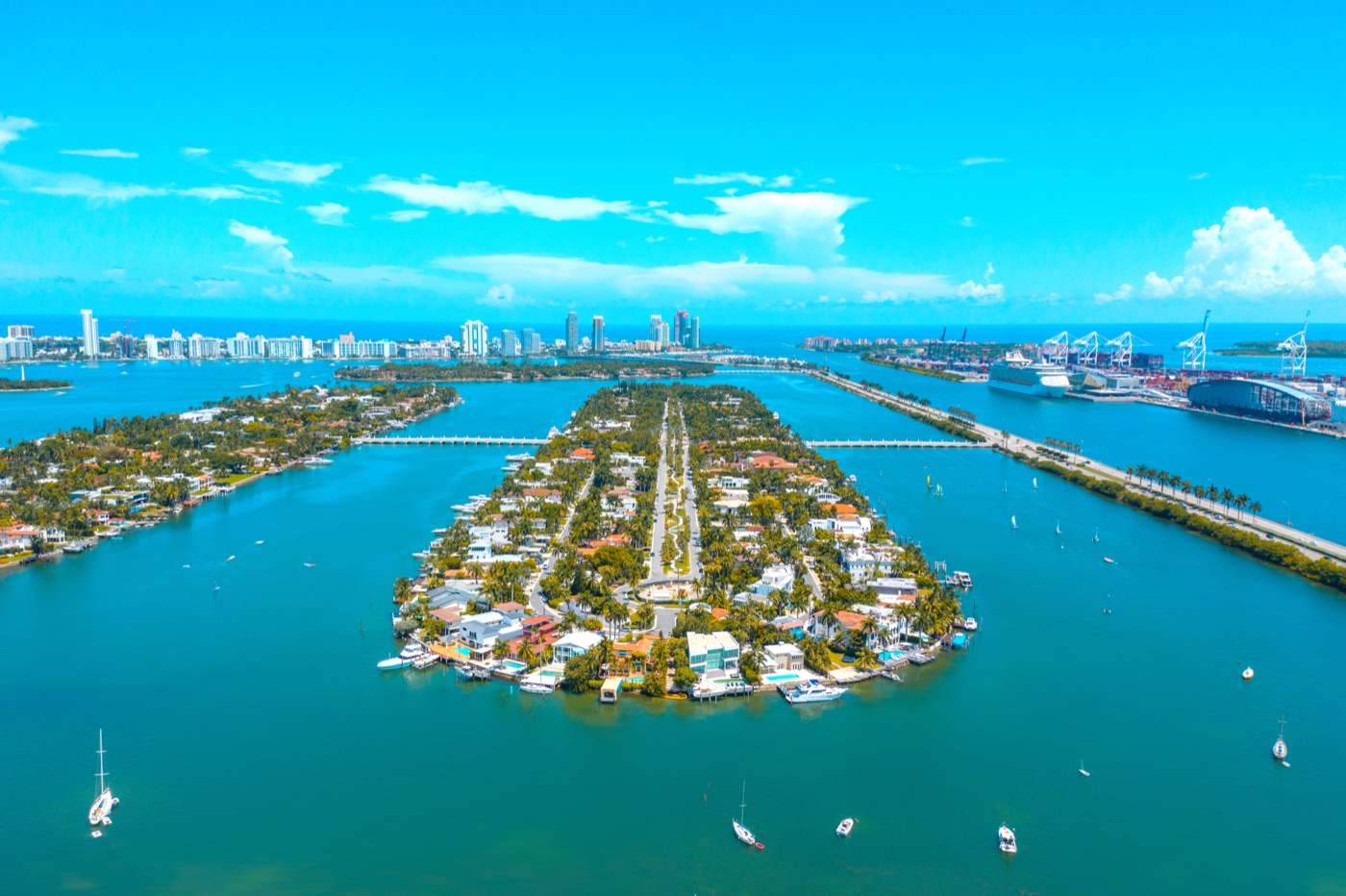
When buyers come to me looking at condos in Brickell, Edgewater, Sunny Isles, or Bal Harbour, most of them spend the first hour talking about the view, the finishes, and the amenities. All of that matters. But in my experience, the single most overlooked factor in a Miami condo purchase is the financial condition of the association running the building. I have seen buyers fall in love with a unit, close on it, and then receive a special assessment notice six months later for $40,000 or more. That is not a hypothetical. It happens, and it is avoidable.
Florida law has changed significantly since the Surfside collapse in 2021. The Condominium Safety Act that took effect in 2022 and was further strengthened in 2023 and 2024 now requires buildings three stories or taller to complete structural integrity reserve studies and fund reserves accordingly. Many buildings, especially older ones in Miami Beach, North Bay Village, and Aventura, are still catching up to those requirements. That catch-up cost lands on unit owners in the form of higher monthly fees or lump-sum assessments. Knowing how to read the documents before you close is the difference between a smart investment and a financial surprise.
This guide walks you through exactly what I review with every buyer client before we make an offer on a Miami condo. I will explain what the key documents are, what numbers to focus on, and what red flags should make you think twice or negotiate hard before you commit.
Have Questions About a Specific Building?
I review condo association financials with every buyer client before we make an offer. Call me at (954) 833-0020 to talk through what you are seeing. Hablamos Espanol.
Call (954) 833-0020Why the Building's Finances Are Your Finances
When you buy a condo in Miami, you are not just buying the four walls of your unit. You are buying a fractional share in the entire building and its common areas. That includes the roof, the elevators, the pool deck, the garage structure, the lobby, the plumbing risers, and every piece of mechanical equipment keeping the building running. If the association does not have enough money set aside to pay for those things, you will pay for them through your monthly dues or a special assessment.
Monthly HOA fees in Miami range widely. In a modest mid-rise in Aventura or Doral, you might pay $600 to $900 per month. In a full-service luxury tower in Brickell or Miami Beach, fees of $2,500 to $6,000 per month are not unusual. A portion of every dollar you pay goes into two buckets: the operating fund, which covers day-to-day expenses like landscaping, security, and utilities for common areas, and the reserve fund, which is supposed to cover future major repairs and replacements. The ratio between those two buckets tells you a lot about the financial discipline of the board.
In my years working with buyers and investors across Miami-Dade County, I can tell you that a building with healthy reserves and a clean financial history almost always holds its value better over time than a building with deferred maintenance and a thin reserve account. The numbers in those documents are not just accounting details. They are a forecast of your ownership experience.
Explore on rangelyadames.com
The Documents You Have the Right to Review
Florida law gives condo buyers specific rights to review association documents before closing. Under Florida Statute 718.503, the seller must provide you with certain documents within a specific timeframe, and you have three days after receiving them to cancel the contract for any reason. That three-day window is your safety net, and I always make sure my buyers use it to actually read what they receive.
Here is a list of the key documents you should request and review before or immediately after going under contract:
The most recent year-end financial statements are your starting point. These show you exactly how much money the association has, where it came from, and where it went. Look for a certified audit if the building has more than 50 units, which is required by Florida law for buildings of that size. A compilation or review prepared by a CPA is acceptable for smaller buildings.
The current year operating budget tells you how the association plans to spend money this year. Compare it to the prior year. If you see large increases in line items like insurance, maintenance contracts, or repairs, ask why. Miami building insurance costs have risen dramatically since 2022, and some buildings are passing those increases directly to unit owners through mid-year assessment notices.
Key documents to request before closing on any Miami condo:
- Most recent year-end financial statements, preferably a certified audit
- Current fiscal year operating budget
- Reserve study or reserve schedule (updated within the last three years)
- Last 12 months of board meeting minutes
- Last 12 months of association bank statements
- Current list of pending or threatened litigation
- Any outstanding or planned special assessments
- The most recent structural integrity reserve study for buildings three stories or taller
- Current insurance certificates including wind, flood, and liability coverage
- Most recent inspection or engineering reports
Understanding Reserve Fund Percentages
The reserve fund is the number I look at first. A fully funded reserve means the association has set aside 100 percent of what its reserve study says it needs to cover future repairs and replacements. Most buildings are not fully funded, and that is not automatically disqualifying. But the percentage matters.
As a general rule, I tell buyers that a building funded at 70 percent or above is in reasonable shape. A building funded between 40 and 70 percent deserves extra scrutiny, especially if there are aging components like an old roof, aging elevators, or a pool deck that has not been resurfaced in years. A building funded below 40 percent is a warning sign that should make you either negotiate the purchase price down significantly or walk away.
The 2023 amendments to Florida condo law prohibit boards from waiving or reducing reserve contributions for items covered under the structural integrity reserve study. That means buildings can no longer vote to underfund reserves for major structural components, which was a common practice before Surfside. However, non-structural items like landscaping, lobby renovations, and gym equipment are still subject to owner votes on reserve funding levels.
In Sunny Isles Beach, where many buildings were constructed in the late 1990s and early 2000s, I have seen reserve studies that reveal significant deferred maintenance on parking garage structures and pool decks. Those buildings may look beautiful on the surface, but the reserve shortfalls translate directly into buyer risk. Always ask how old the building is and when the last major capital projects were completed.
Reading Board Meeting Minutes Like a Detective
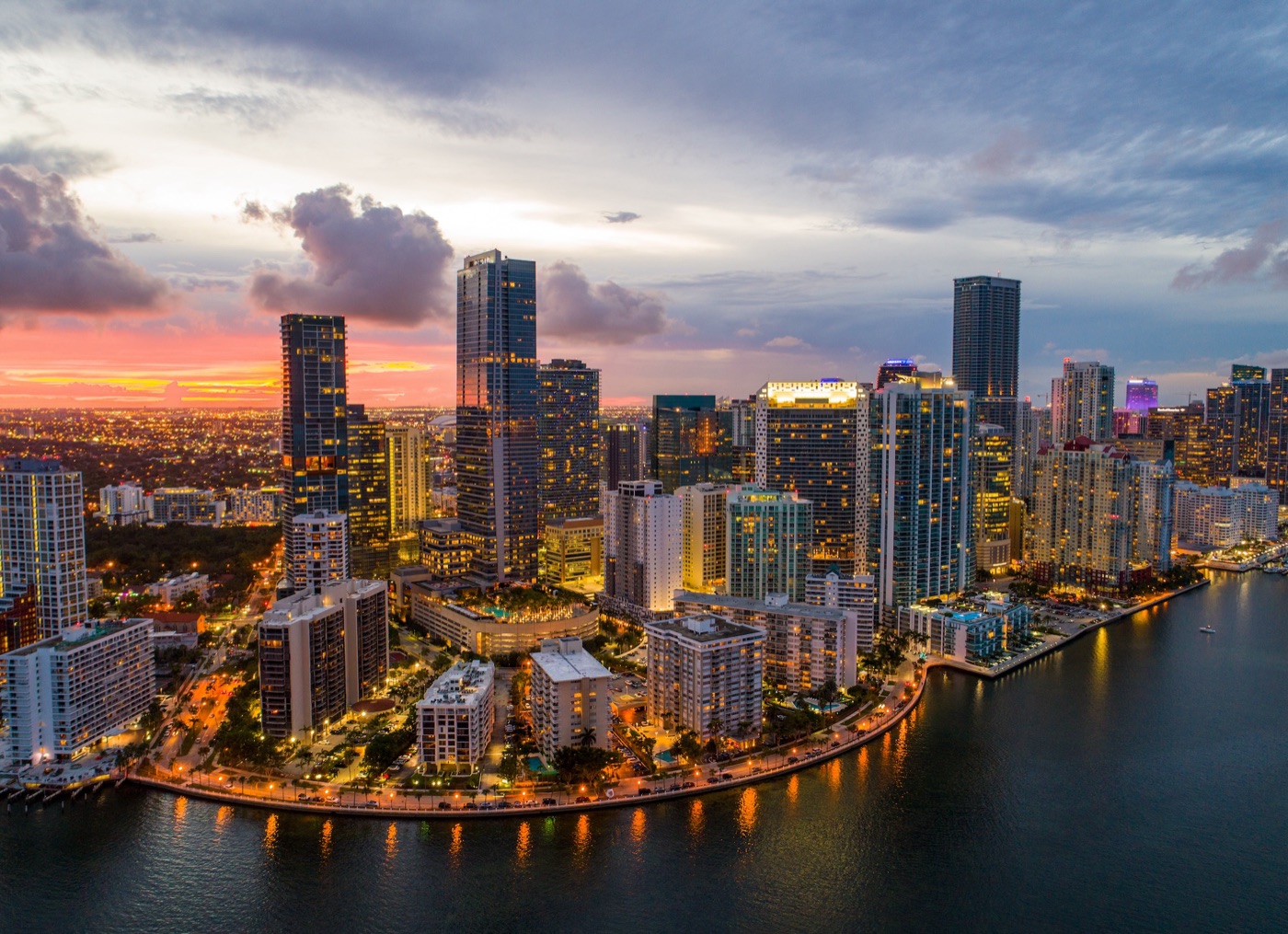
Board meeting minutes are one of the most underutilized tools in condo due diligence. Most buyers glance at them and move on. I read them carefully, and I teach my clients to do the same. Minutes are where the real story of a building's management gets told.
Look for recurring themes in the minutes. If the board discusses the same plumbing problem month after month without resolution, that tells you something. If you see references to contractor disputes, unpaid vendors, or owners with large delinquent balances, those are red flags. A pattern of contentious owner meetings or board member resignations can indicate deeper governance problems that will affect your ownership experience.
Pay particular attention to any mentions of legal matters. Florida law requires associations to disclose pending litigation, but the minutes often contain more context than the formal disclosure. A lawsuit filed by a unit owner against the board over a maintenance dispute is very different from a lawsuit filed by the city of Miami Beach over building code violations. Both matter, but they carry different levels of risk.
I worked with a buyer in a well-known Edgewater tower who almost skipped reviewing the minutes because she was in a hurry to close. We reviewed them together and found six consecutive months of discussion about a failing seawall that the board had not formally disclosed. The repair estimate mentioned in the minutes was $2.1 million, and the building had only $380,000 in reserves at the time. We used that information to negotiate a $35,000 price reduction and a seller-funded contribution to the reserve account at closing.
Special Assessments: Past, Present, and Future
A special assessment is a charge levied against unit owners in addition to regular monthly fees. It is used when the association does not have enough reserve funds to pay for a necessary repair or project. Special assessments in Miami can range from a few thousand dollars per unit to well over $100,000 per unit in luxury buildings with major deferred maintenance.
Florida law requires sellers to disclose any pending special assessments that have been approved by the board. If an assessment has been voted on but not yet billed, the seller must tell you about it. However, assessments that are being discussed but have not yet been formally approved are not required to be disclosed. That is where reading the minutes becomes critical.
When reviewing the financial documents, look at the association's history of special assessments over the past five to seven years. A building that has levied two or three assessments in recent years is telling you something important about its financial management. It may also be telling you that more are coming.
I always recommend that buyers in older buildings, particularly those built before 2000 in areas like Miami Beach, North Bay Village, and parts of Coconut Grove near the water, hire a condo attorney to review the documents alongside the financial analysis. The cost is typically $500 to $1,500 and can save you tens of thousands of dollars. If you are buying as a foreign national or investor from Latin America, having a bilingual attorney on your team is particularly valuable. My office can connect you with trusted professionals. Just call me at (954) 833-0020.
Delinquency Rates and What They Mean for You
The delinquency rate of a condo association is the percentage of unit owners who are behind on their monthly dues. It is one of the clearest indicators of financial stress in a building. When owners stop paying dues, the association has less money for operations and reserves, which creates a cycle that can lead to deferred maintenance, reduced services, and eventually, larger assessments on the owners who are paying.
Most lenders require that a condo building have a delinquency rate of no more than 15 percent to qualify for conventional financing. Fannie Mae and Freddie Mac guidelines, along with FHA approval requirements, set specific thresholds that affect whether a buyer can obtain standard mortgage financing in a given building. If you are buying in a building with a high delinquency rate, your financing options may be limited to portfolio loans or cash, which affects both your purchase strategy and your eventual resale pool.
You can usually get a sense of the delinquency situation from the financial statements. Look at the accounts receivable line on the balance sheet. If the amount owed to the association in unpaid dues is large relative to the annual budget, that is a red flag. Compare that figure to the notes in the audit or financial review, which should explain the aging of those receivables.
In my experience, buildings in the $300,000 to $600,000 price range in areas like Doral, Kendall, and parts of Hialeah Gardens tend to have higher delinquency risks than luxury buildings in Brickell or Key Biscayne, partly because the owner profiles differ and partly because investor-heavy buildings tend to have more absentee ownership. That does not make those buildings bad investments, but it does mean the due diligence has to be thorough.
Insurance Gaps That Can Cost You
Condo association insurance in Florida has become one of the most significant cost drivers for building budgets over the past three years. Carriers have exited the Florida market, premiums have increased by 30 to 100 percent in many cases, and some buildings are now carrying policies with significant coverage gaps. As a buyer, you need to understand what the association's master policy covers and what falls on you as an individual unit owner.
Florida condos generally operate under one of three types of master insurance policies. A bare walls-in policy covers only the structure of the building and common areas, leaving interior improvements entirely to the unit owner. An original specification policy covers fixtures and finishes as they were originally built. An all-in policy covers everything including unit upgrades. Knowing which type your target building carries determines how much individual condo owner insurance you will need to purchase.
Ask for the current insurance certificate and look at the coverage limits. Then look at the building's replacement cost estimate. If the coverage limit is significantly below the replacement cost, the building is underinsured, and you would bear a portion of that gap in a catastrophic loss. Given Miami's exposure to hurricane risk, this is not a theoretical concern.
Wind deductibles in South Florida are typically expressed as a percentage of insured value rather than a flat dollar amount. A 5 percent wind deductible on a $100 million building is $5 million. If that deductible is not covered by adequate reserves, unit owners absorb it. I have seen post-hurricane assessments in Miami Beach buildings reach $15,000 to $40,000 per unit. Make sure you understand the building's insurance structure before you close.
How to Use Financial Information in Your Negotiation
Once you have reviewed all the documents and identified the risks, you have real leverage in the negotiation. A building with a thin reserve fund, a history of special assessments, high insurance costs, or pending litigation is carrying financial risk that should be reflected in the purchase price. Many buyers do not know how to quantify that risk, which is where working with an experienced Miami agent makes a real difference.
If the reserve fund is underfunded by a significant amount, I help buyers calculate their proportionate share of the shortfall based on their unit's ownership percentage, which is listed in the declaration. For example, if a building has a $3 million reserve shortfall and your unit represents 1.2 percent of the total ownership interest, your share of that shortfall is $36,000. That number becomes a starting point for a price reduction request.
Pending or likely special assessments can sometimes be negotiated so that the seller funds them at closing through a credit, an escrow holdback, or a direct price adjustment. Sellers who are motivated and have been holding a unit for several years often have equity to work with and will accept a reasonable credit rather than lose a deal entirely.
If you are navigating this process for the first time, or if you are an investor from outside the United States evaluating Miami condo buildings as part of a portfolio strategy, I want to be your resource. My team works with buyers from Venezuela, Colombia, Argentina, Brazil, Mexico, and across Europe who are making significant investments in Miami real estate. We walk through every document, every number, and every risk together. Hablamos Espanol, and we understand the questions you bring from your home country to a U.S. market that works differently. Call me directly at (954) 833-0020 and let us talk through what you are looking at.
Buy Your Miami Condo With Confidence
Understanding a building's financial health protects your investment from day one. Call Rangely Adames at (954) 833-0020 and let us make sure every document checks out before you close.
Related Articles
February 2026 · 9 min read
Aventura Real Estate Guide: Condos, Schools & Lifestyle (2026)
Luxury high-rises, top-rated schools, and the Aventura Mall — why families and investors love this North Miami suburb.
Read article →February 2026 · 9 min read
Airbnb Investment Properties in Miami: Rules, ROI & Best Areas
Short-term rental regulations, income projections, and the best Miami neighborhoods for Airbnb investing.
Read article →July 2026 · 10 min read
Bay Harbor Islands Real Estate Guide: Homes, Condos & Market (2026)
Waterfront homes with private docks, boutique condos, and a top-rated K-8 school make Bay Harbor Islands one of Miami's best-kept secrets. A bilingual 2026 buyer guide with prices and consejos para compradores. Hablamos Espanol.
Read article →