How Building Management Affects Your Miami Condo Investment (2026)
By Rangely Adames • August 2026 • 11 min read
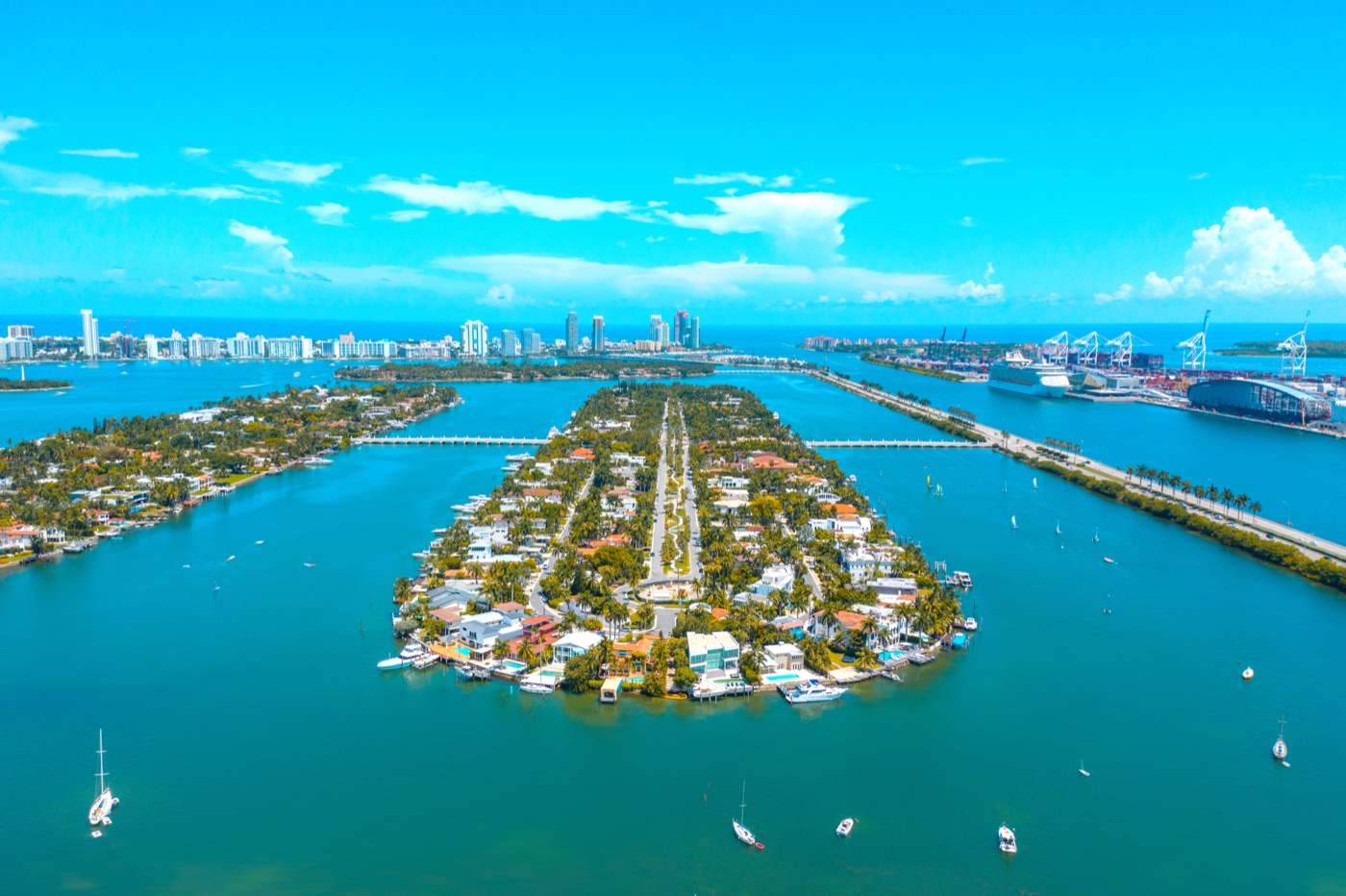
When buyers come to me looking at condos in Brickell, Edgewater, Sunny Isles, or Bal Harbour, they almost always ask about the view, the finishes, and the price per square foot. Those things matter. But after more than a decade working in Miami luxury real estate, I can tell you that one of the biggest factors separating a great condo investment from a costly headache is something most buyers never think to research: the building management company.
Building management touches everything. It controls how fast the elevator gets fixed, whether the lobby looks polished when your tenant walks in, how aggressively the association collects delinquent dues, and whether a special assessment blindsides you three years after closing. A beautifully renovated unit inside a poorly managed building is a liability, not an asset. I have seen it play out too many times.
This guide walks you through exactly what I review before advising any client to make an offer on a Miami condo. Whether you are buying a primary residence in Coral Gables, a pep-a-terre in Miami Beach, or an income-producing unit in Aventura, understanding building management will protect your money and your peace of mind.
Ready to Vet a Building Before You Buy?
I review management documents, reserve funds, and financial health for every building my clients consider. Hablamos Espanol. Call me at (954) 833-0020 and let's talk through your options before you make an offer.
Call (954) 833-0020Why Building Management Is a Financial Issue, Not Just a Comfort Issue
Most buyers treat building management as a lifestyle consideration, like whether they prefer a full-service doorman or a more private, boutique atmosphere. In reality, management quality is a financial issue with direct consequences for your property value and your out-of-pocket costs.
A well-managed building in Brickell or Edgewater maintains higher resale values because lenders, appraisers, and future buyers trust it. Fannie Mae and Freddie Mac both have guidelines that flag buildings with high delinquency rates, pending litigation, or underfunded reserves. If a building gets flagged, buyers relying on conventional financing cannot get approved, and that shrinks your pool of future purchasers dramatically.
On the flip side, buildings with professional, transparent management consistently attract buyers willing to pay more per square foot. In my experience, a well-run mid-rise in Coconut Grove will outperform a poorly managed luxury tower in Sunny Isles in terms of both resale velocity and long-term appreciation. The building's management reputation is baked into the price whether buyers realize it or not.
Explore on rangelyadames.com
Self-Managed vs. Third-Party Management Companies
Miami condo buildings generally fall into one of two categories: self-managed by the condo association board, or professionally managed by a third-party property management firm. Both models can work well, but they come with very different risk profiles.
Self-managed buildings are more common in smaller boutique communities, sometimes in places like Bay Harbor Islands or parts of South Miami. When board members are engaged and financially literate, self-management can keep costs lean. But when board turnover is high or volunteers lack the time to stay on top of vendor contracts, maintenance schedules, and reserve funding, things deteriorate quickly and quietly.
Third-party management companies, such as FirstService Residential, Castle Group, or Associa, bring professional staff, vendor networks, and standardized financial reporting. For larger buildings, like the high-rises that dominate Brickell, Edgewater, and Sunny Isles Beach, professional management is essentially a requirement. The key is not just whether a third-party firm is in place, but whether they are accountable, communicative, and financially transparent.
I always ask my buyers to request the last two years of board meeting minutes and financial statements before going under contract. Those documents tell you more about how a building is actually run than any marketing brochure ever will.
Red Flags I Look for in Building Management
After reviewing hundreds of condo due diligence packages over the years, I have developed a mental checklist of warning signs that tell me a building may be heading for trouble. If I spot more than two or three of these in a single building, I will have a serious conversation with my client about whether to proceed.
Here are the specific red flags I watch for:
Here are the specific red flags I watch for:
- Delinquency rates above 5 percent of units on HOA dues payments.
- Reserve fund funded below 50 percent of the threshold recommended by the most recent reserve study.
- Pending or recent litigation involving the association, especially construction defect suits or contractor disputes.
- Special assessments issued in the last three years without a clear explanation of how the underlying issue was resolved.
- Management company turnover: if the building has cycled through two or more management firms in five years, something is wrong at the board level.
- Deferred maintenance visible in common areas, including stained ceilings, non-functioning amenity equipment, or elevator outages lasting more than a few days.
- Meeting minutes that show consistent quorum failures, meaning the board cannot get enough owners engaged to hold legal votes.
- Vague or absent financial reporting, particularly buildings that do not produce audited financials annually.
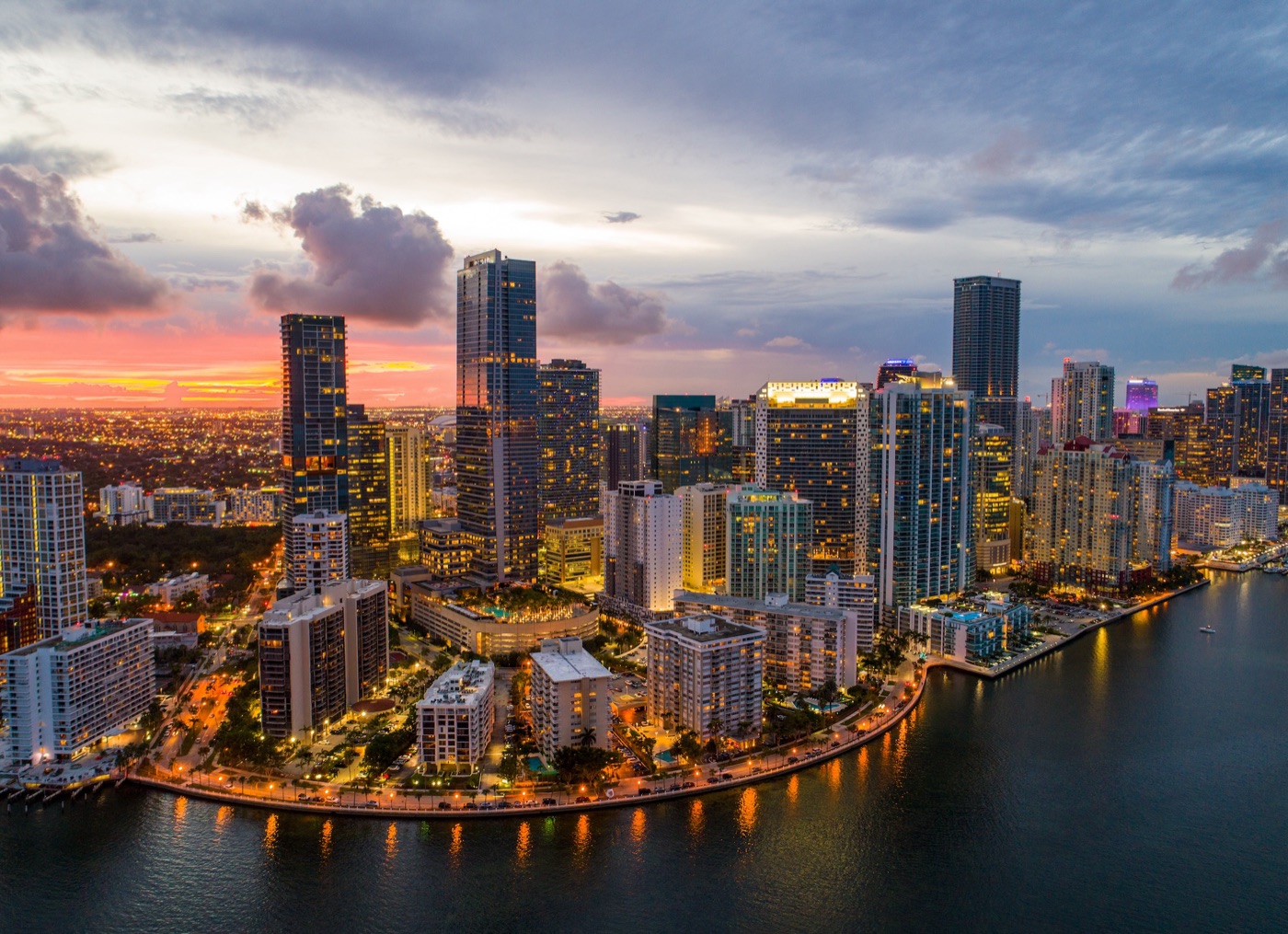
What Strong Building Management Looks Like in Practice
Just as important as knowing the red flags is being able to recognize genuinely well-run buildings. I have worked with buyers in some of Miami's most prestigious addresses, and the ones that hold value most consistently share a few characteristics that go beyond granite countertops and bay views.
Strong buildings produce clean, audited financials on time every year. Their reserve funds are funded at 70 percent or higher, and they have a current reserve study, meaning a professional engineering assessment of the building's major components and their remaining useful life. Post-2022, Florida law requires most condominium associations to complete milestone inspections and structural integrity reserve studies, but well-managed buildings were doing this voluntarily long before it became law.
Communication is another reliable signal. Buildings where management sends regular updates to owners, holds well-attended annual meetings, and responds to maintenance requests within 24 to 48 hours are buildings where people are paying attention. When I tour a building with a client, I notice how the lobby staff carries themselves, whether the maintenance log near the elevator is current, and whether the amenity spaces look lived-in and cared for or just photographed for the brochure.
In Bal Harbour and Fisher Island, building management quality is almost a given because the price point of the units creates financial pressure to maintain standards. But in more mixed-income buildings or older mid-rises in areas like Aventura or North Miami Beach, management quality varies enormously building by building. That is exactly why I do not just look at a unit. I look at the whole picture.
How Management Affects Rental Income Potential
For investor clients, building management quality has a direct line to your bottom line. Renters in the $3,500 to $8,000 per month range, which covers most of the Brickell, Edgewater, and Midtown Miami rental market, have options. They will leave a building that has persistent elevator problems, a pool that is perpetually under repair, or a front desk that cannot manage package deliveries. Tenant retention is where your rental ROI either holds up or falls apart.
Management companies also set the rules around rental approvals and subletting. Some buildings in Miami Beach and Sunny Isles require board approval for all leases, with application fees ranging from $100 to $500 and approval timelines of two to four weeks. A slow or disorganized management office can cost you a tenant when another unit in the building gets approved faster. I always advise investor clients to call the management office directly before closing, not just to ask questions, but to gauge how responsive and professional the staff actually is.
Short-term rental rules are another area where management makes a huge difference. Miami-Dade County has its own short-term rental ordinances, but individual condo associations layer their own restrictions on top. Buildings that allow platforms like Airbnb and Vrbo tend to command a premium among certain investors, but the management team is responsible for enforcing the rules and dealing with complaints from permanent residents. A poorly managed building with lax short-term rental enforcement often ends up with a resident base that is constantly rotating, which drives down the quality of the community and ultimately the resale value.
Questions to Ask the Management Office Before You Buy
I always encourage my buyers to do more than read documents. Having a direct conversation with the building's management office before closing reveals things that do not show up in paperwork. Here is what I tell my clients to ask.
First, ask about the current assessment status. Are there any pending or approved special assessments that have not yet been billed? Sellers are required to disclose approved assessments, but assessments that are still in discussion may not show up on a standard disclosure.
Second, ask how the reserve fund is currently invested and when the last reserve study was completed. A reserve study older than five years in a building that has undergone significant aging is a concern. The study should specifically address the building envelope, roofing, plumbing, mechanical systems, and any concrete restoration needs. In South Florida's climate, concrete restoration in particular can be enormously expensive if it has been neglected.
Third, ask about the building's insurance situation. After Hurricane Ian and the broader hardening market in Florida, many condo buildings have seen their property insurance premiums rise 40 to 80 percent over the past three years. Some buildings have had to issue special assessments specifically to cover insurance shortfalls. Understanding the building's current coverage, carrier, and premium trajectory matters for forecasting your future HOA fees.
Finally, ask how disputes between owners and the association are handled. The answer will tell you a lot about the management culture. Buildings with a clear, professional grievance process are almost always better run overall. Call me at (954) 833-0020 and I can walk you through these questions before you make contact with any building.
The Reserve Fund Reality After Florida's New Condo Laws
Florida's building safety legislation passed in the wake of the Champlain Towers collapse in Surfside has changed the landscape for condo ownership in a fundamental way. Condominium associations are now required to complete milestone structural inspections at 30 years of age, or 25 years for buildings within three miles of the coastline, and to maintain fully funded structural reserves based on the findings of a structural integrity reserve study.
This matters enormously for buyers right now because many older Miami buildings are facing reserve contribution requirements that are two to three times what they were collecting before. In some cases, monthly HOA fees in affected buildings have risen by $300 to $800 per unit, and some buildings have issued special assessments in the range of $20,000 to $100,000 per unit to bring reserves into compliance.
I am not telling you this to scare you away from condos. Miami condos remain one of the most compelling asset classes in South Florida real estate. But buyers need to factor the building's compliance status into their analysis the same way they factor in price per square foot and rental yield. A building that is already compliant, with a recently completed structural integrity reserve study and a healthy reserve balance, is worth more than one that is still working through the process, because the financial risk has already been priced in and managed.
When I work with clients, especially Latin American buyers and investors who may not be familiar with Florida's evolving condo laws, I take time to explain all of this in detail. Hablamos Espanol, and I know how important it is to make sure nothing gets lost in translation when the stakes are this high. Call me directly at (954) 833-0020 if you want to talk through what these laws mean for a specific building you are considering.
Matching the Right Building to Your Goals
Not every buyer needs the same thing from building management. A primary resident moving from New York to a full-service tower in Brickell City Centre may prioritize white-glove concierge services and hotel-like amenity maintenance. An investor buying a two-bedroom unit in Aventura for long-term rental income may care more about rental approval turnaround times and reasonable pet policies. Someone purchasing a second home in Key Biscayne may want a quiet, secure building that manages itself without much drama.
Part of my job is helping clients match their goals to the right building, not just the right unit. I regularly track which management companies are performing well across Miami's neighborhoods, which buildings are heading toward financial stress, and where new management contracts or board leadership changes are turning things around.
I have seen buyers fall in love with a unit in a building I knew was struggling financially, and I have had those difficult conversations where I advised them to walk away and find something better. I have also found buyers excellent opportunities in buildings that had gone through a rough patch, cleaned up their management, and were now underpriced relative to their true value. That kind of local, relationship-based knowledge is what separates working with a Miami specialist from browsing listings on your own.
Whether you are a first-time condo buyer, an investor looking to add to your Miami portfolio, or someone relocating from another city or country, I am here to help you see the full picture before you commit. The unit is just the beginning of the story.
Work With a Miami Condo Expert Who Knows the Buildings
Building management can make or break your investment, and I have spent years learning which Miami buildings are worth your money and which ones to avoid. Call Rangely Adames at (954) 833-0020 for a straight-talk conversation about any building you are considering.
Related Articles
February 2026 · 9 min read
Aventura Real Estate Guide: Condos, Schools & Lifestyle (2026)
Luxury high-rises, top-rated schools, and the Aventura Mall — why families and investors love this North Miami suburb.
Read article →February 2026 · 9 min read
Airbnb Investment Properties in Miami: Rules, ROI & Best Areas
Short-term rental regulations, income projections, and the best Miami neighborhoods for Airbnb investing.
Read article →July 2026 · 10 min read
Bay Harbor Islands Real Estate Guide: Homes, Condos & Market (2026)
Waterfront homes with private docks, boutique condos, and a top-rated K-8 school make Bay Harbor Islands one of Miami's best-kept secrets. A bilingual 2026 buyer guide with prices and consejos para compradores. Hablamos Espanol.
Read article →