How to Research a Miami Condo Building's Reputation Before You Buy (2026)
By Rangely Adames • June 2026 • 11 min read
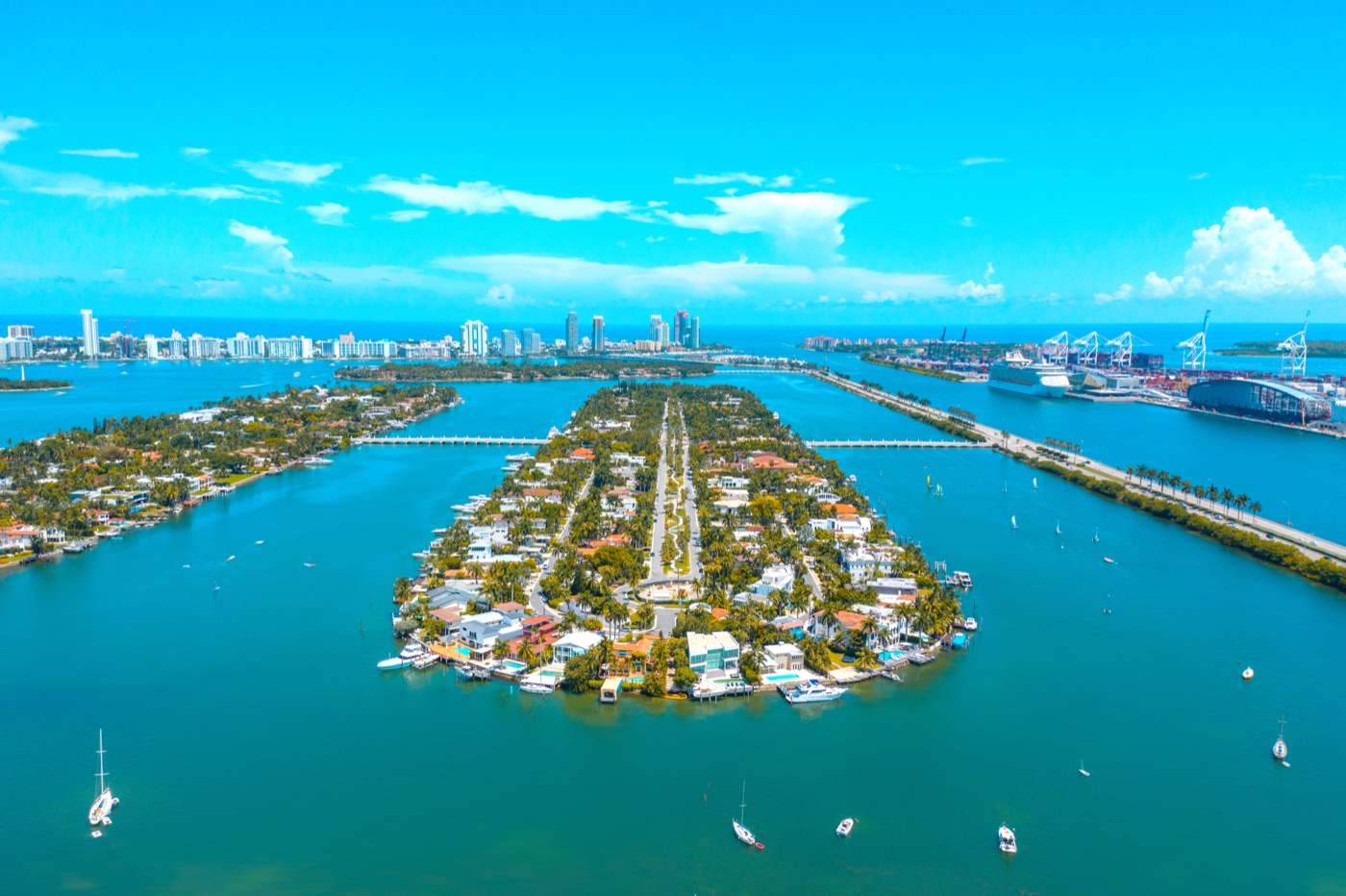
When a buyer falls in love with a Miami condo, the first thing they notice is the view, the finishes, and the amenity deck. That is completely understandable. But in my experience working with buyers across Brickell, Edgewater, Sunny Isles Beach, Bal Harbour, and Miami Beach, the unit itself is only half the purchase. The building that surrounds that unit can make or break the investment, the lifestyle, and the resale value years down the road.
I have watched buyers walk away from deals not because the unit was wrong, but because the building had red flags they were not aware of until we dug deeper. Deferred maintenance, underfunded reserves, an association buried in litigation, or a management company that has been cycling through contracts every two years. These are not abstract risks. They show up as surprise special assessments, insurance lapses, mortgage financing problems, and units that sit on the market far longer than comparable buildings nearby.
This guide walks you through exactly how I research a condo building on behalf of my clients before we ever move toward making an offer. Whether you are a first-time condo buyer or a seasoned investor adding to your Miami portfolio, this process will save you from expensive surprises. And if you want a professional walking through this process with you, call me directly at (954) 833-0020. Hablamos Espanol.
Ready to Vet a Miami Building Together?
I walk every client through this research process before we make an offer. Call me at (954) 833-0020 to get started. Hablamos Espanol.
Call (954) 833-0020Start With the Condo Association's Financial Statements
The single most important document package you can request before buying a Miami condo is the association's financials. In Florida, sellers are required to provide certain condo documents to buyers, and this package typically includes the most recent year-end financial statements, the current budget, and the reserve study or reserve funding schedule.
What I look for first is the reserve fund balance. Florida law now requires condo associations to maintain fully funded reserves following the Surfside collapse legislation passed in 2022 and updated since. But many buildings are still catching up, and some are doing so through special assessments on owners rather than gradual reserve accumulation. If a building's reserve fund is sitting at 30 or 40 percent of its required level, you need to price that gap into your offer or walk away.
I also review the operating budget line by line. Look at how much the association collects versus how much it actually spends. A building running a consistent operating deficit is one that will need to raise monthly fees, levy an assessment, or both. In my experience, buildings with tight operating margins tend to defer maintenance, which then compounds into larger repair bills later.
Ask specifically for the accounts receivable aging report. This shows how many unit owners are delinquent on their HOA dues. A building where 10 percent or more of owners are behind on dues is a financial warning sign. That shortfall gets carried by the owners who are paying, and it limits the association's ability to meet its obligations.
Explore on rangelyadames.com
Understand the Reserve Study and What It Means for Your Wallet
A reserve study is an engineering-based assessment of every major component of the building, including the roof, elevators, pool equipment, parking structure, HVAC systems, and facade. Each component is assigned an expected remaining useful life and a replacement cost. The study then tells the association how much it should be setting aside each month to cover those future costs.
Many of my buyers, especially those relocating from markets like New York or California, are not familiar with reading a reserve study. The key number to focus on is the percent funded ratio. A building that is 70 percent funded or above is generally in solid shape. Below 50 percent, you are looking at a building that is likely to face either steep HOA fee increases, special assessments, or both within the next few years.
In Miami Beach buildings constructed before 2000, I often see reserve studies that reveal aging concrete balconies, outdated fire suppression systems, and parking garage structural concerns. These are not dealbreakers on their own, but they need to be priced in. A unit in a building carrying a $15,000 per-unit remediation liability should not be priced the same as a comparable unit in a well-funded newer building.
Florida's SB 4-D legislation now requires milestone structural inspections for buildings three stories or taller once they reach 30 years old, and every 10 years after that. If you are buying in a building approaching or past that threshold, ask whether the milestone inspection has been completed and request the engineer's report. I always pull this document for my clients before we submit an offer.
Check for Litigation, Liens, and Building Violations
A condo association that is currently involved in active litigation is a serious concern for buyers and their lenders. Most conventional lenders, including those underwriting jumbo loans for luxury purchases in Brickell or Fisher Island, will not finance a unit in a building with pending or unresolved litigation involving the structure, the association, or major contractors.
I request a litigation disclosure as part of the standard condo document review. If the association is suing a developer over construction defects, that may actually be a positive thing, because it means the board is fighting for the owners' interests. But if the association is being sued by a prior owner over a failed assessment, a wrongful lien, or a discrimination claim, those situations carry uncertainty that affects financing and resale.
Beyond litigation, I also check with Miami-Dade County for open building violations on the property. This is a public search, and it can reveal everything from unresolved fire code citations to elevator inspection failures. Buildings with multiple open violations should trigger a much closer look at the management company and the board's responsiveness.
Municipal liens can also attach to the property. In some cases, a prior owner's code violations become the responsibility of the association or future owners depending on the nature of the lien. A title search handles most of this, but I recommend pulling the property address through Miami-Dade's online permit and violation portal as an early screening step before investing time in a full inspection process.
Evaluate the Building's Insurance Coverage
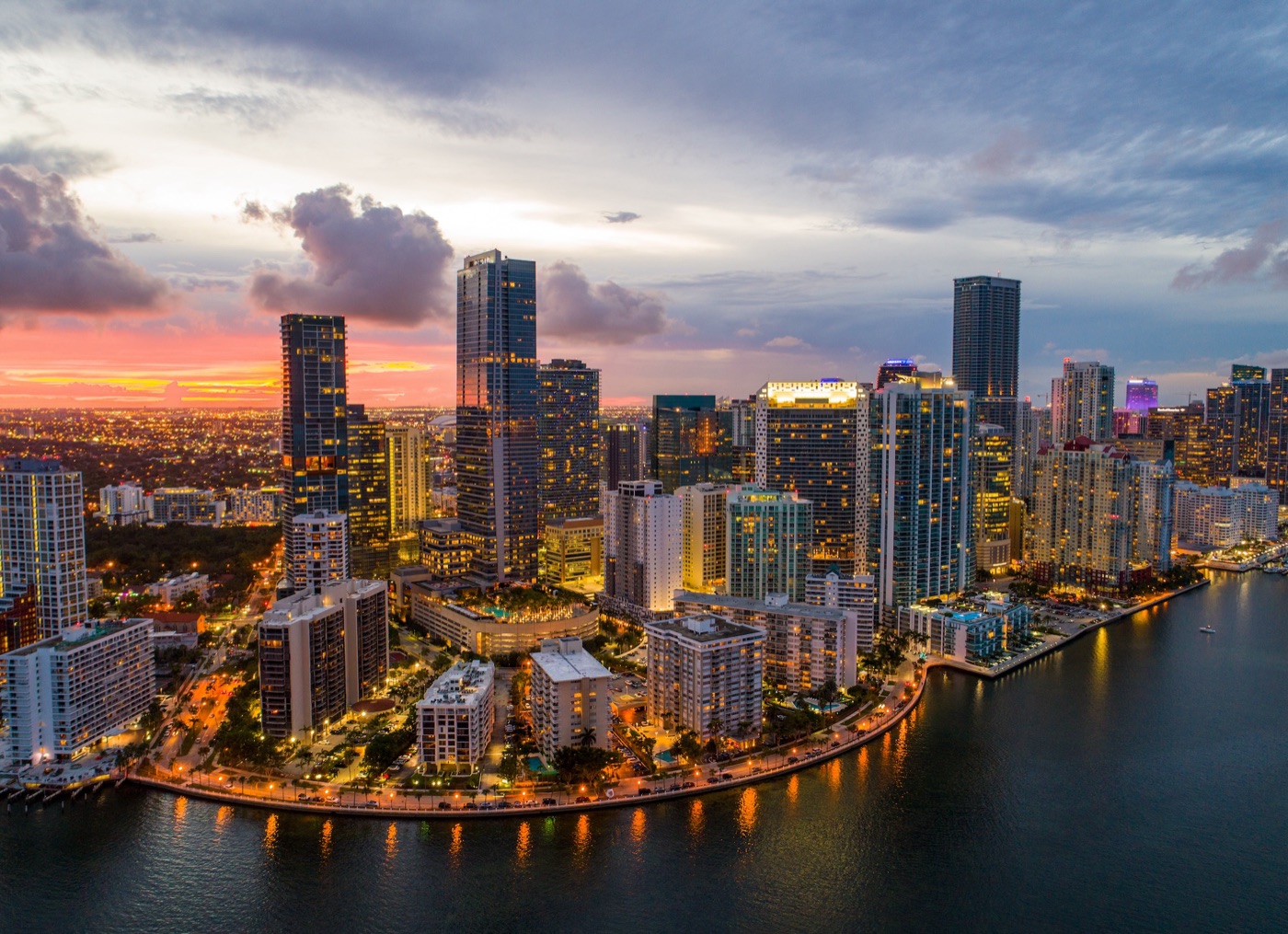
Florida's property insurance market has been under enormous pressure since 2021, and Miami condo buildings have not been immune. I have seen buildings in Edgewater, Midtown, and parts of South Beach where the association's master policy renewal came back at two or three times the prior year's premium. That cost gets passed directly to unit owners through HOA fee increases.
When I review a building's insurance package for a buyer, I look at four key coverages. The master property policy should cover the full replacement cost of the building's common elements and structure. The wind and hurricane coverage should be adequate given the building's coastal exposure. The liability policy should cover the association for slip and falls and other common area incidents. And the directors and officers policy should protect board members, which encourages qualified people to serve.
Ask whether the building has had any claims in the past five years and what the outcome was. A building that filed a large wind claim and had it denied may have structural or maintenance issues that contributed to the denial. A building that has filed multiple water intrusion claims may have ongoing waterproofing problems that have not been fully resolved.
One detail that catches my buyers off guard is the HOA master policy deductible. Some buildings carry a per-unit deductible of $25,000 or more on their wind policy. That means if a hurricane damages the building and the association files a claim, each unit owner may owe that deductible contribution before the insurance proceeds kick in. Make sure you understand what is and is not covered in the master policy versus what your individual unit owner's policy needs to cover.
Research the Management Company and the Board
The management company and the condo board are the people actually running the building day to day. A well-run building with average amenities will always outperform a poorly managed building with spectacular amenities when it comes to long-term value and resident satisfaction.
I look at how long the current management company has been in place. A building that has gone through three management companies in five years is a red flag. It often means the board is difficult to work with, the financials are in disarray, or there are unresolved disputes between owners and management. Ask the listing agent directly how long the current company has managed the property.
Review the board meeting minutes from the past 12 to 24 months. Florida law gives condo owners the right to access official records, and a motivated buyer can request these through the association. The minutes will tell you what issues have come up repeatedly, whether the board is quorum-challenged, whether assessments have been discussed, and what complaints owners have raised at open meetings. I have found more useful intelligence in board minutes than in almost any other single document.
Talk to current residents if you can. Walk through the lobby at different times of day. Speak with the front desk staff. Ask a friendly neighbor in the elevator how they feel about the building. These informal conversations often surface things that do not show up in any document, including management responsiveness, parking disputes, noise issues, and how quickly maintenance requests get handled.
Know the Rental Restriction Rules Before You Commit
Miami attracts a significant number of buyers who intend to rent their unit at some point, whether immediately as an investment property or later when they relocate again. Rental restrictions vary dramatically from building to building, and they can make or break your investment strategy.
Some luxury buildings in Bal Harbour and Key Biscayne prohibit short-term rentals entirely and require minimum lease terms of 12 months. Others in Brickell and Edgewater allow rentals after a one-year ownership period with a minimum 6-month lease. Condo hotels in Miami Beach like those on Collins Avenue may operate under entirely different rules that allow nightly rentals through a hotel rental program.
Here is a quick summary of the rental rule questions I ask about every building before my clients get serious about a unit:
Beyond the association's rules, Miami-Dade County and the City of Miami have their own short-term rental ordinances that can restrict platforms like Airbnb regardless of what the HOA permits. I always cross-reference both sets of rules before advising a buyer on rental income potential.
If you are buying specifically for rental income, I strongly recommend verifying the rental rules in writing with the association directly, not just from the listing materials. I have seen listings describe rental rules inaccurately, and that is one of the most common issues that comes up after closing when an investor tries to execute their plan.
Here is a quick summary of the rental rule questions I ask about every building before my clients get serious about a unit:
- What is the minimum lease term allowed by the association?
- Is there a waiting period after purchase before you can rent?
- How many rentals per year does the association allow?
- Does the tenant need board approval before moving in?
- Are short-term rentals or platform-based rentals explicitly prohibited?
- What is the current owner-occupancy ratio in the building?
- Does the building appear on Fannie Mae or Freddie Mac's condo project exclusion list?
Look at the Building's Sales History and Price Trends
A building's sales history tells you a great deal about how the market values it over time. I pull comparable sales data for every building my buyers are considering, going back at least three to five years. I want to see whether prices per square foot have been rising, stagnant, or declining relative to competing buildings in the same submarket.
In Sunny Isles Beach, for example, buildings along Collins Avenue range enormously in perceived quality and market trajectory. A newer Porsche Design Tower or Jade Signature will track very differently than a mid-2000s tower that has not had major common area renovations. The underlying unit may look similar on paper, but the buildings have very different resale velocity and price appreciation profiles.
I also look at days on market for recent sales in the building. If units in a particular building consistently sit 30 to 40 percent longer than the neighborhood average, that is a signal worth investigating. It may mean financing is difficult due to the building's financials, that there is an upcoming special assessment that buyers have learned about through diligence, or simply that the asking prices have been unrealistic.
Price per square foot comparisons across buildings in the same neighborhood are one of the clearest signals I use. If Building A in Brickell is trading at $850 per square foot and Building B one block away with similar finishes and amenities is trading at $650 per square foot, I want to know why. Sometimes it is a timing issue or a product mix difference. Sometimes it is because Building B has a $50,000 special assessment pending that has not yet been widely publicized.
Work With an Agent Who Knows the Buildings Personally
The research process I have described above takes time, expertise, and access to the right documents. In my years of working across Miami's condo market, from boutique buildings in Coconut Grove to ultra-luxury towers in Bal Harbour and Aventura, I have developed relationships with building managers, HOA attorneys, and association presidents that give my clients an informational edge.
I know which buildings in Edgewater are currently navigating milestone inspection findings. I know which Brickell towers have had recent special assessments and whether those assessments resolved the underlying issues or just addressed the most visible symptoms. I know which Sunny Isles buildings have board governance issues that make resale more difficult than the glossy marketing materials suggest.
That knowledge is not something you can get from a listing portal or a quick Google search. It comes from being in the market every week, attending closings, reviewing documents, and talking to people who live and work in these buildings. When you hire me, you get that institutional knowledge applied directly to your search and your due diligence.
If you are ready to buy, sell, or invest in a Miami condo and want an agent who will genuinely protect your interests through every step of the research process, call me at (954) 833-0020. I work with buyers from Latin America, the Northeast, and internationally, and my team is fully bilingual. Hablamos Espanol. Let's find you not just the right unit, but the right building.
Buy With Confidence in Miami's Condo Market
Don't let a beautiful unit in a troubled building cost you six figures down the road. Call Rangely Adames at (954) 833-0020 and let's do this the right way.
Related Articles
February 2026 · 9 min read
Aventura Real Estate Guide: Condos, Schools & Lifestyle (2026)
Luxury high-rises, top-rated schools, and the Aventura Mall — why families and investors love this North Miami suburb.
Read article →February 2026 · 9 min read
Airbnb Investment Properties in Miami: Rules, ROI & Best Areas
Short-term rental regulations, income projections, and the best Miami neighborhoods for Airbnb investing.
Read article →July 2026 · 10 min read
Bay Harbor Islands Real Estate Guide: Homes, Condos & Market (2026)
Waterfront homes with private docks, boutique condos, and a top-rated K-8 school make Bay Harbor Islands one of Miami's best-kept secrets. A bilingual 2026 buyer guide with prices and consejos para compradores. Hablamos Espanol.
Read article →