What Miami Condo Buyers Must Know About Building Structural Integrity (2026)
By Rangely Adames • August 2026 • 11 min read
When the Champlain Towers South collapsed in Surfside in June 2021, it changed how every serious condo buyer in Miami approaches the market. I had clients who were under contract in buildings nearby at that time, and the questions that surfaced during those weeks became the foundation for how I now guide every buyer through the due diligence process. Structural integrity is no longer a box you check at the end of a transaction. It is the first conversation we have.
Florida responded with Senate Bill 4-D, signed into law in May 2022. The legislation created mandatory milestone inspections for condominium buildings that are three stories or taller. Buildings that reach 30 years old, or 25 years old if they sit within three miles of the coastline, are now required to complete a Phase 1 milestone inspection. If that inspection reveals structural concerns, a Phase 2 inspection involving destructive testing is required. On top of that, associations must complete a Structural Integrity Reserve Study and fund reserves accordingly. These are not optional. Buildings that fail to comply face significant legal exposure and, more practically, struggle to attract buyers and financing.
What this means for you as a buyer in 2026 is that the documents you receive during your inspection period are more revealing than ever before. If you know how to read them. In my experience working with buyers across Brickell, Edgewater, Sunny Isles Beach, Miami Beach, and Bal Harbour, most people receive a thick stack of HOA documents and focus almost entirely on the monthly fees. That is a mistake. In this guide, I want to walk you through exactly what to look for, which questions to ask, and how to use this information to make a smarter purchase decision.
Questions About a Specific Miami Building?
I review condo documents and milestone inspection reports with my buyers before they commit. Hablamos Espanol. Call me at (954) 833-0020 and let's talk through your options.
Call (954) 833-0020Understanding the Florida Milestone Inspection Law
The milestone inspection requirement created by Florida law applies to condominium and cooperative buildings that are three stories or higher. The timeline is straightforward: buildings turn 30 years old and must complete their Phase 1 inspection within 12 months. For buildings within three miles of a coastline, that deadline moves up to 25 years. Given that Miami Beach, Surfside, Bal Harbour, Sunny Isles Beach, and much of Brickell and Edgewater sit within that coastal threshold, this affects a substantial portion of the Miami condo market.
A Phase 1 inspection is performed by a licensed engineer or architect. They conduct a visual review of the entire building, including the parking structure, balconies, pool deck, roof, facade, and any common areas. If the inspector finds no signs of substantial structural deterioration, the process ends there and the association files a report with the local building department. If the inspector identifies concerns, a Phase 2 inspection is triggered. Phase 2 involves actual testing, which may include drilling into concrete, removing stucco, and examining rebar and post-tension cables. This is where costs escalate and timelines stretch.
When I represent a buyer, one of the first things I request is confirmation of the building's milestone inspection status. In 2026, I am seeing a growing number of buildings that completed their Phase 1 inspections in 2023 and 2024 following the initial compliance push. Some came through cleanly. Others are currently mid-Phase 2, and that distinction matters enormously to how we approach the purchase.
Explore on rangelyadames.com
What the Structural Integrity Reserve Study Really Tells You
The Structural Integrity Reserve Study, often called the SIRS, is a separate document from the standard reserve study that associations have produced for years. The SIRS specifically covers the components most critical to the building's structural soundness and safety. Under Florida law, associations were required to have their first SIRS completed by December 31, 2024, and they must be updated every ten years.
The components that must be included in the SIRS are specific: the roof, load-bearing walls, floors, foundation, fireproofing and fire protection systems, plumbing, electrical systems, waterproofing and exterior painting, windows and exterior doors, and any other item with a deferred maintenance cost or replacement cost exceeding $10,000. The study assigns a remaining useful life and a replacement cost to each component.
Here is the part that buyers often miss: Florida law now prohibits associations from waiving or reducing reserve funding for SIRS components. Prior to this law, associations could vote to waive reserves entirely, which many did to keep monthly fees artificially low. That shortcut is no longer legal for SIRS items. What this means practically is that buildings which were historically underfunded are now required to catch up, and the cost of that catch-up often lands on current owners through special assessments or fee increases.
When I review a SIRS with a buyer, I am looking at the percent funded figure. A well-run building with a mature reserve fund will typically be funded at 70 percent or higher for its SIRS components. Buildings showing funding below 40 percent are a red flag, and anything under 20 percent funded on critical structural components is a serious warning sign that warrants a much deeper conversation before proceeding.
How to Read the HOA Documents Like an Expert
In Florida, buyers of condominium units have the right to receive a Condo Rider package, which includes the declaration, bylaws, rules and regulations, most recent financial statements, the budget, reserve study, and meeting minutes from the past 12 months. You have three business days to review these documents after receipt, and you can cancel the contract during that window for any reason and receive your deposit back. This is one of the most important buyer protections in Florida real estate.
The board meeting minutes are where the real story lives. I tell every buyer I work with to read the last 12 to 24 months of minutes carefully. Minutes will document engineering concerns that were raised, votes on special assessments, contractor bids for repairs, disputes with vendors, and any conversations about structural findings. If a building is dealing with a serious issue, the minutes will show the trail of that conversation.
The most recent financial statements will show you the actual reserve balance versus what the reserve study says should be on hand. A $50 million building with $800,000 in reserves is in a very different position than the same building with $4 million in reserves. Ask your agent to walk through these numbers with you, or hire a CPA with HOA experience to review the financials independently. I regularly recommend this step for purchases above $1.5 million.
Buildings Most Affected in the Miami Market Right Now
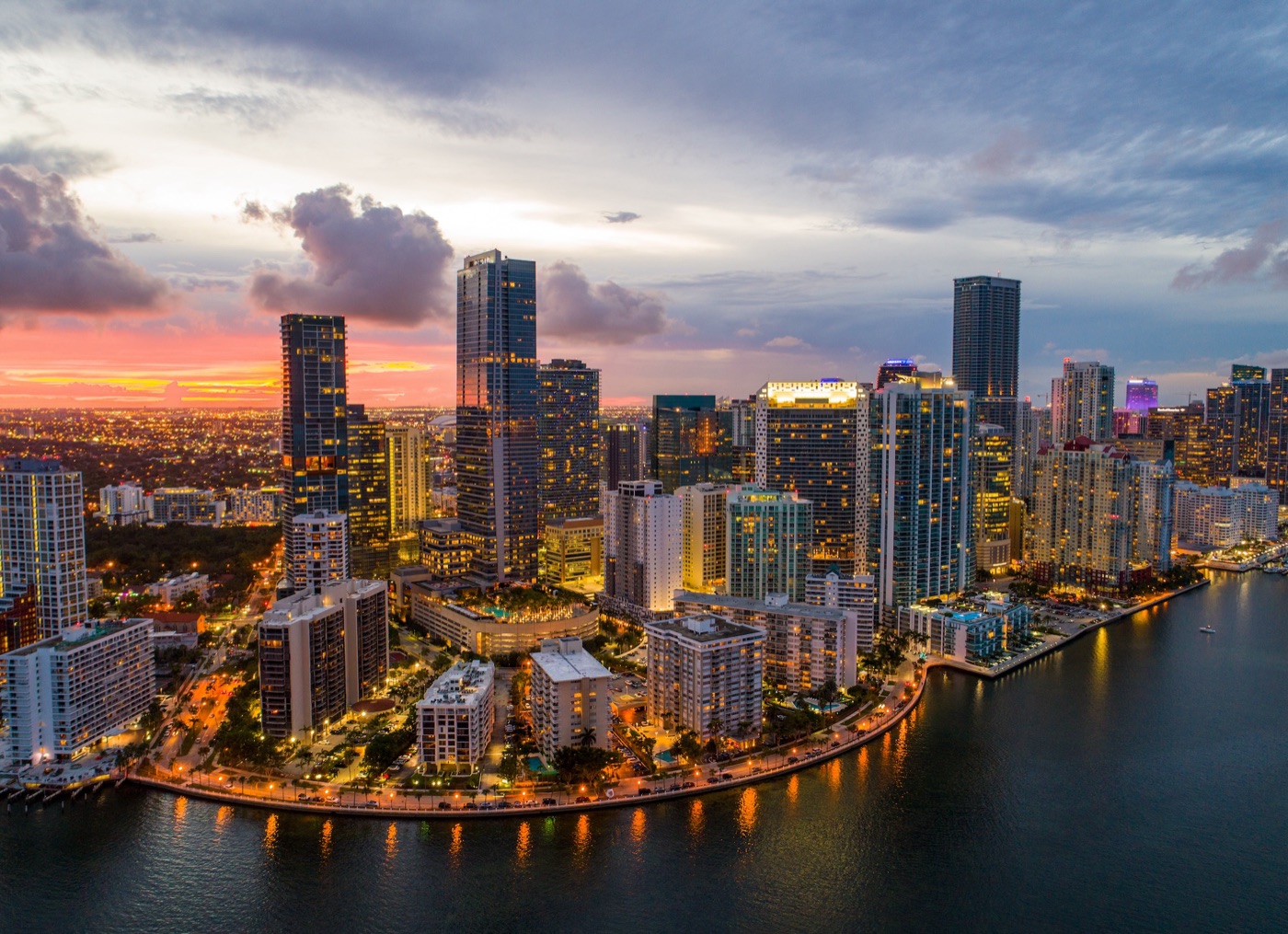
The buildings most actively navigating these new requirements in 2026 tend to fall into two categories: older luxury towers built in the 1990s and early 2000s that are hitting their 25-year and 30-year milestones, and mid-range buildings from the same era that were historically underfunded.
In Brickell, many of the towers built between 1998 and 2006 are in this window. Buildings like The Plaza on Brickell, Bristol Tower, and Brickell on the River have gone through or are completing their milestone reviews. Across the bay in Miami Beach, buildings on Collins Avenue from Mid-Beach to North Beach, many of them built between 1995 and 2005, are in active compliance stages. Sunny Isles Beach has a collection of towers from the early 2000s, including buildings in the Acqualina and Trump Royale corridor, that have completed milestone reviews.
On the newer side, buildings completed after 2015 in Edgewater, like Paraiso Bay and Elysee, and in Brickell, like One Thousand Museum and SLS LUX, are well within their structural life spans and carry modern construction standards. Pre-construction purchases in 2026 in areas like downtown Miami and the Miami River corridor will benefit from the post-Surfside building codes that are now baked into new development permits.
This does not mean older buildings are bad investments. Many of the best-run, most prestigious buildings in Miami are older. The Continuum on South Beach, Apogee, and Icon Brickell all have mature reserve funds and excellent maintenance histories. Age alone is not a disqualifier. How the building has been maintained and funded is what matters.
Red Flags That Should Give Any Buyer Pause
Over the years, I have helped buyers walk away from deals that looked attractive on the surface but revealed serious concerns during due diligence. Here is a summary of the warning signs that consistently prompt me to have a hard conversation with my clients.
First, look for any pending or recently levied special assessments. Florida law requires sellers to disclose known special assessments, but the definition of known can be narrow. If the board minutes show that an engineering report was delivered and the board has scheduled a special meeting to vote on assessment options, that is worth knowing before you close.
Second, check whether the building has had difficulty obtaining or maintaining its property insurance. After 2022, many older Miami buildings faced non-renewals or dramatic premium increases from their carriers. A building that is paying significantly above-market insurance premiums, or worse, that is self-insuring portions of its coverage, carries elevated financial risk.
Third, review any outstanding violations or liens filed by the local municipality. Miami-Dade County and the various city building departments publish these records. A building with an open 40-year recertification notice that has not been resolved is carrying regulatory risk that can affect your ability to finance and later sell the unit.
Specific red flags I look for in every condo due diligence review:
- Phase 2 milestone inspection triggered but not yet completed, with no clear timeline or funding plan
- Reserve fund funded below 30 percent for SIRS components
- Special assessments levied or pending in the last 36 months exceeding $5,000 per unit
- Board meeting minutes showing deferred structural repairs due to budget constraints
- Insurance premium increases above 40 percent in a single renewal cycle
- Ongoing litigation between the association and a contractor, developer, or municipality
- Failure to file milestone inspection report with local building department by the required deadline
- High percentage of units in arrears on HOA fees, typically above 15 percent
What Strong Buildings Look Like and Where to Find Them
The flip side of this conversation is equally important. There are Miami buildings with exceptional structural health, well-funded reserves, and transparent governance, and these buildings are worth every dollar of their premium pricing. Part of my job is helping buyers identify them.
In Bal Harbour, buildings like One Bal Harbour and the St. Regis Residences have benefited from strong HOA governance and consistent capital improvement programs. Monthly fees at these properties run between $2,500 and $5,000 for larger units, and that cost reflects real investment in the building's long-term condition.
On Fisher Island, the private residential community accessible only by ferry, every building undergoes rigorous ongoing maintenance and the reserve funding is among the most robust of any community in South Florida. Prices reflect this, typically starting above $5 million for a residence, but the structural confidence is essentially unmatched.
In Key Biscayne, the community's island geography and generally affluent ownership base have produced well-maintained buildings with active HOA boards. The Ocean Club and Grand Bay Residences are examples of properties with strong structural track records. In Coconut Grove, newer construction like the Park Grove complex brought post-Surfside building standards to a neighborhood known for its stability.
For buyers working with a budget in the $500,000 to $900,000 range, I often look at well-maintained mid-rise buildings in Edgewater and Midtown Miami. Many of these buildings were completed between 2010 and 2018 and are well below their milestone inspection thresholds. The reserve funding tends to be more consistent because the associations have been operating under post-recession governance standards.
Working With Your Lender and Inspector on Structural Concerns
If you are financing a Miami condo purchase, your lender is going to conduct their own review of the building's financial and structural health. Fannie Mae and Freddie Mac tightened their condominium project approval guidelines significantly after Surfside, and lenders now require what is called a condo questionnaire that directly asks about pending special assessments, milestone inspection status, litigation, and reserve funding adequacy.
A building that is currently in Phase 2 of its milestone inspection, or that has deferred critical structural repairs, may not be warrantable under conventional lending guidelines. This means your conventional mortgage may not be approved for that unit regardless of your personal creditworthiness. I have seen deals fall apart at the financing stage because the building, not the buyer, failed the lender's review.
Cash buyers have more flexibility here, but I still encourage every cash buyer I work with to conduct an independent structural review. The $1,500 to $3,000 cost of hiring a licensed structural engineer to review the available inspection reports and walk the building is a fraction of what a future special assessment could cost. I have relationships with several licensed structural engineers in Miami-Dade who specialize in condominium reviews, and I am always glad to make those introductions.
One more note on inspections: the standard home inspection that most buyers order covers the interior of the unit. It does not assess the structural condition of the building. These are two completely separate reviews, and both matter. Do not assume that passing a unit inspection means the building is structurally sound.
How I Advise My Clients to Make the Final Decision
After going through the milestone inspection report, the SIRS, the financials, and the board minutes, I sit down with my clients and we make a decision together. The goal is never to simply find reasons to walk away. The goal is to understand exactly what you are buying and price the risk appropriately.
If a building has a fully funded SIRS, a clean Phase 1 milestone report, no pending litigation, and well-managed insurance, I feel confident recommending it at or near asking price. If the building has a Phase 2 underway with no special assessment yet levied, we negotiate hard and sometimes include contract contingencies tied to the outcome of the inspection. If the building is severely underfunded and carrying deferred structural repairs, I typically advise my clients to walk away unless the price accounts for the full projected remediation cost.
My Latin American clients, many of whom are purchasing Miami real estate from Colombia, Venezuela, Argentina, Brazil, and Mexico, are particularly sensitive to structural risk after years of living through infrastructure challenges in their home countries. Hablamos Espanol, and these conversations about building safety and financial transparency are ones I have in detail with my Spanish-speaking clients so that nothing gets lost in translation. Understanding a SIRS or a milestone inspection report in your own language makes the decision process much clearer.
If you are considering a condo purchase anywhere in Miami and you want someone to walk through these documents with you and give you an honest assessment, call me at (954) 833-0020. This is one of the most important financial decisions you will make, and you deserve to go into it with full information.
Buy Your Miami Condo With Confidence
Structural integrity, reserve funding, and HOA health are the factors that separate a great investment from a costly mistake. Call Rangely Adames at (954) 833-0020 and let's find the right building for you.
Related Articles
February 2026 · 9 min read
Aventura Real Estate Guide: Condos, Schools & Lifestyle (2026)
Luxury high-rises, top-rated schools, and the Aventura Mall — why families and investors love this North Miami suburb.
Read article →February 2026 · 9 min read
Airbnb Investment Properties in Miami: Rules, ROI & Best Areas
Short-term rental regulations, income projections, and the best Miami neighborhoods for Airbnb investing.
Read article →July 2026 · 10 min read
Bay Harbor Islands Real Estate Guide: Homes, Condos & Market (2026)
Waterfront homes with private docks, boutique condos, and a top-rated K-8 school make Bay Harbor Islands one of Miami's best-kept secrets. A bilingual 2026 buyer guide with prices and consejos para compradores. Hablamos Espanol.
Read article →