How to Negotiate a Luxury Condo Price in Miami (2026)
By Rangely Adames • September 2026 • 11 min read
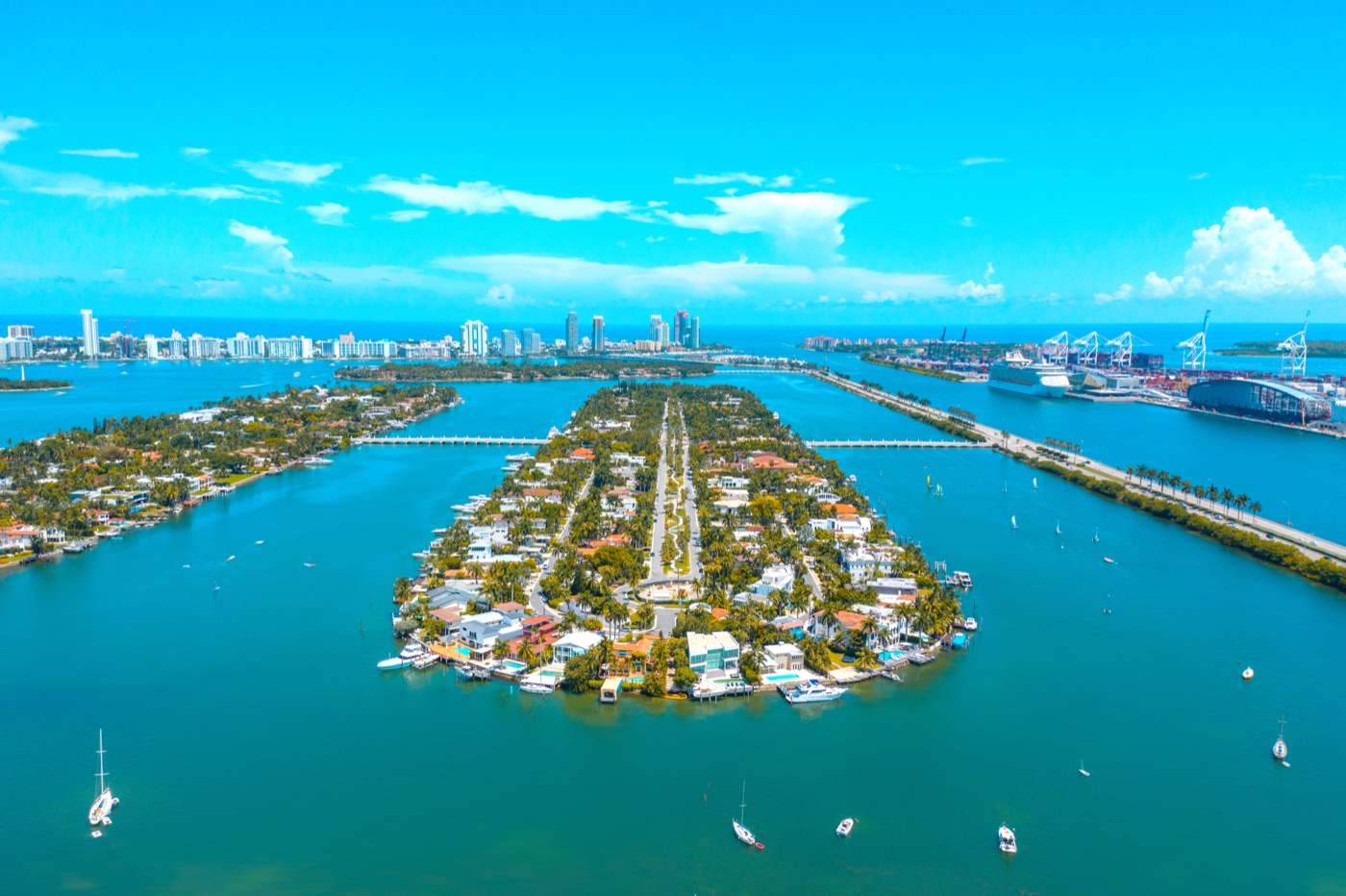
Buying a luxury condo in Miami is one of the most significant financial decisions you will ever make, and how you negotiate can be the difference between leaving money on the table and walking away with real value. I work with buyers every week in Brickell, Edgewater, Sunny Isles Beach, Miami Beach, and Coconut Grove, and I can tell you that negotiation in this market is nothing like what you see in other cities. Sellers here are often sophisticated, sometimes international, and almost always emotionally attached to a price they believe is justified by the Miami lifestyle premium.
The Miami luxury condo market in 2026 is not a straightforward seller's market or buyer's market. Depending on the building, the floor, the view, and the unit's history, conditions shift dramatically from one listing to the next. A unit in a building like Aria on the Bay in Edgewater might receive multiple offers the same week it hits the market, while a similar-sized unit in a less well-managed building two blocks away might sit for 90 days with room to negotiate. Knowing which situation you are walking into before you make an offer is what separates informed buyers from frustrated ones.
In this post, I am sharing the negotiation strategies I use with my own clients, including how to read seller motivation, what contingencies actually protect you, and how to structure an offer that gets accepted without overpaying. If you are a Latin American buyer navigating this process from abroad, know that I work extensively with international clients and Hablamos Espanol. Call me directly at (954) 833-0020 and I will walk you through every step.
Ready to Make a Smart Offer?
I help buyers negotiate Miami luxury condos with confidence and clarity. Hablamos Espanol. Call (954) 833-0020 to discuss your search today.
Call (954) 833-0020Understand the Building Before You Understand the Price
Before I even talk price strategy with a buyer, I spend time analyzing the building itself. In Miami, the building's financial health, management reputation, and reserve fund status can shift your negotiating position more than any other factor. A unit priced at $1.8 million in a building with a pending special assessment of $40,000 per unit is not a $1.8 million unit. It is a $1.84 million unit at minimum, and that changes your entire offer framework.
I always pull the condo association's most recent financials, meeting minutes, and reserve study before my clients make an offer. In Brickell, buildings like SLS Lux and Reach at Brickell City Centre tend to have well-funded reserves and professional management, which supports seller pricing. In contrast, some older buildings along Collins Avenue in Miami Beach are dealing with post-Surfside recertification costs and deferred maintenance that create real negotiating room for buyers.
When I find a building with financial stress or unresolved structural concerns, I use that information tactfully. I do not go in with an insulting offer. Instead, I frame the buyer's concerns as legitimate due diligence and ask the seller to either remedy the issue before closing or reduce the price to reflect the real cost of ownership. That approach works far more often than a blunt lowball.
Explore on rangelyadames.com
Read the Seller's Motivation, Not Just the Listing Price
The listing price tells you where a seller started. The seller's motivation tells you where they might actually go. In my experience, the most negotiable sellers in the Miami luxury market fall into a few categories: developers sitting on unsold inventory in a completed building, individual sellers who have already purchased another property and are carrying two mortgages, estate sales where heirs want a clean exit, and foreign sellers who are liquidating Miami holdings for reasons tied to currency or geopolitics back home.
When a unit has been on the market for more than 60 days in a building with active comps selling quickly, that is a signal. I look at the listing history carefully. Has the price been reduced once or twice already? Has it been relisted under a different MLS number to reset the days-on-market counter? These patterns tell me a lot about how much pressure the seller is under.
For new construction or developer inventory, the dynamic is different. Developers in Edgewater, Wynwood, and along the Brickell corridor often hold firm on list price but negotiate on what I call the soft terms. That includes paid HOA fees for the first year, appliance upgrades, parking space assignments, and storage units. I have negotiated packages worth $30,000 to $60,000 in concessions on pre-construction units where the developer would not move a dollar on price. Knowing where the flexibility lives is everything.
Price Per Square Foot Is Your Anchor
Luxury condo buyers in Miami often get distracted by total price. I always redirect them to price per square foot because that is the metric that levels the playing field across units and buildings. If comparable units in the same building sold for $850 to $950 per square foot over the last six months, and the unit you want is listed at $1,100 per square foot, you have a fact-based argument that does not feel personal to the seller.
In Sunny Isles Beach, beachfront buildings like Porsche Design Tower and Residences by Armani Casa regularly trade at $1,500 to $2,500 per square foot for higher floors with direct ocean views. But units on lower floors with obstructed views in the same building sometimes trade at $1,100 to $1,300 per square foot. If a seller is pricing a low-floor unit at high-floor values, the price-per-square-foot comparison is your most effective tool.
I build a comparable sales analysis for every offer I write. I pull closed sales from the last six months in the same building first, then expand to comparable buildings in the same neighborhood if the sample size is too small. I present this to my clients before we agree on an offer price so they feel confident in the number and can speak to it if the seller pushes back.
Structure the Offer to Win, Not Just to Save Money
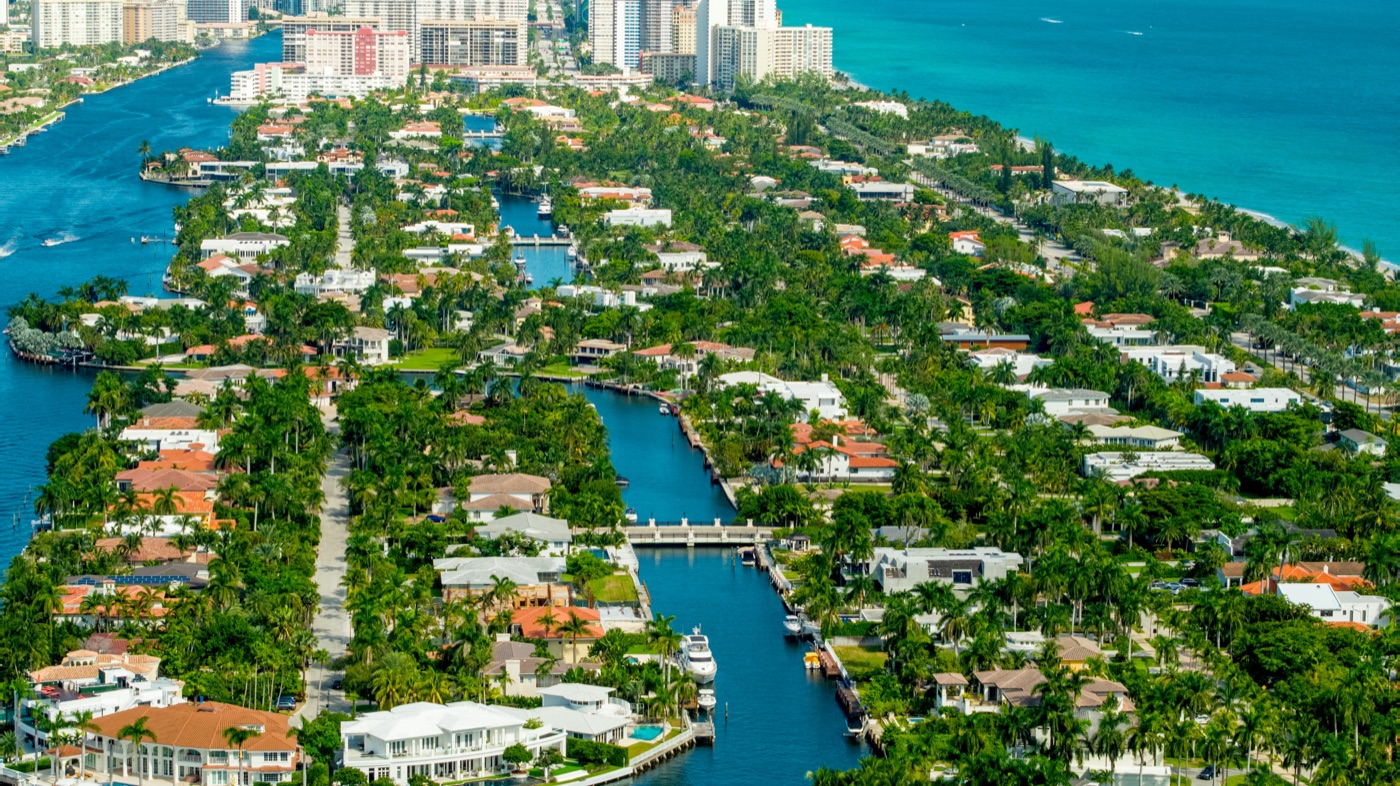
A common mistake I see from buyers working with less experienced agents is treating every element of an offer as a cost to minimize. That approach often kills deals. In the Miami luxury market, sellers evaluate the full picture: price, deposit amount, contingency periods, closing timeline, and buyer credibility. A slightly lower offer with a larger deposit and a clean financing pre-approval often beats a higher offer that comes with a laundry list of demands and a 45-day inspection period.
Here is how I structure offers to be competitive while still protecting my buyers. I recommend a deposit of at least 10 percent of the purchase price, placed in escrow within three days of contract execution. For a $2 million unit, that is $200,000, and it signals serious intent. I keep the inspection period to 15 days, not 30, because most luxury condo buyers are not doing a teardown renovation. They just need to confirm the unit is in the condition represented.
For financing contingencies, I work closely with lenders who specialize in Miami luxury purchases, including international buyer financing. If my client is paying cash, I make sure the proof of funds letter is clean and current. A cash offer with a 21-day closing is a very different offer than a financed offer with a 60-day close, even if the price is identical. Sellers in buildings like One Thousand Museum or Aston Martin Residences are often selling to move capital efficiently, and speed matters to them.
Contingencies That Protect You Without Killing the Deal
Contingencies are not signs of weakness. They are legitimate protections that any informed buyer should include. The three I almost never waive for luxury condo purchases in Miami are the inspection contingency, the condo document review period, and the financing contingency when applicable.
Florida law gives buyers the right to review condo documents, including the declaration of condominium, bylaws, rules and regulations, most recent budget, reserve fund study, and meeting minutes. You have three business days after receiving those documents to cancel the contract and receive your deposit back. I always use this period, even if we expect everything to be fine. I have had clients pull out of deals because the meeting minutes revealed a pending lawsuit against the building, or because the reserve fund was funded at less than 20 percent of the required amount. Those are real risks worth knowing before you close.
For the inspection, I use licensed inspectors who specialize in high-rise luxury condos. They know to look at HVAC system age and access, plumbing beneath the flooring, electrical panel condition, window and slider seal integrity, and balcony waterproofing. A unit on the 35th floor of a building in Bal Harbour with original windows from 2005 may need $80,000 in window replacements that are not immediately obvious. That finding becomes part of your negotiation, not a surprise after closing.
When to Walk Away and When to Push Through
One of the hardest parts of negotiating a luxury condo purchase is knowing when the deal is not worth saving. I have worked with buyers who became emotionally attached to a unit in a building in Miami Beach or Key Biscayne, and that attachment cost them negotiating leverage. When a seller knows you are in love with a property, they stop negotiating.
I tell my clients early in the process to identify two or three units they would be happy with, not just one. That mindset shift is genuinely powerful. When you have a backup option you like, you are willing to walk away, and sellers feel that. Some of my best negotiated deals came after a buyer and I walked away from a first counter-offer, waited five to seven days, and had the seller come back to us at a significantly better number.
At the same time, there are units worth fighting for even at a strong price. In buildings with long waiting lists, limited inventory, and historically strong resale performance, like the Four Seasons Residences in Brickell or the Ritz-Carlton Residences in Coconut Grove, paying closer to asking price is often the right financial decision. The future resale value in those buildings supports the investment in a way that a non-branded building does not. Context matters more than any single rule about how far below list price you should offer.
Key Negotiation Leverage Points to Use in Miami
Every transaction has pressure points where buyers can create leverage. After years of working in this market, here are the ones I use most consistently for luxury condo buyers in Miami.
Use these leverage points strategically, depending on what your market research reveals about each specific listing.
When you use these points with factual support and a respectful tone, you are not insulting the seller. You are doing what any sophisticated buyer would do, and most sellers respect that even when they push back initially.
The most effective leverage points for Miami luxury condo buyers include:
- Days on market: Units listed for more than 60 days in an active building are almost always negotiable, and sellers who have already reduced price once are often willing to reduce again.
- Pending special assessments: Any known or likely assessment is a direct dollar-for-dollar reduction in your offer price, and you should document it clearly in writing.
- Reserve fund shortfalls: Buildings with reserves funded below 50 percent of required levels face future assessment risk, which justifies a lower offer price.
- Deferred maintenance visible during inspection: Water intrusion, aging HVAC units, cracked tile in the unit, and worn-out appliances all give you documented grounds to request a price reduction or seller credit at closing.
- View or floor compromises: A unit listed at a price reflecting full ocean views but with partial obstruction from a neighboring tower is mispriced, and price-per-square-foot data from comparable floors makes that case clearly.
- Carrying costs during a long close: If a seller is in no hurry and you need 60 days, offer to compensate with a larger deposit rather than a higher price. That protects your cash while giving the seller comfort.
- Rental restriction changes: Buildings that recently voted to restrict short-term rentals have materially affected resale value for investment-focused buyers, which supports a lower offer.
Working with an Agent Who Knows This Market
I cannot overstate how much the right agent matters in a luxury condo negotiation. This is not a transaction where a generalist real estate agent is adequate. The Miami luxury condo market has specific building-by-building nuances, a significant international buyer and seller pool, and financial complexity that requires specialized knowledge.
I have been representing buyers and sellers in this market for years, and I know the buildings, the developers, the listing agents, and the conditions that affect value in each submarket. When I submit an offer on behalf of a buyer, I have usually already spoken with the listing agent to understand the seller's priorities. I know whether they care more about price, speed, or certainty of close. That information shapes how I structure the offer before a single number is on paper.
For my Latin American clients buying from Colombia, Venezuela, Argentina, Mexico, Brazil, and elsewhere, I provide full guidance in Spanish and help navigate the additional layers of international wire transfers, FIRPTA considerations, and cross-border financing options. Hablamos Espanol, and I understand the unique concerns that come with buying real estate in the United States from abroad. Call me at (954) 833-0020 and let us talk through what you are looking for and where the real opportunities are right now in Miami.
Let's Find Your Miami Luxury Condo the Right Way
Whether you are buying your first Miami condo or adding to an existing portfolio, I bring the market knowledge and negotiation experience to get you the best outcome. Call (954) 833-0020 and let's get started.
Related Articles
February 2026 · 9 min read
Aventura Real Estate Guide: Condos, Schools & Lifestyle (2026)
Luxury high-rises, top-rated schools, and the Aventura Mall — why families and investors love this North Miami suburb.
Read article →February 2026 · 9 min read
Airbnb Investment Properties in Miami: Rules, ROI & Best Areas
Short-term rental regulations, income projections, and the best Miami neighborhoods for Airbnb investing.
Read article →July 2026 · 10 min read
Bay Harbor Islands Real Estate Guide: Homes, Condos & Market (2026)
Waterfront homes with private docks, boutique condos, and a top-rated K-8 school make Bay Harbor Islands one of Miami's best-kept secrets. A bilingual 2026 buyer guide with prices and consejos para compradores. Hablamos Espanol.
Read article →