Selling Your Miami Home to Buy a Luxury Condo (2026 Guide)
By Rangely Adames • May 2026 • 11 min read
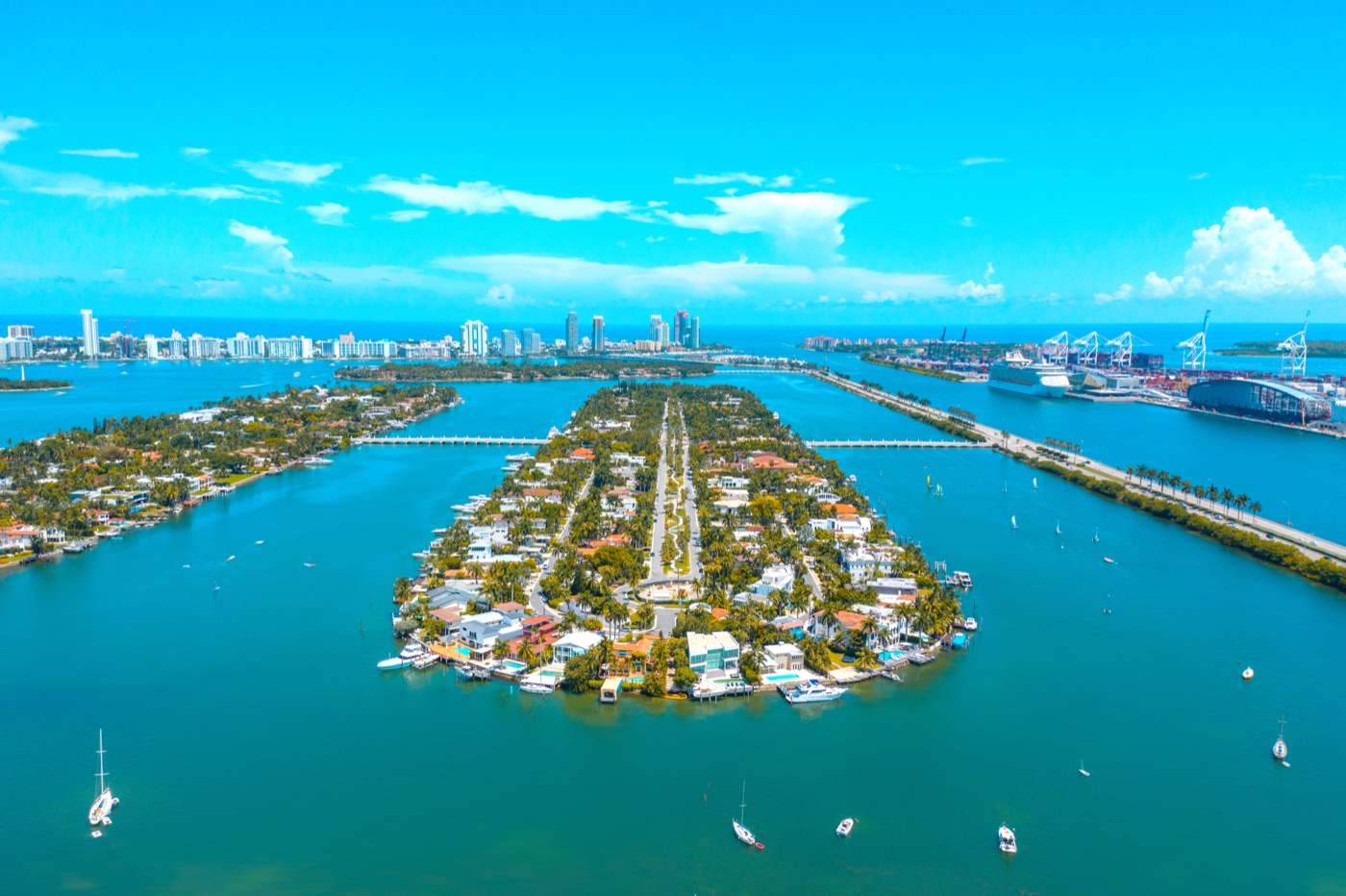
Every few months I sit across from a homeowner in Coral Gables or Pinecrest who has made a decision: the four-bedroom house with the pool and the lawn and the three-car garage served its purpose for twenty years, and now it is time to simplify. Sometimes the kids are grown and gone. Sometimes they just got tired of weekend maintenance calls. Sometimes they watched a friend move into a full-amenity tower in Brickell and thought, why am I still managing a sprinkler system? Whatever the reason, the move from a single-family home to a luxury condo is one of the most common transitions I help clients navigate in Miami.
What makes this transition uniquely complicated here is that you are not just changing a floor plan. You are changing your relationship with the city. A house in Pinecrest or Kendall gives you space, privacy, and a yard. A condo in Edgewater or Sunny Isles gives you a bay view, a concierge, a rooftop pool, and the ability to lock the door and fly to Europe for a month without worrying about anything. Both lifestyles are legitimate. The question is whether you are ready for the trade-offs, and whether you have someone helping you execute both the sale and the purchase in the right sequence.
I have guided dozens of clients through this exact process, and I want to walk you through what it actually looks like in Miami in 2026. That means talking about realistic timelines, which neighborhoods and buildings deserve your attention, what your single-family home equity can buy you in the condo market today, and the financial details most people do not think about until it is too late. If you are bilingual or primarily Spanish-speaking, my team handles everything in Spanish from the first showing to the closing table. Hablamos Espanol, and we work with Latin American buyers and sellers across Miami-Dade every week.
Ready to Start Planning Your Move?
I help Miami homeowners sell smart and buy the right condo the first time. Hablamos Espanol. Call (954) 833-0020 to schedule a no-pressure conversation about your timeline and goals.
Call (954) 833-0020Why So Many Miami Homeowners Are Making This Move Right Now
Single-family home values in Miami-Dade have climbed substantially since 2020. Median prices in neighborhoods like Coral Gables, Coconut Grove, and South Miami have risen anywhere from 40 to 65 percent over that stretch, depending on the street and the condition of the property. That means a homeowner who bought a four-bedroom in the Gables in 2015 for $900,000 may now be sitting on a property worth $1.5 million or more. That is a significant amount of equity to deploy.
At the same time, the luxury condo market in Miami has expanded dramatically. Buildings like Residences by Armani Casa in Sunny Isles, Aston Martin Residences in downtown Miami, and One Thousand Museum in the Arts District have set a new standard for what full-service living looks like here. You are not just buying a condo. You are buying into a building that has a dedicated staff, a private spa, climate-controlled wine storage, and in some cases a private marina slip.
The math works for a lot of people right now. You sell a house that requires ongoing maintenance, landscaping, pest control, and periodic capital improvements, and you convert that equity into a condo where the building handles the exterior, the common areas, and in many cases the systems. You simplify your life, you free up your weekends, and you often land in a location that is closer to the restaurants, culture, and energy that drew you to Miami in the first place.
Explore on rangelyadames.com
Getting the Timing Right: Sell First or Buy First?
This is the question I get more than any other when clients start planning this kind of move, and the honest answer is that it depends on your financial position, your risk tolerance, and the specific condo you are targeting.
If you are buying a pre-construction condo, the timing question becomes simpler. Most pre-construction contracts in Miami require deposits of 10 to 30 percent at signing, with additional milestone payments over the construction period, which can run 18 to 36 months. That gives you time to sell your house before the final closing payment is due. I have worked with clients who signed a pre-construction contract at Cipriani Residences in Brickell, for example, and used the construction timeline to carefully sell their Coconut Grove home at a price they were satisfied with, rather than being forced to discount.
If you are buying a resale condo, the calculus is different. You may need to close quickly, especially in competitive buildings where inventory is thin. In that case, I often help clients explore bridge financing, which lets you purchase the condo using a short-term loan secured against your existing home equity, then repay the bridge loan when your house sells. It is not a solution for everyone, but it eliminates the pressure of a contingent offer in a market where sellers of premium units rarely need to accept one.
In my experience, the worst outcome is when a client sells their house fast, banks the cash, and then spends six months realizing they did not have a clear plan for what they wanted to buy. They end up renting temporarily, moving twice, and often overpaying for a condo because they feel urgency. Do your condo research first. Know the buildings you want. Know the floors, the views, the HOA fees. Then put your house on the market.
What Your Home Equity Can Buy in Miami Luxury Condos Today
Let me give you some real reference points so you can calibrate your expectations. These are approximate price ranges I am working with in 2026 across the primary luxury condo markets in Miami.
In Brickell, you can find solid two-bedroom units in established buildings like SLS LUX or Brickell Heights starting around $850,000 to $1.1 million. True luxury three-bedroom units in top-tier buildings like Echo Brickell or 1010 Brickell run $1.4 million to $2.5 million. Penthouses and half-floor units go well above that.
In Edgewater, buildings like Missoni Baia and Elysee Miami have become benchmarks. Two-bedroom units are generally priced between $1 million and $1.6 million. Three-bedrooms with direct bay views range from $1.8 million to $3 million depending on floor and finish.
Sunny Isles Beach remains one of the most popular destinations for Latin American buyers and for homeowners trading in from Doral, Kendall, or Aventura. You can find two-bedroom units in Porsche Design Tower, Regalia, or Turnberry Ocean Club for $1.5 million to $2.5 million. Full-floor penthouses in Sunny Isles regularly close above $8 million.
Coconut Grove has quietly become a luxury condo destination of its own. Grove at Grand Bay and Park Grove both offer a more intimate scale than the towers in Brickell, with two- and three-bedroom units ranging from $1.2 million to $3.5 million. For clients who love the Grove lifestyle but are ready to leave a house behind, these buildings make a lot of sense.
Key Biscayne is a different market entirely. Inventory is extremely limited and prices reflect that scarcity. Two-bedroom condos in buildings like the Ritz-Carlton Residences or Grand Bay start at $1.5 million and go up sharply from there. Waterfront units in smaller boutique buildings can reach $4 million to $6 million for mid-floor three-bedrooms.
HOA Fees and Monthly Costs: What to Budget For
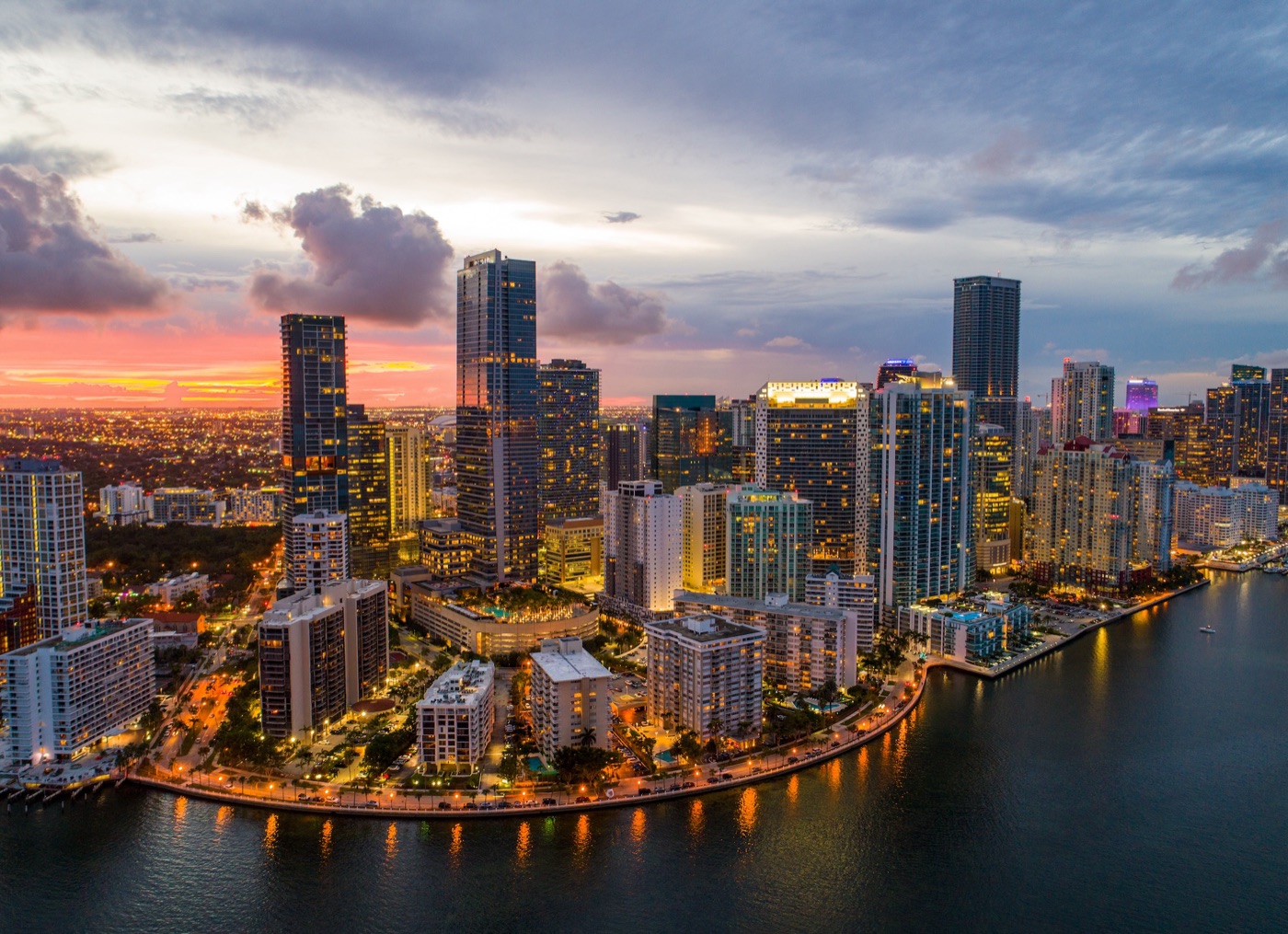
This is where I see homeowners get surprised most often. They calculate the purchase price, they estimate their mortgage or their all-cash position, and then they discover that a luxury condo in Miami carries monthly HOA fees that can run from $1,500 to over $6,000 depending on the building and the unit size.
To give you concrete examples: at Porsche Design Tower in Sunny Isles, HOA fees on a mid-size unit run approximately $3,500 to $5,000 per month. At Echo Brickell, fees on two- and three-bedroom units range from roughly $2,200 to $3,800 per month. At Elysee Miami in Edgewater, you are looking at $2,500 to $4,000 per month depending on the unit.
What do those fees cover? In most luxury buildings they include water, basic cable and internet, building insurance on the structure, valet parking, concierge service, maintenance of all amenities, and reserve fund contributions. They do not cover your personal contents insurance, your electricity, or your property taxes.
Speaking of property taxes: Miami-Dade County's millage rate for 2025 to 2026 runs approximately 1.9 to 2.1 percent of assessed value for non-homesteaded properties. If you are buying a condo as your primary residence, you will want to file for the Florida Homestead Exemption, which reduces your assessed value by $50,000 and caps your annual assessment increases at 3 percent going forward. I walk every client through this filing because it saves thousands of dollars per year.
The overall monthly cost picture for a luxury condo owner in Miami often surprises people who were used to a house. But when you factor in what you are no longer paying, including landscaping, pest control, pool service, roof maintenance, and the occasional $15,000 HVAC replacement, the numbers often look more balanced than they first appear.
Choosing the Right Building: Questions That Matter
Not every luxury building in Miami is the same, and picking the right one is as important as picking the right neighborhood. I have seen buyers fall in love with a unit and a view, only to discover after closing that the building's reserve fund is underfunded, or that a special assessment is coming down the pipeline, or that short-term rental restrictions conflict with their plans.
Here are the questions I tell every client to investigate before making an offer on a luxury condo in Miami:
First, ask for the most recent financial statements and reserve fund study. Since the Surfside collapse in 2021, Florida law has tightened requirements around building inspections and reserve funding, particularly for buildings over three stories and over 25 years old. A well-run building will show you a reserve fund that is adequately funded relative to anticipated repairs.
Second, understand the rental policy. Some buildings like Continuum on South Beach and St. Regis Bal Harbour have rental restrictions that limit how often and for how long you can rent your unit. Others, especially buildings with hotel programs, are more permissive. Know where you stand before you buy.
Third, ask about pending litigation and special assessments. These are material facts that must be disclosed in Florida, but they are sometimes buried. I always request the association's full meeting minutes for the past two years before my clients make an offer.
Fourth, evaluate the building's milestone inspection status. Under Florida's new building safety laws, buildings must complete milestone inspections and structural integrity reserve studies on a set schedule. A building that has completed these inspections without major findings is a safer bet than one that has deferred them.
The key questions to ask before buying into any Miami luxury condo building:
- Is the reserve fund adequately funded per the most recent reserve study?
- What are the rental restrictions, minimum lease terms, and application fees?
- Are there any pending special assessments or active litigation against the association?
- Has the building completed its Florida milestone inspection and structural integrity reserve study?
- What is the owner-to-renter ratio, and does it meet conventional lending guidelines?
- What are the pet policies, vehicle limits, and move-in or move-out fees?
- Does the building have a hotel program, and if so, how does that affect owner access to amenities?
Preparing Your Miami Home for Sale to Maximize What You Walk Away With
The stronger your home sale, the better your position on the condo purchase. I have seen sellers leave $50,000 to $150,000 on the table by rushing their listing or skipping basic preparation steps. Here is what I tell homeowners who are planning this transition.
Start the preparation process three to six months before you plan to list. That means completing any deferred maintenance, repainting interior walls in neutral tones, updating fixtures in kitchens and bathrooms if the originals are more than ten years old, and professionally staging the home. In Coral Gables and Coconut Grove especially, buyers at the $1.5 million to $3 million price point are detail-oriented. They will notice the cracked grout in the master bath and they will use it to negotiate.
Price the home correctly from day one. Overpricing in Miami's current market leads to extended days on market, which signals to buyers that something is wrong even when nothing is. A home that comes out at the right price and generates multiple showings in the first two weeks will almost always net more than one that sits for 60 days and requires a reduction.
Work with a photographer and videographer who specialize in real estate. Aerial drone footage matters enormously for Miami homes, especially those with pools, waterfront access, or significant lot size. The vast majority of buyers begin their search online, and the quality of your visual presentation determines whether they call to schedule a showing.
Finally, understand your seller closing costs before you go under contract. In Miami-Dade, sellers typically pay the owner's title insurance policy, real estate commissions, documentary stamp taxes of $0.70 per $100 of the sale price, and any outstanding HOA or assessment balances. On a $1.5 million home sale, total seller closing costs often run between $60,000 and $100,000 depending on the commission structure and any seller concessions negotiated.
Tax Considerations When You Sell and Buy in the Same Market
Florida has no state income tax, which is one of the reasons Miami real estate has attracted so many buyers from New York, California, and Latin America over the past decade. But federal capital gains tax still applies to the profit you make when you sell your primary residence, and the details matter.
The IRS allows single filers to exclude up to $250,000 in capital gains on the sale of a primary residence, and married couples can exclude up to $500,000, provided you have lived in the home as your primary residence for at least two of the five years before the sale. If your gain exceeds that exclusion, the excess is subject to federal capital gains tax at 15 or 20 percent depending on your income bracket.
For a homeowner who bought in Coral Gables in 2012 for $700,000 and is now selling for $1.8 million, the gain after accounting for improvements and selling costs might be around $900,000. A married couple would exclude $500,000 and pay capital gains on $400,000. At a 20 percent rate, that is an $80,000 federal tax bill that should be factored into your net proceeds.
I am not a CPA and I always encourage my clients to speak with one before they finalize their plans. But I do make sure the conversation happens early, because tax planning before the sale closes is far more useful than tax planning after. If you are a foreign national selling a Miami property, FIRPTA withholding rules add another layer of complexity that requires attention from both a real estate attorney and a tax advisor.
Working With a Bilingual Agent Who Knows Both Sides of This Transaction
One of the things that distinguishes my practice from a generalist agent is that I have deep experience on both sides of this specific transaction. I know what it takes to price and sell a Coral Gables or Coconut Grove home at a strong number, and I know which condo buildings in Brickell, Edgewater, Sunny Isles, and Key Biscayne are worth buying into versus which ones carry hidden risks.
A lot of agents in Miami do one or the other well. They are either house people or condo people. When you are doing this kind of move, you need someone who can manage both sides of the deal simultaneously, coordinate the timing, and make sure you are not left homeless between closings or forced into a rushed purchase because your house sold faster than expected.
I work with clients from Colombia, Venezuela, Argentina, Mexico, Brazil, and across the United States who are navigating exactly this kind of transition. For my Spanish-speaking clients, everything happens in Spanish from the first conversation to the final closing documents. Hablamos Espanol, and that matters when you are making one of the most significant financial decisions of your life.
If you are thinking about selling your Miami home and moving into a luxury condo, I would genuinely enjoy a conversation about your situation. Every client's timeline, financial position, and lifestyle goals are different, and the right strategy for you depends on those specifics. Call me at (954) 833-0020 and let's talk through what this transition could look like for you.
Let's Make Your Condo Move Happen
Whether you are six months out or ready to list next week, call Rangely Adames at (954) 833-0020 and let's build a plan that gets you from your Miami home to the luxury condo you actually want.
Related Articles
February 2026 · 9 min read
Aventura Real Estate Guide: Condos, Schools & Lifestyle (2026)
Luxury high-rises, top-rated schools, and the Aventura Mall — why families and investors love this North Miami suburb.
Read article →February 2026 · 9 min read
Airbnb Investment Properties in Miami: Rules, ROI & Best Areas
Short-term rental regulations, income projections, and the best Miami neighborhoods for Airbnb investing.
Read article →July 2026 · 10 min read
Bay Harbor Islands Real Estate Guide: Homes, Condos & Market (2026)
Waterfront homes with private docks, boutique condos, and a top-rated K-8 school make Bay Harbor Islands one of Miami's best-kept secrets. A bilingual 2026 buyer guide with prices and consejos para compradores. Hablamos Espanol.
Read article →