First-Time Luxury Condo Buyer's Guide for Miami (2026)
By Rangely Adames • September 2026 • 12 min read
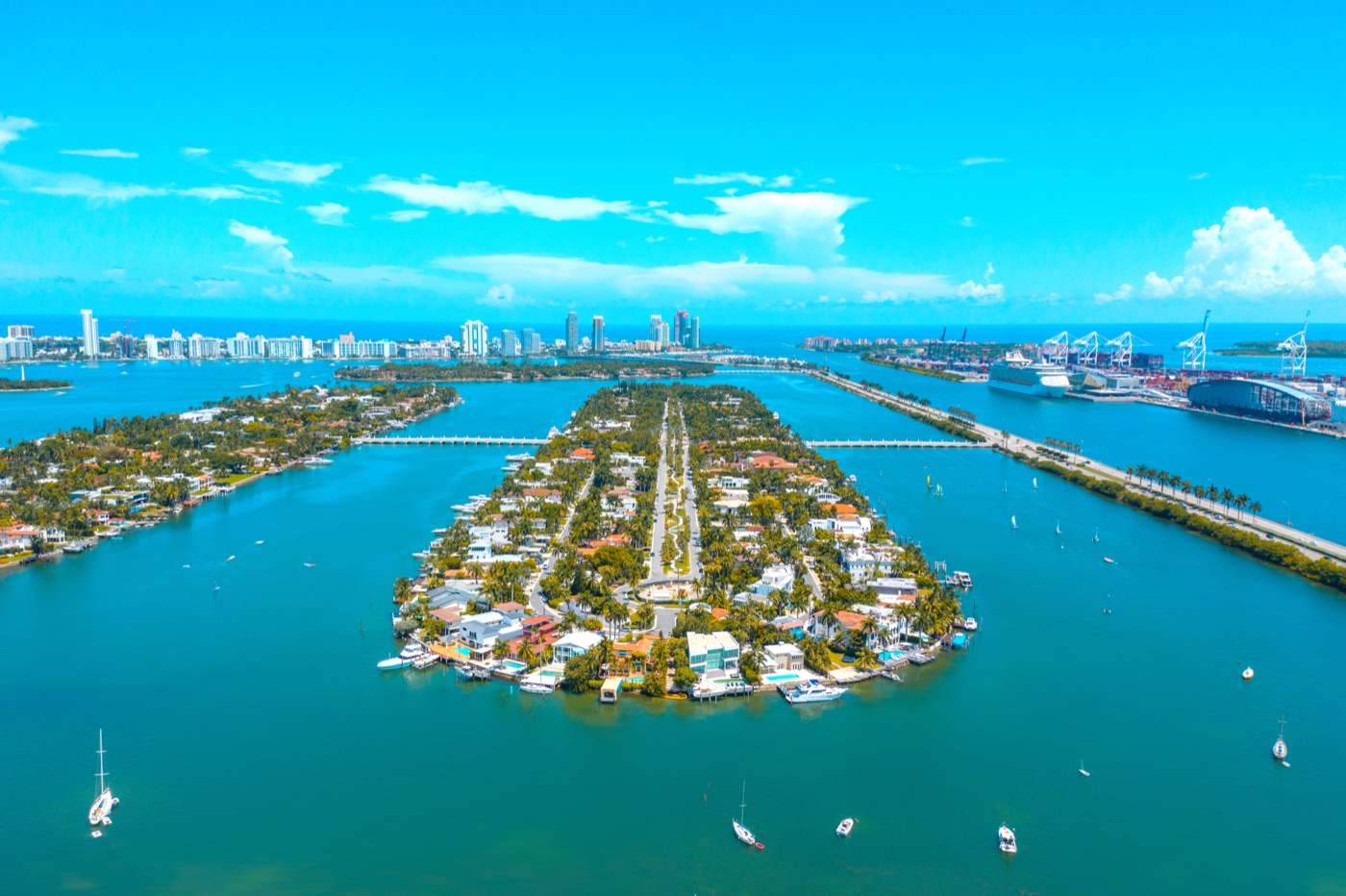
Buying your first luxury condo in Miami is one of the most exciting financial decisions you will ever make. I work with first-time luxury buyers every week, and I can tell you that the experience in Miami is genuinely different from purchasing a condo in New York, Los Angeles, or anywhere else in the country. The market here moves fast, the buildings each have their own rules and financial health, and the details that separate a great purchase from a costly mistake are not always obvious until it is too late.
I have helped buyers close on their first luxury unit in Brickell, Edgewater, Miami Beach, Coconut Grove, and Bal Harbour, among many other neighborhoods. What I notice consistently is that the buyers who feel most confident at the closing table are the ones who understood the process before they ever made an offer. This guide is my attempt to give you that foundation, whether you are relocating from the Northeast, investing from Latin America, or simply moving up from a starter home here in South Florida.
We also serve a large number of Latin American clients who are navigating this process for the first time from abroad. Hablamos Espanol, and my team is fully prepared to walk you through every document and decision in whichever language makes you most comfortable. If you have questions at any point while reading this, call me directly at (954) 833-0020 and we can talk through your specific situation.
Ready to Find Your First Miami Luxury Condo?
I work with first-time luxury buyers every week across Miami's best neighborhoods. Hablamos Espanol. Call (954) 833-0020 and let's build your search strategy together.
Call (954) 833-0020Setting a Realistic Budget Before You Start Shopping
The first mistake I see first-time luxury condo buyers make in Miami is confusing purchase price with total cost of ownership. A $1.2 million unit in a full-service Brickell tower might carry monthly HOA fees between $1,800 and $3,500 depending on the building's amenities and reserve fund status. A $2.5 million unit in a boutique Coconut Grove building might have fees closer to $1,200 per month because the building is smaller and offers fewer services.
Property taxes in Miami-Dade County run approximately 1.8 to 2.1 percent of assessed value annually for non-homesteaded properties. If you are not using the condo as your primary Florida residence, do not expect the homestead exemption to apply. On a $1.5 million unit, that means roughly $27,000 to $31,500 per year in property taxes alone. Add your HOA fees, insurance, and any financing costs, and your true monthly carrying cost can be significantly higher than your mortgage payment suggests.
I always recommend that buyers come into the search with a clear picture of their monthly comfort zone, not just their maximum purchase price. From there, we work backward to identify the price range and buildings that make sense. In my experience, buyers who start with that discipline end up much happier six months after closing.
Explore on rangelyadames.com
Choosing the Right Miami Neighborhood for Your Lifestyle
Miami is not one market. It is a collection of distinct neighborhoods, each with its own personality, price range, and buyer profile. Getting this decision right is arguably more important than any other choice you will make in the process.
Brickell is the urban core. If you want walkability, proximity to financial institutions, a buzzing restaurant scene, and a building that feels like a five-star hotel, Brickell delivers. Luxury condos here range from around $700,000 for a one-bedroom in an established building to well over $4 million for a penthouse in a newer tower. The neighborhood attracts young professionals, international executives, and investors who want strong rental demand.
Edgewater sits just north of downtown and has transformed dramatically over the past decade. Buildings like Elysee and Missoni Baia brought design-forward architecture and a quieter Biscayne Bay waterfront experience to buyers who want luxury without the Brickell density. Prices here typically start around $800,000 for well-appointed two-bedroom units and climb past $3 million for direct bay-view floors in premium buildings.
Miami Beach encompasses everything from South Beach to Mid-Beach to North Beach, and the experience varies greatly depending on where you land. Bal Harbour and Sunny Isles Beach offer some of the most prestigious ocean-facing addresses in the country, with many buildings requiring a minimum purchase of $1.5 million and some penthouses listed north of $20 million. Coconut Grove appeals to buyers who want tree-lined streets, a marina lifestyle, and a neighborhood that feels more residential and less transient than the beach corridor.
Key Biscayne is in a category of its own. It is a small barrier island connected to the mainland by the Rickenbacker Causeway, and it attracts buyers who value privacy, excellent schools, and a true sense of community. Inventory here is always limited, and that scarcity keeps values stable even during broader market slowdowns.
What Building Due Diligence Really Means
This section is where first-time luxury buyers most often need guidance, because building due diligence in Florida is more involved than in most states, and the consequences of skipping it can be severe.
Florida law requires condo associations to maintain reserve funds for major capital expenditures, including roof replacement, elevator systems, plumbing, and structural components. After the Surfside collapse in 2021, the state passed legislation tightening reserve requirements and mandating structural inspections for buildings three stories or taller that are 25 years old or more. Before making an offer, I always request the most recent reserve study, the past two years of meeting minutes, and the current budget.
What you are looking for in those documents: is the reserve fund adequately funded, or is the association chronically underfunding it? Have there been any special assessments in the last five years, and are there any planned assessments on the horizon? Are there active lawsuits involving the association, either from unit owners or against contractors? These details live in the meeting minutes, and they tell a story about how the building is managed.
Beyond the financials, I look at the management company. A building with strong professional management tends to maintain its physical condition and enforce its rules consistently. A self-managed building can work beautifully in a small boutique project, but in a tower with 200 or more units, professional management is almost always necessary for smooth operations.
I also review the condo documents for rental restrictions. Some buildings in Bal Harbour and Fisher Island allow no short-term rentals and limit annual rentals to one or two per year. If you are buying as an investment or plan to lease the unit during periods when you are not using it, those restrictions matter enormously and can affect your return on investment significantly.
The Most Important Items on Your Pre-Offer Checklist
Once you have identified a building and a unit you love, the pace picks up quickly. Miami luxury deals can move from first showing to signed contract within days when both parties are motivated. Having your information ready in advance puts you in a much stronger position.
Here is what I tell every first-time luxury buyer to have in order before submitting an offer:
Pre-offer preparation checklist for Miami luxury condo buyers:
- Proof of funds or a mortgage pre-approval letter from a lender familiar with Florida condo financing
- A clear understanding of your maximum monthly carrying cost, including HOA, taxes, and insurance
- A reviewed copy of the building's condo documents, including the declaration, bylaws, and rules and regulations
- Confirmation that the building is currently FHA or conventional mortgage approved, if you are financing the purchase
- Knowledge of the building's rental policy, pet policy, and any pending special assessments
- A general sense of comparable recent sales in the building to anchor your offer price
- Contact with a Florida-licensed real estate attorney who can review the contract before you sign
Financing a Luxury Condo in Miami: What First-Time Buyers Need to Know
Financing a luxury condo in Miami is not the same as financing a single-family home, and many first-time buyers are caught off guard by the additional layer of lender scrutiny that applies to condominiums.
For conforming loans, the building itself must be approved by the lender. Fannie Mae and Freddie Mac maintain lists of approved condo projects, and if the building does not appear on those lists, conventional financing becomes significantly more difficult. Many high-end buildings in Miami are non-warrantable, meaning they do not meet standard agency guidelines. This could be because more than 35 percent of units are investor-owned, because a single entity owns more than 10 percent of the units, or because the building is involved in litigation. Non-warrantable condo loans are available through portfolio lenders, but the rates are typically higher and the down payment requirements more substantial.
Jumbo financing, which applies to loans above the conforming limit of $806,500 in 2026, has its own requirements. Most jumbo lenders want to see at least 20 percent down, strong reserves after closing, and a debt-to-income ratio that stays comfortably below 43 percent. Some lenders working in the Miami luxury market will require 30 percent down on higher-priced units.
Foreign buyers face an additional set of considerations. Most foreign nationals without U.S. credit history will need to put down 30 to 40 percent and work with an international banking institution that has a Florida lending presence, or with a specialized foreign national mortgage program. I work with several lenders who handle these transactions regularly and can connect you with the right contact based on your country of residence and the purchase price.
Cash purchases are common in the Miami luxury market, particularly among Latin American and European buyers. If you are buying cash, the process is faster and avoids the financing contingency entirely, but you still need to go through building approval, due diligence, and title review before closing.
Understanding Closing Costs and the Miami Timeline
First-time buyers are sometimes surprised by how much is due at the closing table beyond the purchase price. In Miami-Dade County, buyers typically pay between 2 and 5 percent of the purchase price in closing costs. On a $1.5 million purchase, that is $30,000 to $75,000 in addition to your down payment.
The largest closing cost item for buyers in Miami-Dade is the documentary stamp tax on the mortgage, which runs approximately $3.50 per $1,000 of the loan amount. Title insurance for the buyer is optional but strongly recommended and typically costs between $5 and $6 per $1,000 of purchase price. Buyers also pay for their own title search, survey if applicable, HOA move-in fees and deposits, and any prepaid property taxes or insurance required by the lender.
From signed contract to closing, a typical Miami luxury condo transaction takes 30 to 60 days when financing is involved and 21 to 30 days for cash purchases. The condo association approval process adds a layer that single-family transactions do not have. Most associations require buyers to submit a formal application, pay an application fee ranging from $100 to $500, and sometimes appear for an interview before the board approves the sale. Some of the most exclusive buildings in Fisher Island and Star Island have approval processes that can take up to 30 days on their own.
Work with an experienced local real estate attorney to review your contract before you sign. Florida is a state where real estate attorneys are not automatically part of the closing process the way they are in New York, so buyers need to be proactive about engaging legal counsel. The fee is typically $1,500 to $3,000 and is money very well spent on a seven-figure purchase.
Common Mistakes First-Time Luxury Buyers Make in Miami
After years of working in this market, I have seen first-time luxury buyers make the same handful of mistakes repeatedly. Knowing these in advance can save you real money and real frustration.
The most common mistake is falling in love with a unit without researching the building. A beautifully renovated condo with a stunning Biscayne Bay view becomes a much less appealing investment if the building's reserve fund is 40 percent underfunded and a special assessment for elevator replacement is coming in 18 months. I have seen buyers walk away from deals that looked perfect on the surface once we reviewed the association financials.
The second most common mistake is underestimating the total monthly cost. I mentioned this in the budget section, but it bears repeating because it genuinely catches people off guard. When you add HOA fees of $2,500 per month, property taxes that work out to $2,400 per month, homeowner's insurance of $500 per month, and a jumbo mortgage payment of $6,500 per month, you are looking at roughly $11,900 per month to hold a $1.5 million unit. That number is not a problem if you planned for it. It becomes a problem if you only budgeted for the mortgage.
The third mistake is not understanding the rental market before assuming rental income will offset carrying costs. Some buildings have strict rental restrictions that limit how quickly and how often you can rent the unit. Other buildings in neighborhoods like Brickell and Edgewater have strong short-term and long-term rental demand that can generate meaningful income. Knowing which category your target building falls into is essential before you commit.
Finally, some buyers skip the independent home inspection on a condo unit because they assume the building handles all maintenance. That assumption is incorrect. The unit itself, including its HVAC system, water heater, appliances, plumbing fixtures, and interior finishes, is the owner's responsibility. A professional inspection typically costs between $400 and $700 and can reveal issues worth negotiating before closing.
Working With the Right Agent Makes All the Difference
Miami's luxury condo market rewards buyers who are represented by someone who knows the buildings personally, not just by their marketing materials. I have toured hundreds of units across Brickell, Edgewater, Miami Beach, Coconut Grove, Coral Gables, Key Biscayne, Bal Harbour, Sunny Isles, and Aventura. That firsthand knowledge shapes the advice I give clients and the offers we submit.
Good representation in this market means more than scheduling showings. It means pulling the condo association financials, identifying buildings where inventory is likely to increase before you buy, knowing which developers have strong construction quality and which ones cut corners, and understanding how to negotiate effectively in a market where sellers and their agents have significant experience.
If you are a Latin American buyer navigating this process from Bogota, Mexico City, Buenos Aires, or anywhere else in the region, my team is here to make the process straightforward and fully bilingual. Hablamos Espanol, and we work with buyers at every stage of the process, from the initial search to the closing table. Call me at (954) 833-0020 to start the conversation and I will tell you honestly what the market looks like right now and which buildings I believe are worth your time.
Let's Make Your First Miami Luxury Purchase the Right One
Whether you are buying in Brickell, Edgewater, Miami Beach, or Coconut Grove, the right preparation and the right agent change everything. Call Rangely Adames at (954) 833-0020 and let's get started.
Related Articles
February 2026 · 9 min read
Aventura Real Estate Guide: Condos, Schools & Lifestyle (2026)
Luxury high-rises, top-rated schools, and the Aventura Mall — why families and investors love this North Miami suburb.
Read article →February 2026 · 9 min read
Airbnb Investment Properties in Miami: Rules, ROI & Best Areas
Short-term rental regulations, income projections, and the best Miami neighborhoods for Airbnb investing.
Read article →July 2026 · 10 min read
Bay Harbor Islands Real Estate Guide: Homes, Condos & Market (2026)
Waterfront homes with private docks, boutique condos, and a top-rated K-8 school make Bay Harbor Islands one of Miami's best-kept secrets. A bilingual 2026 buyer guide with prices and consejos para compradores. Hablamos Espanol.
Read article →