Your First Year Owning a Miami Luxury Condo: What to Expect (2026)
By Rangely Adames • July 2026 • 11 min read
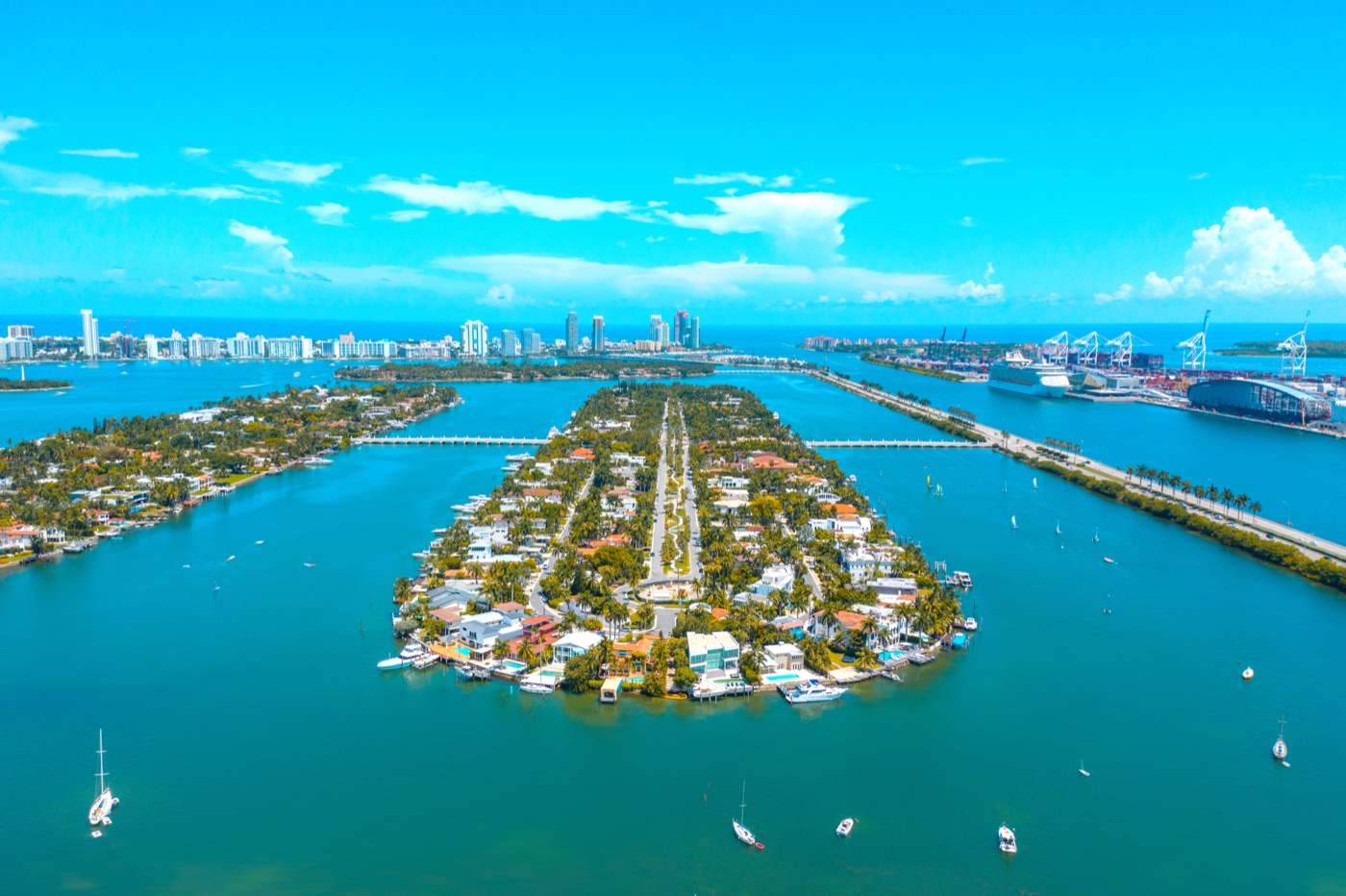
Closing on a Miami luxury condo is one of the most exciting moments in a buyer's life. You have done the hard part: you toured buildings in Brickell, Edgewater, Sunny Isles, and maybe even looked at something in Bal Harbour or Coconut Grove. You made an offer, negotiated, survived due diligence, and finally got your keys. But here is what most buyers do not realize until they are already living it: the first 12 months of ownership come with a learning curve that nobody warned them about.
The questions I get most often from Miami-Dade buyers are not about the purchase itself. They come after the purchase. What do I do about the HOA approval packet? Why is my insurance bill higher than I expected? When does my homestead exemption kick in? These are real, practical questions, and the answers matter because they affect your monthly costs, your legal standing, and the long-term value of your investment.
This guide is my answer to all of those questions in one place. Whether you just closed on a unit at One Thousand Museum, a two-bedroom at Aria on the Bay in Edgewater, or a beachfront residence in Sunny Isles, the first-year ownership experience follows a predictable rhythm. Knowing what is coming helps you plan for it, avoid costly mistakes, and actually enjoy the home you worked hard to buy.
Questions About Your Miami Condo? Let's Talk.
Whether you are navigating your first HOA meeting or planning your next investment, I can help you make smart decisions. Call me at (954) 833-0020. Hablamos Espanol.
Call (954) 833-0020Sunland Real Estate LLCMonth One: HOA Onboarding and Move-In Logistics
The week after closing is almost always consumed by HOA paperwork and move-in logistics. Luxury buildings in Miami, particularly those in Brickell and Miami Beach, have detailed move-in procedures that exist for a reason. Elevators need to be reserved, padding must be installed to protect interior surfaces, and most buildings only allow moves during specific weekday hours, typically between 9 a.m. and 5 p.m. I always tell my clients to confirm the exact window with the property manager before scheduling a moving company.
You will also need to register with the HOA and, in some buildings, with a separate management company. Expect to provide a copy of your deed, a government-issued ID, and vehicle registration if you plan to use the parking garage. Buildings like Porsche Design Tower in Sunny Isles and Brickell Flatiron have additional technology onboarding for key fobs, elevator access apps, and garage entry systems. Set aside a full afternoon for this step alone.
One thing that catches buyers off guard is the move-in fee. Most Miami luxury buildings charge between $500 and $1,500 at move-in, separate from your HOA dues. This fee is non-refundable in most cases. Some buildings also charge a refundable move-in deposit of $500 to $1,000 to cover any damage to common areas during the move. Ask the building manager about both fees before your moving date so there are no surprises at the lobby desk.
Explore on rangelyadames.com
Understanding Your Monthly HOA Dues and What They Actually Cover
Miami luxury condo HOA fees vary widely depending on the building, age, amenities, and location. In my experience, buyers in the $1 million to $3 million price range should expect monthly HOA dues somewhere between $1,500 and $4,500. Ultra-luxury buildings like Four Seasons Residences in Brickell or Fendi Chateau in Surfside can run $5,000 to $10,000 per month or more. These are not negotiable, and they tend to increase over time as operating costs rise.
What do those fees cover? In most Miami luxury buildings, your HOA dues include building insurance for the structure and common areas, water and sewer, trash removal, landscaping, security, concierge services, and maintenance of amenities like pools, gyms, and lounges. They do not cover your in-unit insurance, your electric bill, internet, or cable. Some buildings include valet parking in the dues; others charge separately.
Read the HOA's financial statements carefully in your first year. Florida law requires condo associations to provide audited financials annually, and as a unit owner you have the right to request them. Pay particular attention to the reserve fund. A healthy reserve fund should hold at least 10 to 15 percent of the building's estimated repair and replacement costs. Buildings with underfunded reserves are more likely to issue special assessments, which I will cover in a later section.
Filing for Homestead Exemption Before the Deadline
If your Miami condo is your primary residence, filing for Florida's homestead exemption is one of the most important financial steps you can take in your first year. The exemption reduces the assessed value of your property by up to $50,000 for property tax purposes. On a $1.5 million condo, that can translate to savings of $1,000 or more per year depending on the millage rate in your municipality.
The deadline to file is March 1 of the tax year for which you want the exemption to apply. If you closed in late 2025 and your condo is your primary residence on January 1, 2026, you need to file before March 1, 2026. Filing is done through the Miami-Dade County Property Appraiser's office, either online at the MDCPA website or in person. You will need your deed, a Florida driver's license or ID showing your condo address, and your Social Security number.
The Save Our Homes cap is a separate benefit that comes with homestead status. Once you have the exemption, the assessed value of your property can only increase by 3 percent per year or the rate of inflation, whichever is lower, regardless of how much the market value rises. Over five or ten years of ownership in a market like Miami, that cap can save tens of thousands of dollars in cumulative taxes. Do not miss the March 1 deadline.
Getting Your Condo Insurance Right
Condo insurance in Miami is its own subject, and it is one that trips up first-time condo owners more than almost anything else. Your HOA's master policy covers the building's exterior, common areas, and in most cases the bare walls of your unit. What it does not cover is everything inside: your flooring, cabinetry, appliances, personal belongings, and any improvements made by previous owners.
You need what is called an HO-6 policy, also known as walls-in coverage. For a luxury unit in Miami Beach or Brickell, a good HO-6 policy typically costs between $2,000 and $5,000 per year, though that range can go higher depending on the floor, view exposure, and the amount of custom finishes in the unit. Hurricane deductibles are a separate line item and are calculated as a percentage of your insured value, often 2 to 5 percent, not a flat dollar amount.
I always recommend that my clients ask the building manager for a copy of the master policy on the day they close. Understanding exactly where the association's coverage ends and yours begins prevents costly gaps. Some buildings carry an all-in master policy that includes improvements and betterments, meaning your personal policy can be simpler and less expensive. Others carry a bare walls-in policy that puts more responsibility on individual owners. Knowing which one your building has shapes every insurance decision you make.
What to Know About Special Assessments in Your First Year
Special assessments are one-time charges levied by the HOA to cover major repairs or capital improvements that the reserve fund cannot fully absorb. They are legal, they are common in older Miami buildings, and they can be expensive. I have seen special assessments range from a few thousand dollars per unit to over $100,000 per unit in buildings that deferred maintenance for years.
Since Florida's SB-4D legislation passed in 2022 and took effect in 2023, condominium buildings three stories or taller must complete structural integrity reserve studies and fully fund reserves for specific components by December 31, 2024. This requirement is reshaping the financial picture of many older buildings in Miami Beach, Surfside, and along the Brickell corridor. Buildings that were not previously funding reserves adequately are now playing catch-up, and some of that cost flows to unit owners through special assessments.
If you bought in a building that already completed its milestone inspection and structural integrity reserve study, and if the reserves were in reasonably good shape at closing, your risk of a large surprise assessment in year one is lower. If you skipped a thorough review of the HOA financials during due diligence, now is the time to request the most recent reserve study and the minutes from the last three board meetings. You want to know about any planned assessments before you hear about them in an official notice.
Rental Rules, Lease Approval, and Short-Term Rental Restrictions
A significant number of luxury condo buyers in Miami purchase with some intention of renting the unit, either short-term when they are not using it or long-term as a straightforward investment. Before you sign a lease or list your unit on any platform, you need to understand exactly what your building's rules allow.
Miami-Dade County requires a license for short-term rentals, defined as stays of fewer than 30 days. But even if you obtain the county license, your HOA may prohibit short-term rentals entirely. In Brickell, buildings like 1010 Brickell and SLS Brickell have very different policies from one another. In Edgewater, Aria on the Bay allows annual leases but restricts the number of times per year you can rent. In Sunny Isles, some buildings allow rentals with a minimum of six months, while others require a full 12-month minimum lease.
For long-term leases, most luxury buildings require board approval of the tenant before move-in. This typically involves a background check, credit check, and interview in some cases. The process can take two to four weeks, so build that timeline into any lease you negotiate. Some buildings also charge a lease approval fee of $100 to $500 per application. Know these rules before you commit to a tenant or advertise your unit, because renting without approval can result in fines and legal complications with the association.
Key questions to ask your HOA before renting your unit:
- What is the minimum lease term allowed by the association?
- How many times per year can the unit be leased?
- Is board or management approval required for each tenant?
- What documents does the tenant need to submit, and what is the processing fee?
- Are short-term rentals of fewer than 30 days permitted at all?
- Does the building require the owner to be present during the tenant application process?
- Are there any pending rule changes related to rental policies being discussed at the board level?
Building Relationships with Your Property Manager and Board
This one sounds soft, but it matters more than most buyers expect. In a Miami luxury building, the property manager and HOA board have real influence over your daily experience as an owner. They control the queue for elevator reservations, parking assignments, package handling, maintenance requests, and the speed at which your lease approvals get processed. A good relationship with these people makes your ownership experience significantly smoother.
Attend at least one board meeting in your first year. Florida condo law requires that board meetings be open to all unit owners, and the agenda is usually posted in the building's common area or sent by email. Attending a meeting gives you a firsthand look at the issues the building is dealing with, who the key personalities on the board are, and whether the association is being run responsibly. It also signals that you are an engaged owner, which tends to earn you goodwill.
If you have a maintenance issue inside your unit that relates to a building system, such as a water intrusion from the facade or an HVAC problem tied to the central system, document everything in writing and submit your requests through the official management portal. Never rely on a verbal conversation alone. A paper trail protects you if the issue escalates into a dispute about responsibility for repair costs.
Planning for Year Two and Beyond: Resale Value and Long-Term Strategy
By the time your first anniversary of ownership arrives, you will have a much clearer picture of your building, your neighborhood, and the Miami market as a whole. That is a good time to start thinking about your long-term strategy. Are you holding for appreciation? Planning to sell in three to five years? Considering a 1031 exchange into a larger investment property?
In my experience, the Miami luxury condo owners who build the most wealth over time are the ones who buy in buildings with strong fundamentals from the start: well-funded reserves, low delinquency rates among unit owners, professionally managed properties, and locations that are not dependent on a single trend. Buildings near the water in Miami Beach, on the bay in Edgewater, or in the walkable core of Brickell tend to hold value better over market cycles than more isolated or transitional locations.
Renovation decisions matter too. If you plan to hold the unit for five or more years, targeted upgrades to kitchen appliances, flooring, and smart home systems tend to generate meaningful returns at resale. Buyers in the $1.5 million to $5 million range in Miami increasingly expect Miele or Sub-Zero appliances, wide-plank flooring, and integrated home automation. Units that feel dated in these categories sit longer and sell at wider discounts than comparable units that are move-in ready.
I work with clients at every stage of the ownership journey, not just at the moment of purchase. Whether you are three months into your first luxury condo or thinking about your next move after five years, I am happy to walk through the numbers with you and build a strategy that fits your goals. Hablamos Espanol, and I work with buyers and investors from across Latin America and beyond who have made Miami their home base.
Ready to Buy or Already Own in Miami? Call Rangely.
I work with luxury condo buyers, sellers, and investors across Brickell, Edgewater, Miami Beach, Sunny Isles, and beyond. Call (954) 833-0020 to talk through your situation with an agent who knows this market inside and out.
Related Articles
September 28, 2026 · 10 min read
Argentine Buyers Guide to Miami Real Estate: Process, Financing Themes, and Neighborhood Fit (2026)
Buying Miami real estate from Argentina is workable when you separate what your agent coordinates from what your attorney, CPA, and lender decide. This support guide walks through the process, financing themes, remote closing, and neighborhood fit, then points you to the Argentina foreign-buyer hub for next steps.
Read article →February 2026 · 9 min read
Aventura Real Estate Guide: Condos, Schools & Lifestyle (2026)
Luxury high-rises, top-rated schools, and the Aventura Mall — why families and investors love this North Miami suburb.
Read article →February 2026 · 9 min read
Airbnb Investment Properties in Miami: Rules, ROI & Best Areas
Short-term rental regulations, income projections, and the best Miami neighborhoods for Airbnb investing.
Read article →