Hidden Costs of Buying a Miami Luxury Condo (2026)
By Rangely Adames • June 2026 • 11 min read
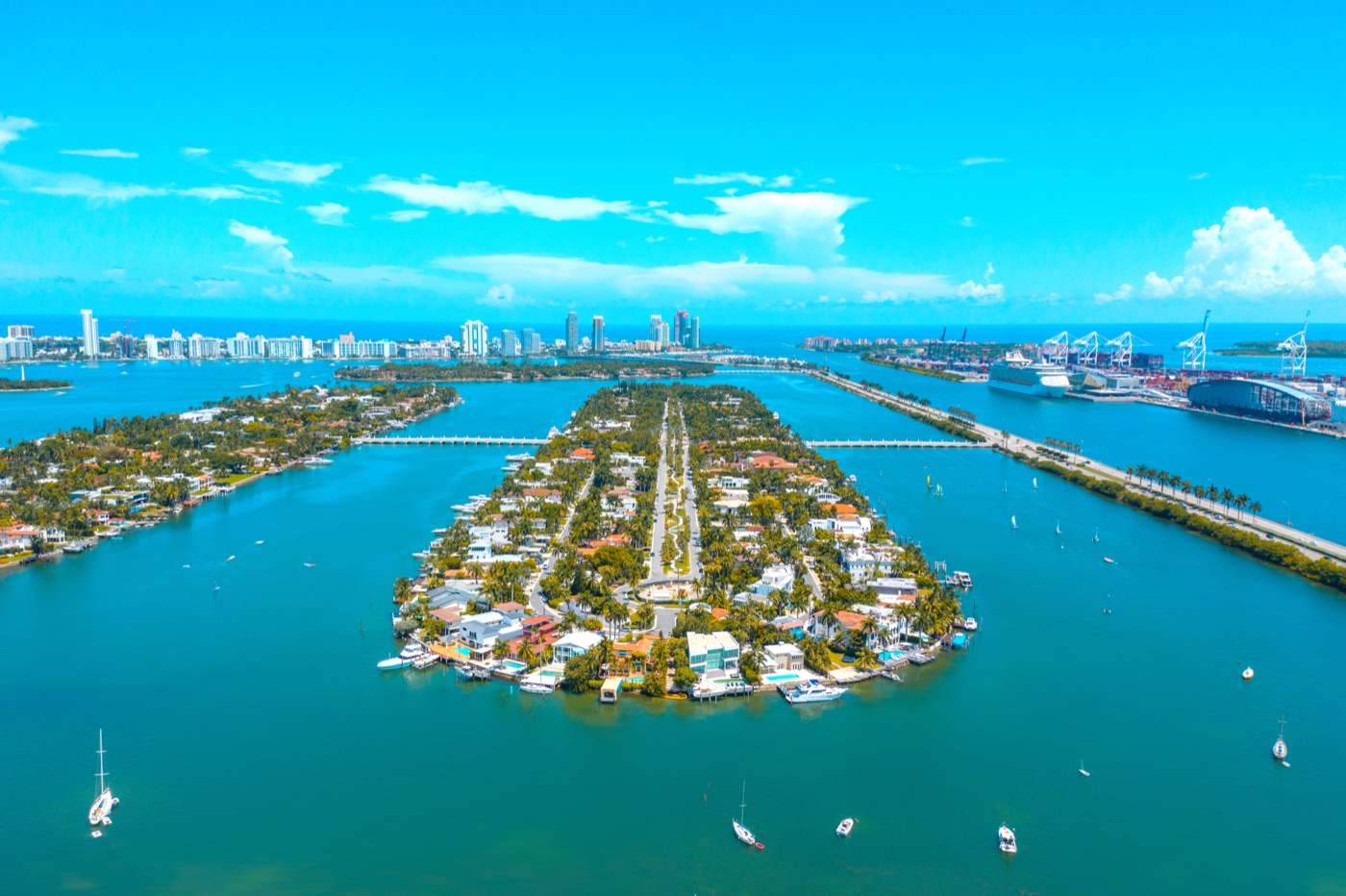
When buyers come to me looking at luxury condos in Brickell, Edgewater, Sunny Isles Beach, or Miami Beach, the conversation almost always starts with the list price. That makes sense, of course, but in my experience the purchase price is only the beginning. Miami's luxury condo market has layers of ongoing and one-time costs that can add tens of thousands of dollars to what you actually spend in the first year of ownership. Knowing those numbers before you make an offer is not optional. It is essential.
I have worked with buyers who fell in love with a unit at Aria on the Bay or One Thousand Museum, only to be caught off guard by a special assessment notice or a monthly HOA fee that was $3,000 higher than they budgeted for. That kind of surprise does not have to happen. This post walks through every major cost category I talk about with my clients so you can go into a purchase with a complete financial picture.
Whether you are relocating from New York, moving capital from Latin America, or upgrading from a single-family home in Coral Gables, this guide is for you. Hablamos Espanol, and I am happy to walk through any of this in detail. Call me at (954) 833-0020 and we can review the specific numbers for any building you are considering.
Want a Full Cost Breakdown Before You Buy?
I put together complete first-year cost models for every client before they make an offer. Hablamos Espanol. Call (954) 833-0020 and let's run the numbers together.
Call (954) 833-0020Closing Costs: What You Actually Owe at the Table
Closing costs on a Miami luxury condo purchase typically run between 2% and 4% of the purchase price, but on a $2 million unit that means $40,000 to $80,000 due at closing in addition to your down payment. Buyers are often surprised by how many line items appear on the closing disclosure.
The largest single closing cost for most buyers is the documentary stamp tax on the deed, which Florida charges at $0.70 per $100 of purchase price in most counties. Miami-Dade County adds a surtax of $0.45 per $100 on properties other than a primary residence, bringing the total to $0.60 per $100 for homestead purchases and $1.05 per $100 for second homes or investment units. On a $3 million purchase, that is $31,500 in doc stamps alone if the property is not your primary residence.
You will also pay for title insurance, which in Florida is typically paid by the seller in Miami-Dade County, though this is negotiable. The owner's title policy on a $2 million condo runs roughly $7,500 to $9,000. If you are financing, add a lender's title policy on top of that. Then factor in recording fees, the attorney or title company closing fee, and any prepaid items like homeowners insurance and the first month's HOA. By the time I walk a client through the full closing disclosure, we are usually looking at a realistic number closer to 3.5% to 4% on luxury purchases.
Explore on rangelyadames.com
HOA Fees: The Monthly Cost That Varies Wildly by Building
Monthly HOA fees in Miami luxury condos cover building insurance, common area maintenance, security, amenities, management, and contributions to the reserve fund. What surprises most buyers is how wide the range is. In a mid-tier luxury building in Brickell or Midtown Miami, fees might run $1,200 to $1,800 per month for a 1,500-square-foot unit. In an ultra-luxury building like Porsche Design Tower in Sunny Isles Beach or Residences by Armani Casa, fees can reach $4,000 to $6,500 per month or more.
The fee per square foot is a better comparison tool than the raw number. Most Miami luxury buildings run between $0.80 and $1.50 per square foot per month. Buildings with full-service concierge, valet, pools, spas, private restaurants, and intensive security tend to land at the higher end. Newer buildings completed after 2020 also tend to have higher fees because they are built with more sophisticated systems and amenities.
One thing I always check with my clients is exactly what the HOA fee includes and what it does not. Some buildings bundle water, cable, and internet into the fee. Others bill those separately. A fee that looks high might actually be all-inclusive, making it more competitive than a lower fee that excludes utilities. Always ask for the full breakdown before you compare buildings side by side.
Special Assessments: The Cost Nobody Wants to Talk About
Special assessments are one-time charges levied by a condo association to cover large expenses that the reserve fund cannot fully absorb. In my experience, this is the single most common financial surprise for buyers who did not do thorough due diligence before closing.
Florida law changed significantly after the Champlain Towers South collapse in Surfside in 2021. Senate Bill 4-D, which took effect in 2022 and has been updated since, now requires condo buildings over three stories to complete structural integrity reserve studies and fully fund reserves for major components like roofing, load-bearing walls, and waterproofing. Buildings that had been waiving reserves for years are now catching up, and that cost is often passed directly to unit owners in the form of special assessments.
I have seen assessments ranging from $15,000 to over $200,000 per unit in Miami Beach and Brickell buildings that are catching up on deferred maintenance and required reserve funding. Before you close on any condo, I strongly recommend requesting the most recent reserve study, the current reserve fund balance, and the minutes from the last 24 months of board meetings. If the building is underfunded and has known capital projects on the horizon, you need that information priced into your offer.
Sellers are now required to disclose pending or approved special assessments, but they are not always required to disclose assessments that have been discussed but not yet voted on. That is why the board meeting minutes matter so much.
Property Taxes in Miami-Dade: How the Numbers Work
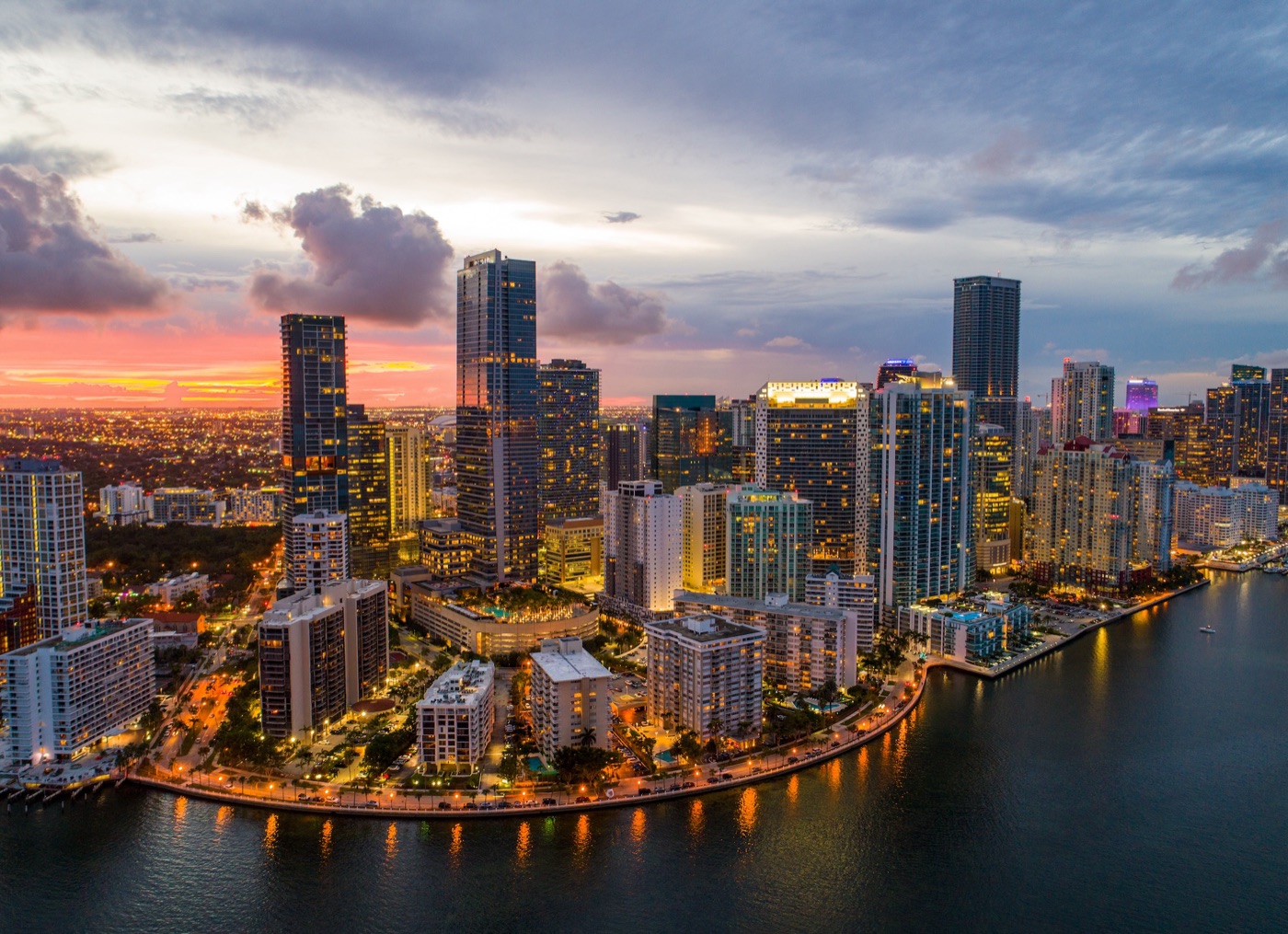
Miami-Dade County's effective property tax rate runs approximately 1.8% to 2.2% of assessed value for non-homestead properties. The exact rate depends on which municipality the property sits in, because city millage rates vary. A condo in the City of Miami pays a different combined rate than one in the City of Miami Beach or unincorporated Miami-Dade County.
For a $2.5 million condo in Brickell used as a pied-a-terre or investment property, expect an annual tax bill in the range of $45,000 to $55,000. For a $5 million unit in Bal Harbour or Fisher Island, you could easily be looking at $90,000 to $110,000 per year in property taxes before any exemptions.
If the property will be your primary residence, the Florida Homestead Exemption reduces the assessed value by $50,000 for tax purposes and, more importantly, caps future assessment increases at 3% per year through the Save Our Homes provision. For buyers planning to live in the unit full time, that cap becomes enormously valuable over time. Foreign buyers and investors who hold properties as second homes or rentals do not qualify for homestead, which is a significant ongoing cost difference worth modeling before you decide on a purchase structure.
I work with buyers to run a realistic five-year tax projection before they finalize an offer. If you want help with those numbers, call me at (954) 833-0020.
Insurance: A Cost That Has Increased Sharply in South Florida
Homeowners insurance for a Miami luxury condo has become one of the most talked-about cost increases in the market over the past three years. Florida's insurance market has been under severe pressure, with multiple carriers exiting the state and Citizens Property Insurance becoming the default option for many owners.
For a luxury condo unit, insurance costs typically cover the interior of the unit, your personal belongings, and liability. The building's master policy covers the exterior and common areas, and the cost of that master policy is factored into your HOA fee. What you pay separately is called HO-6 insurance.
A well-priced HO-6 policy for a $2 million condo in Miami Beach or Brickell currently runs $3,000 to $8,000 per year depending on the building's location, construction type, age, and the coverage limits you choose. Buildings in FEMA flood zones, particularly those close to the water in Miami Beach or along Biscayne Bay in Edgewater, may also require separate flood insurance policies that can add another $2,000 to $5,000 per year. Some buildings require owners to carry a minimum amount of coverage as a condition of the purchase, so review the condo docs carefully before you finalize your insurance budget.
Move-In Fees, Deposits, and Association Approval Costs
Most luxury condo buildings in Miami charge move-in fees and require a refundable move-in deposit to protect the building's common areas during the move. These are separate from your closing costs and often come as a surprise because they are due directly to the association, not the title company.
Here is what I tell my clients to budget for in this category:
Move-in fees at upscale buildings in Brickell, Coconut Grove, and Miami Beach typically run $500 to $1,500 and are non-refundable. Refundable elevator deposits of $500 to $2,000 are held until the building confirms no damage occurred during your move. Application fees for board approval at buildings like Bristol Tower or Santa Maria in Brickell can run $100 to $500 per applicant. Background check fees are typically $50 to $150 per adult occupant. Some buildings also require an interview before approving a purchase, and in some cases the association has a right of first refusal, meaning they can match your offer price and purchase the unit themselves before allowing your sale to proceed.
Here is a quick summary of the move-in and approval costs I tell buyers to plan for:
- Non-refundable move-in fee: $500 to $1,500
- Refundable elevator or move-in deposit: $500 to $2,000
- Board application fee: $100 to $500 per applicant
- Background check fee: $50 to $150 per adult
- Right of first refusal review period: typically 15 to 30 days, which affects your closing timeline
- Required minimum insurance coverage set by the association
- Pet approval fee or deposit if applicable: $250 to $1,000 at many buildings
Ongoing Maintenance, Upgrades, and Unit Expenses
Even in a building where the HOA handles all exterior and common area maintenance, you are still responsible for everything inside your unit. In an older luxury building, that can mean significant expense in the first few years if the previous owner did not maintain the unit well.
HVAC systems in Miami work hard year-round because of the heat and humidity. A high-quality replacement system for a 2,000-square-foot condo runs $8,000 to $15,000 installed. Water heaters in condo units typically last 8 to 12 years and cost $1,500 to $3,500 to replace. Impact windows are already required by code in newer buildings, but in an older unit in Miami Beach or Aventura where windows have not been updated, replacing them can run $15,000 to $40,000 or more depending on the number and size of openings.
Kitchen and bathroom renovations are the other big-ticket items. In the Miami luxury market, buyers increasingly expect high-end finishes, and a kitchen remodel in a Brickell high-rise using quality materials runs $30,000 to $80,000. Bathroom renovations in luxury units typically cost $15,000 to $35,000 per bathroom. I always recommend a thorough pre-purchase inspection so you know the condition of all major systems before you close, not after.
There is also the cost of furnishing a luxury unit, which many buyers underestimate. Furnishing a 2,500-square-foot condo in South Beach or Key Biscayne to a luxury standard easily runs $100,000 to $300,000. If you are planning to rent the unit short term or long term, furnishings are a capital cost that affects your return on investment.
How to Build a Complete Budget Before You Make an Offer
The clients I work with who feel most confident going into a purchase are the ones who build a full first-year cost model before they submit an offer. That model includes the purchase price, closing costs, the first 12 months of HOA fees, property taxes, insurance, any known or anticipated special assessments, and a realistic estimate of any renovation or upgrade work they want to do before moving in or renting.
On a $2.5 million luxury condo in Brickell with a $2,500 per month HOA fee, the first-year cost picture might look like this: $75,000 to $100,000 in closing costs, $30,000 in HOA fees, $50,000 in property taxes, $5,000 in insurance, and potentially $20,000 to $50,000 in move-in and initial maintenance costs. Before you have even purchased a piece of furniture, you could easily be $180,000 to $235,000 above the purchase price in year one costs alone.
That is not a reason to avoid buying. Miami luxury condos have appreciated significantly over the past decade, and buildings in Edgewater, Wynwood, and along the Miami Beach waterfront continue to attract strong demand from both domestic and international buyers. But going in with a clear-eyed budget is what separates confident buyers from stressed ones.
If you want to work through these numbers for a specific building or unit you are considering, I am here to help. Hablamos Espanol, and I work with buyers from across Latin America, Europe, and the United States. Call me at (954) 833-0020 or reach out through the contact form on this site and we will put together a complete picture before you make any decisions.
Ready to Buy a Miami Luxury Condo With No Surprises?
Call Rangely Adames at (954) 833-0020 for a straightforward conversation about the full cost of ownership in any Miami building you are considering.
Related Articles
February 2026 · 9 min read
Aventura Real Estate Guide: Condos, Schools & Lifestyle (2026)
Luxury high-rises, top-rated schools, and the Aventura Mall — why families and investors love this North Miami suburb.
Read article →February 2026 · 9 min read
Airbnb Investment Properties in Miami: Rules, ROI & Best Areas
Short-term rental regulations, income projections, and the best Miami neighborhoods for Airbnb investing.
Read article →July 2026 · 10 min read
Bay Harbor Islands Real Estate Guide: Homes, Condos & Market (2026)
Waterfront homes with private docks, boutique condos, and a top-rated K-8 school make Bay Harbor Islands one of Miami's best-kept secrets. A bilingual 2026 buyer guide with prices and consejos para compradores. Hablamos Espanol.
Read article →